
An effective dandruff routine should reduce visible flakes, calm irritation, preserve hair condition, and fit comfortably into ordinary life. Many people abandon treatment because results take time, formulas feel drying, or wash days become inconvenient. A better plan removes those obstacles through clear steps, appropriate ingredients, and realistic expectations. When care feels manageable, regular use becomes easier. That consistency gives the scalp a better chance to remain balanced, comfortable, and less prone to recurring buildup.
Why Consistency Matters
A dependable dandruff hair care plan relies on repeated use rather than occasional intensive washing. Flaking often returns when oil, dead skin, and styling residue collect near the roots. Regular cleansing helps limit that accumulation, while gentle products protect the scalp barrier from unnecessary irritation. A fixed schedule also makes treatment easier to maintain during workdays, travel, exercise, and changes in hairstyle. The most effective routine is one that fits ordinary habits.
Start With Scalp Needs
Symptoms can vary considerably from one person to another. Light flaking may respond to a treatment shampoo, whereas persistent oiliness, redness, or itching may require additional care. Hair texture deserves attention as well. Dry curls need more conditioning, while fine strands can become weighed down by rich formulas. Product selection should reflect scalp behavior, strand type, and the severity of symptoms.
Build a Short Routine
Cleanse With Purpose
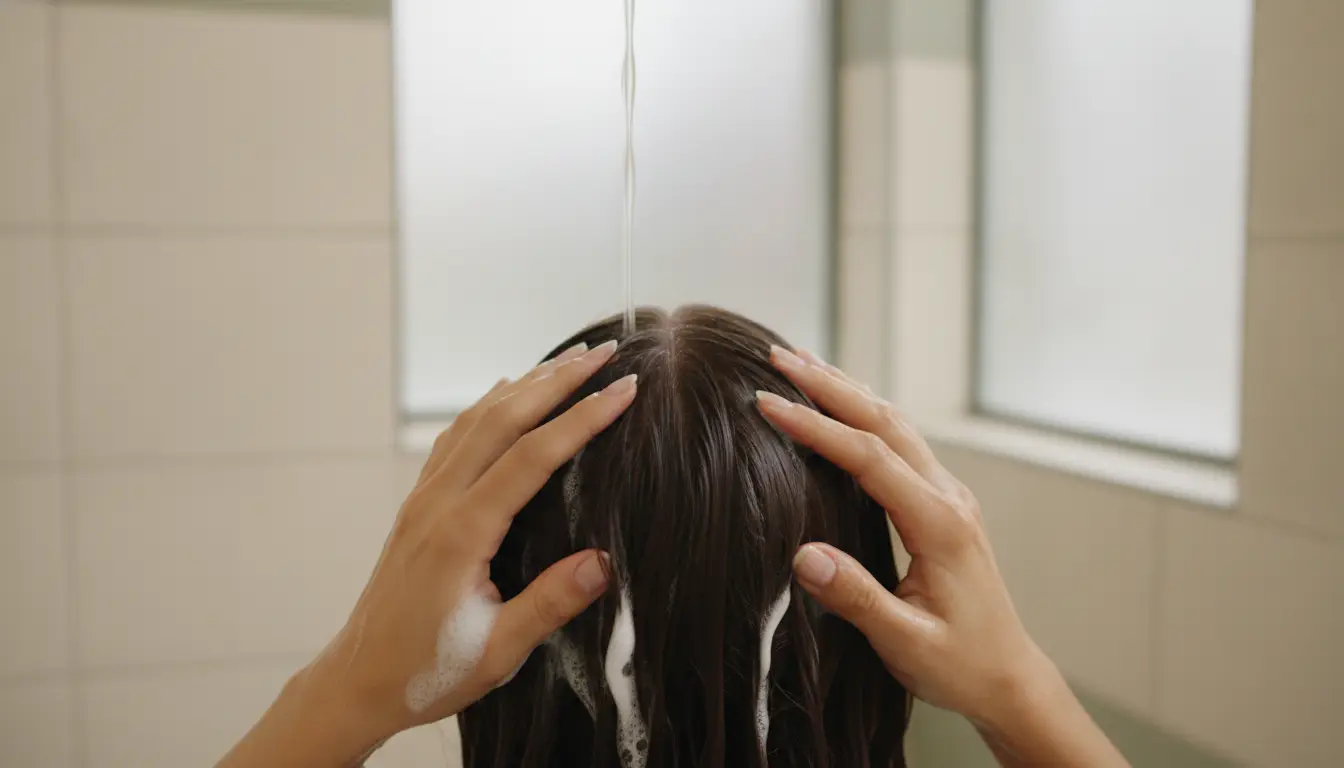
Treatment shampoo must reach the skin beneath the hair. Creating small sections improves coverage, especially across dense or tightly coiled strands. Fingertips can loosen scale with light pressure, but nails should stay away from the surface. Lukewarm water usually feels more comfortable than hot water and may reduce post-wash tightness. Thorough rinsing removes residue that could trigger further discomfort.
Condition Strategically
Conditioner helps restore softness after cleansing. Applying it from the middle of the hair downward limits heaviness around greasy roots. Some formulas also contain humectants or lipids that reduce roughness after medicated washing. Allowing a short contact period can improve slip before rinsing. This step makes treatment more tolerable, which can encourage continued use over time.
Choose Proven Ingredients
Common active ingredients include ketoconazole, selenium sulfide, salicylic acid, zinc pyrithione, and sulfur. Their functions differ. Some reduce fungal activity, others loosen scale, and several help control excess oil. Labels should be checked for directions, contact time, and age restrictions. Anyone with sensitive skin, pregnancy-related concerns, or existing medication should seek qualified advice before beginning a new active formula.
Follow a Repeatable Schedule
Washing too infrequently allows sebum and skin cells to accumulate. Excessive cleansing, however, can leave certain hair types brittle, coarse, or dehydrated. Product instructions provide the safest starting point. Afterward, frequency can be adjusted according to itching, flake production, and hair condition. Missed applications should not be replaced with extra product unless a clinician recommends that approach.
Track Visible Changes
Specific observations provide a clearer picture than memory alone. Useful markers include itch frequency, flake size, redness, oil production, and comfort between washes. A brief weekly record can reveal whether symptoms are improving or fluctuating. Similar-lighting photographs may show gradual change. Worsening irritation, tenderness, spreading redness, or persistent scale warrants professional assessment.
Protect Hair While Treating Skin
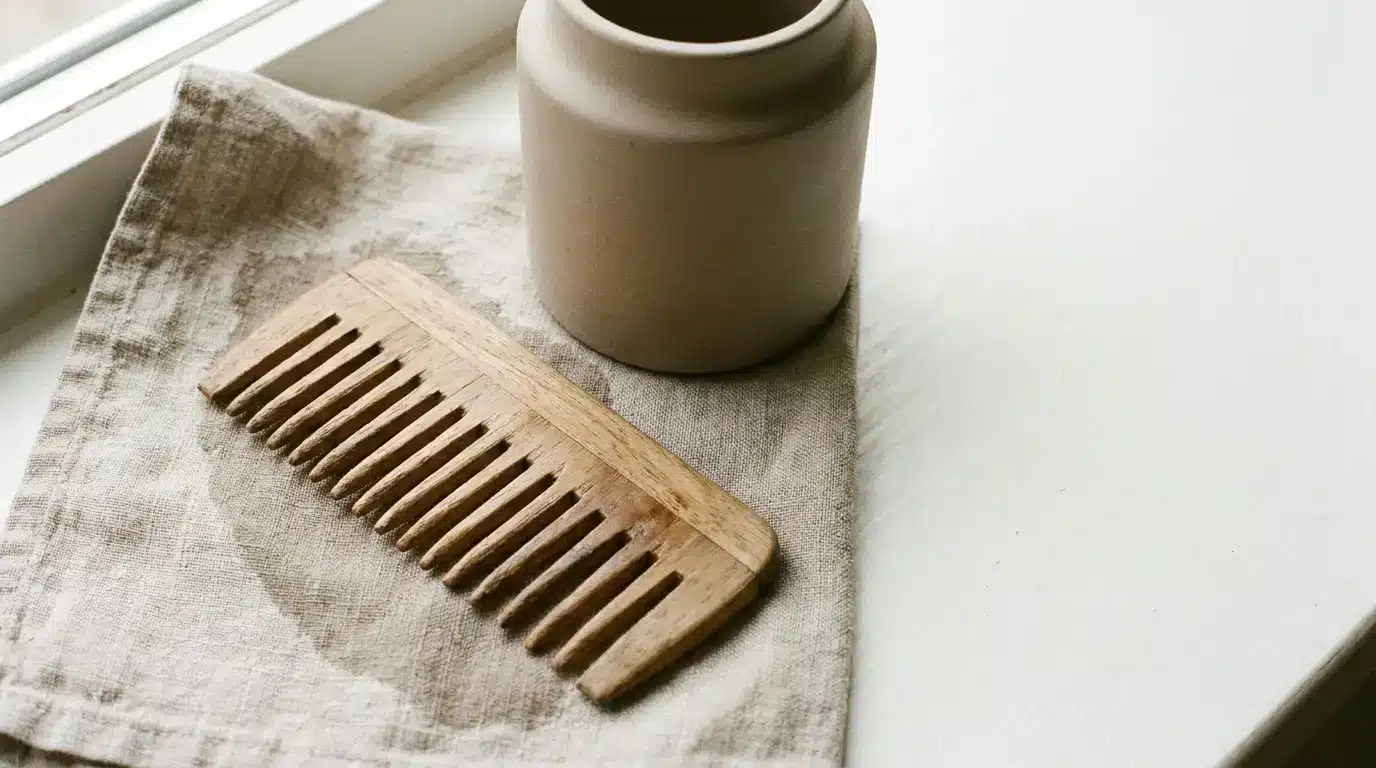
Scalp treatment should not create avoidable damage along the hair shaft. High heat, chemical coloring, tight styles, and forceful brushing can increase breakage or dryness. Lower temperature settings reduce thermal stress after washing. Wide-tooth combs are gentler on wet strands, while nourishing conditioner improves manageability. Textured hair may also benefit from a light leave-in product that does not leave heavy residue at the roots.
Avoid Common Disruptions
Scratching can create tiny breaks in the skin and intensify inflammation. Changing products every few days makes results difficult to evaluate. Heavy oils may also worsen greasy accumulation for some individuals. Fragrance deserves attention when burning, swelling, or redness follows application. Keeping the routine stable allows each product enough time to show whether it is helpful or irritating.
Make the Routine Convenient
Long-term use depends partly on practical setup. Products should remain easy to find, simple to carry, and compatible with established washing habits. A scalp brush may distribute cleanser across dense hair, although excessive pressure can cause soreness. Calendar reminders can prevent supplies from running out. These small adjustments reduce interruptions before skipped treatments become a pattern.
Know When to Seek Help
Self-care may not resolve every scalp condition. Thick plaques, bleeding, severe redness, sudden shedding, or irritation beyond the scalp require medical evaluation. Similar symptoms can occur with psoriasis, eczema, allergic reactions, fungal infection, or seborrheic dermatitis. A clinician can identify the likely cause, recommend an appropriate active ingredient, and check whether existing medication affects product choice.
Conclusion
A dandruff regimen is easier to maintain when it is effective, comfortable, and realistic. Consistent cleansing, suitable conditioning, measured product use, and symptom tracking create a stronger foundation than frequent formula changes. Hair protection matters because healthy strands make treatment easier to continue. With sensible storage, clear timing, and timely medical guidance, scalp care can become a steady grooming habit rather than an emergency response to severe flaking.