
Ever looked in the mirror and wondered what eye shape you actually have? Most people can’t tell just by glancing.
The almond eye shape is one of the most common types, but spotting it isn’t always simple. Small details often go unnoticed.
From iris position to corner shape, a few clear signs help confirm if your eyes fit this category. It only takes a quick check.
There’s a simple way to identify almond eyes, along with common variations, makeup tips, and how they compare to other shapes.
What Determines the Shape of Your Eye?
Your eye shape is set by the underlying bone structure, the eyelid, and how the opening sits, not by anything you can change day to day.
The eye socket and surrounding bone form the foundation, setting how deep or prominent your eyes appear and how much space frames them.
The eyelid and crease shape the visible opening. A clear crease, a hidden one, or extra skin over the lid is what separates almond, monolid, and hooded eyes.
The width-to-height ratio decides how elongated or round the eye looks. Almond eyes are longer than they are tall, giving them their signature oval outline.
Finally, the angle of the corners matters. Corners that taper into soft points or lift slightly upward read as almond, while rounder or downturned corners point to other shapes.
Together, these features explain why eye shape stays fairly consistent over time and why small mixed traits are completely normal.
How to Tell If You Have Almond Eyes?
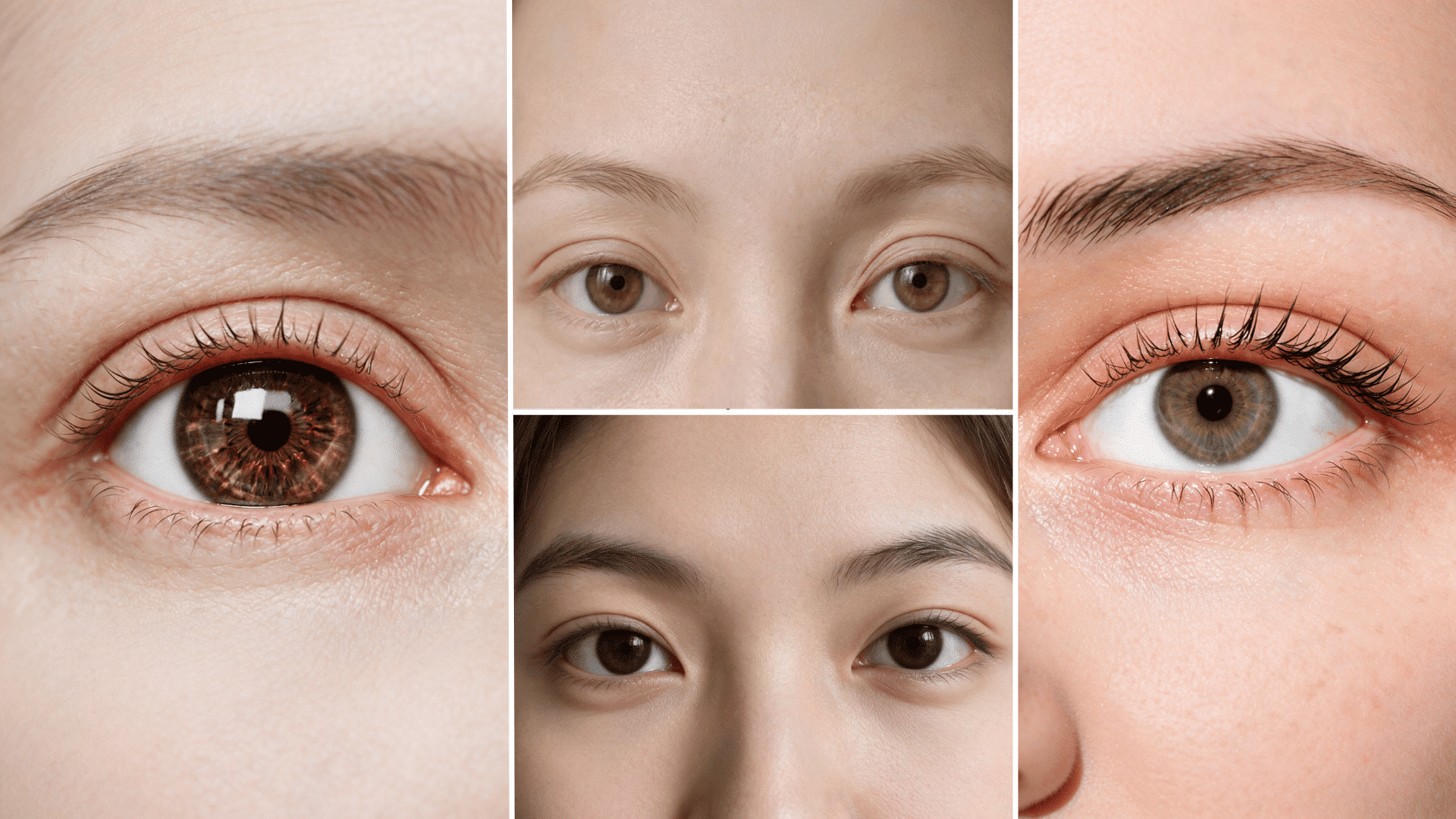
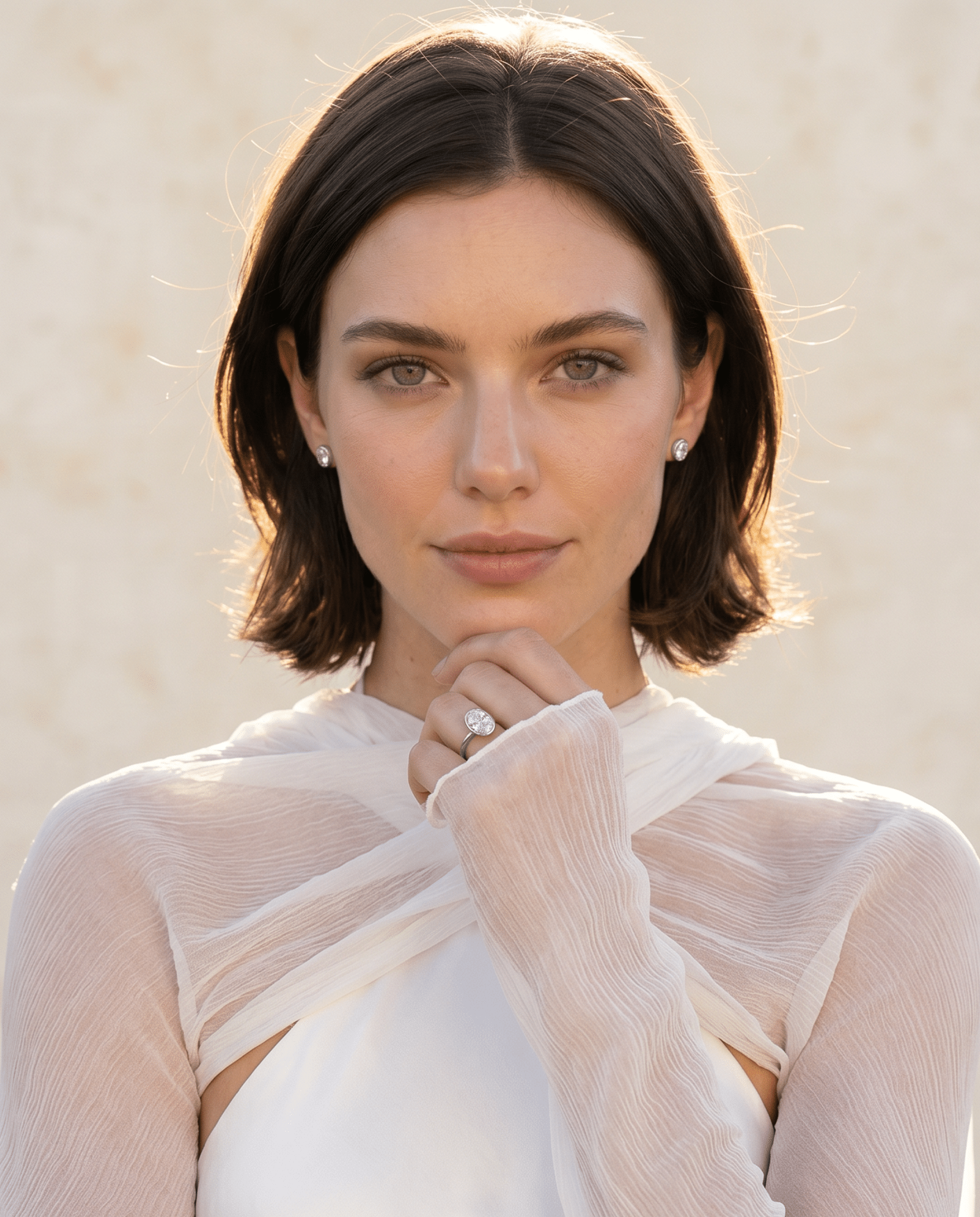
Checking your eye shape starts with a few simple details that are easy to notice in a mirror. The position of your iris, corners, and overall eye opening can reveal key signs.
Almond eyes have a distinct structure, but small variations are common. Look for these features before comparing your eyes with other shapes.
1. Iris Touches the Top and Bottom Eyelids
One key sign of almond eyes is that the iris usually reaches both the upper and lower eyelids. This leaves little white space around the iris.
Round eyes often show more visible white above or below the iris. If your eyes have little to no top or bottom white space, they may have almond traits.
2. Tapered Corners
Almond eyes usually have corners that narrow into soft points instead of looking fully rounded. The inner and outer edges create a longer oval appearance.
Check the outer and inner corners in a relaxed expression. A gentle taper is a common feature that separates almond eyes from round eye shapes.
3. Slight Upward Lift
The outer corner of almond eyes often has a small upward angle. This lift is usually soft rather than a sharp winged shape.
Look at the direction of your outer corners compared with the inner corners. A mild upward angle can be a sign of almond eyes.
4. Wider Than Tall Shape
Almond eyes are generally wider across than they are tall. The opening creates a narrow oval shape that resembles an almond viewed from the side.
Measure the overall appearance rather than focusing on one feature alone. The width-to-height balance helps identify the shape more accurately.
5. Visible Eyelid Crease
Many almond eyes have a visible eyelid crease, unlike monolid eyes where the crease may not appear. Hooded eyes can also look different because extra skin covers part of the crease.
Check your eyelid area when your eyes are open naturally. A clear crease along with other almond features can help confirm the shape.
Almond Eye Shape vs Other Eye Shapes
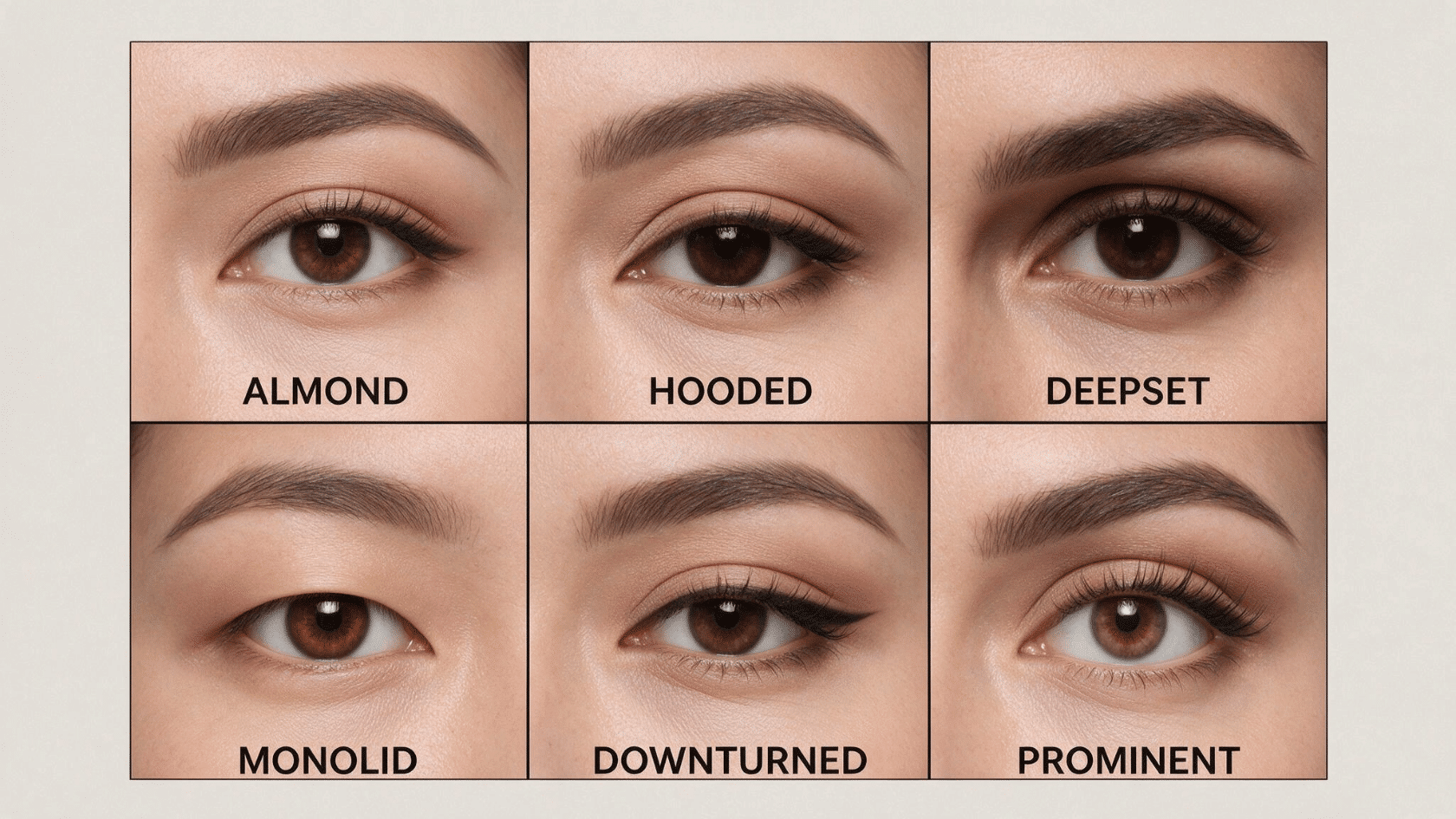
Eye shapes can look similar at first glance, but small details set them apart. Comparing them side by side makes the differences much clearer.
Almond eyes are compared with other common eye shapes based on a few key visual features, shown below for easy reference.
| Eye Shape | Main Features |
|---|---|
| Almond | Oval shape, tapered corners, iris touches lids |
| Round | More visible white around the iris, circular look |
| Hooded | Extra skin covers part of the eyelid crease |
| Monolid | Little or no visible crease |
| Upturned | Outer corners angle upward |
| Downturned | Outer corners angle downward |
Once you know these differences, spotting your own eye shape becomes much easier. Small features like corners and creases play a big role.
This comparison also helps when choosing makeup styles, since each eye shape often responds differently to liner, shadow, and lash techniques.
Thin Almond Eyes: What Makes Them Different?
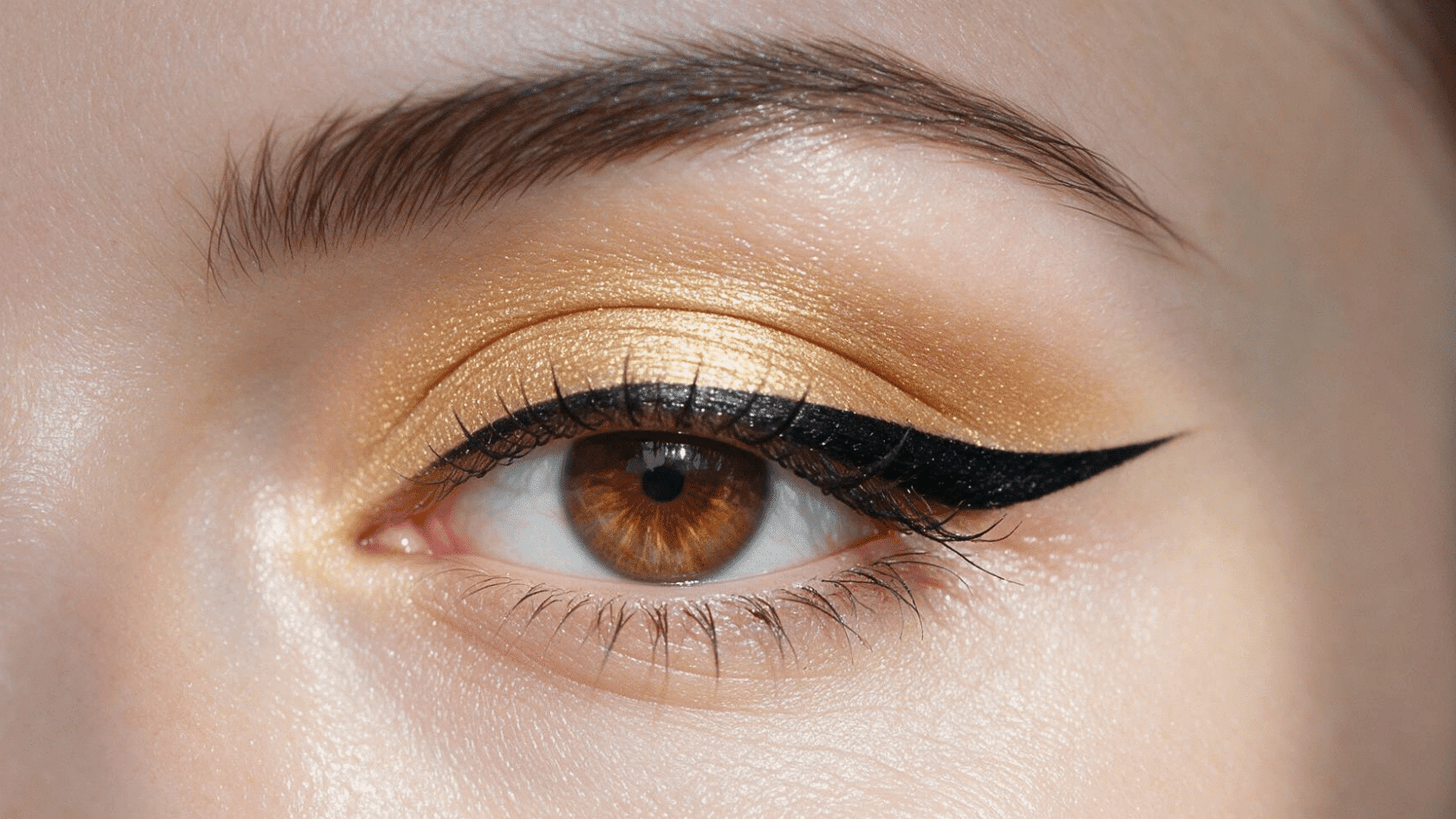
Thin almond eyes have the same core features as regular almond eyes but appear narrower from top to bottom. The shape looks more elongated with less vertical space.
This variation keeps the classic almond traits, including tapered corners and a soft lift. A few details set it apart from other narrow eye types.
| Feature | Thin Almond Eyes |
|---|---|
| Shape | Longer oval outline with less height |
| Corners | Soft tapered ends with slight lift |
| Iris Position | Touches upper and lower eyelids |
| Makeup Tips | Use lifted liner and lighter inner corners |
Makeup Tips for Thin Almond Eyes: Skip heavy liner that can close up the eye further. Focus on lifting and opening the outer corners for a brighter look.
Tips to Make Your Eyes Appear Almond-Shaped
Makeup cannot change your natural eye structure, but smart placement can create the illusion of length and lift. These practical techniques help mimic an almond shape for everyday wear.
- Extend the outer liner: Draw a thin line along the upper lash line and flick it slightly outward and upward at the outer corner to visually stretch the eye longer.
- Smudge the outer third only: Keep the inner corner clean and concentrate darker shadow from seasonal shadow palettes on the outer third, blending up toward the brow to pull the shape outward.
- Brighten the inner corner: Dab a light or shimmer shade at the inner corner to open the eye and balance the darker outer edge.
- Tightline the upper waterline: Line the upper waterline instead of the lower to add definition without shortening or closing the eye.
- Angle your lashes outward: Curl lashes and apply mascara mainly to the outer lashes, or use lifted, longer outer-corner lash styles for a soft cat-eye pull.
- Skip heavy lower liner: Avoid a thick line along the full lower lash line, since it rounds the eye and works against the elongated look.
Test one or two of these at a time to see what suits your features. The goal is subtle lift and length, not a dramatic change to your natural shape.
Famous Examples of Almond Eye Shape
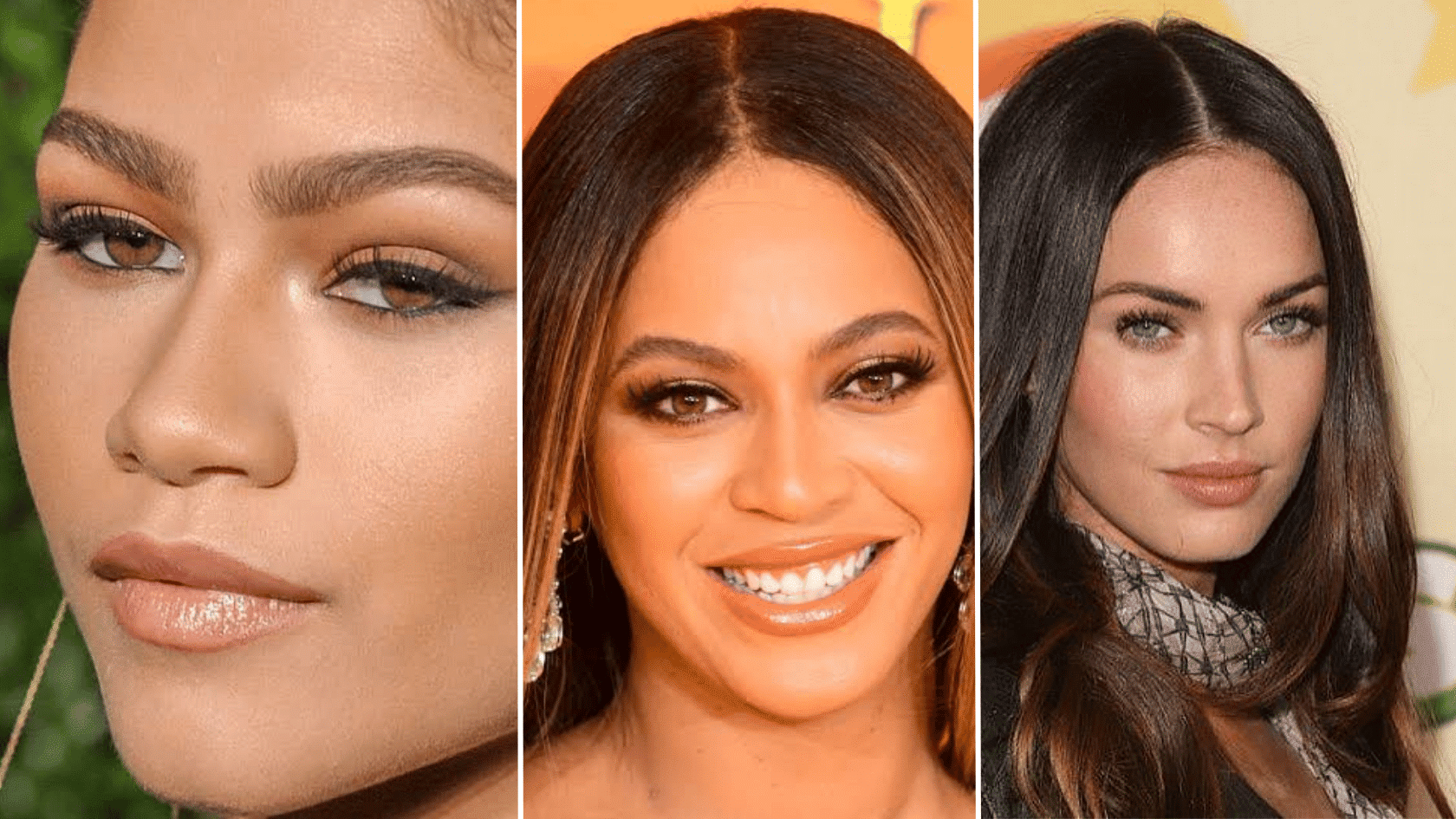
Many celebrities are associated with the almond eyes, including Zendaya, Angelina Jolie, and Beyoncé. Their eyes are frequently used as style references.
Mila Kunis, Megan Fox, and Rihanna are also commonly mentioned in this category. Their eye shape often stands out in photos and on camera.
Keep in mind that appearance can shift with angle, lighting, makeup, and expression. So these are general observations, not fixed or absolute claims.
These examples simply help illustrate how almond eyes can look in real life, showing the natural variation that exists even within the same shape.
Best Makeup Looks for Almond Eyes
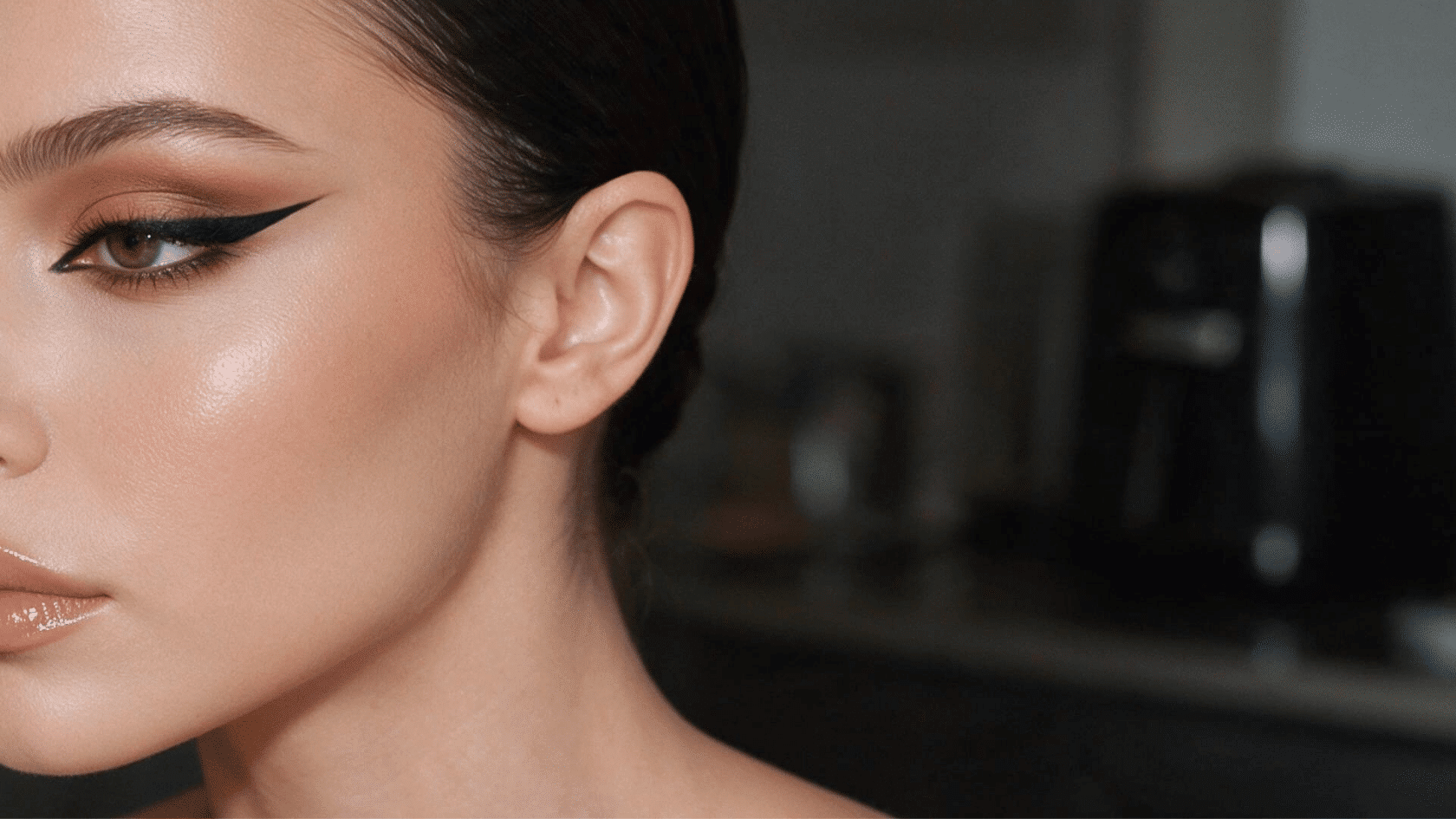
Almond eyes have a naturally balanced shape that works well with different makeup styles. Simple techniques can highlight their length and structure.
From liner placement to lash choices, small changes can define the eyes while keeping their natural shape.
- Eyeliner: Follow the natural curve of the eye and create a balanced wing that matches the elongated shape without making the eyes look smaller.
- Eye Shadow: Use darker shades on the outer corner, blend through the crease, and add a lighter shade near the inner corner for definition.
- Mascara: Choose wispy or cat-eye lashes and apply mascara with extra focus on the outer lashes for a lifted effect.
These makeup ideas work for both a polished everyday natural look and special occasions. The right product placement can bring out the natural features of almond eyes.
Small adjustments can make makeup application easier over time. Testing different styles helps find what suits your eye shape best.
Can You Get an Almond Eye Shape?
Your natural eye shape mostly comes down to genetics, so it doesn’t change on its own over time. It’s simply how your eyes formed.
That said, makeup can create the look of almond eyes even if that isn’t your natural shape. The right techniques can shift the visual effect.
Lash placement, eyeliner style, and shadow placement all play a role here. Small adjustments in these areas can mimic an almond-shaped look fairly well.
Cosmetic procedures are also an option for some people, but these should only be discussed with a qualified professional who can guide you properly.
Final Thoughts
Knowing your eye shape makes choosing makeup so much easier. Once you spot the signs, everything from liner to lashes falls into place.
Almond eye shape is one of the most balanced and versatile types out there. It works with countless styles without much effort.
Whether your eyes are natural, thin, or slightly upturned, the same basic principles apply. Small tweaks bring out the best in your look.
Try one of these makeup tips this week and see the difference for yourself. Your eyes might just become your favorite feature.
Got questions about your eye shape or a tip that worked for you? Drop it in the comments below.
Frequently Asked Questions
Are Almond Eyes Considered Attractive?
Almond eyes are often described by makeup artists as one of the most versatile and balanced shapes, since their proportions suit almost any liner, shadow, or lash style. Attractiveness is subjective, so no single shape is objectively best.
Which Eye Shape Is the Rarest?
Almond eyes are common worldwide, so they are not considered rare. Shapes influenced by specific features, like certain monolid or strongly upturned and downturned types, tend to appear less frequently, though prevalence varies widely across individuals and regions.
Are Almond Eyes Genetic?
Yes, eye shape is largely determined by genetics and the underlying bone and eyelid structure you inherit. This is why your natural shape stays fairly consistent, though eyelid skin can shift its appearance slightly with age.