
Tight hips, a stiff lower back, and a restless mind after a long day are more common than most people think. Sometimes the body just needs a pose that lets it fully stop and rest.
Reclining bound angle pose is one of the simplest ways to release tension from the hips, lower back, and inner thighs all at once. It requires no strength, no flexibility, and no prior yoga experience.
It also calms the nervous system, making it a great choice before bed or after a tough workout. Even a few minutes can leave the body feeling noticeably lighter.
Ahead is a look at how to do the pose correctly, the right breathing technique, helpful props, and key alignment tips to keep the practice safe.
What is Reclining Bound Angle Pose?
Reclining Bound Angle Pose is a restorative yoga pose done lying on your back with the soles of the feet pressed together, knees falling open into a diamond shape.
The Sanskrit name breaks down simply: Supta means reclining, Baddha means bound, and Konasana means angle pose, describing how the body looks and feels.
Rooted in classical Hatha yoga, this pose has been practiced for a long time. It is known for gently opening the hips and calming the body after a long day.
The alignment is beginner-friendly and easy to follow. The spine stays flat, the shoulders relax, and the lower back settles evenly into the mat, allowing full-body ease.
Steps to Do Supta Baddha Konasana
Follow these simple steps to get into the pose safely and comfortably, even if you are a complete beginner:
Step 1: Starting Position
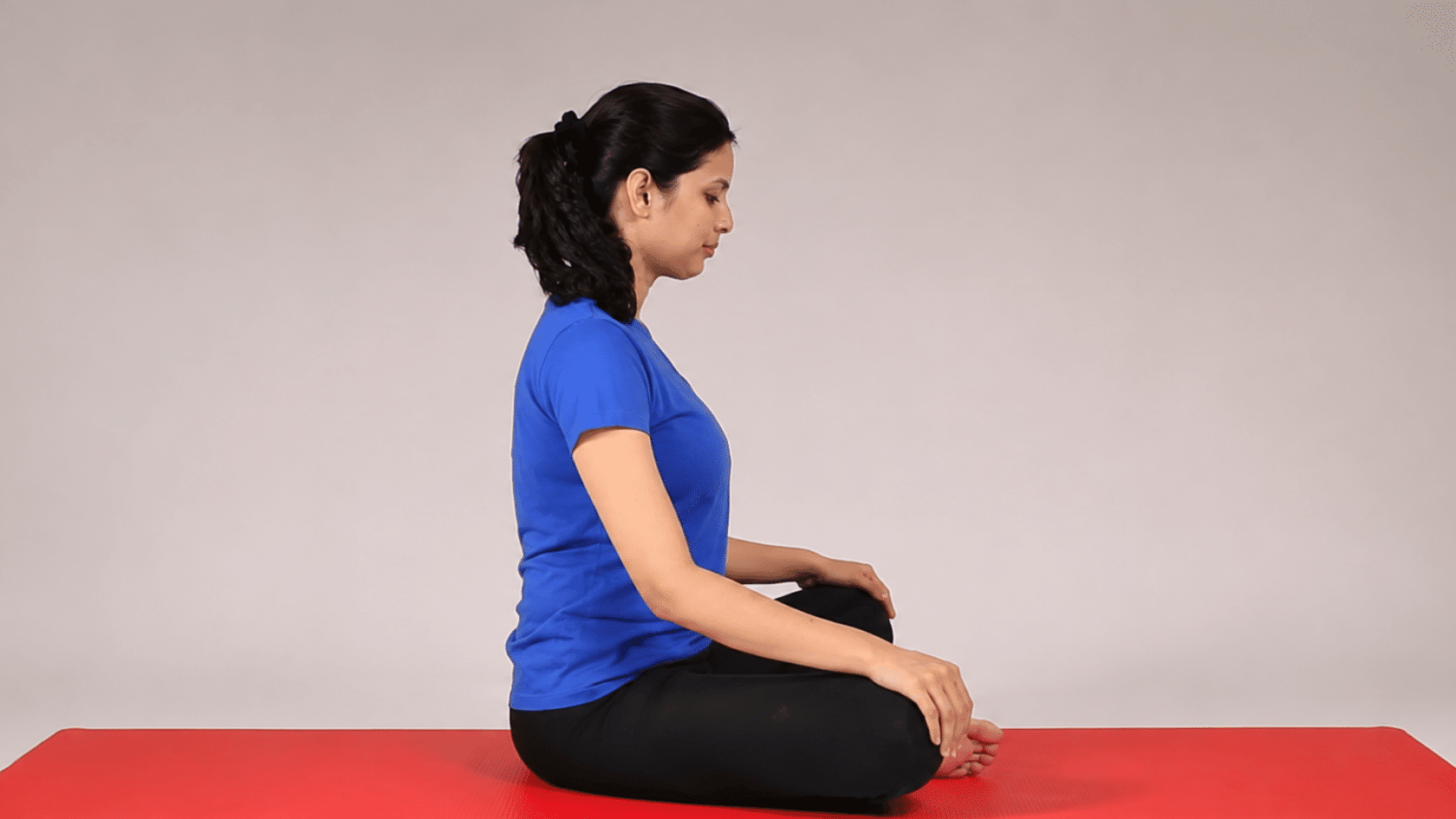
Begin by sitting comfortably on your yoga mat with your legs crossed and hands resting gently on your knees. Keep your spine straight, relax your shoulders, and take a few slow breaths before moving into the pose.
Make sure your hips are balanced and your body feels stable in this starting position. Focus on creating a relaxed posture as you prepare to lower your back onto the mat.
Step 2: Forming the Bound Angle
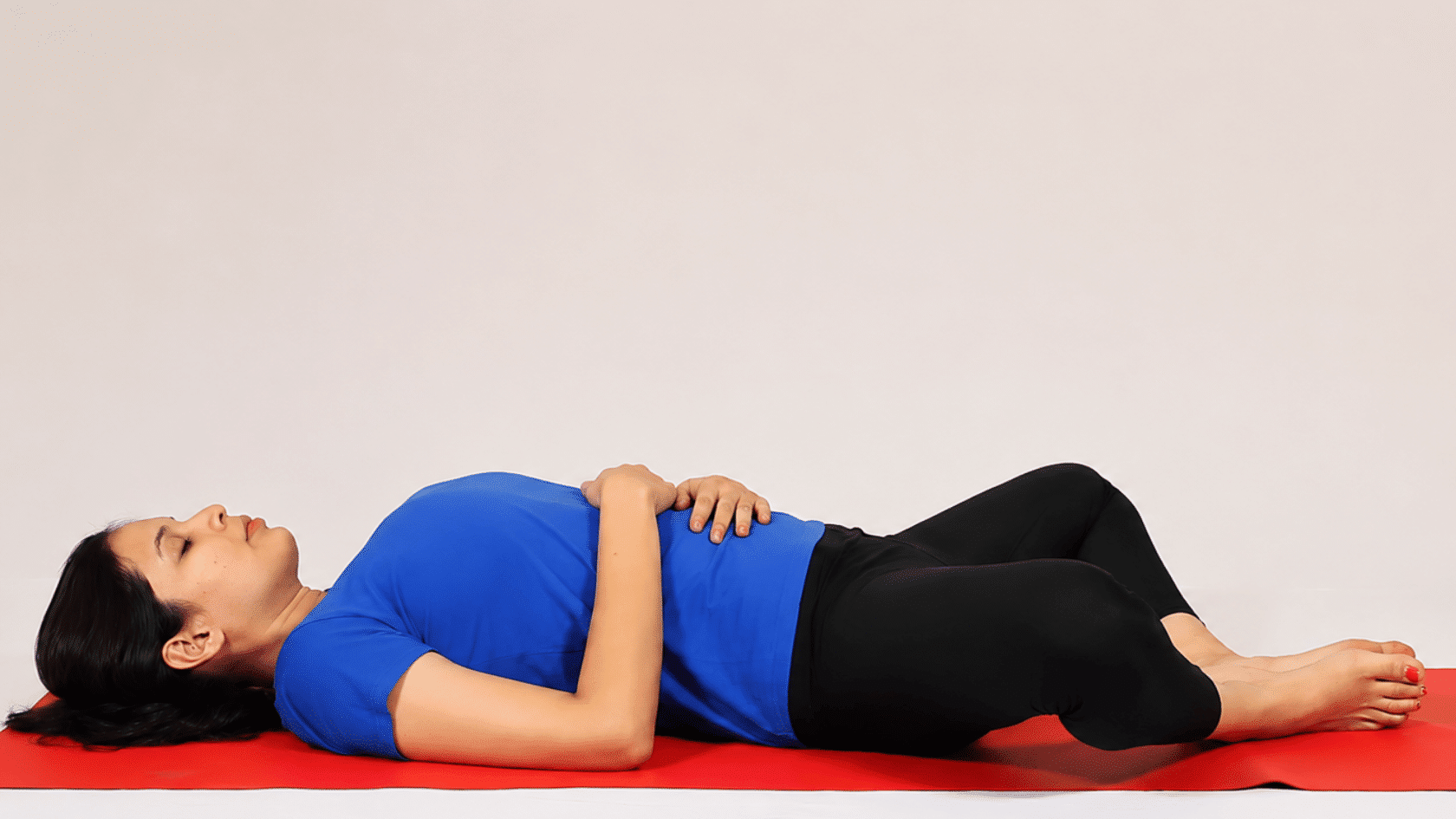
Bend both knees and slowly bring the soles of your feet together so they touch. Allow your knees to fall out naturally to the sides without any pushing or forcing.
Keep your feet at a comfortable distance from your pelvis, not too close and not too far away. Adjust the position based on what feels easy and relaxed for your hips and inner thighs.
Step 3: Arm and Spine Placement
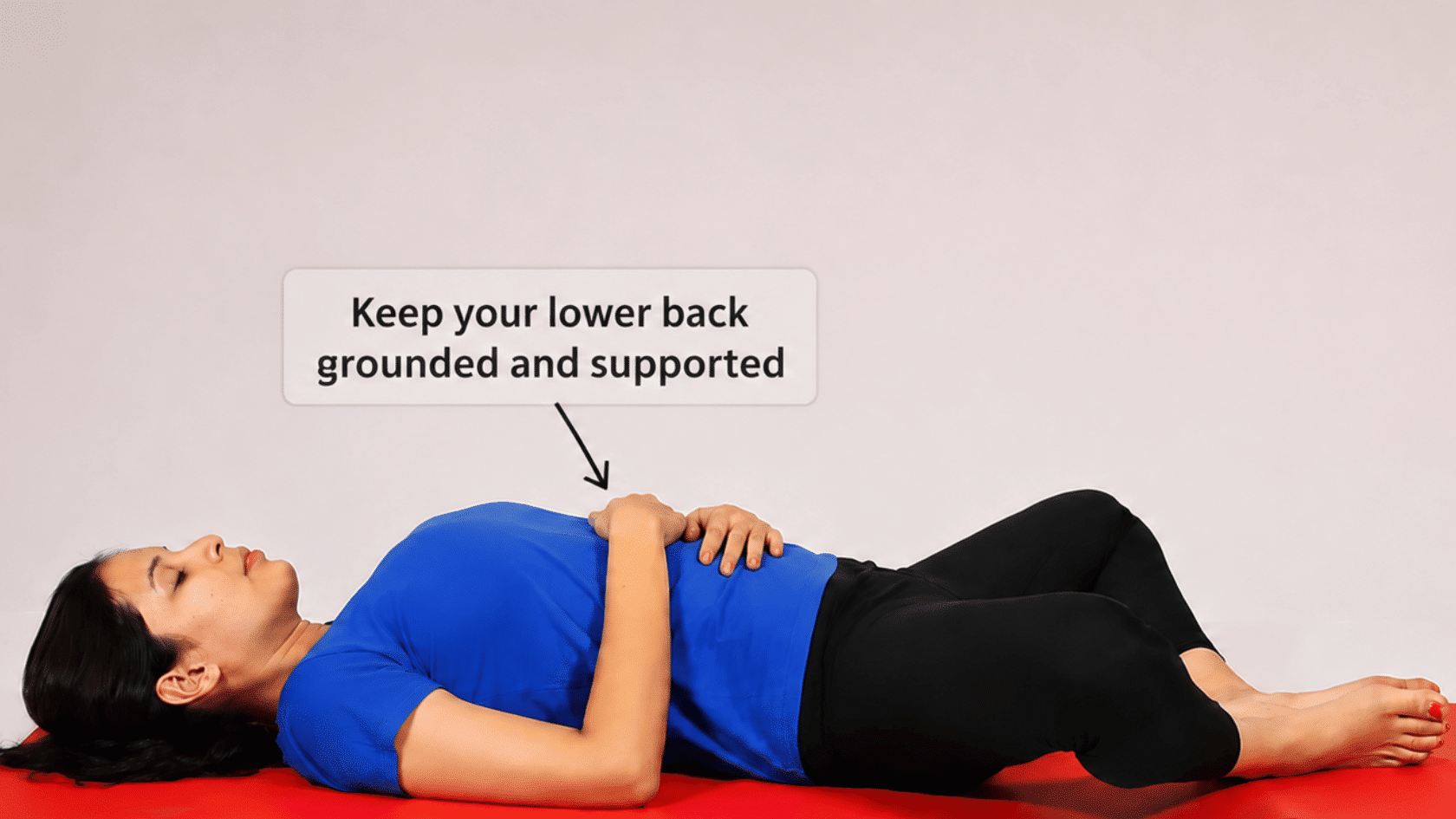
Let both arms rest beside your body with palms facing up toward the ceiling. This simple position helps your shoulders drop away from your ears and allows the chest to open fully.
Check that your lower back is not lifting away from the mat during the pose. If there is a gap, gently tilt your pelvis slightly until your back feels grounded and supported.
Step 4: Relax in the Final Resting Position
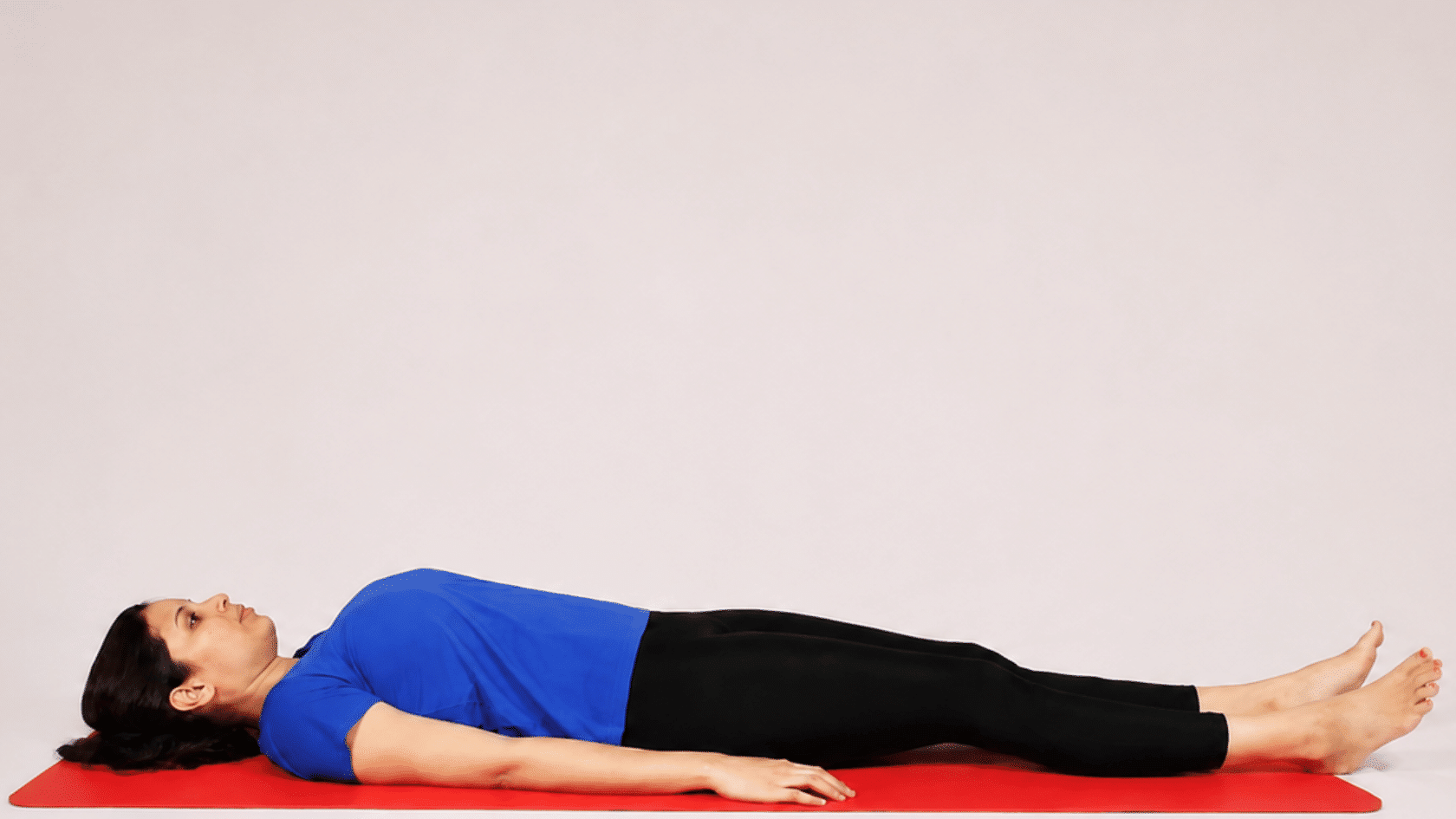
After releasing the pose, extend both legs straight on the mat and allow your body to rest comfortably. Keep your arms relaxed by your sides with your back flat and supported against the floor.
Take a few slow breaths and notice the relaxation through your hips, lower back, and legs before moving into your or resting position.
For a visual reference and better understanding of the movement, you can watch this demonstration video by Yoga & You:
Props to Pose for The Reclining Bound Angle
Using props in the reclining bound angle pose makes the posture more comfortable and accessible for all flexibility levels.
| Prop | Where to Place | Why It Helps |
|---|---|---|
| Bolster or firm cushion | Lengthwise under the spine | Supports the lower back |
| Folded blanket | Under the head | Keeps the neck relaxed and neutral |
| Yoga block or rolled blanket | Under each knee | Removes strain from the inner thighs and hips |
Tip: Start with props and remove them gradually as your flexibility improves over time.
Benefits of Reclining Bound Angle Pose
This pose offers more than just a good stretch. Here is what regular practice can do for the body and mind.
- Hips and groin: Gently opens the hips, groin, and inner thighs without stressing the joints
- Lower body: Reduces stiffness and improves hip mobility with consistent practice
- Lower back: Allows the pelvis to settle into a natural resting position, relieving built-up tension
- Nervous system: Activates the body’s natural rest mode, making the pose feel deeply calming
- Mental health: Helps reduce feelings of anxiety and mental fatigue with steady breathing
- Sleep: Commonly used in restorative yoga and as a pre-sleep pose for its calming effect
Note: Even holding this pose for just three to five minutes a day can bring noticeable changes over time.
Alignment Tips for Safe Practice
Small alignment adjustments can make a big difference in how safe and comfortable reclining bound angle pose feels on the body.
- Knees: Let them fall at a natural height and never press them down toward the floor. Place props underneath if there is any pinching or discomfort.
- Lower back: Keep it gently pressed into the mat throughout the hold. Slide a folded blanket under any gap between the back and floor.
- Shoulders: Keep them flat and relaxed, not creeping up toward the ears at any point.
- Neck: Make sure the chin is not pointing up toward the ceiling. Add more support under the head if the neck feels strained.
Note: Sharp pain anywhere in the body means come out of the pose immediately and add support.
Final Thoughts
Reclining bound angle pose proves that real recovery does not need to be complicated to work. A few quiet minutes on the mat can ease tension that hours of intense activity never quite reach.
The hips open, the lower back releases, and the breath naturally slows down. Practiced consistently, these small shifts add up to lasting calm and better mobility over time.
Anyone can settle into this pose, no matter their flexibility or yoga experience level. A mat, a prop or two, and a few still minutes are all it takes to begin.
Simple, safe, and deeply restorative, reclining bound angle pose is a habit worth building into any routine. Making space for it, even briefly, pays off in how the body feels.
Ready to give it a try? Roll out your mat, follow the steps above, and let reclining bound angle pose do the rest.
Frequently Asked Questions
Can Reclining Bound Angle Pose Help with Period Cramps?
Yes, it can. The gentle opening of the hips and pelvis helps release tension in the lower abdominal area, which many people find relieves cramping during menstruation.
Is it Safe to Practice this Pose During Pregnancy?
It is generally considered safe during pregnancy, but placing a bolster under the spine is strongly recommended. Always check with a healthcare provider before adding any new pose during pregnancy.
How Soon can a Complete Beginner Expect to Feel Results?
Most beginners notice a difference in hip tension and overall relaxation within the first two to three sessions. Consistency matters far more than how long each session lasts.