

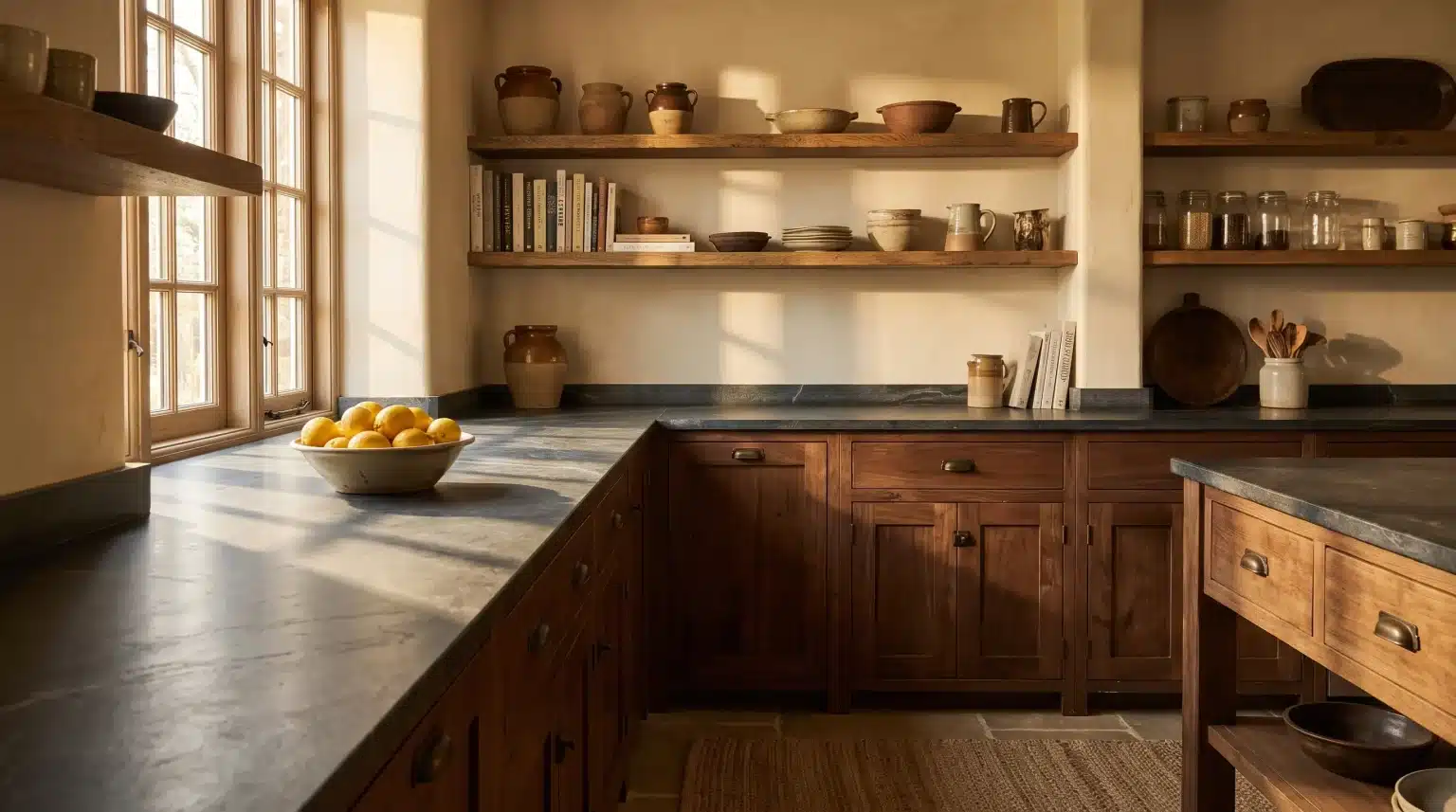
Most of us have lived through the cheap furniture cycle. You buy a couple of flat-pack bookcases, hang thin brass-plated mirrors, and change the dining room rug every two years when the synthetic fibers get matted down. It is an easy way to furnish an apartment in your twenties, but in an actual house, that superficial layer starts wearing thin very fast.
A coat of moody paint does not fix the fact that two people cannot pass each other in the kitchen without bumping into an open oven door. Swapping cabinet pulls does nothing for drawers that stick against warped wooden slides every humid morning.
At a certain point, living in a space forces you to admit that styling cannot compensate for bad structural bones.
The friction starts the moment you try to change something permanent.
You might call a carpenter to build a simple floor-to-ceiling bookshelf along a living room wall, only to find out the plaster underneath is crumbling and the floor joists have sagged an inch and a half toward the center of the room. You want to install a proper stone sink, but the waste pipe behind the drywall is corroded cast iron from the nineteen-fifties.
That is usually the boundary line where light decorating stops and actual building begins.
Real architectural changes demand tradespeople who know how to level uncooperative subfloors, hide steel beams flush inside ceiling joists, and rebuild electrical panels that trip the second you plug in an induction stove. Once you touch the envelope of an older home, the budget has to cover heavy structural labor, not just pretty finishing touches.
The False Economy of Piecemeal Renovations
The common reaction to those big estimates is to break everything into tiny, disconnected projects.
People convince themselves they will tear down the kitchen wall this spring, live with bare drywall through the summer, buy appliances in November, and deal with the countertops whenever their tax return arrives.
On paper, taking things one paycheck at a time sounds like cautious financial management. In practice on a construction site, it is a recipe for broken timelines and compromised work.
A skilled finish carpenter or tile artisan wants to take a room down to the studs, complete their phase, and let the next specialist step in. When you pause a job for two months waiting for funds to replenish, you lose your slot on their calendar. By the time you call them back, they are running jobs across town, leaving your family cooking on a camp stove in the hallway for three seasons.
Natural materials also do not tolerate fragmented purchasing. If you buy three slabs of soapstone or twenty boxes of handmade terracotta tile in May, and then order the rest in October, the second shipment often comes from an entirely different run. The veining is off, the clay tone does not match, and the seamless look you envisioned gets ruined by mismatched batches.
Rethinking How Heavy Renovations Are Funded
Paying for a major architectural overhaul used to mean doing a cash-out refinance on your primary mortgage without a second thought.
That playbook belongs to an era that no longer exists. For anyone holding a three percent mortgage, throwing that rate away just to free up cash for an architect and a cabinet shop would be absurd. It permanently doubles your monthly housing costs for the next twenty-five years.
Relying on floating personal credit cards to carry a sixty-thousand-dollar kitchen overhaul is just as damaging, exposing your daily budget to predatory interest rates the moment supply delays hit.
This practical dilemma is why design-focused homeowners keep their primary mortgage untouched and use a structured home equity loan to secure fixed funding upfront, drawing against built-up property value to cover contractor draws and custom orders on a clear, predictable schedule.
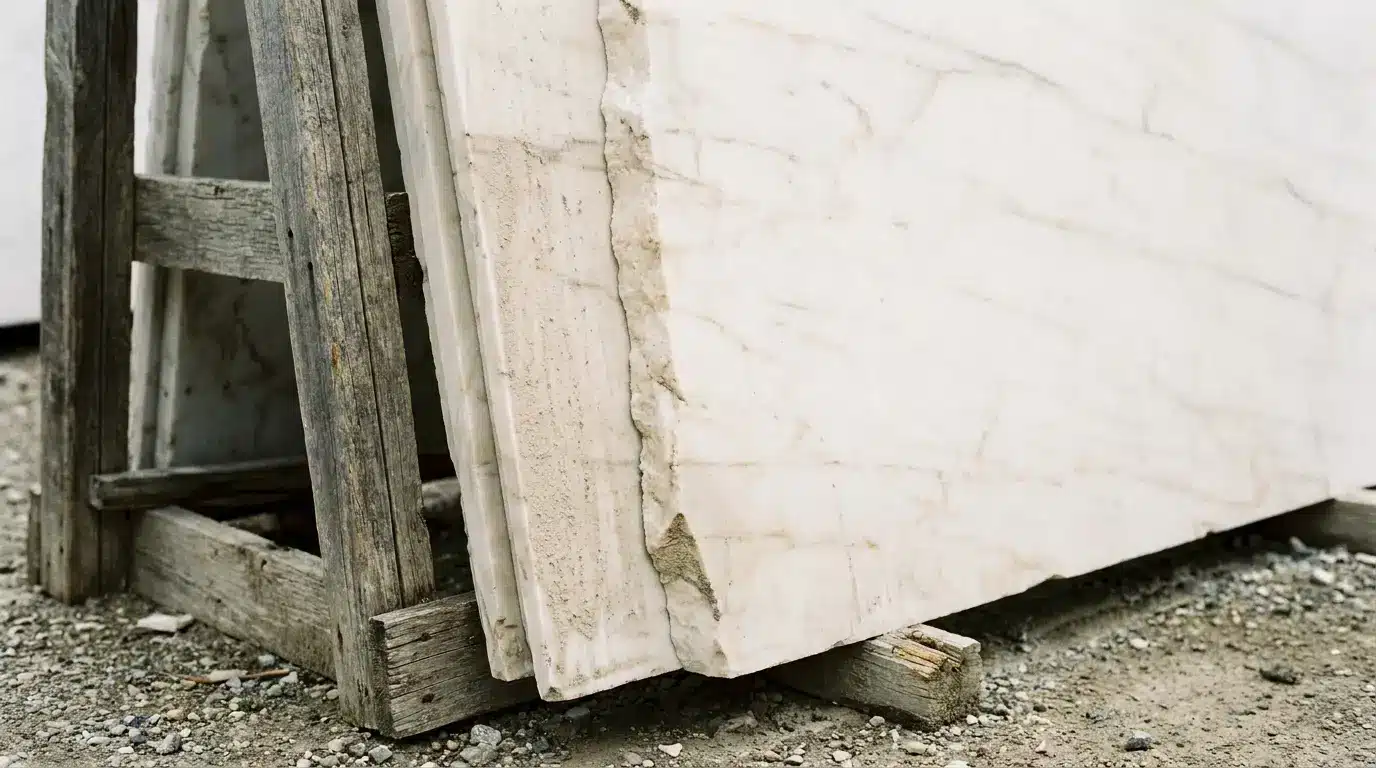
Having dedicated capital sitting ready in a single account changes how a renovation runs. You can order raw lumber packages all at once to lock in trade discounts, secure the exact marble slabs you picked out at the stone yard, and keep your general contractor working five days a week until the final coat of wax goes on the floorboards.
The Tangible Difference of Honest Materials
When funding is locked down and the structural work is handled correctly, you can finally invest in materials that hold their own over time.
Real quarter-sawn oak, solid walnut, and unlacquered hardware carry weight. They quiet down the noise inside a room, take the inevitable scratches of daily life, and slowly develop a soft patina that looks better twenty years down the line than it did on installation day.
There is an unmistakable quietness to a home built with solid timber doors, deep acoustic insulation, and lime plaster walls that breathe naturally through seasonal moisture swings.
You stop treating your home like a backdrop for photos and start living in a place where the surfaces feel heavy, cool, and permanent under your hands.
Designing Around Daily Routines Instead of Catalogues
True luxury inside a house is rarely about flashy fixtures. It is about how smoothly your Tuesday mornings function.
It is having an appliance garage deep enough to hide the toaster and blender so the counters stay clean. It is having a window placed at the exact angle where morning light cuts across your cutting board while the rest of the street is still dark. It is opening up a cramped hallway so natural cross-breezes pull cool air through the bedrooms without running noisy air conditioning units all afternoon.
Conclusion
Those daily pleasures cannot be ordered out of a seasonal home decor catalog. They have to be cut, planed, and built into the physical structure of the house itself.
Taking the time to plan the layout carefully, stripping away the cosmetic shortcuts, and funding the build through a disciplined, predictable structure ensures you only have to build the space once. You get to step back, put away the contractor paperwork, and live in a home that feels steady, practical, and finished for the rest of your life.