

Modern life rarely seems to slow down. Between work deadlines, commuting, travel, family responsibilities, social plans, and trying to squeeze in some time for exercise, many people spend their days constantly moving—or sitting for hours before suddenly rushing from one place to another. Being busy can feel productive, but the body does not always appreciate the pace.
Leg health is one area that can easily get overlooked. When daily routines involve long periods of sitting, standing, driving, traveling, or limited movement, the legs may begin to feel tired, heavy, swollen, or uncomfortable. These symptoms can sometimes be temporary, but persistent changes should not simply be dismissed as another consequence of having a busy schedule.
For people experiencing ongoing discomfort or symptoms associated with vein problems, seeking care for chronic venous insufficiency in Hollywood can be an important step toward understanding what is happening and exploring appropriate treatment options.
Why Busy Lifestyles Can Put Extra Pressure on Your Legs
Our legs work throughout much of the day. Every walk across the office, trip up the stairs, commute to work, workout, shopping trip, and evening stroll places demands on the muscles and circulatory system. At the same time, many modern routines involve surprisingly little movement.
Someone might spend eight hours sitting at a desk, remain seated during a commute, and then spend the evening on the couch. Another person may have a job that requires standing for most of the day. Although these lifestyles look completely different, both can involve prolonged periods in one position.
Movement matters because the muscles in the legs help support the return of blood toward the heart. When movement is limited, the normal circulation process can be less efficient. That does not mean sitting or standing for a few hours automatically causes a vein disorder, but consistently sedentary or demanding routines can contribute to leg discomfort and may make existing vein problems more noticeable.
The Difference Between Being Tired and Something More
After a long day, tired legs are hardly unusual. A little stiffness after traveling or spending hours on your feet may improve after rest, movement, or a good night’s sleep.
The situation deserves more attention when symptoms become frequent, persistent, or increasingly disruptive. Aching, heaviness, swelling, itching, cramping, visible varicose veins, or a feeling of tiredness in the legs can occur with venous conditions. Soffer Health Institute notes that vein-related problems can be associated with symptoms such as achy, tired, cramped, or restless legs.
The important point is not to diagnose yourself based on a single symptom. Leg discomfort can have many causes. Instead, persistent or unusual symptoms can be treated as a reason to speak with a qualified healthcare professional.
Sitting for Long Periods Can Change Your Daily Routine
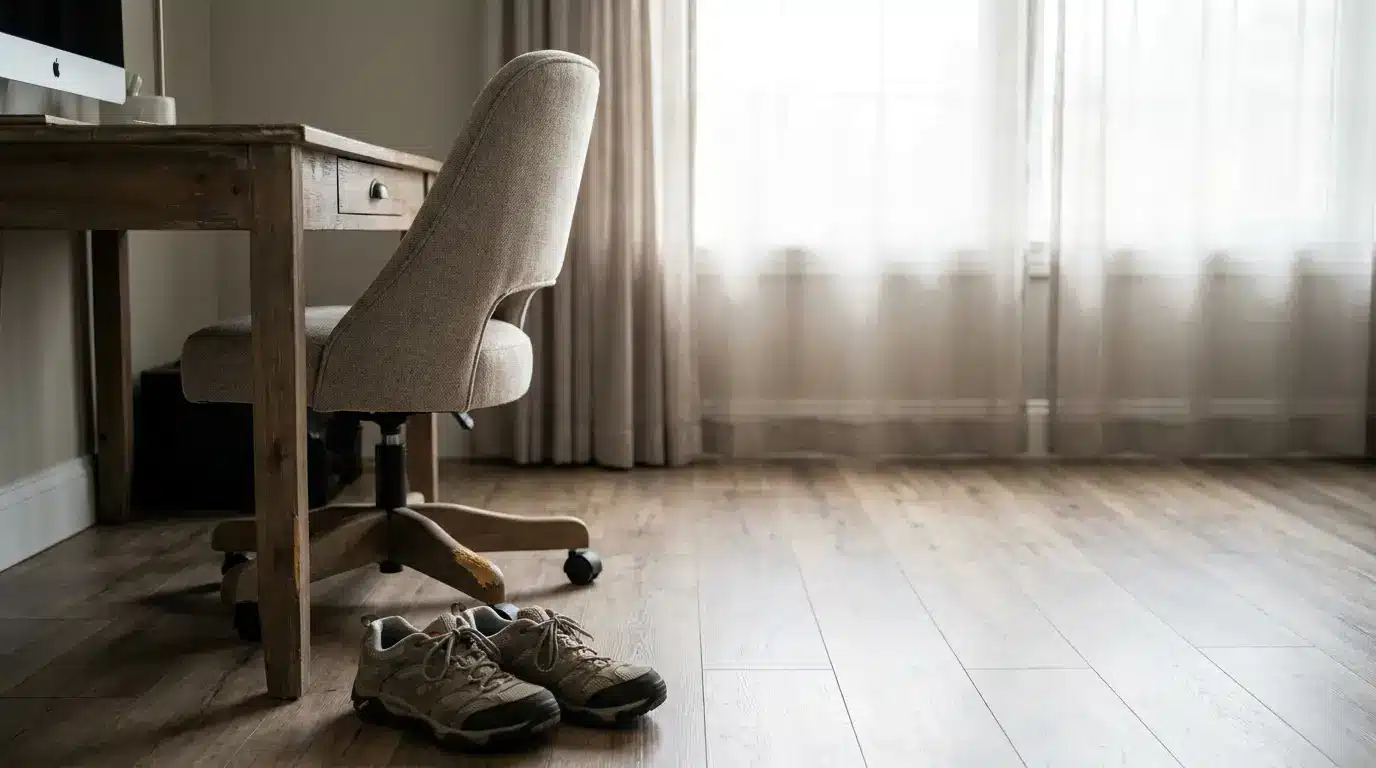
The modern desk job has made prolonged sitting a normal part of life for millions of people. Working on a computer, attending virtual meetings, answering emails, or commuting can keep the legs in roughly the same position for long stretches.
One simple way to make a sedentary routine more movement-friendly is to stop thinking about exercise as something that only happens at the gym. Standing up periodically, walking around during breaks, taking the stairs when practical, and adding short walks throughout the day can make movement feel more achievable.
This approach also fits with the broader idea of sustainable wellness. OBVIOUS MAG’s recent wellness coverage emphasizes practical habits that can fit into real life rather than requiring an unrealistic lifestyle overhaul.
The goal is not to turn every workday into a fitness challenge. It is simply to avoid allowing hours of uninterrupted inactivity to become the default.
Standing All Day Has Its Own Challenges
A common misconception is that leg problems are only associated with sitting. In reality, people who spend most of their working day standing can also experience considerable leg fatigue.
Retail employees, healthcare professionals, hospitality workers, teachers, hairstylists, and many others may spend hours on their feet. Standing in one place for extended periods can feel particularly demanding because the legs are working continuously without the variety of movement that comes with walking.
Changing position, taking appropriate breaks, walking when possible, and wearing comfortable supportive footwear can make a demanding day easier on the legs. However, if discomfort, swelling, or visible veins continue despite reasonable lifestyle adjustments, it may be worth discussing those symptoms with a healthcare provider.
Travel Can Make Leg Health Even More Important
Busy lifestyles often include frequent travel. Long car journeys and flights can involve hours of sitting, while vacations may combine long periods of walking with extended time spent sitting at restaurants, airports, or transportation terminals.
Travel does not have to mean abandoning healthy habits. Getting up and moving when appropriate, stretching during breaks, staying hydrated, and avoiding unnecessarily long periods in one position can help make journeys more comfortable.
People who already experience vein-related symptoms may want to discuss travel considerations with their healthcare provider, particularly if symptoms are persistent or they have previously been diagnosed with a circulatory condition.
Your Legs Can Influence How You Live
Leg health is about much more than appearance. Comfortable, functional legs make it easier to participate in everyday activities without constantly thinking about discomfort.
Think about an ordinary weekend. You might want to walk through a neighborhood, visit a museum, spend time outdoors, exercise, shop with friends, or explore a new destination. When leg discomfort repeatedly gets in the way, activities that should be enjoyable can start feeling like work.
That is why maintaining mobility should be viewed as part of overall wellness. OBVIOUS MAG’s wellness content similarly frames physical health as something connected to everyday habits, movement, energy, and long-term quality of life.
When Lifestyle Changes May Not Be Enough
Healthy habits are valuable, but they cannot address every underlying medical condition. If leg symptoms continue despite making reasonable changes to your daily routine, it may be time to look beyond lifestyle factors.
Chronic venous insufficiency is a condition involving problems with the normal flow of blood through the veins of the legs. Varicose veins and other visible changes can sometimes occur alongside venous disease, although the appearance of a vein alone does not determine the severity or cause of a person’s symptoms.
Professional evaluation can help distinguish between ordinary fatigue and an underlying vein problem. Soffer Health Institute’s Hollywood location provides vein evaluations and treatment for varicose veins, spider veins, and chronic venous insufficiency. Its current Hollywood location is at 2131 Hollywood Blvd., Suite 101, Hollywood, Florida.
Making Leg-Friendly Habits Part of a Busy Day
The best wellness routine is usually one that can survive a busy schedule. You do not need to completely reorganize your life to pay more attention to your legs.
Instead, consider how movement can naturally become part of activities you already do. A short walk after lunch, standing during part of a phone conversation, taking a few minutes to move between tasks, or choosing a walk instead of a short drive when practical can make an otherwise sedentary day more active.
Exercise is also worth approaching realistically. Consistency generally matters more than attempting an ambitious routine that becomes impossible to maintain. Walking, cycling, swimming, strength training, and other forms of physical activity can all be incorporated according to individual abilities and health circumstances.
At the same time, lifestyle habits should complement—not replace—appropriate medical care when symptoms suggest an underlying problem.
Listen to What Your Legs Are Telling You
Busy people are often good at ignoring small signals from their bodies. A little aching becomes something to deal with later. Swelling gets blamed on a long day. Visible veins are considered purely cosmetic. Fatigue becomes part of the routine.
Sometimes those explanations are correct. Sometimes they are not.
Paying attention to changes in your legs does not mean becoming overly concerned about every sensation. It simply means recognizing patterns. If symptoms keep returning, become more noticeable, affect your ability to stay active, or are accompanied by significant changes in the appearance or condition of the legs, professional advice can provide clarity.
Conclusion: Staying Busy Shouldn’t Mean Ignoring Your Health
A busy lifestyle can be exciting, productive, and rewarding, but it should not come at the expense of basic physical well-being. Your legs carry you through workdays, workouts, commutes, vacations, social plans, and the countless small moments that make up everyday life.
Making room for regular movement, avoiding unnecessarily long periods in one position, and paying attention to persistent symptoms can all be sensible parts of a balanced wellness routine. And when leg discomfort or visible vein changes continue, getting professional guidance can help identify whether there is an underlying issue that deserves attention.
Looking after your legs is ultimately about protecting your ability to keep doing the things you enjoy. In a world that constantly tells us to keep moving, it makes sense to make sure our bodies are ready for the journey.