When people think about wellness, they often focus on the things they can easily see or measure. A balanced diet, regular exercise, good sleep, healthy skin, and mental well-being usually receive plenty of attention. Leg health, however, does not always receive the same consideration. Yet our legs play an important role in everyday life, from walking and exercising to standing, working, traveling, and simply moving through the day.
Healthy-looking legs can certainly contribute to confidence, but their importance goes far beyond appearance. Changes such as swelling, heaviness, aching, visible veins, skin discoloration, or persistent discomfort may sometimes be connected to circulation or underlying vein problems. Paying attention to these changes can be an important part of taking care of overall wellness.
For people who live in Arizona and are looking into their options, specialized vein treatment for Scottsdale patients can be considered as part of a broader approach to addressing persistent vein-related symptoms. The goal of professional care is not simply to change how the legs look. Depending on the condition, treatment may also focus on improving comfort, mobility, and day-to-day quality of life.
Why Leg Health Matters More Than You Think
The legs perform a remarkable amount of work every day. They support the body’s weight, help maintain balance, and allow people to move independently. Every walk to the kitchen, trip up the stairs, workout at the gym, or long day on your feet depends on healthy muscles, joints, nerves, and blood vessels working together.
The circulatory system also relies heavily on the legs. Veins in the lower body have the job of carrying blood back toward the heart. Small valves inside many veins help keep blood moving in the right direction. When those valves or vein walls do not function properly, blood can collect in the lower legs instead of moving efficiently upward.
Over time, this can contribute to visible varicose veins and symptoms such as aching, swelling, heaviness, itching, or tired-feeling legs. These symptoms do not automatically mean that someone has a serious medical condition, but persistent or worsening changes deserve attention rather than being dismissed as a normal part of getting older.
The Connection Between Movement and Circulation
Movement is one of the simplest ways to support healthy legs. The muscles in the lower legs contract when a person walks, helping encourage blood to move upward through the veins. This is one reason why staying active can be beneficial for circulation as well as general physical fitness.
That does not mean everyone needs an intense workout routine. Walking, swimming, cycling, stretching, and other forms of moderate activity can be useful ways to keep the legs moving. For someone who spends most of the day sitting at a desk, even getting up regularly and walking around for a few minutes can break up long periods of inactivity.
The same principle applies to people who stand for much of the day. Remaining in one position for hours can leave the legs feeling tired and heavy. Changing positions, taking short walking breaks, and giving the legs opportunities to move can make a difference in everyday comfort.
When Tired Legs May Be More Than Ordinary Fatigue
It is completely normal for the legs to feel tired after a long hike, an intense workout, or a particularly busy day. The difference is that ordinary fatigue generally improves with rest.
Persistent heaviness or discomfort can be worth paying closer attention to, particularly when it occurs alongside swelling, skin changes, cramping, itching, or prominent veins. Some people also notice that their symptoms become more noticeable after prolonged sitting or standing and feel better after resting or elevating their legs.
These patterns do not provide a diagnosis on their own. Many different factors can affect how the legs feel. Age, genetics, body weight, pregnancy, occupation, activity levels, and previous vein problems can all play a role in a person’s vascular health.
The important point is to notice changes instead of automatically assuming they are simply part of aging or a busy lifestyle.
Varicose Veins Are Not Only a Cosmetic Concern
Varicose veins are often discussed in terms of appearance because they can create prominent blue, purple, or twisted veins beneath the skin. For some people, they may be primarily a cosmetic concern. For others, however, they can be accompanied by physical symptoms.
Aching, swelling, heaviness, burning, itching, or nighttime leg cramps can sometimes occur alongside varicose veins. In some cases, symptoms can interfere with activities that a person normally enjoys, such as walking, exercising, traveling, or spending time outdoors.
This is why the conversation around healthy legs should go beyond appearance. Looking at the legs is one part of the picture, but understanding how they feel and function is equally important.
Someone may have visible veins without significant symptoms, while another person may have relatively subtle external changes but experience considerable discomfort. Every situation is different, which is why professional evaluation can be useful when symptoms persist.
Everyday Habits That Support Healthier Legs
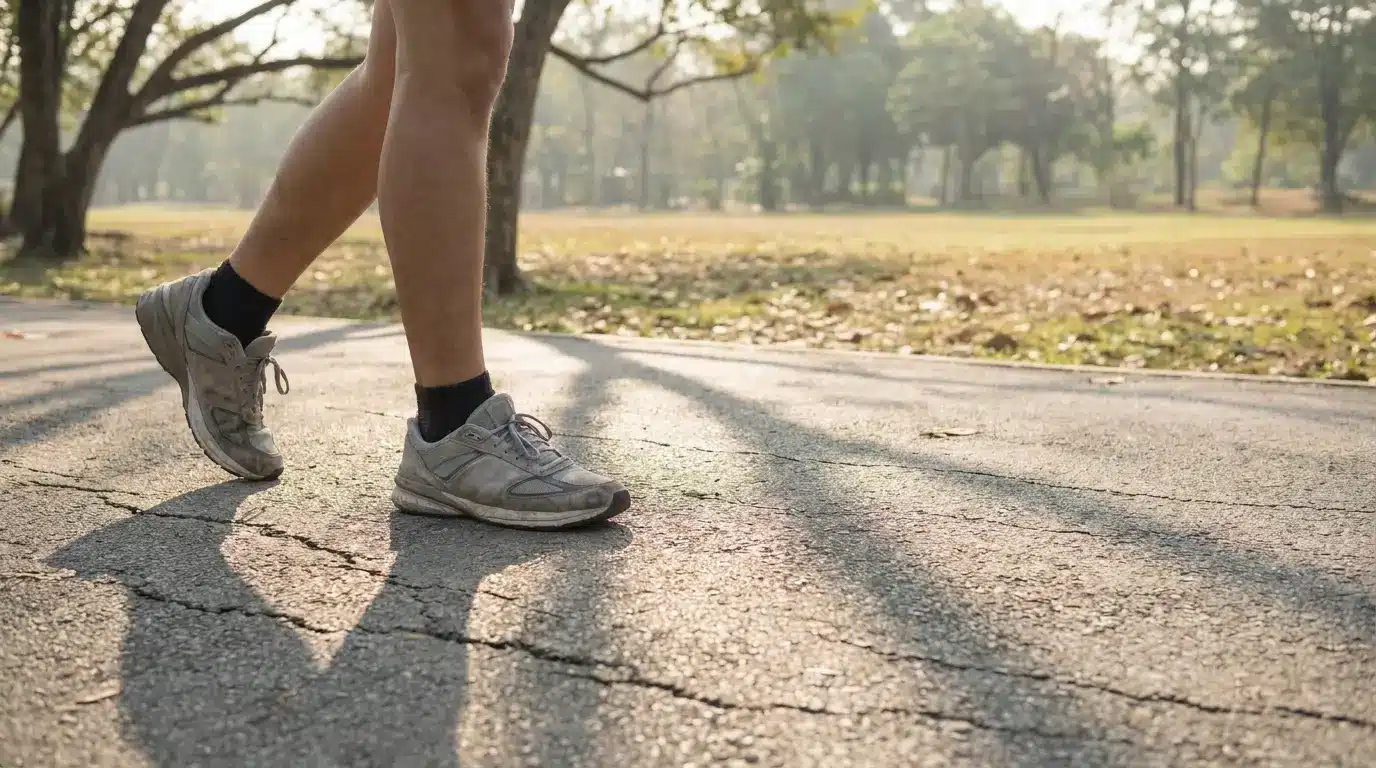
Healthy legs are supported by the same basic habits that contribute to overall wellness. Regular movement, balanced nutrition, maintaining a healthy body weight, staying hydrated, and avoiding long uninterrupted periods of sitting can all fit into a practical approach to leg health.
Walking is particularly accessible because it does not require expensive equipment or a complicated training plan. A person can incorporate more movement into an ordinary day by taking a short walk during a break, choosing stairs when appropriate, walking after meals, or simply spending less time sitting continuously.
Rest also matters. After a physically demanding day, allowing the body to recover is just as important as staying active. Some people find that elevating their legs while resting helps them feel more comfortable, especially after spending many hours standing.
These habits are not a replacement for medical care when a vein problem is suspected. Instead, they are part of a broader lifestyle approach to maintaining mobility and supporting general well-being.
Your Skin Can Also Provide Clues
The skin on the legs can sometimes change when circulation is affected. People may notice differences in color, dryness, irritation, or texture, particularly around the lower legs and ankles.
A new or persistent skin change should not automatically be attributed to a vein problem because many skin conditions have similar appearances. However, when skin changes occur together with swelling, visible veins, aching, or a feeling of heaviness, it may be worth discussing them with a healthcare professional.
This is another reason why wellness involves more than looking at one symptom in isolation. Paying attention to patterns can help people recognize when something has changed from their normal baseline.
When Professional Vein Care May Be Worth Considering
Lifestyle habits can support healthy legs, but they cannot correct every underlying vein problem. When symptoms continue despite reasonable self-care, a professional evaluation can help determine what may be happening.
A vein specialist can review symptoms, medical history, lifestyle factors, and visible changes in the legs. Depending on the situation, diagnostic testing such as an ultrasound may be used to understand how blood is moving through the veins.
Treatment is not automatically necessary for every person with visible veins. When treatment is appropriate, options can vary depending on the type and severity of the vein condition. Modern vein care may include minimally invasive approaches, but the most suitable option should be determined after an individual assessment.
Healthy Legs Can Support an Active Lifestyle
One of the biggest reasons to take leg health seriously is that comfortable legs make it easier to stay active. When walking becomes uncomfortable or the legs regularly feel heavy and swollen, people may gradually reduce the activities they once enjoyed.
That can create an unfortunate cycle. Less movement can contribute to lower fitness and reduced muscle strength, while discomfort can make activity feel even less appealing.
Looking after leg health can therefore be part of protecting an active lifestyle. Whether someone enjoys hiking, traveling, running errands around town, exercising at a gym, or taking an evening walk, healthy and comfortable legs make everyday movement easier.
Knowing When to Pay Attention
Not every leg ache is a warning sign. After physical activity, temporary soreness is expected. However, sudden or significant swelling, severe pain, unusual redness or warmth, skin ulcers, bleeding from a vein, or major changes in symptoms should not be ignored.
Some symptoms can also require urgent medical attention, particularly sudden swelling or pain affecting one leg or symptoms involving chest pain or difficulty breathing. These can have causes unrelated to ordinary varicose veins and require prompt medical evaluation.
For ongoing concerns that are less urgent, scheduling a professional assessment can provide a clearer understanding of what is happening and whether any treatment or monitoring is appropriate.
Conclusion
Healthy legs are about much more than appearance. They contribute to mobility, independence, physical activity, comfort, and the ability to enjoy everyday life. While visible veins may be the first thing that catches someone’s attention, symptoms such as persistent heaviness, swelling, aching, itching, or skin changes can provide a reason to look deeper.
Simple habits such as regular movement, taking breaks from prolonged sitting or standing, maintaining a healthy lifestyle, and paying attention to changes in the legs can all support better overall wellness. When symptoms persist or interfere with daily activities, professional evaluation can help identify whether an underlying vein problem is involved.
Taking care of your legs is ultimately another way of taking care of yourself. Wellness is not limited to what is visible in the mirror. It is also about how comfortably and confidently your body allows you to move through life.