Ordering personalized headwear looks simple until you open a product catalog and find forty options.
Silhouettes, closures, crown heights, and decoration methods all interact, and choosing badly on any one of them shows up in the finished piece.
The good news is that the decisions come in a fixed order, and each one narrows the next. Work through them in sequence, and the process takes twenty minutes rather than an afternoon.
Key Takeaways
- Pick the silhouette first, because the style you choose limits which decoration methods are available to you.
- Embroidery suits logos and lettering, while print methods handle photographic and full-color artwork that stitching cannot reproduce.
- Regular embroidery typically caps out around six thread colors, so multicolor artwork needs the unlimited color option instead.
- Vector files scale cleanly and are what most decorators want, especially for stitched designs.
- There is no minimum order with print-on-demand platforms, so ordering a single piece for yourself is as valid as ordering for a team.
- Volume discounts kick in at meaningful quantities, with savings of up to 55% available on orders of at least 25 units.
- Made-to-order production means no unsold inventory, which is why the model works for both individuals and sellers.
Step One: Choose the Silhouette
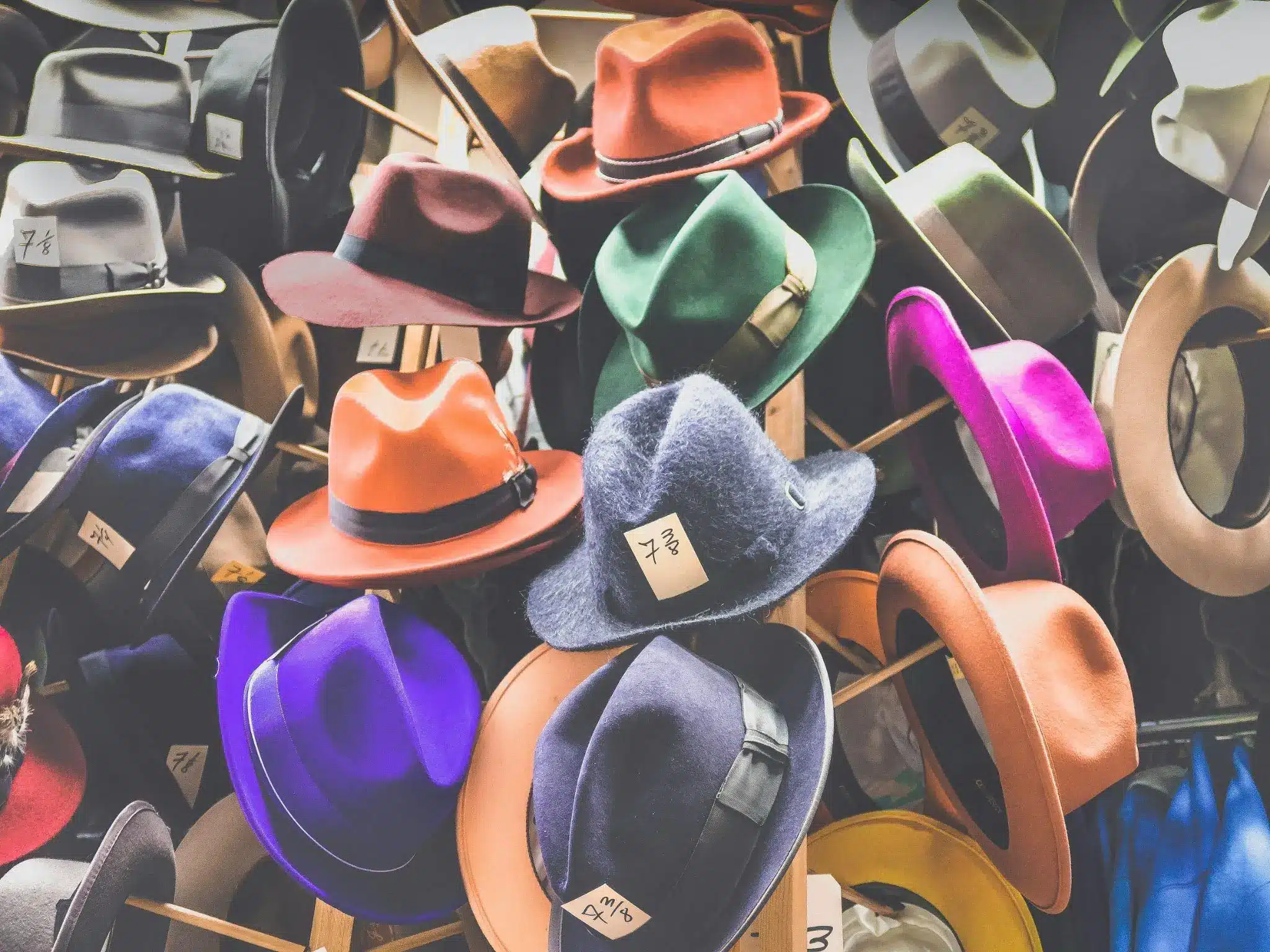
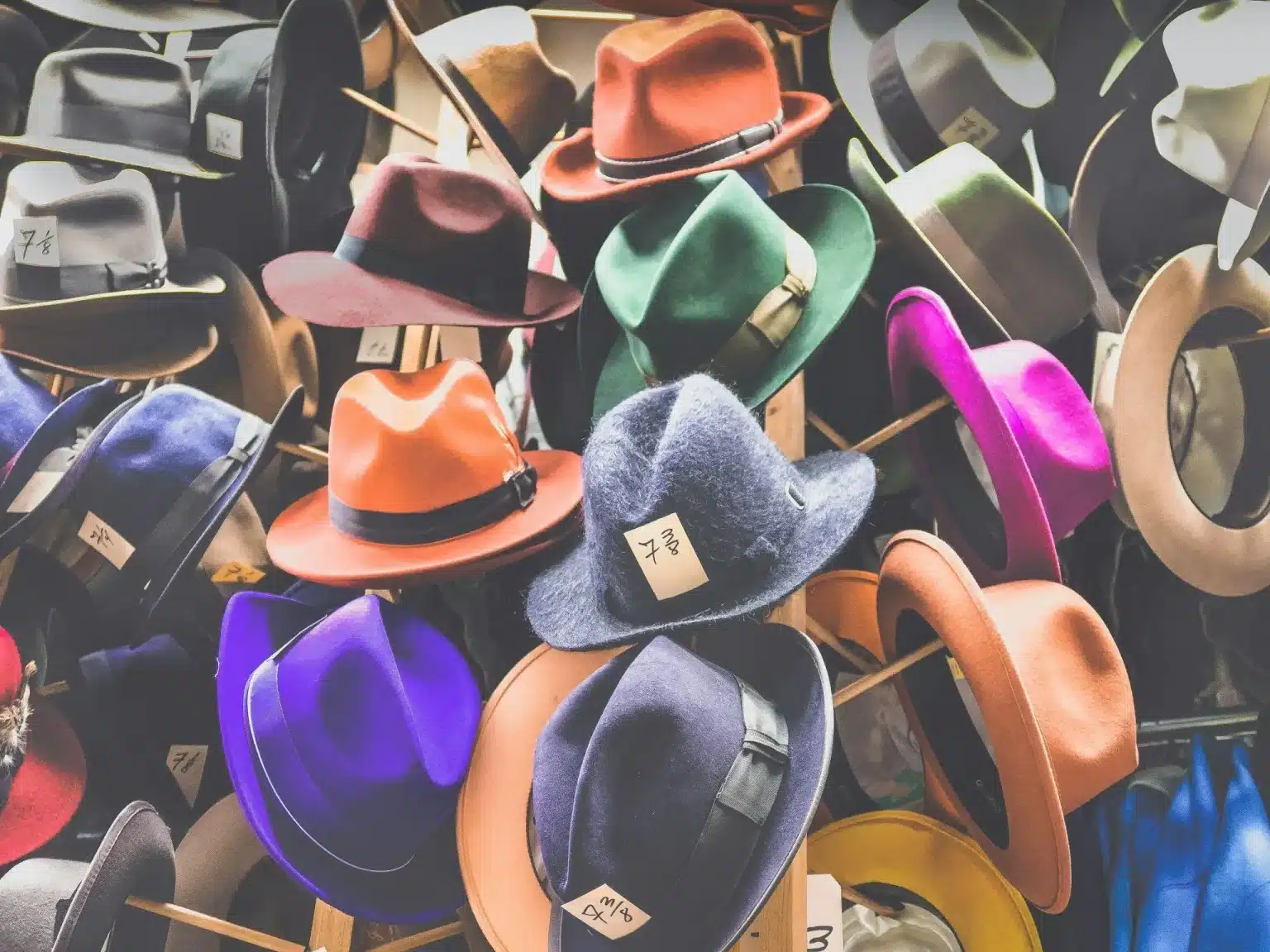
Style comes first because everything else depends on it. A structured baseball cap, a soft dad hat, a trucker with a mesh back, and a bucket hat all sit differently on the head and carry decoration differently.
Think about who wears it and where. Trucker caps and snapbacks suit casual and streetwear contexts, dad hats read as understated everyday wear, beanies cover cold-weather use, and visors and bucket hats belong to outdoor and summer settings.
Crown structure matters more than most people realize. Structured crowns hold their shape and give embroidery a firm surface to sit on, while unstructured crowns are more comfortable but less forgiving of dense stitching.
Catalogs at this level are broad. Printful, a print-on-demand company that produces and ships each item as it is ordered, offers a wide range of customizable hats and caps across trucker, bucket, snapback, dad hat, beanie, and baseball styles, which is enough to cover most briefs without compromise.
Step Two: Pick a Decoration Method
This is where most first-time orders go wrong. The method has to suit both the artwork and the blank, and not every method is available on every style.
| Method | Best for | Colors | Finish |
|---|---|---|---|
| Regular embroidery | Clean logos and text | Up to 6, from a palette of 15 | Classic, raised stitch |
| Unlimited color embroidery | Detailed or multicolor logos | Unlimited | Premium, high-detail stitch |
| DTFlex | Photo-realistic and bold graphics | Full color | Sharp, flexible print |
| Sublimation | Edge-to-edge designs | Full color | Vibrant, resists cracking and fading |
Regular embroidery is the default for a reason. It is durable, it looks premium, and it handles the kind of clean logo and lettering work that most brands and teams actually need.
The color ceiling is the constraint to watch. If your logo has a gradient or more than six colors, regular embroidery will force a simplification, and unlimited color embroidery exists precisely for that case.
Print methods solve a different problem. DTFlex handles photographic detail and bold graphics that stitching flattens, while sublimation covers the whole piece edge to edge on cut-and-sew styles.
Step Three: Prepare the Artwork
Vector files are the safest format to supply. They scale to any size without degrading, and they translate more predictably into stitch paths than a raster image does.
Simplify before you upload rather than after. Fine lines, small text, and tight detail that look crisp on screen can disappear at the scale of a cap front, and catching that early saves a sample round.
Consider placement as part of the design. Front panel, side, back, and underbrim positions each suit different artwork shapes, and a wide horizontal logo rarely works in a spot built for a compact mark.
Step Four: Place the Order
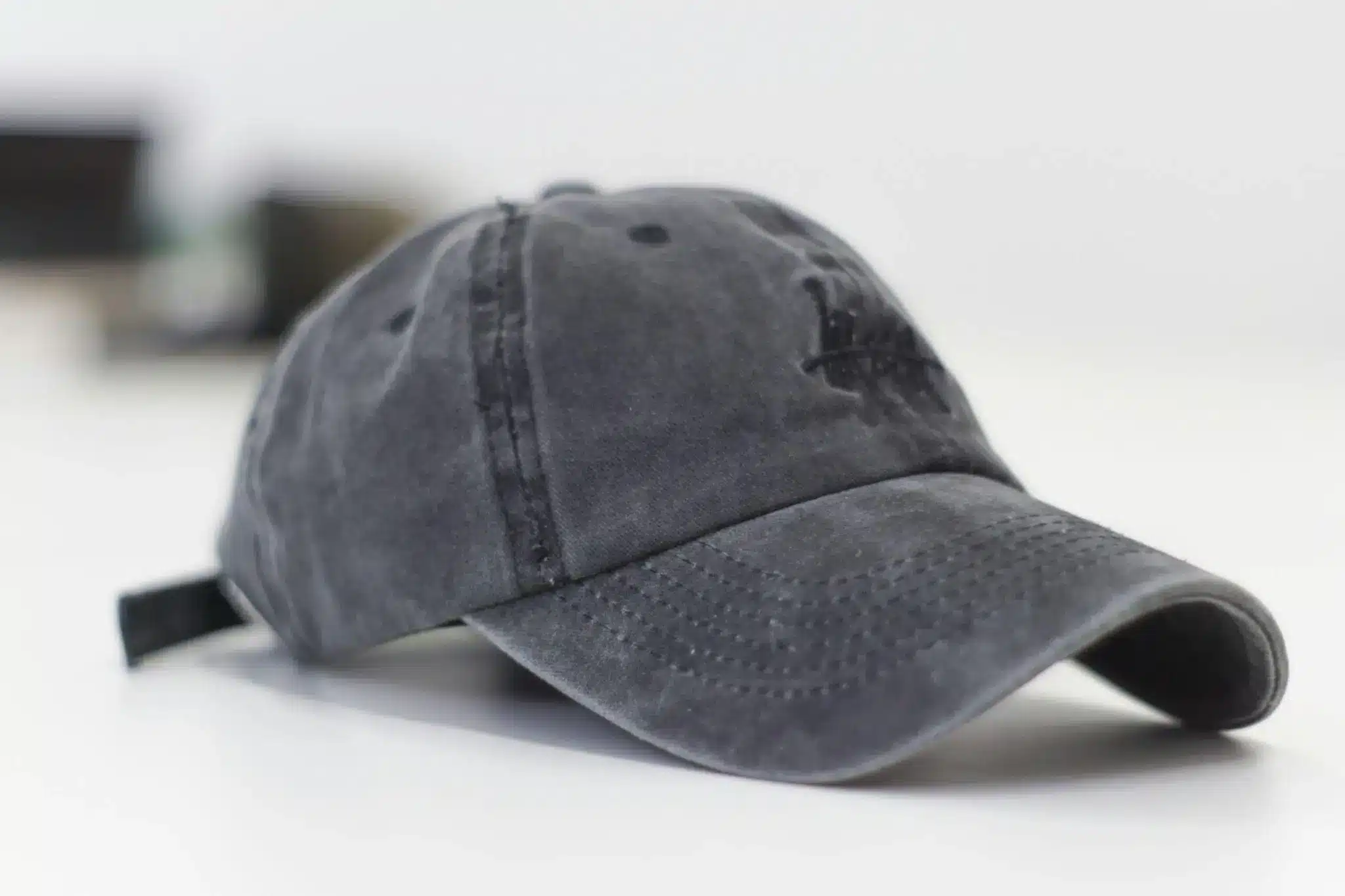
Once the style, method, and artwork are settled, ordering is short. You open the product catalog, pick your style and size, apply your design in the free design tool by uploading artwork or adding text, review the quote, and confirm.
The important thing to understand is that this is not a wholesale channel with a gatekeeper. You can order custom hats one at a time through Printful with no minimums, whether you want a single embroidered cap with your own logo on it or a full run for a club, and the free hat designer previews the result before you commit.
Printify operates on a similar made-to-order model if you want to compare platforms before deciding.
That single-unit flexibility changes what the format is useful for. A birthday gift, a one-off piece for yourself, a sample before a bigger run, and a team kit all use the same process.
What Actually Drives the Price
Four things move the number. The blank itself, the decoration method, the number of decoration placements, and the quantity you order.
Blanks vary by brand and construction, so a premium branded cap costs more than a basic one before any decoration is applied. Decoration then adds on top, and stitched methods generally cost more than printed ones because they take longer to produce.
Placements multiply. A front logo is one cost, and adding a side and a back mark means three separate decoration runs on the same piece.
Quantity is the biggest lever if you have volume. Ordering at least 25 units brings savings of up to 55%, with pricing that updates automatically as quantities grow, so the per-unit cost at team scale looks very different from the cost of a single piece.
What Happens After You Order
Made-to-order production means nothing is sitting in a warehouse waiting for you. Your piece is produced once the order is placed, which is what removes the overproduction and unsold stock problem from the model entirely.
Quality checking happens before dispatch. Where a manufacturing error does occur, a free reprint or refund is the standard remedy, which is worth knowing before you worry about a single misplaced stitch.
Fulfillment is distributed rather than centralized. International fulfillment centers mean orders route from a location closer to the destination, and support is available around the clock if something needs chasing.
If You Are Ordering to Sell Rather Than to Wear
The process is the same, with one addition. Connect your store, and orders placed by your customers route straight into production without you touching them.
Live pricing before publishing is the part sellers underuse. Knowing your cost per unit before a product goes live means you set margins deliberately rather than discovering them after the first sale.
Mistakes Worth Avoiding
Choosing the style last is the most common. People fall in love with artwork, then find their chosen method is unavailable on the silhouette they wanted.
Over-detailing artwork is the second. Designs that look sophisticated at screen size frequently turn muddy when reproduced at three inches wide in thread.
Ordering at volume without sampling is the third. A single unit costs little relative to a run of 50, and seeing the real thing resolves color and placement questions that no mockup fully answers.
Conclusion
The sequence is what makes this manageable. Style, then method, then artwork, then order, with each choice narrowing the next rather than reopening it.
Most disappointing results trace back to skipping a step or reversing the order. Artwork designed before you choose a method, or volume ordered before you see a sample, are the two failures that cost real money.
Start with one piece if you are unsure. The cost of testing is small, and what you learn about scale, placement, and color carries straight into whatever you order next.
Frequently Asked Questions
Can I really order just one?
Yes. Made-to-order production means there is no minimum order volume, so a single piece is a normal order rather than an exception.
Which method lasts longest?
Embroidery is the most durable option for logos and lettering. Sublimation holds up well on the styles it is available for, since the color is bonded rather than sitting on the surface.
What file format should I supply?
Vector wherever possible, since it scales without quality loss. High-resolution raster files can work for print methods but are less reliable for stitching.
Do I need design skills?
No. Built-in design tools let you upload a logo, add text, and preview the result without any prior experience.
Can I put a design on more than one spot?
Usually yes, though each additional placement adds cost. Confirm which positions your chosen style supports before finalizing the design.