


The daily routine for many dogs includes car travel. While a shorter ride might just represent an opportunity to get some exercise in a different location, a longer car ride may be for holidays, moving to a new home, or traveling to visit family. There are two extremes when it comes to dogs and their feelings about car rides. On one hand, there are those that love jumping in the vehicle. On the other hand, some feel anxiety as soon as they hear the engine start up.
Not all trips need to be stressful on your dog. It’s about providing safe methods of restraint; keeping them at a comfortable temperature; taking regular breaks; and preparing properly for each trip. By being aware of what you can do to help minimize common issues associated with pet travel, you may find that the stress level for your dog decreases because you have planned according to its needs.
Start with Safe Restraint
One of the most common errors when traveling by car with your pet is letting them roam freely in the vehicle.
When an unsecured pet roams the vehicle, they can be a distraction to the driver. They could climb up onto the seat next to you, or even get thrown to the front of the vehicle if there is a sudden stop.
Even if your pet is generally very laid back, they can still react in unpredictable ways as a result of a noise, other animals, or movement.
To limit this type of movement while driving, it is recommended to use a properly secured travel crate, carrier, or appropriately fitted crash-tested restraint designed for vehicle travel and suitable for your dog’s size.. There are many types of carriers available; some carriers are designed specifically for vehicle travel, while others are intended primarily for walking or short outings..
In addition to using the proper equipment, dogs need space to sit, stand, turn around and lie down comfortably.
Help Your Dog Get Used to the Car
A lengthy trip doesn’t have to be your dog’s very first exposure to an automobile ride.
If you’re concerned about your dog being fearful or anxious, he will likely find it helpful for him to become accustomed to the automobile. At least initially, this may simply involve your dog spending some time inside the automobile while it is stationary. Gradually progressing from sitting in a stationary car to short, calm drives can help your dog develop a more positive association with car travel.
Compelling a nervous dog to participate in an extended automobile trip without preparing them may cause their fear to intensify and make traveling even more stressful in the future.
Generally speaking, creating as much of a peaceful an environment as possible during your dog’s initial encounters with automobiles is better than constantly distracting your dog and encouraging excessive enthusiasm.
Create a Comfortable Travel Space
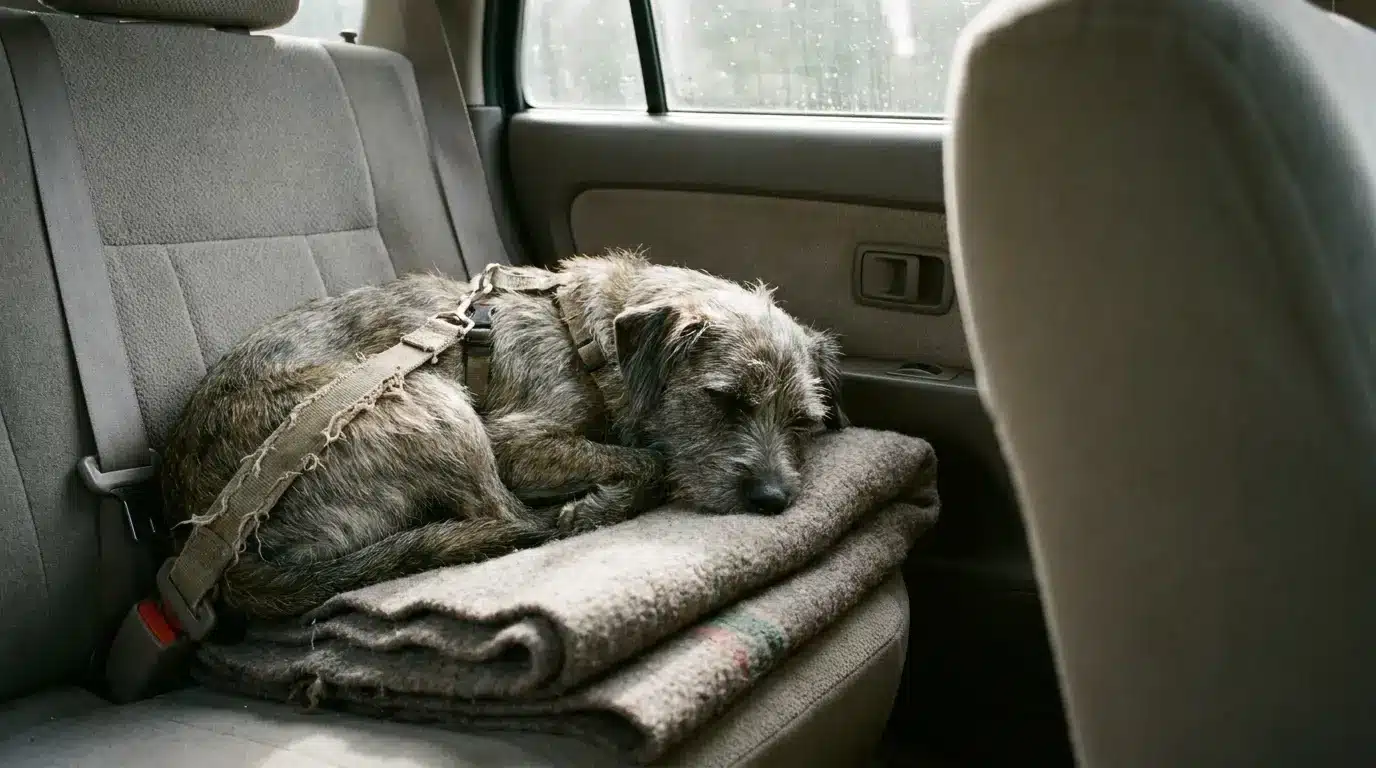
Dogs typically settle in quickly as long as the area they are traveling in is a familiar location.
Blankets or bedding with an odor from home (cleaned) will aid your pet’s comfort.
Ventilation for the dog should be available, but the dog should not be exposed to direct strong air conditioning or extremely high airflow.
All loose objects should be secured. Loose objects inside the car can swing violently during sudden braking, causing fear or injury to the dog.
The idea of comfort doesn’t relate to the amount of room the dog has. A dog able to roam freely across both sides of the vehicle could become unbalanced and unstable while turning and stopping.
Manage Temperature Carefully
Cars can quickly get extremely hot or cold inside of them for such a short time.
Don’t assume opening a window slightly will save your car from extreme temperatures while you are away. Cars can heat up fast regardless of how high the outside temperature seems.
Dogs are especially at risk for becoming too hot due to their inability to cool themselves by perspiring as humans do. Panting heavily, an increase in drool, lethargy, or an abnormal amount of restlessness could all be signs that your dog is having trouble with the temperature.
You shouldn’t leave your dog alone in a car just because you expect it will only take a little while to make the trip.
Plan Regular Breaks
Long trips can be less stressful for both you and your dog if he is allowed time to relax and have opportunities to eliminate during the trip.
When it is time to take a break, select a good area that will be free of moving vehicles and make sure the dog remains under control; even though dogs have reliable recall, they could become confused or fearful due to being in an unknown environment.
Taking breaks also allows for the chance to give the dog some water as well as assess his stress level associated with traveling.
The number of times to stop and allow the dog to get out of the vehicle can vary depending upon many factors, including the age of the dog, the health of the dog and how long the dog has been traveling.
Feeding and Motion Sickness
Some dogs get sick in the car from motion sickness. Eating a big meal right before you go out may make your dog even sicker. If you know that your dog is going to get carsick, then you’ll probably want to adjust their eating schedule as needed.
Signs of your dog being nauseated could be: Drooling excessively, swallowing repeatedly, licking his lips Restlessness Vomiting Also, don’t try to give your dog something new for treats (or many) while you’re traveling. The act of traveling can cause digestive problems and adding a bunch of new foods at once may also raise the risk of vomiting or diarrhea.
Common Mistakes Owners Make
Several habits can make car travel less safe than expected.
Letting the Dog Ride with Its Head Outside the Window
Dogs may find the experience enjoyable due to the smells and feeling of the wind. However, when dogs are in this position, their eyes and faces are exposed to dust, debris, insects, etc., and they can easily encounter an object that could cause them harm. Additionally, it increases the likelihood of injury to the dog during travel if they try to jump or lose their footing.
Leaving the Dog Loose in the Front Seat
The front seat can be one of the most hazardous areas for dogs because drivers may be distracted while driving. As such, it would be best to designate a particular area in the vehicle where your dog will ride and keep that area far away from the control panels.
Opening Doors Without Checking the Surroundings
A new dog may take advantage of an open door at the first opportunity to get out. Be certain that you secure your dog with some type of leash prior to releasing them from a vehicle.
Assuming a Tired Dog Is Always a Comfortable Dog
You may exhaust your dog by exercising them before a trip, but you may not alleviate their travel anxiety. In addition, a dog can be physically tired while still feeling anxious or overstimulated. The best way to help your dog feel calm about traveling is to establish a calming pre-travel routine.
Recognizing Signs of Travel Stress
While some dogs will express anxiety by panicking or barking at the first sign of movement, others display more subtle signs of anxiety, including extreme quietness, refusal of treats, shaking, excessive panting, and tension during the entire trip. Other signs include pacing, whining, or repeated attempts to escape from its restraints. If these behaviors continue or worsen, you should consult with an expert about how best to prepare your dog for a safe and enjoyable travel experience. Also, if you have concerns about persistent anxiety or motion sickness for a longer trip, consider consulting a veterinarian before traveling.
Prepare for Unexpected Delays
Travelers encounter traffic jams and inclement weather that can cause delays. Keeping additional supplies of food, water, waste bags, cleaning supplies, medications (if prescribed), and tags or phone numbers attached to the dogs collar can help alleviate potential emergencies. Preparing ahead of time is crucial when avoiding what could be minor setbacks from becoming major stressors.
Conclusion
Preparing your dog for safe car travel requires planning for preparation, proper restraint, comfort and individual needs of each dog. Using gradual exposure to traveling while providing regular rest stops, controlling temperatures and ensuring a comfortable and secure space in the vehicle will minimize most common issues associated with car travel.
Additionally, avoid making common mistakes, such as having your dog run free inside the vehicle or leaving your dog unattended in a vehicle parked in the sun. A well planned and relaxed approach to car travel will allow both you and your dog to enjoy this form of transportation.