

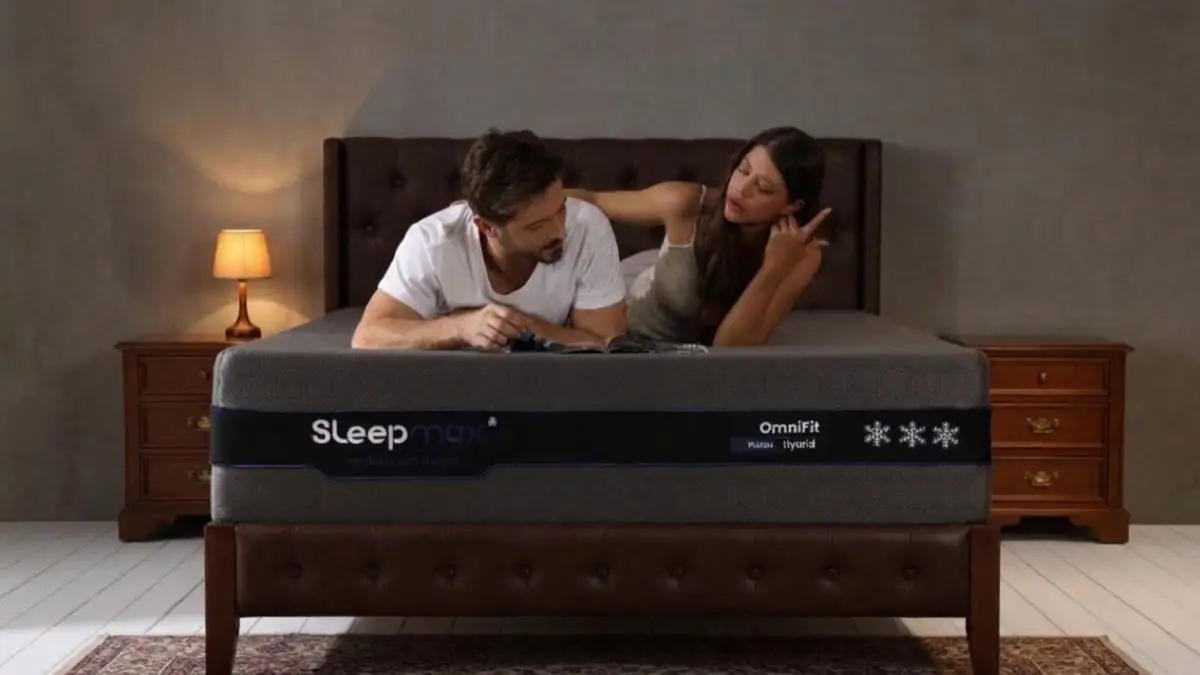
If you have ever bought a mattress, you know how complicated it can be. Firmness, edge support, motion isolation, cooling, and dozens of other details can affect how well you sleep. And if you buy a queen hybrid mattress for the first time, take a few minutes to read this guide, which will save you from a few expensive surprises.
1. Start With Size and Space
A queen mattress measures 60 by 80 inches, which is 5 feet wide and about 6 feet 8 inches long. That is plenty of room for one person who likes to stretch out, turn over freely, or share the bed with a pet.
However, a queen isn’t the best choice for every bedroom. If two people share the bed and one tends to spread out or move frequently, the available sleeping space may feel limited. Taller sleepers should also check whether the 80-inch length provides enough room.
Before you order, measure your bedroom and leave enough space to walk around the bed and open drawers. Check that your bed frame or foundation is built for a queen, and look at the mattress height, since a thicker mattress can sit higher than you expect once your sheets and bedding are on.
It also helps to think about the trip from the front door to the bedroom. Stairs, narrow hallways, and tight corners all matter. If the mattress ships compressed in a box, find out how long it needs to expand and whether you can move it on your own.
2. Match the Firmness to How You Sleep
The right firmness level depends on your body weight, sleep position, and personal preferences.
- Lighter sleepers (under about 130 pounds) sink in less, so a soft to medium mattress often feels more comfortable.
- Average-weight sleepers (about 130 to 230 pounds) usually do well with a medium feel.
- Heavier sleepers (over about 230 pounds) sink in further, so a more supportive mattress helps keep the spine in line and the mattress in shape over time.
- Side sleepers carry most of their weight on the shoulders and hips. A soft to medium feel lets those areas sink in slightly, which keeps the spinal alignment and eases pressure.
- Back sleepers need support under the lower back. A medium-firm feel usually works best, because it holds the hips up without pushing the spine out of line.
- Stomach sleepers need the hips to stay level with the shoulders. A firm feel stops the middle of the body from dipping, which can strain the lower back.
- Combination sleepers change positions through the night, so a medium feel often works well. It is soft enough to cushion you and firm enough that turning over feels easy.
A “medium” from one company can feel very different from another, so a trial period is essential for you to test whether the queen hybrid mattress is the right one.
3. Look Beyond the Word Hybrid
A hybrid mattress has a comfort layer of foam on top of a support layer of coils. Two hybrids can feel completely different depending on what those layers are made of, so it pays to look at the details.
The Cover Is Your First Point of Contact
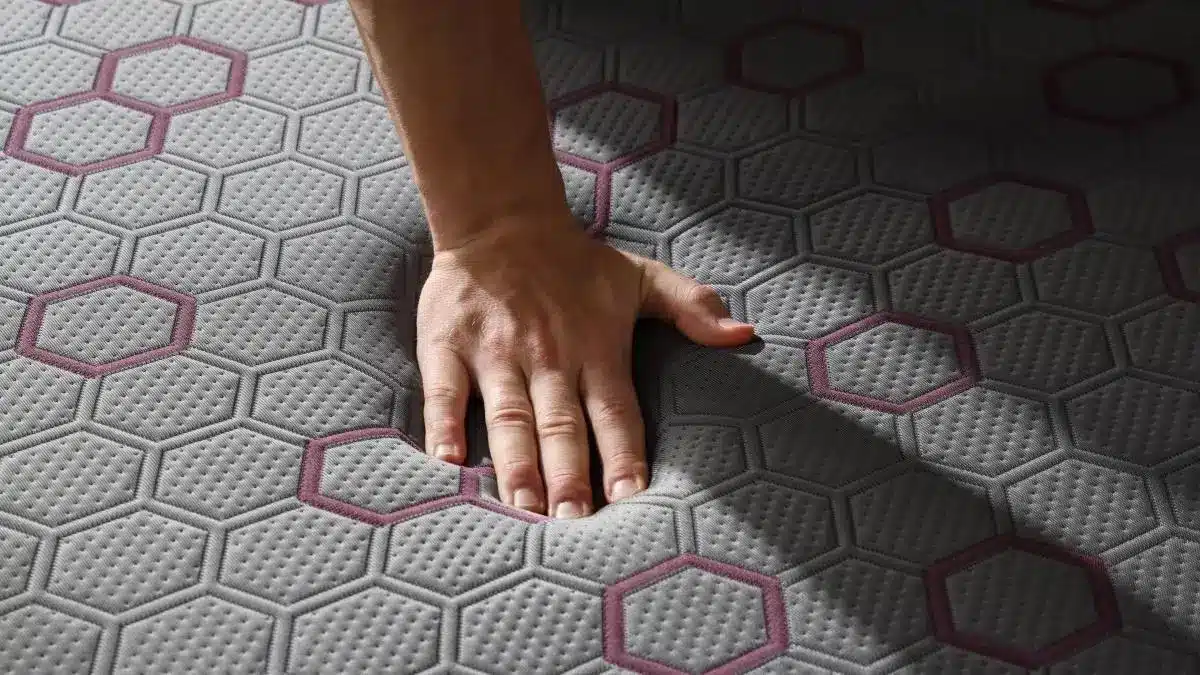
The cover is the fabric you touch, and it affects both comfort and temperature. Soft, breathable fabrics such as cotton, bamboo-derived fibers, or knit blends let air move and feel pleasant against the skin.
The Comfort Layer Decides How the Bed Feels
The top layers are what you lie on. The most common materials are:
- Memory foam contours to your body and spreads your weight out, a good choice for pressure relief at the shoulders and hips. It responds slowly, so it can feel like sinking in, and traditional models tend to hold heat.
- Latex is more responsive and springy, so it is easier to move around on, great for sleepers who prefer a lighter, more buoyant feel.
- Polyfoam is the budget-friendly option. It adds cushioning but contours less than memory foam and may wear down sooner.
If you sleep hot, look for specific cooling features. Gel-infused foam is designed to draw heat away from the body, and phase-change material (PCM) in foam absorbs and releases heat to keep the surface temperature steadier. Breathable cover fabrics and open airflow through the mattress help too.
The Transition Layer Keeps You From Sinking Through
Between the comfort layer and the coils, many hybrids include a firmer foam layer. It stops you from sinking all the way down to the springs, so the mattress feels cushioned and supported at the same time.
The Coils Provide the Support
- Pocket coils are wrapped individually, so each one moves on its own. They follow the shape of your body and limit how much movement travels across the bed.
- Zoned support uses firmer coils under the hips and softer ones under the shoulders and legs, which can help keep the spine in line.
Edge Support Matters More Than Most People Expect
If you sit on the side of the bed to put on your shoes, sleep near the edge, or let a pet join you, check how the edge is built. A reinforced edge, made with firmer foam around the perimeter, keeps the mattress from sagging and gives you more usable sleeping space.
Example: How the Sleepmax OmniFit Pressure Relief Hybrid Mattress Is Built
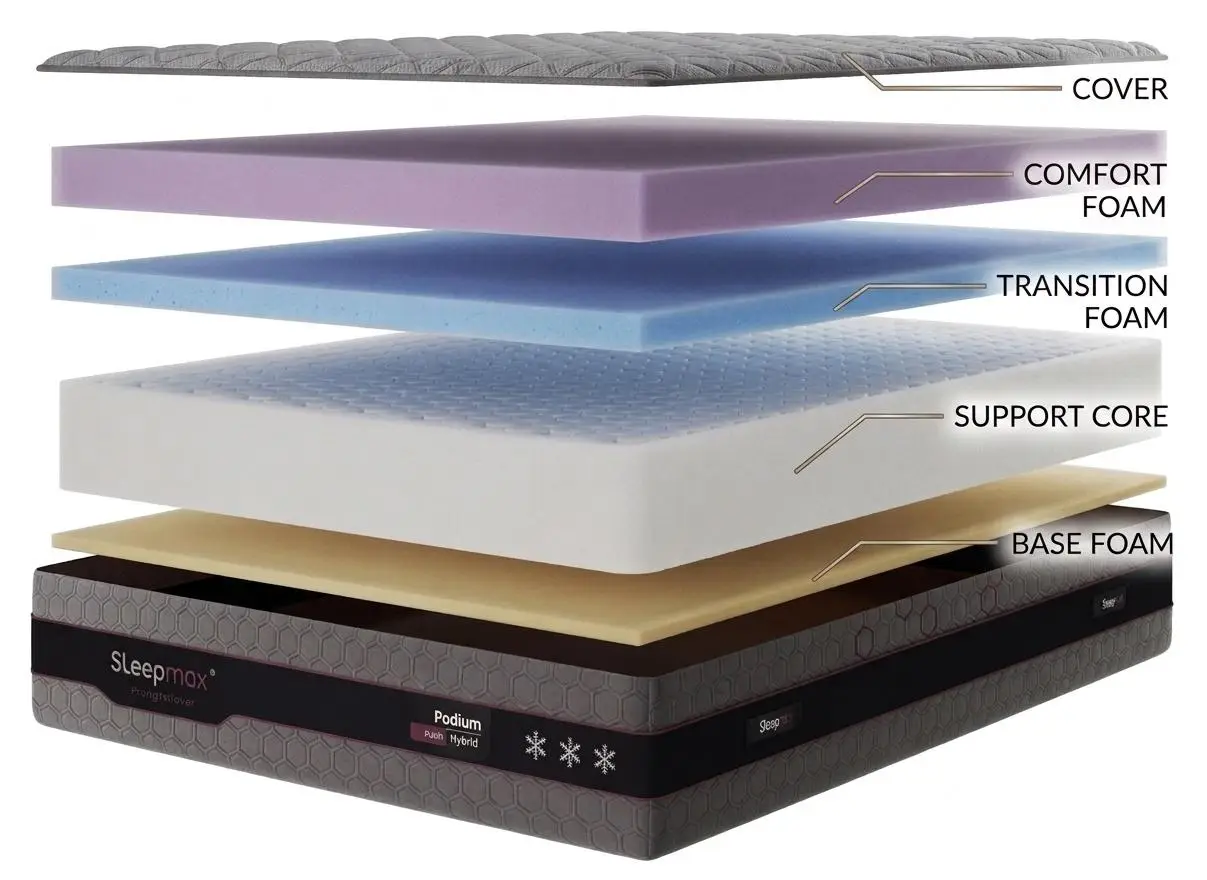
- Cover: the Sleepmax HyFresh™ Cover. Breathable fibers help move heat away from your body, which matters for hot sleepers and for anyone sleeping under heavy winter bedding.
- Comfort layer: Sleepmax Fusion™ Patented Memory Foam. Memory foam contours to the shoulders, hips, and knees, which is what helps with pressure relief.
- Transition layer: gel-infused high-density foam. It sits between the memory foam and the springs, adding responsive cushioning so you do not sink through to the coils. The gel infusion is there to help with heat.
- Support layer: Sleepmax Hive™ Honeycomb Matrix Springs. These are individually pocketed coils arranged in a hexagon pattern, which fits more springs into the same space. With more springs sharing your weight, support can feel more even, and the open layout allows air to move through the mattress.
- Edge support: Sleepmax Core™ High-Density Foam. It surrounds the springs to keep the perimeter stable, so the edge holds up when you sit on it or sleep close to it.
4. Check How Well It Isolates Motion
Motion isolation describes how much movement travels across the mattress. It matters if you are a light sleeper who shares a bed with a pet, child, or a partner.
Pocket coils help, because each one compresses on its own instead of pulling on its neighbors, and memory foam on top absorbs movement instead of passing it along. Look for an independent motion transfer rating or reviews from people who share a bed, and use the trial period to test it in your own home.
The Sleepmax OmniFit takes this further with its Hive™ Honeycomb Matrix Springs. Each spring is individually pocketed and arranged in a hexagon pattern, so more springs fit into the same space. Together with the memory foam comfort layer, this design helps absorb movement, so less of it travels across the bed.
5. Read the Fine Print: Trial, Warranty, Cost, and Delivery
For people who decide to buy a mattress online, check these details before you order:
Trial and returns
- Trial length: How many nights do you have to decide?
- Break-in period: Is there a minimum number of nights before you can request a return?
- Return fees: Are pickup or processing charges involved?
Warranty
- Coverage: What counts as a defect, and how is qualifying sagging measured?
- Requirements: Does the warranty require a specific bed frame or foundation?
Total cost
- The total price: Add shipping, a foundation or frame, and a mattress protector to the sale price if you need to buy them separately.
- Service fees: Check whether delivery is free and whether white-glove service costs extra.
- Financing: Check the repayment schedule, any interest, and eligibility terms.
Delivery and setup
- White-glove service: Some brands will bring the mattress into your bedroom, set it up, and remove your old one. Ask what is included and whether there is a fee.
- Getting it in: If the mattress arrives rolled in a box, measure your doorways and stairs, and expect to need help carrying a queen.
- Expansion: Follow the maker’s instructions for how long it needs to expand before you sleep on it.
Whatever you choose, read the actual policy and save a copy of the terms for your order.
Your Quick Checklist
Before you buy a queen hybrid, make sure you can say yes to each of these:
- The queen dimensions fit your bedroom and bed frame.
- The firmness suits your sleeping position, body weight, and comfort preferences.
- The mattress materials and spring construction are clearly explained.
- The cooling features match your needs if you tend to sleep hot.
- Motion isolation and edge support meet your expectations if you share the bed.
- The trial period, return conditions, and warranty are easy to understand.
- The total cost fits your budget.
- Delivery, setup, and expansion are manageable.