
Most people pick shoes by how they look and how soft they feel in the store. Few think about what a pair does to the body over thousands of steps a day. Your feet are the base for every movement you make, so the shape and structure of your footwear can change how your ankles, knees, hips and back line up.
Below, we break down three common design features, what each one does to the way you stand and walk, and a few habits that help if you spend most of your day at a desk.
Your Feet Do More Than Hold You Up
Each foot has 26 bones, along with a network of muscles, tendons and ligaments that absorb impact, adapt to uneven ground and push you forward with each step. That system works best when it has room to move. When a shoe limits that movement, other joints pick up the slack, and they are not built for the extra work.
The effect is easy to miss because it builds slowly. A pair of shoes that feels fine in the store can still change your posture after months of daily wear.
How Heel Lift Changes the Way You Stand
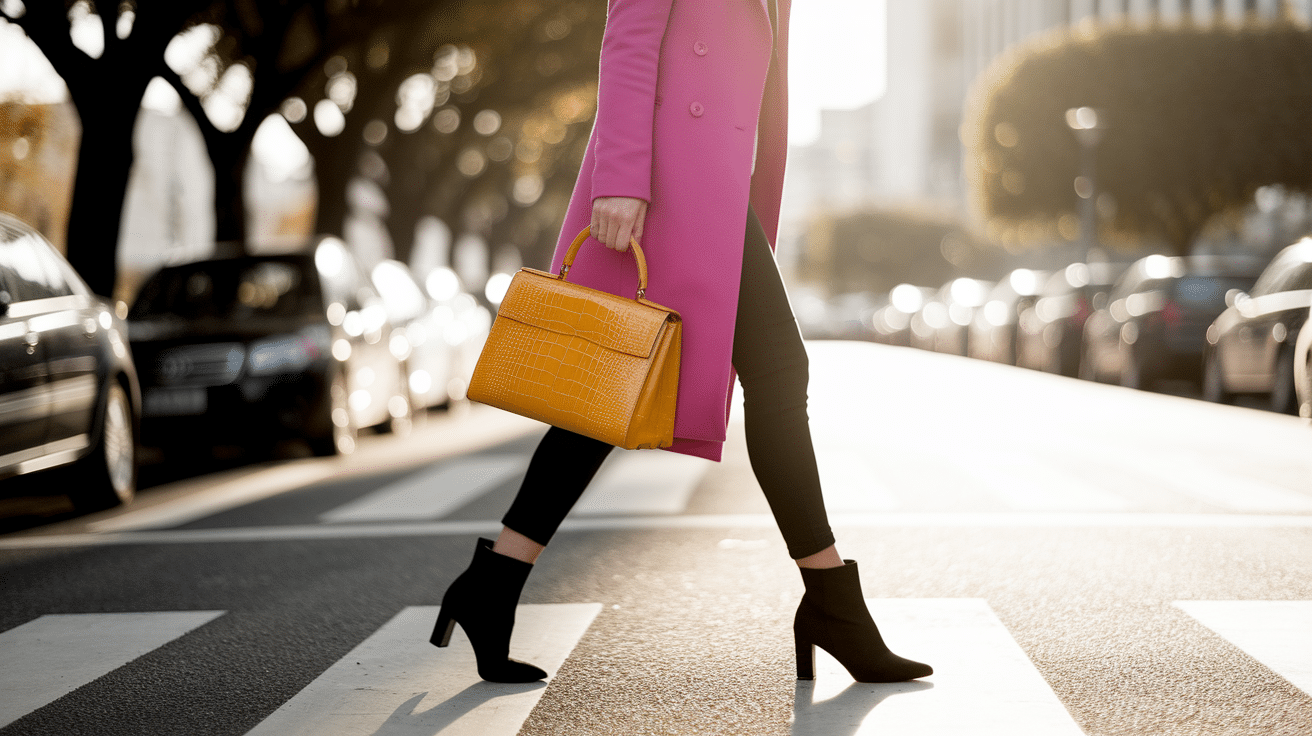
A raised heel tips your weight forward. To stay upright, your knees, hips and lower back adjust, often by arching the lower back or pushing the hips out of line. Your calf muscles also stay in a shortened position for hours, which can limit ankle flexibility over time.
Heel lift is not limited to dress shoes and high heels. Many cushioned sneakers have a thick heel that sits well above the forefoot, so the same forward tilt applies. If the heel of your shoe is noticeably higher than the ball of your foot, your posture is already adjusting to it.
What a Narrow Toe Box Does to Your Toes
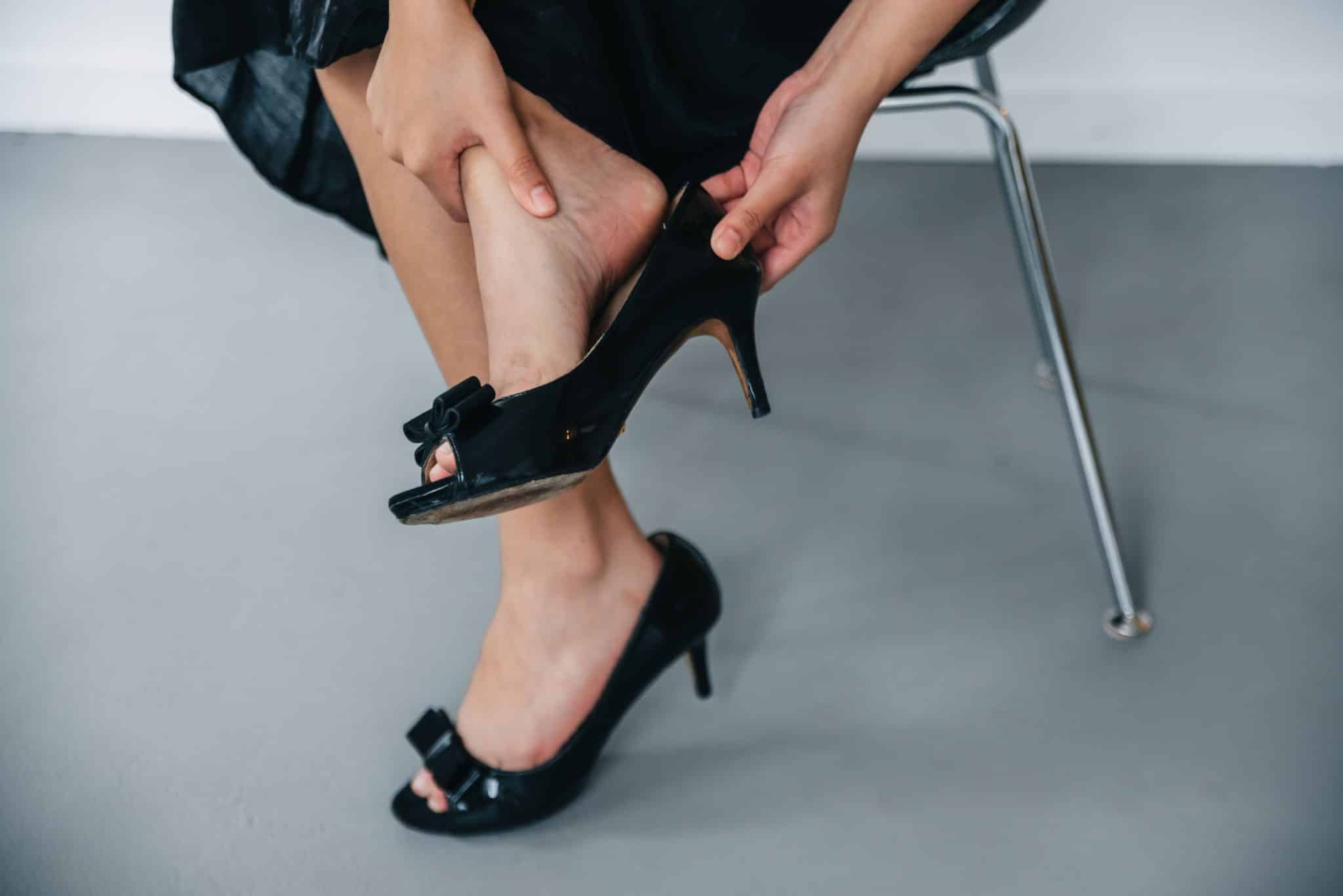
Toes are meant to spread when you put weight on them. That spreading gives you a wider base and helps you balance. A tapered or pointed toe box squeezes them together, and the big toe often angles inward. Foot specialists commonly link tight toe boxes to bunions, calluses and other toe problems.
You can check your own pair without any special tools. Stand in the shoes and look for these signs:
- Redness or marks along the sides of your toes after a long day
- Toes that feel pressed together or go numb by the afternoon
- A big toe that leans toward the second toe
- Calluses on the outer edge of the big or little toe
If you notice any of these, the shoe is shaping your foot instead of the other way around.
Why Stiff Soles Limit Natural Movement
A rigid sole stops the arch from flexing and keeps the toes from gripping the ground. The foot acts more like a block than a hinge. Thick, heavily cushioned soles also dull the feedback your feet send to your brain, so you may not notice how hard your heel hits the ground or how stiffly you walk.
Some people end up taking shorter, heavier steps, and more of the impact can shift up to the knees and hips.
What Changes With a Flatter, Wider Shoe
The opposite design has a level sole, a roomy toe box and a flexible base. Switching to barefoot shoes lets your toes spread naturally, which many people find improves balance over a few weeks.
Go slowly. The muscles and tendons in your feet and calves need time to adapt, so start with short walks and wear the new pair for an hour or two before building up. Alternate with your usual shoes at first. If you have existing foot pain or a diagnosed foot condition, talk to a podiatrist or physician before you switch.
Simple Habits for Desk Workers
Sitting for hours brings its own foot and posture problems, no matter what is on your feet. Your feet stay still, your calves tighten and your hips stay bent for long stretches. Small habits during the workday help offset that:
- Stand up and walk for a couple of minutes every hour
- Slip your shoes off under the desk, if your office allows it, and press your toes flat against the floor
- Roll a tennis ball under each arch for a minute to loosen tight spots
- Do a set of calf raises while the kettle boils or a file uploads
- Keep both feet flat on the floor while seated, rather than tucked behind the chair legs
Pair these habits with a chair height that lets your knees sit level with your hips and a screen at eye level. Posture works as a chain from the feet up, so small corrections at one point carry through to the rest.
Start With the Shoes You Wear Most
The pair you wear five or six days a week has the biggest effect on your posture, so start there. Check the heel height, press on the toe box and bend the sole. If the heel is tall, the toes are cramped and the sole barely flexes, that pair is working against your body’s natural movement. Replace it with something roomier and more flexible, add a few desk-day habits, and pay attention to how your feet and back feel after a few weeks.