Olive oil keeps turning up in beauty conversations, from DIY routines to “clean” shelf-staple lists. But the bottle in your pantry is a food first, and the words on its label describe very different products. Before you pour, it helps to know exactly what you are holding. If you want to start with a quality extra virgin, Bertolli Extra Virgin Olive Oil is a natural place to look, and this guide breaks down the difference, separates the beauty facts from the myths and shows how to read a bottle the way you read a skincare label.
What Is the Difference Between Extra Virgin Olive Oil and Olive Oil?
Extra virgin olive oil is the top grade of olive oil. To earn that name, it must meet the quality and purity requirements set by regulation and pass a tasting by an official panel of experts without showing any organoleptic defect. The result keeps the character of the fruit: fresh herb, vegetable and fruit notes, sometimes with a bitter or pungent touch that comes from its natural phenolic compounds. It is high in monounsaturated fats, mainly oleic acid, and contains tocopherols (vitamin E).
A bottle that says simply “olive oil” is a different category: a blend of refined olive oil and virgin or extra virgin olive oil. Refining removes free fatty acids, gums and odors, so the virgin oil is what brings the flavor. “Mild” or “light” olive oils follow the same logic and describe the flavor: they contain more virgin oil than “extra light” versions.
Olive Oil Quality: Facts vs Myths
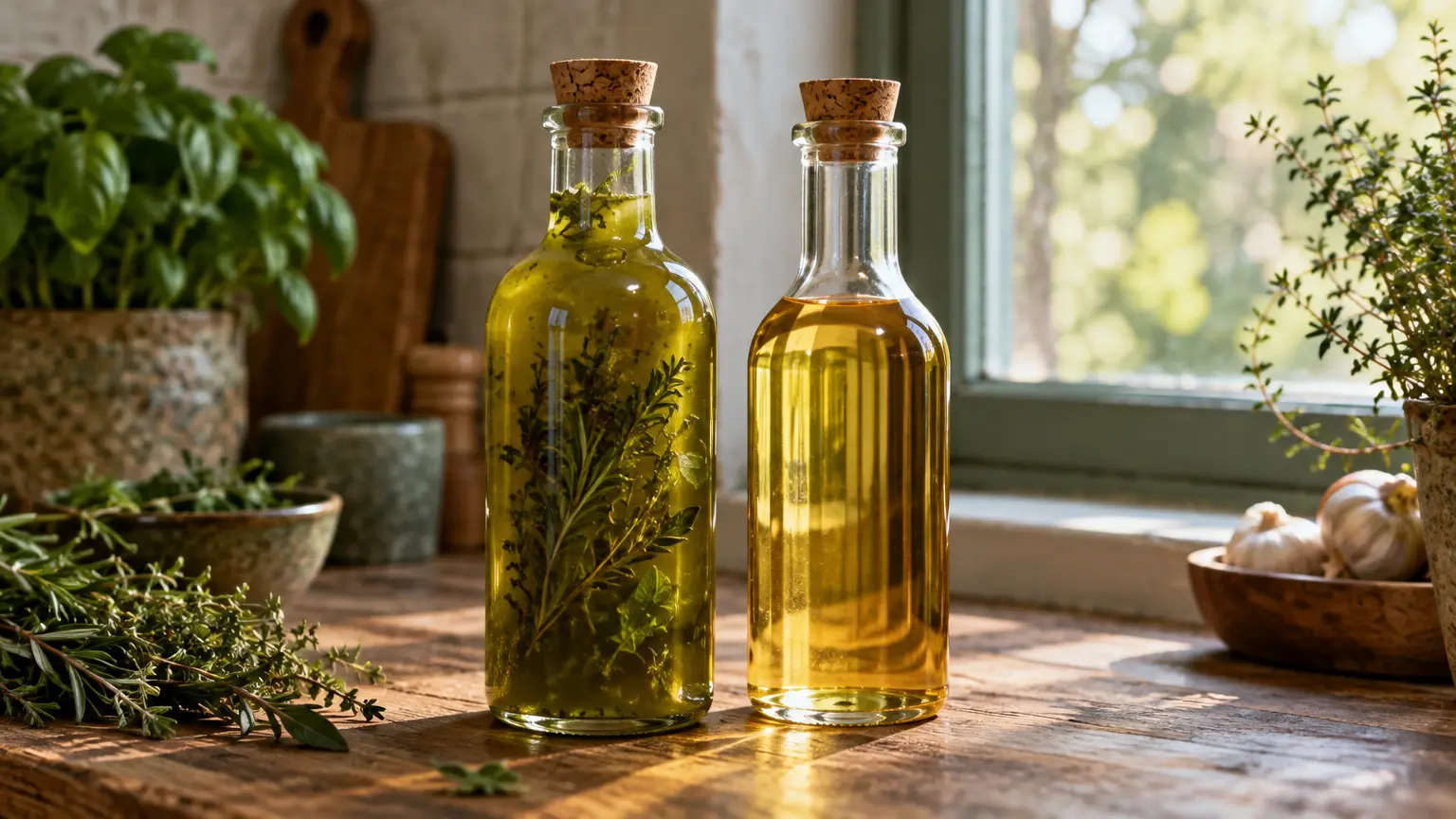
Myth: the greener the oil, the better it is. Color does not determine the quality of an olive oil. It depends on how ripe the olives were: green olives give a greener oil and ripe olives a more golden one, and the color can also change over time.
Fact: quality is judged by analysis, not by taste alone. Flavor does not determine quality; sensory analysis does. Extra virgin olive oils can range from sweet and delicate to fruity, bitter and spicy, and the right one is simply the one you enjoy most.
Why Olive Oil Shows Up in Beauty Conversations
Myth: any bottle from the pantry is a beauty product. Extra virgin olive oil naturally contains tocopherols (vitamin E), which is why olive oil is a common ingredient in cosmetics. But the bottle you buy at the grocery store is made, graded and labeled as a food, and that is how it is meant to be used.
Fact: the label tells you what you are buying. For skin and hair, reach for products formulated for them; for the kitchen, the grade, the dates and the packaging on the bottle tell you far more than any trend, as the next section explains.
How to Read an Olive Oil Label Like a Skincare Label
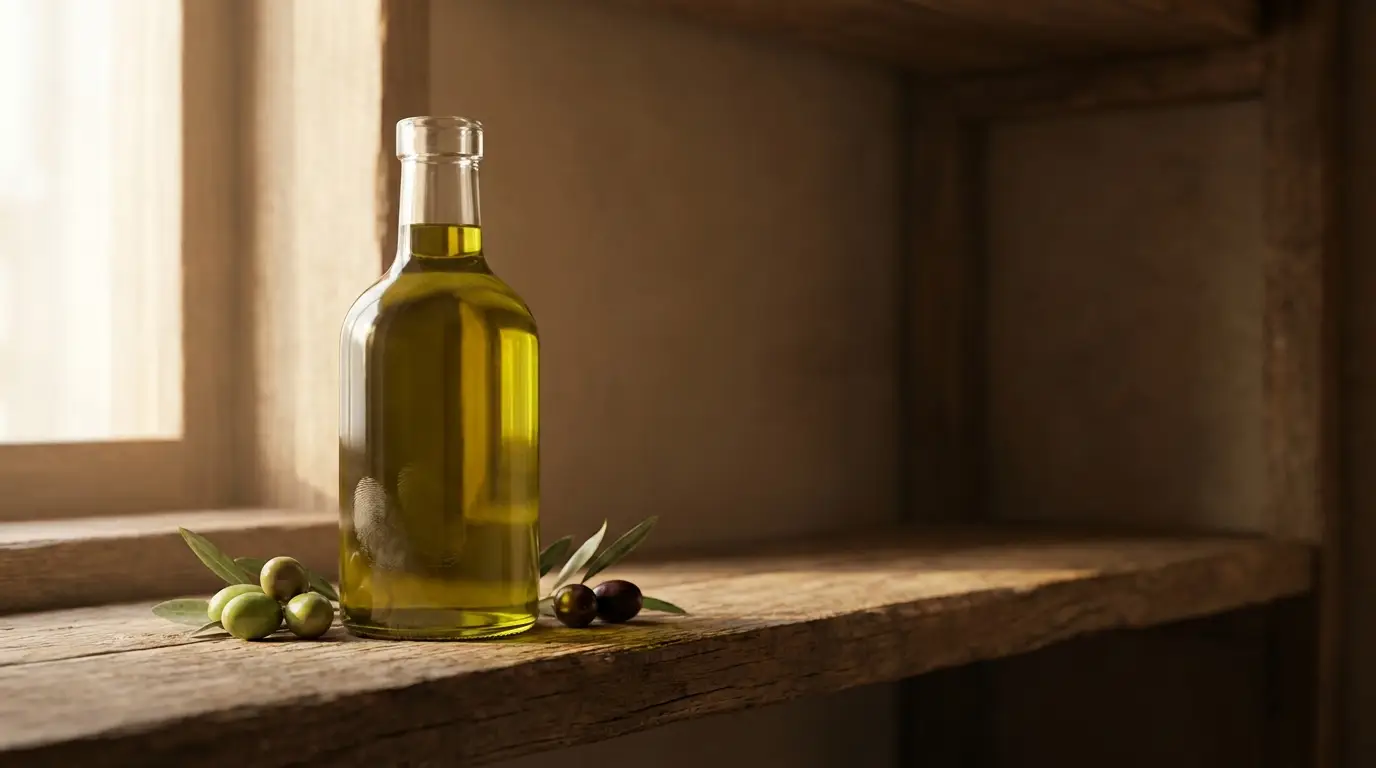
If you check ingredient lists, you already have the right instinct. Apply it here:
- Read the grade. For the full flavor and character of the fruit, look for “extra virgin” on the label.
- Shield it from light. Oxygen, heat and light speed up oxidation, so choose packaging that protects the oil.
- Check the dates. Look for the harvest and best before dates: the best before date is a quality guideline, not an expiry date, and the taste and aroma of the oil fade over time.
- Store it well. Keep the bottle tightly closed in a cool (55–68°F), dark place, away from heat and light, and use it soon after opening. The pantry is where it stays at its best, not the sunny shelf by the stove.
So, Which Oil Should You Pick?
The choice between extra virgin olive oil, olive oil, and extra light olive oil ultimately comes down to your personal taste and the flavor you want to bring to your dishes. Extra virgin olive oil offers a richer, more distinctive flavor and can be used for everything from dressings and finishing touches to sautéing, roasting, and frying. If you prefer a milder, more neutral taste that lets other ingredients stand out, olive oil or extra light olive oil can also be great options for everyday cooking. And when it comes to skincare, stick to products specifically formulated for skin.