


Finding the right place to live is about much more than choosing a house in a convenient location. It’s about the kind of mornings you want to wake up to, the activities you enjoy after work, and the community you want to be part of as life unfolds. For some people, that means living close to nature, while others prefer a neighborhood with lively streets, local businesses, and plenty of opportunities to meet new people. Whatever your priorities, the place you call home can have a lasting influence on your everyday experiences and overall sense of well-being.
Oregon has become an appealing option for people who want to bring more of these qualities into their lives. With its remarkable natural scenery, distinctive cities, welcoming smaller communities, and strong appreciation for outdoor recreation, the state offers a variety of lifestyles rather than one fixed idea of what living well should look like. Although factors such as housing costs, employment opportunities, and weather deserve careful consideration, Oregon provides plenty of reasons for people to take a closer look at what life there could offer.
Where Nature Becomes Part of Everyday Life
One of the most appealing aspects of living in Oregon is the opportunity to enjoy natural surroundings without necessarily planning a major trip or taking time away from everyday responsibilities. The state has an impressive variety of landscapes, ranging from the rocky beaches and coastal forests along the Pacific Ocean to the mountains, rivers, waterfalls, and wide open spaces found farther inland. This diversity creates opportunities for residents to explore different environments throughout the year, whether they prefer peaceful walks, scenic drives, or more adventurous outdoor activities.
For people living in and around Portland, the Columbia River Gorge and Mount Hood provide opportunities for hiking, sightseeing, skiing, and other seasonal activities. Along the Oregon Coast, towns such as Cannon Beach and Newport attract people who enjoy ocean views, coastal trails, and relaxed afternoons near the water. Meanwhile, Central Oregon offers a different experience, with its high desert scenery, mountain lakes, and outdoor recreation around Bend.
What makes these surroundings particularly valuable is how easily they can become part of ordinary routines rather than activities reserved for special occasions. A family might spend a weekend afternoon exploring a nearby trail, while someone working a demanding schedule may appreciate having a quiet park where they can walk and unwind. Even something as simple as enjoying fresh air after a rainy morning can become a welcome part of daily life.
Of course, Oregon’s climate varies considerably by region, and the wet winters common in the western part of the state may require some adjustment. Still, for people who enjoy changing seasons and spending time outdoors, the state’s natural environment offers many opportunities to make recreation and relaxation part of everyday living.
Communities That Make It Easier to Feel at Home
Natural beauty may attract people to Oregon, but finding a community that feels comfortable and familiar is often what encourages them to stay. Across the state, cities and smaller towns have developed distinct identities shaped by their local history, businesses, cultural traditions, and surrounding landscapes. This variety gives residents the opportunity to choose a setting that reflects their interests, whether they enjoy the energy of an urban neighborhood or the quieter atmosphere of a smaller community.
Portland is particularly well known for its creative character, independent businesses, neighborhood restaurants, and cultural attractions. Eugene offers a different experience through its university atmosphere, outdoor spaces, and community events, while Bend attracts people who enjoy recreational activities and proximity to Central Oregon’s natural scenery. Smaller towns throughout the state may appeal to those who prefer familiar local establishments, less crowded streets, and a slower daily pace.
Beyond these individual characteristics, a sense of belonging often develops through everyday interactions that gradually become meaningful. Visiting the same farmers market each weekend, getting to know people at a neighborhood coffee shop, or attending a local festival can help residents feel more connected to the places around them. These experiences may seem ordinary at first, but they can make a meaningful difference when someone is settling into a new environment.
Not every Oregon community offers the same amenities, affordability, or level of convenience, which makes exploring different locations important before deciding where to live. Someone who values public transportation and walkable streets may have different priorities from a person who wants more residential space and a quieter setting. The advantage of Oregon’s diverse communities is that people can explore several possibilities while considering the kind of daily environment that would suit them best.
Finding a Home That Fits the Life You Want
Choosing a home involves more than reviewing property features and deciding how much space you need, because the surrounding neighborhood often has just as much influence on your everyday comfort. Proximity to work, access to parks, nearby grocery stores, transportation options, and the general atmosphere of a community can all affect how enjoyable and convenient daily life feels. A home that looks appealing on paper may not be the right fit if getting to work takes too long or the surrounding area doesn’t support the activities you enjoy.
For someone who values walkability, living near restaurants, coffee shops, and local businesses may make everyday errands more enjoyable. Others may prefer a quieter residential neighborhood with a backyard, nearby schools, or easy access to outdoor recreation. These preferences often become clearer when people imagine how they would actually spend their time rather than focusing entirely on the appearance of a particular property.
For example, those exploring homes in Portland may find themselves comparing neighborhoods based on how each one fits their routines, interests, and long-term plans. Some parts of the city offer convenient access to public transportation, independent shops, and neighborhood parks, while other residential areas provide a different pace and atmosphere. Looking beyond the home itself allows people to consider whether the surrounding environment matches what they want from everyday life.
The same approach applies throughout Oregon, where housing options and neighborhood characteristics differ between larger cities, suburban communities, and smaller towns. Housing prices, property taxes, transportation expenses, and access to essential services can vary considerably, making it important to assess both lifestyle preferences and financial realities. Finding the right home ultimately means choosing a place where practical needs and personal priorities can work together comfortably over time.
A Culture That Appreciates Life Beyond Work
Although career opportunities and financial stability play an important role in deciding where to live, people also want opportunities to enjoy their time outside of work. Oregon’s combination of outdoor recreation, local food, arts, and community activities creates a range of possibilities for residents who want to pursue personal interests, spend time with loved ones, and develop routines that feel rewarding.
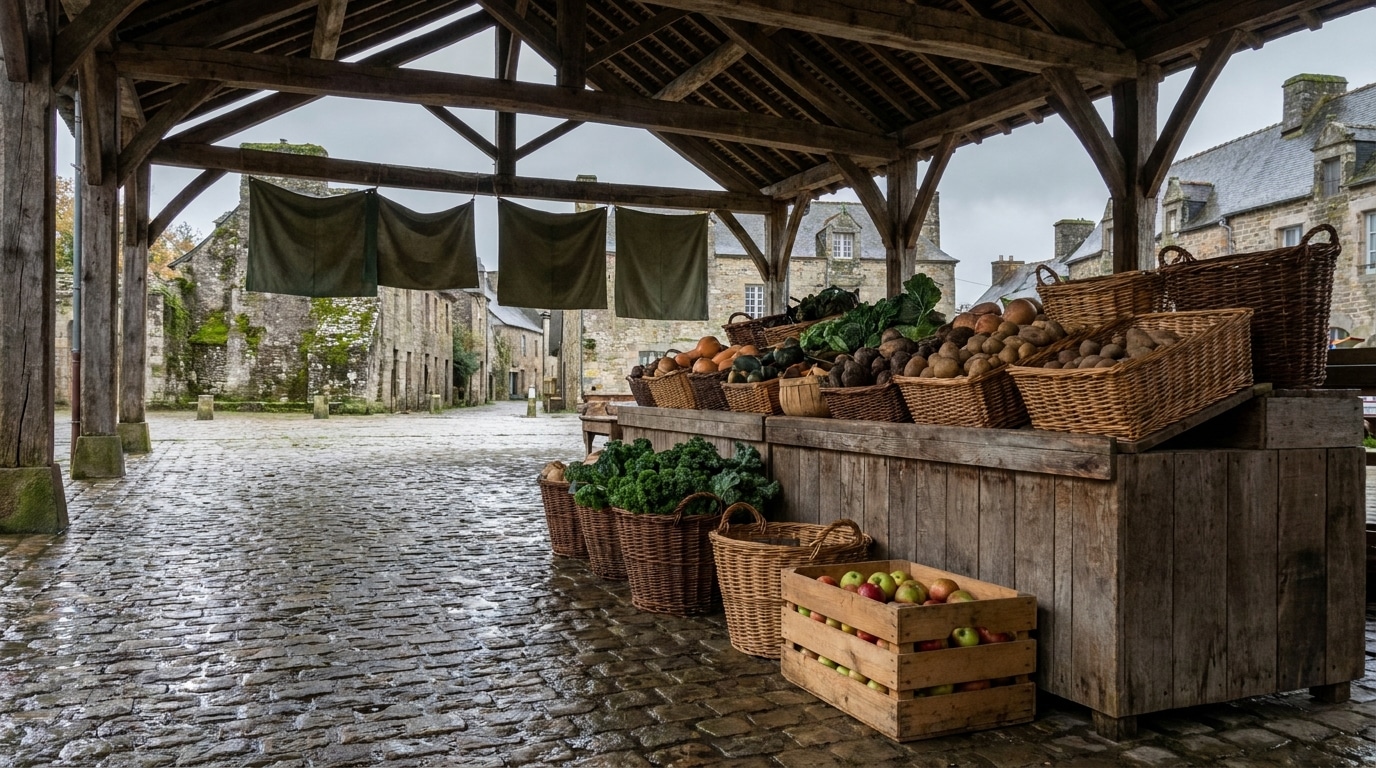
The state’s food culture is one example of how local experiences can become part of everyday life. Portland is known for its food carts, independent restaurants, coffee shops, and diverse dining options, while communities throughout Oregon host farmers markets where residents can purchase seasonal produce and discover products from local growers. These spaces offer more than convenient shopping and dining opportunities, because they also create settings where neighbors can interact and develop connections over shared interests.
Arts and cultural activities provide another way for residents to enjoy their communities. Depending on the location, people may have access to galleries, bookstores, live performances, music events, workshops, and community festivals. Those who prefer quieter activities can explore local libraries, walking paths, public gardens, or neighborhood parks without needing to spend much money or travel far from home.
Naturally, living in Oregon doesn’t guarantee a relaxed schedule or an effortless balance between professional and personal responsibilities. Long working hours, household obligations, and commuting challenges can affect residents just as they do elsewhere. However, access to varied recreational and cultural opportunities can help people make more intentional use of their free time and discover activities that add enjoyment to their regular routines.
Room for Different Lifestyles and New Beginnings
Another reason Oregon attracts interest is that its communities can accommodate a wide range of personal circumstances, interests, and life stages. A young professional may appreciate the convenience and cultural attractions of Portland, while a growing family might focus on neighborhoods with suitable schools, community facilities, and opportunities for children to spend time outdoors. Someone working remotely may place greater importance on a comfortable home environment and dependable internet access, while retirees may prioritize healthcare availability, convenient services, and opportunities to stay socially active.
These differences highlight why choosing the right place requires a clear understanding of individual needs rather than relying entirely on a destination’s general reputation. A town that feels ideal during a weekend visit may present different challenges when considered as a permanent home, particularly if employment options are limited or essential services require longer journeys. Similarly, an attractive urban neighborhood may offer excellent amenities but come with housing expenses that require careful budgeting.
Oregon’s regional differences are also worth understanding before making a move. Western Oregon generally experiences wetter winters and milder temperatures, while areas east of the Cascade Mountains often have drier conditions and greater seasonal temperature variation. Transportation options, healthcare access, job markets, and housing availability also differ between communities, meaning that daily life can look quite different depending on where someone settles.
Taking time to research these practical considerations can make relocating a more informed and satisfying experience. Rather than expecting a new location to solve every challenge, people can focus on finding a community that supports their priorities while remaining realistic about the adjustments involved in starting somewhere new.
The Everyday Moments That Make a Place Special
When people talk about Oregon, the conversation often centers on its dramatic coastline, mountain scenery, and well-known outdoor destinations. While these attractions contribute to the state’s appeal, much of what makes a place enjoyable to live in comes from the smaller experiences that gradually become part of everyday life. The ability to walk through a pleasant neighborhood, visit a familiar local business, or spend a quiet afternoon outdoors can shape how connected someone feels to their surroundings.
Imagine starting a weekend with a visit to a nearby bakery before taking a leisurely walk through a tree-lined park, or meeting friends at a neighborhood market where familiar vendors greet returning customers. These experiences may not seem especially remarkable when considered individually, but they can give ordinary days a sense of comfort and familiarity. Over time, having places you enjoy returning to can make a community feel more personal and welcoming.
This sense of belonging rarely happens immediately after moving into a new home, because it develops through repeated experiences and relationships. Getting to know neighbors, discovering favorite places, and participating in community activities can gradually turn an unfamiliar neighborhood into a comfortable environment. Oregon’s varied communities, public spaces, and opportunities for recreation provide different ways for people to establish these connections according to their own interests.
For many residents, the appeal of living well isn’t necessarily about having an exciting activity planned every weekend. It’s about feeling comfortable in their surroundings, enjoying familiar routines, and having access to experiences that make everyday life more satisfying.
Finding Your Own Version of Living Well
The meaning of a good life varies from one person to another, and the ideal place to live depends on far more than scenery or popular attractions. Some people want convenient access to outdoor adventures, while others place greater value on neighborhood connections, cultural activities, career opportunities, or the ability to enjoy a quieter pace of life. Oregon offers a range of environments where these different priorities can be explored, making it an appealing destination for people who are considering a change.
From its beautiful natural landscapes and distinctive communities to its recreational opportunities and local culture, the state offers many qualities that can contribute to a fulfilling lifestyle. At the same time, factors such as housing affordability, employment, transportation, and regional climate differences remain important parts of making a realistic decision about relocating.
Ultimately, finding the right place to call home is about understanding what matters most in your everyday life and choosing surroundings that support those priorities. Oregon may not be the perfect fit for everyone, but for people who appreciate natural beauty, varied communities, and opportunities to create meaningful daily routines, it offers plenty worth considering.