

Some living rooms practically arrange themselves. Others have a radiator on the only long wall, a window behind the obvious sofa spot, and a doorway that cuts through the remaining floor space. Suddenly, even a fairly ordinary three-seater feels enormous.
The trick is to stop treating every wall as available for furniture. A successful living room layout with radiator placement in mind starts with the room’s fixed features and the way people move through it. Once you work around those, you can make better decisions about seating, storage, and lighting without blocking the windows or compromising the heating.
Measure the Space You Can Actually Use
Before dragging the sofa across the carpet, sketch the room. Measure each wall, then add doors, windows, radiators, sockets, and any fireplace or alcove. Note how far the radiator projects from the wall, not just its width. Include curtain space and the full swing of each door.
Next, mark the routes people take. Can someone get from the entrance to the sofa without squeezing past a coffee table? Can you open a window, reach the radiator valves, and pull out a storage drawer? These everyday movements matter more than achieving a perfectly balanced photograph.
Put the largest pieces on your plan first. Cut paper shapes to scale, or outline furniture positions on the floor with masking tape. This is particularly useful for deep sofas: their measurements may look reasonable until you account for the space needed to walk around them.
Decide what the room should face, too. In one home, that might be the television; in another, it might be a fireplace or the garden. A sofa doesn’t have to sit against a wall. Floating it slightly into the room can create a clearer route behind it and free up a difficult corner for a reading chair.
Work with the Radiator, Not Against It
A radiator under the window or halfway along the main wall can seem like a nuisance when you’re trying to place a sofa. But pushing furniture directly against it isn’t a practical fix. Upholstery and solid cabinets can restrict the flow of warm air, and they make valves harder to reach.
Start by testing seating on an adjacent wall. If that makes the television awkward, try angling an armchair toward the sofa instead of lining up every seat. A slim side table next to the radiator may use the wall more sensibly than a wide storage unit in front of it.
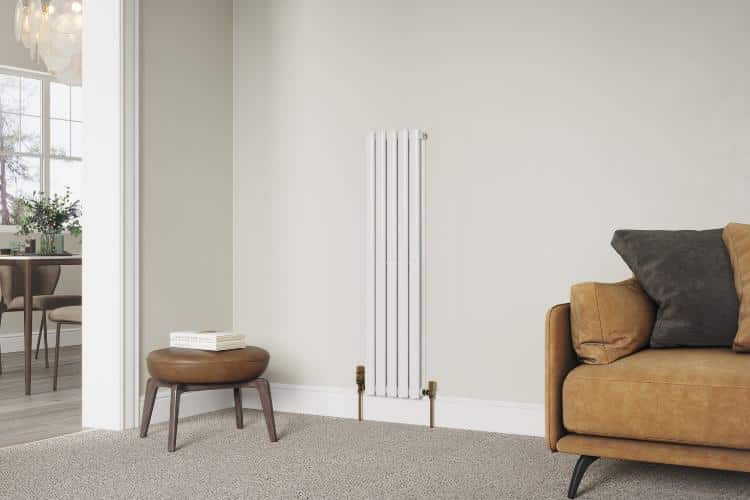
Radiator shape matters as much as position. A tall, narrow model may leave space for a longer sofa on a wall that currently holds a broad radiator. It won’t suit every room, though. Heat output, pipework and suitable mounting space still determine what works.
When changing the layout isn’t enough, compare different living room radiator designs at ukradiators.com for heating options that better suit the available space. Treat the choices available as a starting point for planning, then ask a qualified heating professional to assess any proposed replacement or relocation.
Keep Windows Open to Light and Daily Use
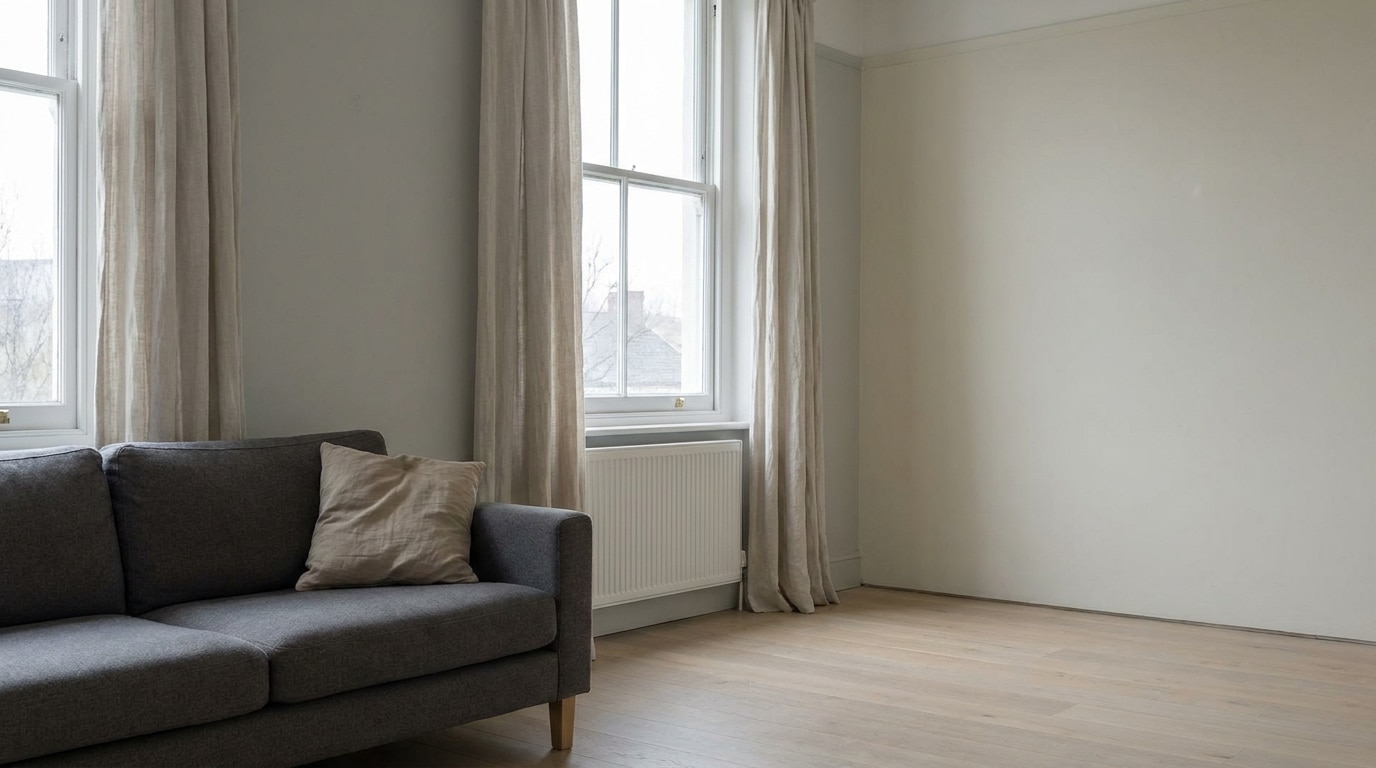
Don’t let the biggest furniture piece block the room’s best source of daylight. A tall bookcase beside a narrow window can make the opening feel smaller, while a sofa pushed beneath the sill may prevent you from opening or cleaning it comfortably.
Low-backed furniture generally leaves more of the view visible. If the only sensible position for a sofa is near the window, check the height of its back against the sill and leave space for curtains to hang freely. Avoid draping curtains across a radiator when the heating is on.
Think about glare before mounting the television. A screen directly opposite a bright window can be difficult to watch in daylight. Try the proposed position at the time you usually use the room. Moving the screen to a perpendicular wall may solve the problem without covering the window with heavy blinds.
Handle Oversized Sofas and Awkward Corners
An oversized sofa often creates a chain reaction: the coffee table moves into the walkway, the lamp gets pushed into a corner, and the room starts to feel crowded. Measure the sofa’s depth, including any chaise or recliner when extended.
If you already own the sofa, let it define one clear seating zone. Swap the large coffee table for a smaller round one, or use two lightweight nesting tables you can move when guests visit. An armchair with exposed legs can feel less bulky than another upholstered seat.
Awkward corners deserve a job, but not necessarily a cupboard. A floor lamp, small reading chair, or narrow shelf can make use of them without blocking access. Where wall space is scarce, choose storage that goes up the wall away from the window and radiator.
Test the Layout Before Calling It Finished
Once you’ve settled on a plan, live with the arrangement for a few days before buying anything else. Try opening the windows, drawing the curtains, watching television and moving through the room while someone else is seated.
Check the room in the evening as well. Table lamps may need new positions, and a walkway that feels generous in daylight can become awkward when a footstool is in use. Keep frequently used sockets and heating controls accessible rather than hiding them behind furniture.
Make one adjustment at a time. A smaller table or a slight change in sofa angle may solve a problem without another purchase.
Final Thoughts
A comfortable living room starts with realistic measurements, clear walking routes and respect for the fixed features. Work out where the windows, radiators and doors leave usable wall space before deciding where every piece should go.
Give the largest furniture items priority, but don’t let them dictate the whole room. Keep windows accessible, leave heating unobstructed, and test the layout through ordinary daily routines.
You don’t need a perfectly symmetrical arrangement or a completely new furniture set. Often, the best result comes from repositioning what you own and changing only what genuinely gets in the way. The room should work just as well on a busy weekday as it does when you’ve finished tidying up.