

Peppermint tea may seem like a simple herbal drink, but there is more going on in that cup than its fresh, minty taste.
A bloated stomach after dinner, a stressful afternoon, or a headache that just won’t go away. Sometimes, all you want is a simple way to feel better.
That’s where a warm cup of peppermint tea might come in handy. Made from fresh or dried peppermint leaves, this refreshing drink has been used for years to ease everyday discomfort. Peppermint tea benefits may include easing bloating and indigestion and a short-term lift in focus, but most research tests peppermint oil, not tea.
Some of these benefits may surprise you, especially when you learn how peppermint tea affects more than just your stomach.
What Is Peppermint Tea?
Peppermint tea is a naturally caffeine-free herbal drink made by steeping fresh or dried peppermint leaves in hot water. It has a refreshing, minty flavor and a cooling sensation that comes from menthol, a natural compound in the leaves.
Peppermint belongs to the mint family and is a natural cross between watermint and spearmint. It originated in Europe and the Middle East and is now grown worldwide.
For centuries, people have used mint leaves in traditional remedies, especially for digestive discomfort.
Unlike regular black or loose green tea, it contains no tea leaves or natural caffeine. For me, that makes it pretty flexible for afternoon or evening sipping
Peppermint Tea: Key Facts and Characteristics
|
Feature |
Details |
|---|---|
|
Common Name |
Peppermint Tea |
|
Scientific Name |
Mentha × piperita |
|
Plant Family |
Lamiaceae (Mint Family) |
|
Origin |
Europe and the Middle East |
|
Tea Type |
Herbal Infusion |
|
Main Ingredients |
Fresh or dried peppermint leaves |
|
Flavor |
Refreshing, minty, and slightly sweet |
|
Aroma |
Strong, fresh, and cooling |
|
Key Compounds |
Menthol, menthone, rosmarinic acid, and flavonoids |
|
Caffeine Content |
Naturally caffeine-free |
|
Calories |
Approximately 0–2 per cup, without additives |
Peppermint Tea Benefits
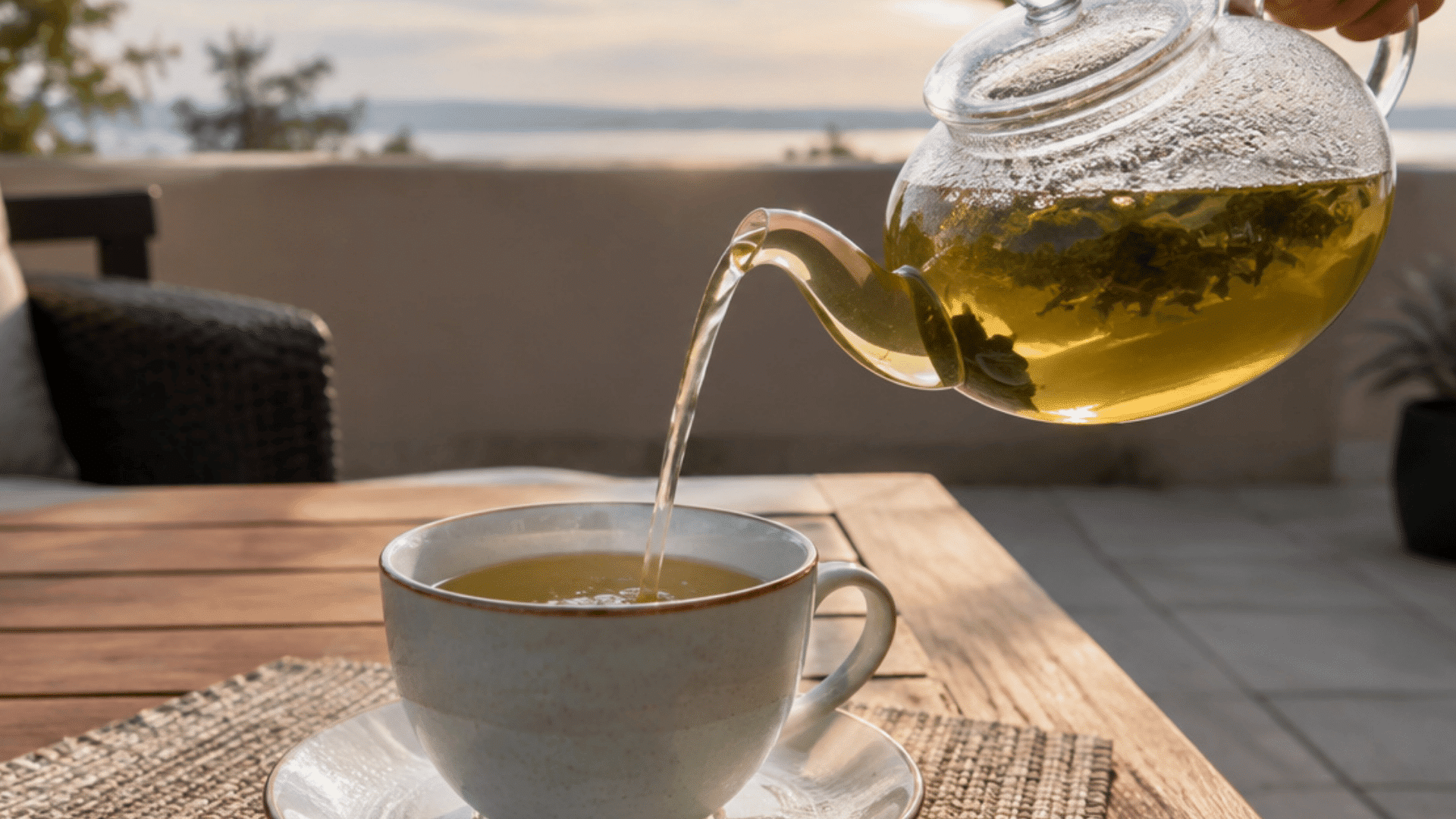
Peppermint contains plant compounds that may offer benefits, but the evidence is uneven. Some uses have scientific support, others lean on tradition.
1. Helps Ease Bloating and Indigestion
Peppermint tea has traditionally been used to relieve mild digestive problems, including bloating, gas, and indigestion. Its natural compounds, particularly menthol, can relax muscles in the digestive tract and reduce intestinal spasms.
Drinking a warm cup after a heavy meal can be a comforting habit.
However, clinical evidence for the tea itself remains limited, and peppermint can worsen heartburn in some people. It’s also worth knowing about the possible side effects of drinking peppermint tea, especially if you plan to consume it regularly.
A review in Phytotherapy Research found that most digestive research uses peppermint oil, with very few human trials on the tea.
2. May Reduce Stomach Cramps and IBS Discomfort
Peppermint contains compounds that relax intestinal muscles, which helps explain its use for stomach cramps.
The National Center for Complementary and Integrative Health notes that enteric-coated peppermint oil capsules can ease abdominal pain and overall symptoms in some people with irritable bowel syndrome (IBS).
However, peppermint tea contains much lower concentrations of these compounds, so its effectiveness for IBS remains uncertain.
It should not replace prescribed treatment for persistent digestive symptoms. If cramps come with weight loss, blood in the stool, or fever, see a doctor promptly.
3. Offers Comfort During Nausea and Upset Stomach
The cooling aroma and gentle flavor of peppermint tea make it a popular drink when the stomach feels unsettled. For me, slowly sipping a warm herbal tea has always been more comfortable than drinking something cold or strongly flavored.
Although certain peppermint extracts have shown benefits for nausea in clinical settings, studies have not confirmed the same effect from drinking peppermint tea alone.
4. May Provide Comfort During Headaches
Peppermint contains menthol, a compound known for its cooling sensation.
Drinking peppermint tea has not been shown to produce the same results. Still, its pleasant aroma, warmth, and fluid content can make it a comforting choice when dealing with mild discomfort or tension.
Drinking a glass of water first also helps, since mild dehydration can trigger headaches. See a doctor for frequent or severe headaches.
5. May Soothe Cold Symptoms and Nasal Congestion
The menthol in peppermint creates a cooling sensation that can make breathing feel more comfortable when the nose is stuffy. A warm cup of peppermint tea also provides fluid and can temporarily soothe an irritated throat.
However, menthol does not necessarily clear blocked nasal passages, and peppermint tea has not been proven to shorten colds or treat respiratory infections.
Rest and plenty of fluids remain the most reliable ways to recover from a cold faster, with peppermint tea as one comforting option among them.
6. Provides Antioxidants That Support Cell Health
Peppermint leaves contain antioxidants, including rosmarinic acid and flavonoids, that help protect cells from damage caused by free radicals.
However, the amount transferred into brewed tea varies with preparation. Drinking peppermint tea can add plant compounds to your diet, but there is insufficient evidence that it prevents diseases or strengthens immunity in humans.
For real immune support, steady sleep, a varied diet, and regular handwashing carry far more weight. Fresh and dried leaves both contain these compounds, so either works for a home brew.
7. Helps Freshen Breath Naturally
Peppermint has a strong, refreshing aroma that can temporarily mask unpleasant breath odors. This is why peppermint flavoring is commonly used in toothpaste, mouthwash, and chewing gum.
While sipping peppermint tea leaves a fresh taste in the mouth, there is limited evidence that the drink itself eliminates bacteria responsible for persistent bad breath.
Brushing twice a day, flossing, and cleaning your tongue are still the reliable fixes. Unsweetened peppermint tea works as a pleasant extra after meals, since sugar feeds odor-causing bacteria.
8. May Ease Menstrual Cramps
Peppermint oil capsules have been studied for period pain. A randomized, double-blind crossover trial published in the Iranian Journal of Nursing and Midwifery Research found that pain intensity and duration decreased after treatment with either peppermint oil capsules or mefenamic acid.
The Results section reported no significant difference in pain intensity between treatments, but mefenamic acid reduced pain duration more. The paper contains inconsistencies in its participant counts and reporting, so the findings warrant caution.
9. May Support Focus and Short-Term Memory
Peppermint tea has preliminary evidence for short-term cognitive benefits. In a randomized trial published in Human Psychopharmacology: Clinical and Experimental, 25 adults drank 200 mL of peppermint tea or warm water. Twenty minutes later, the tea group showed greater improvements in memory and attention tasks.
Near-infrared sensors detected changes consistent with increased prefrontal blood flow, but the study found no evidence that these explained the cognitive gains.
The trial was small and short-term. Larger studies are needed to confirm the benefits and establish how long they last.
10. A Caffeine-Free Drink that Supports Hydration
Peppermint tea is naturally caffeine-free, making it suitable for people like me who want to reduce their caffeine intake. I particularly like this quality because I’ve always wanted the warmth of a hot drink without getting the jitters afterward.
Swapping one afternoon coffee for a mug of peppermint tea is an easy start for anyone looking for a coffee crash fix without more caffeine.
Each cup also counts toward your daily fluids, and without sugar, it is a lighter swap for soda.
Peppermint Tea vs. Peppermint Oil: What’s the Difference?
Peppermint tea and peppermint oil come from the same plant, Mentha × piperita, but they are not quite the same. Both contain natural compounds such as menthol and menthone, yet their preparation, concentration, and uses differ.
|
Feature |
Peppermint Tea |
Peppermint Oil |
|---|---|---|
|
Preparation |
Made by steeping fresh or dried leaves in hot water |
Extracted from peppermint plant through distillation |
|
Concentration |
Contains naturally extracted plant compounds in diluted amounts |
Contains highly concentrated essential oil compounds |
|
Main Compounds |
Menthol, menthone, rosmarinic acid, and flavonoids |
Primarily menthol and menthone |
|
Common Uses |
Traditionally consumed for digestive comfort and refreshment |
Used in capsules, topical products, and aromatherapy |
|
Caffeine |
Naturally caffeine-free |
Caffeine-free |
How to Make Peppermint Tea at Home
Making peppermint tea at home is simple and requires only a few ingredients. Follow these steps to prepare a fresh, flavorful cup.
Step 1: Boil the Water
Heat 1 cup (8 ounces) of fresh water in a kettle or saucepan until it boils. Use clean, filtered water for a better-tasting cup of tea.
Step 2: Prepare the Peppermint Leaves
Rinse 5–10 fresh peppermint leaves thoroughly to remove dirt. Alternatively, use 1 teaspoon of dried peppermint leaves or 1 peppermint tea bag for convenience.
Step 3: Pour the Hot Water
Place the peppermint leaves in a heat-safe cup or teapot. Carefully pour the hot water over them, ensuring the leaves are fully submerged to release their natural flavor.
Step 4: Let the Tea Steep
Cover the cup and allow the tea to steep for 5–10 minutes. Covering the cup keeps the menthol-rich steam from escaping. A longer steeping time creates a stronger mint flavor, but avoid steeping too long if you prefer milder tea.
Step 5: Strain and Serve
Remove the tea bag or strain out the leaves before drinking. Let the tea cool slightly, then add a little honey or lemon if you prefer extra flavor.
Remember: Use food-grade peppermint leaves, not ornamental mint plants treated with pesticides. Store dried peppermint in an airtight container away from heat, light, and moisture to preserve its freshness.
Fresh vs. Dried Peppermint Leaves: Which Is Better?
Neither is always better; it depends on what you want. Fresh peppermint tastes brighter and greener, while dried peppermint is more convenient, lasts longer, and often gives a stronger menthol flavor in tea.
|
Feature |
Fresh peppermint |
Dried peppermint |
|---|---|---|
|
Flavor |
Bright, cool, and herb-like |
More concentrated, earthy, and menthol-forward |
|
Best for |
Garnishes, salads, drinks, and light tea |
Daily tea, blends, baking, and cooking |
|
Amount for tea |
About a handful or roughly double the dried amount |
About 1–2 teaspoons per cup |
|
Storage |
Best used soon after picking |
Keeps for months in an airtight container |
|
Availability |
Seasonal and needs fresh plants |
Easy to keep at home and use anytime |
Final Thoughts
Peppermint tea has plenty going for it: an appealing taste, plant compounds, and no inherent caffeine.
If you enjoy it, it’s an easy addition to a routine, but I wouldn’t ask one cup to handle digestion, headaches, concentration, and every other complaint. That’s a lot of responsibility for a few leaves!
If a post-meal or evening cup feels good, enjoyment is enough.
Individual responses vary, and reflux or certain health conditions may make peppermint unsuitable. My advice is to watch tolerance rather than push through discomfort because something sounds healthy.
Do you drink peppermint tea regularly? Share your experience in the comments. I’d love to hear what you think!
Frequently Asked Questions
What Happens if I Drink Peppermint Tea Every Day?
Daily peppermint tea is generally safe, but it may worsen heartburn. The long-term safety of drinking large amounts remains unknown.
Can You Mix Green Tea and Peppermint Tea Together?
Yes, green tea and peppermint tea can be mixed. The combination offers a refreshing flavor, antioxidants, and potential digestive benefits. However, green tea contains caffeine.
What Are the Benefits of Peppermint Tea During Pregnancy?
Peppermint tea may ease nausea and gas during pregnancy, but evidence is limited. Avoid large amounts and check with your doctor or midwife before drinking it regularly.
What Organ Is Mint Good For?
Mint is mainly associated with the digestive system, particularly the stomach and intestines. Peppermint oil can help relieve intestinal spasms, but evidence for peppermint tea is limited.
How Long Does It Take Peppermint Tea to Kick In?
Peppermint tea has no scientifically established time to take effect. Some people feel digestive comfort shortly after drinking it, but results vary.