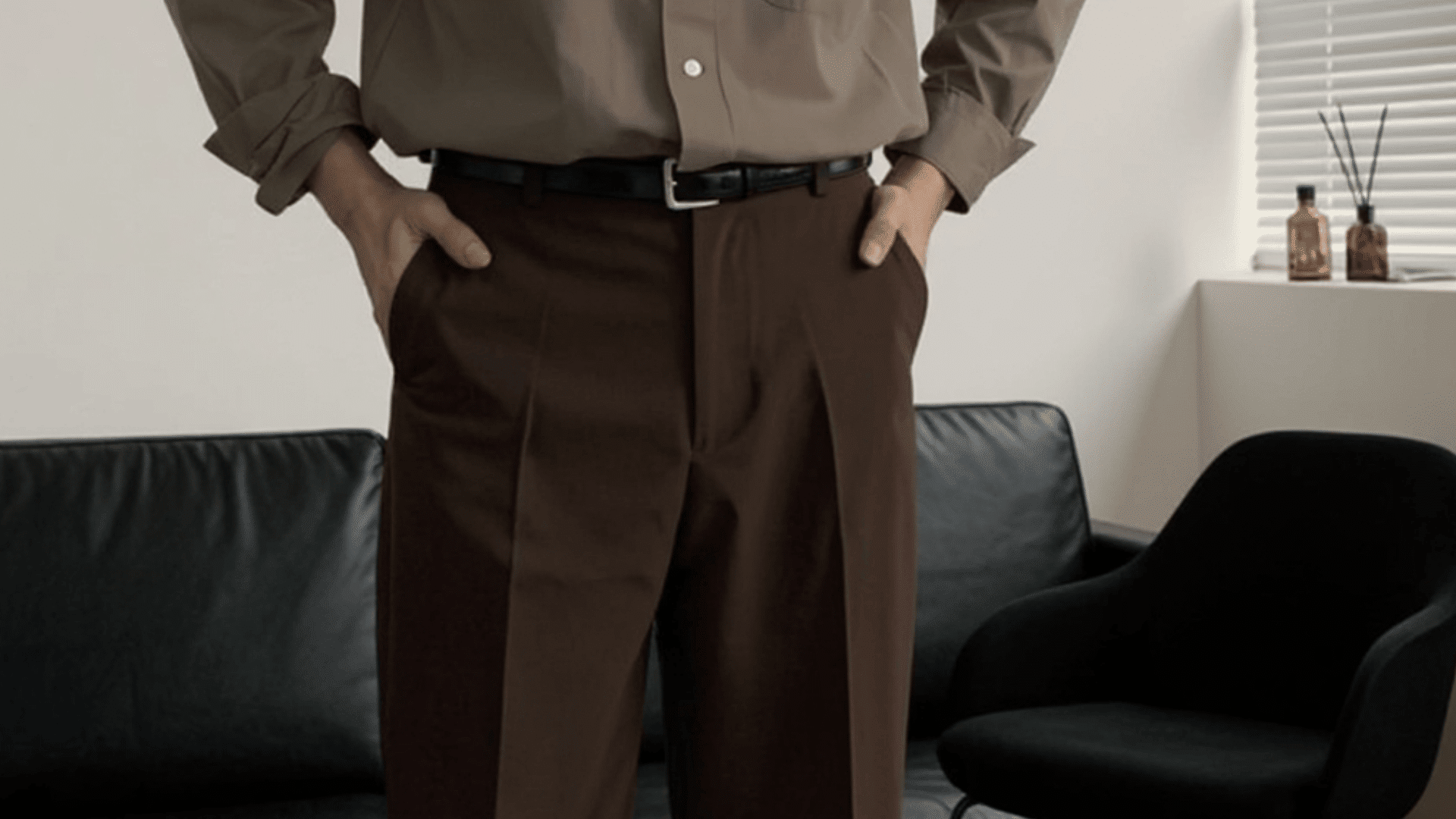

Some people in their 40s look a decade younger, while others seem to age faster than expected, and the difference is rarely just genetics.
Learning how to look younger is not about chasing unrealistic standards or spending a fortune on products.
It is about understanding what your skin actually needs, which habits are quietly adding years to your appearance, and what simple changes can make a real difference.
The answers might surprise you more than you expect.
Why People Start Looking Older?
Aging is natural, but certain habits and environmental factors can speed up the process, making you look older than your actual age.
Here are the most common reasons:
- Sun Damage: UV rays break down collagen in the skin, causing wrinkles, dark spots, and uneven tone.
- Poor Skincare Routine: Skipping cleansing, moisturizing, and sunscreen significantly accelerates visible skin aging.
- Lack of Sleep: Insufficient rest prevents skin repair, leading to dull skin and puffy eyes.
- Stress and Unhealthy Habits: Smoking, excess alcohol, and chronic stress strip skin of its natural glow.
Small changes in your daily habits can slow the signs of aging and help you look and feel your best.
At What Age Does Your Face Age the Most?
Research suggests that faces tend to age most noticeably during two key periods, around your mid-30s and again in your mid-50s.
In your 30s, collagen production begins slowing down, leading to early fine lines, slightly duller skin, and a gradual loss of firmness.
In your mid-50s, hormonal changes, particularly during menopause in women, accelerate volume loss, skin laxity, and deeper wrinkling.
Understanding these natural turning points helps you take proactive steps at the right time.
Daily Skincare Habits That Help You Look Younger
A consistent skincare routine is one of the most effective ways to maintain youthful skin and reduce visible signs of aging.
Below are the daily habits that truly make a difference:
1. Cleanse Your Skin Twice a Day
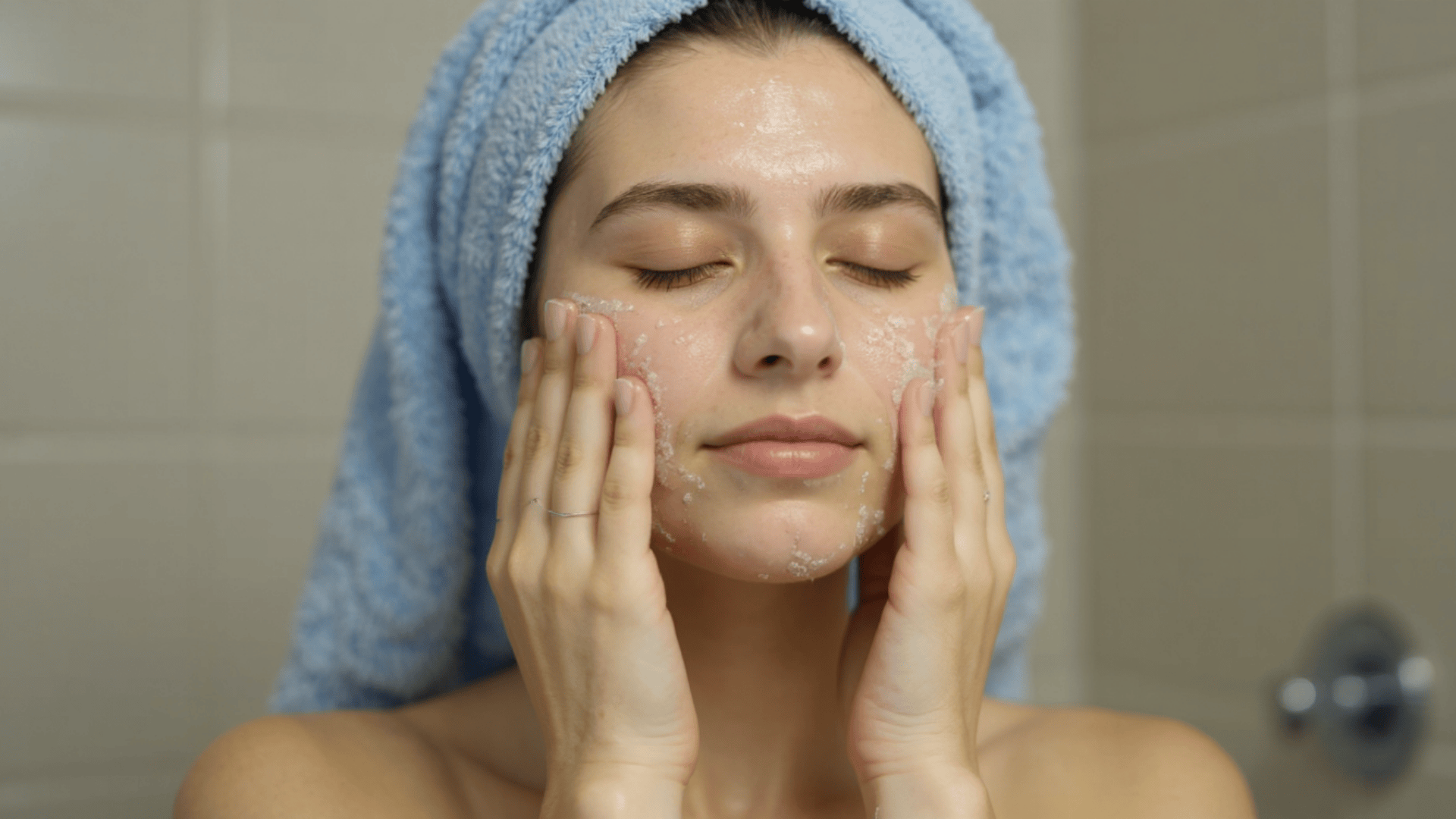
Cleansing your skin every morning and night is the foundation of any good skincare routine.
Throughout the day, your skin collects dirt, oil, pollution, and bacteria. Washing it twice daily prevents clogged pores, reduces breakouts, and keeps your complexion clear and fresh.
Use a gentle, sulfate-free cleanser that suits your skin type to avoid stripping away natural moisture.
Adding a body scrub for glowing skin to your weekly routine can further buff away dead skin cells and reveal a fresher, brighter complexion.
2. Use Sunscreen Every Day
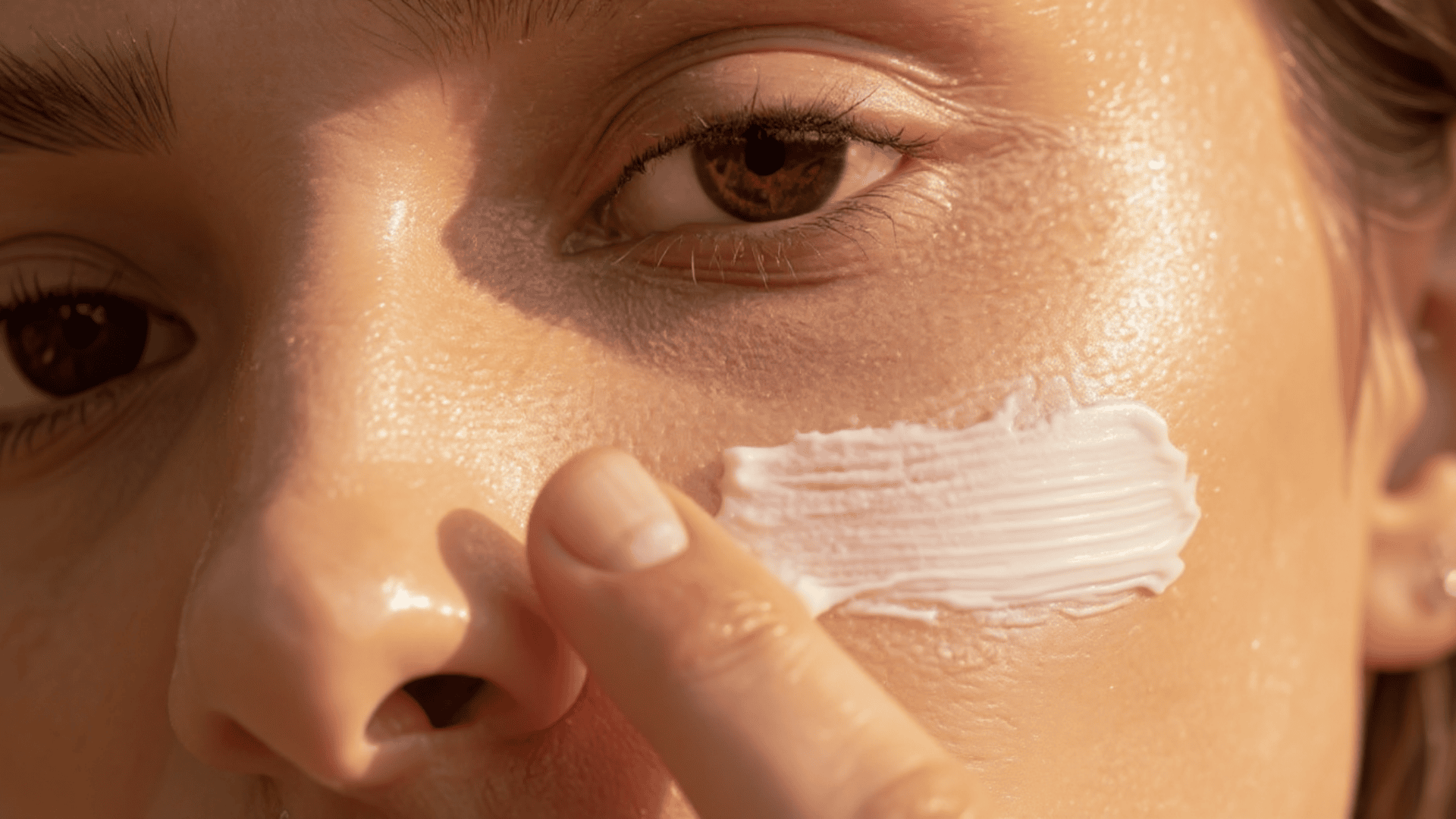
Sunscreen is the single most powerful anti-aging product you can use. UV rays are the leading cause of premature wrinkles, fine lines, and dark spots.
Popular picks like EltaMD UV Clear SPF 46 and Neutrogena Ultra Sheer Dry-Touch SPF 55 offer lightweight, non-greasy protection perfect for daily use.
Making this one habit alone can visibly slow down skin aging over time.
3. Add Moisturizer to Your Routine
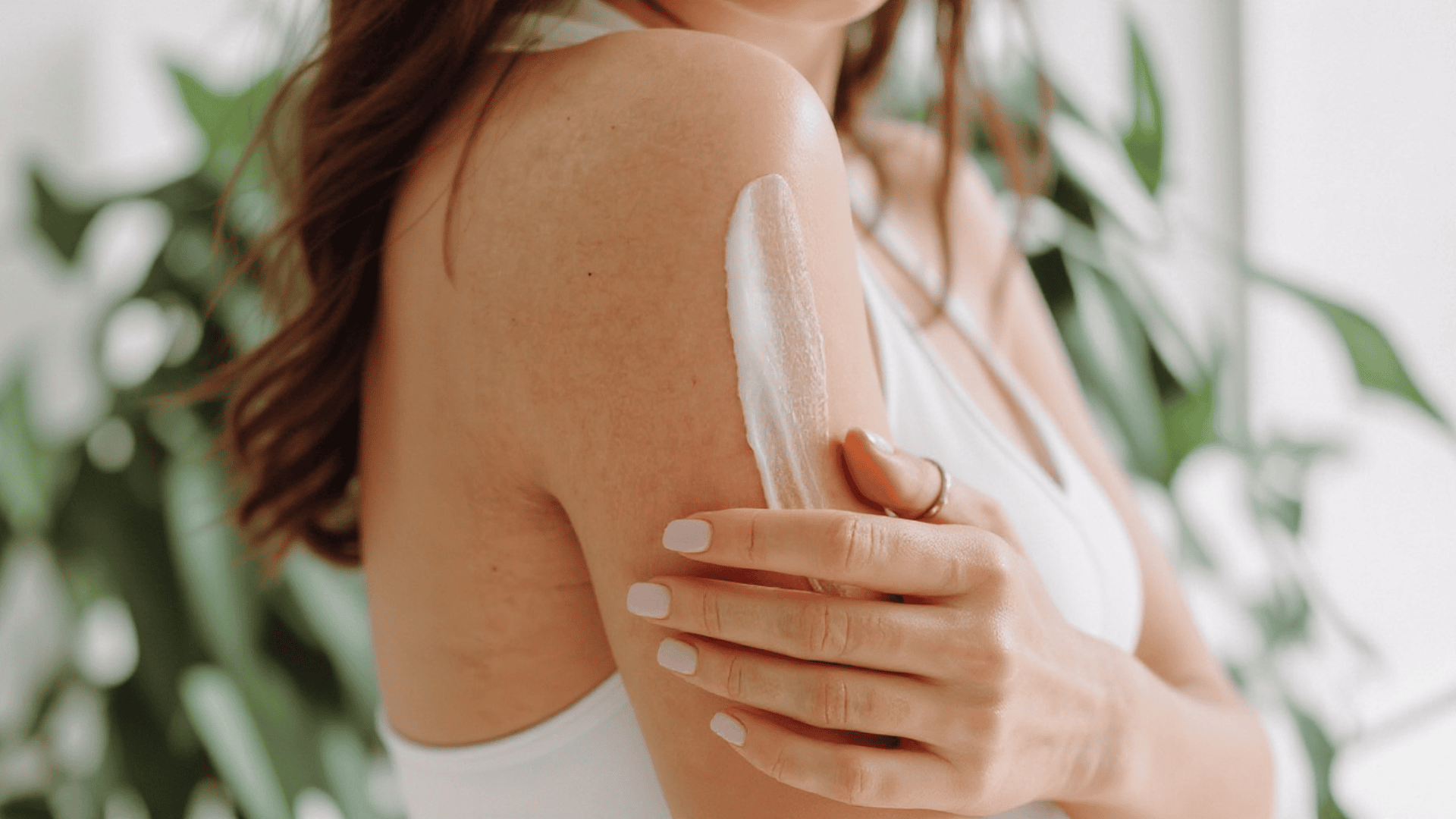
Moisturizing daily keeps your skin hydrated, plump, and smooth. As we age, skin loses its ability to retain moisture, which makes fine lines more visible.
A good moisturizer creates a protective barrier that locks in hydration and improves overall skin texture.
Choose one with ingredients like glycerin, ceramides, or niacinamide for best results.
4. Try Anti-Aging Ingredients
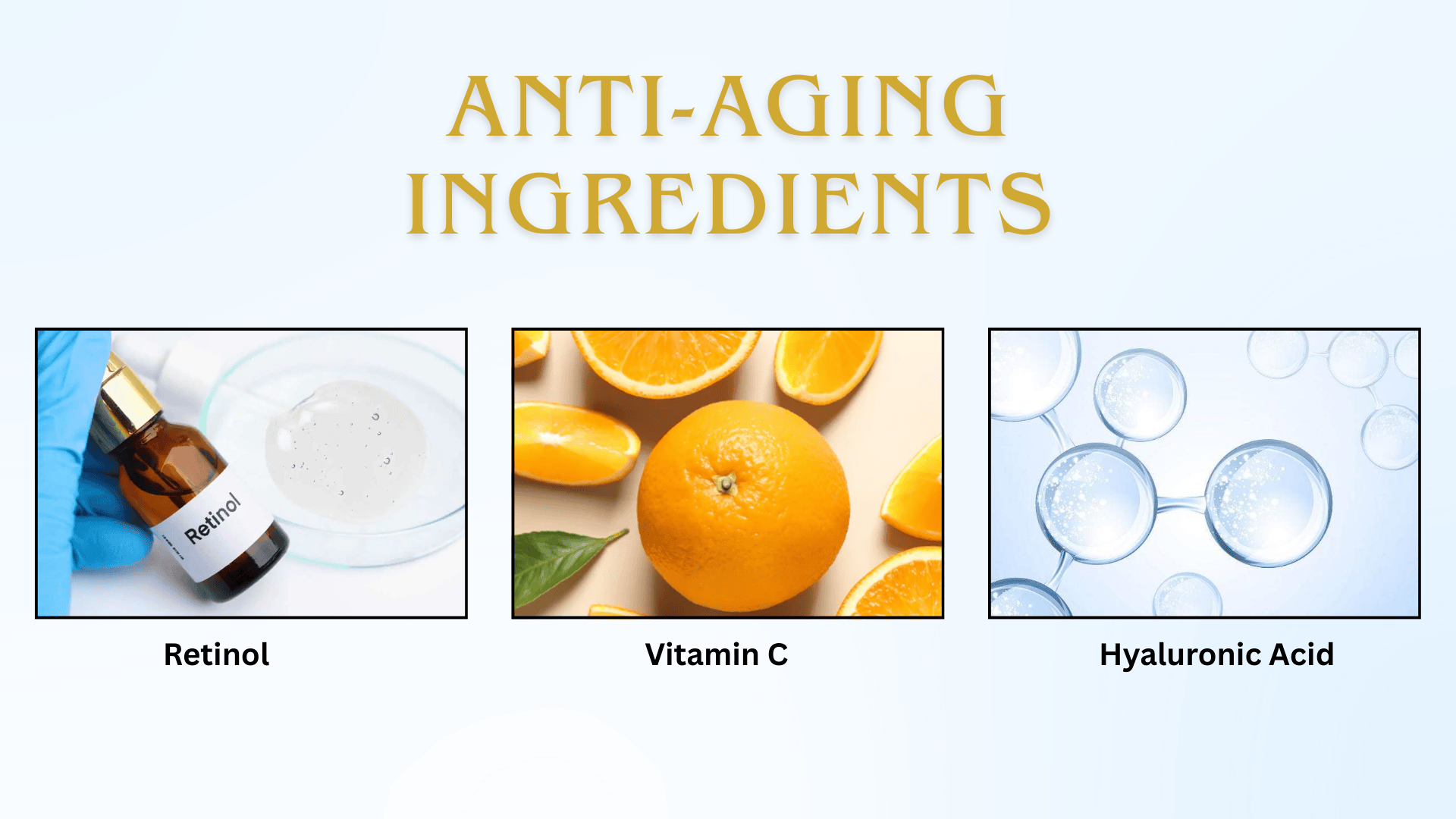
Adding targeted ingredients to your routine can significantly improve skin appearance over time.
Some of the most effective ones include:
- Retinol: Boosts collagen production and speeds up cell turnover, reducing fine lines.
- Vitamin C: Brightens skin tone, fades dark spots, and protects against free radical damage.
- Hyaluronic Acid: Deeply hydrates the skin, making it appear fuller and more youthful.
Building these simple skincare habits into your daily routine can make a noticeable difference in how your skin looks and ages over time.
Healthy Lifestyle Changes That Make You Look Younger
Your daily lifestyle habits play a much bigger role in how you look and age than most people realize.
The following are the key changes that can bring a visible difference to your skin and overall appearance:
5. Get Enough Sleep

Sleep is when your body does most of its repair work, including your skin.
During deep sleep, your skin produces collagen, recovers from daily damage, and reduces inflammation.
Aim for 7 to 9 hours of quality sleep every night. Poor sleep leads to dark circles, puffiness, and a dull complexion that can add years to your appearance.
6. Drink Enough Water
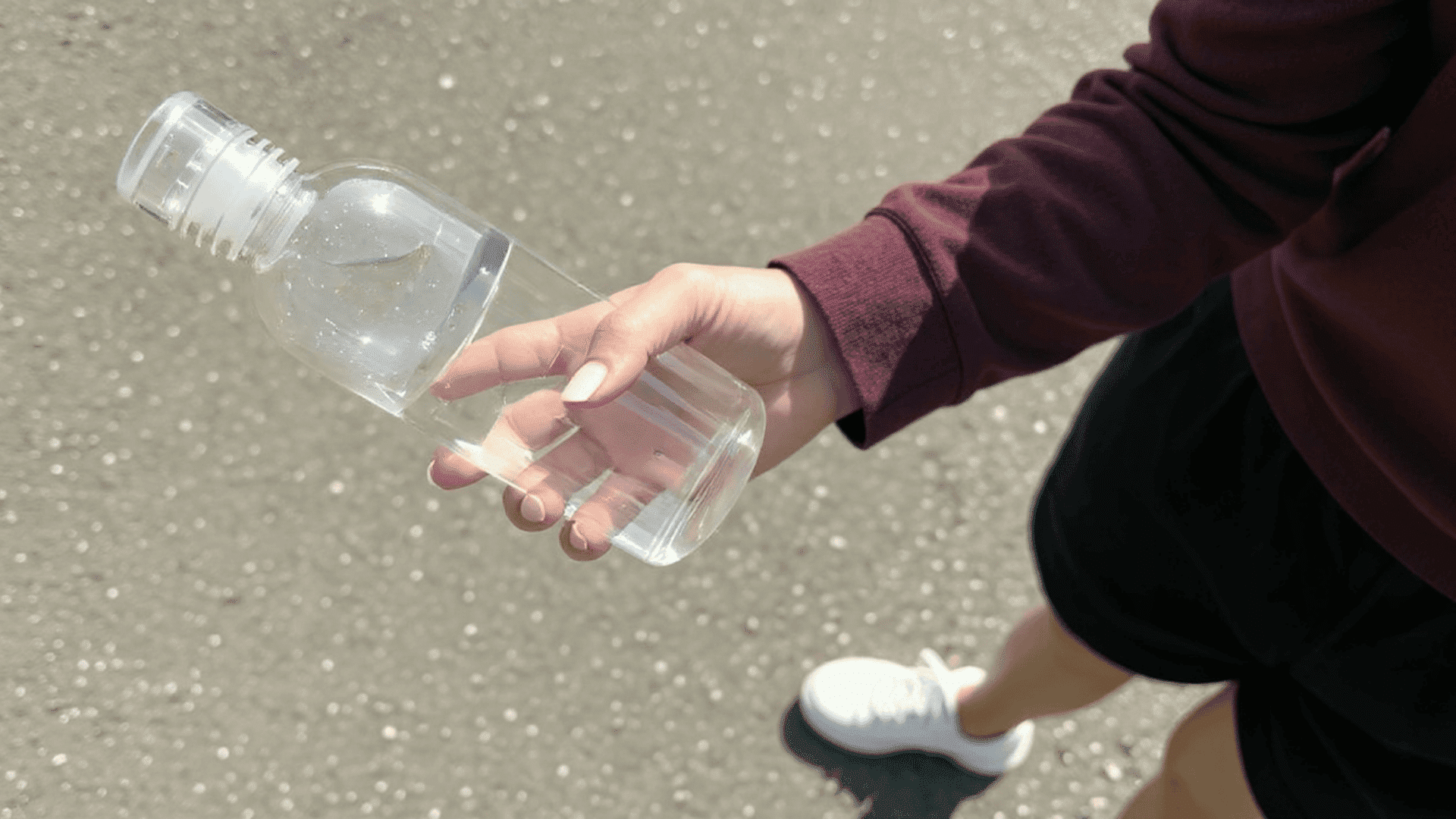
Hydration is one of the simplest yet most overlooked beauty habits. When your body is well hydrated, your skin looks plumper, smoother, and more radiant.
Dehydrated skin tends to look dry, tired, and more prone to fine lines.
Aim for at least 8 glasses of water daily, and limit drinks like coffee and alcohol, which can further dehydrate your skin.
7. Eat Skin-Friendly Foods
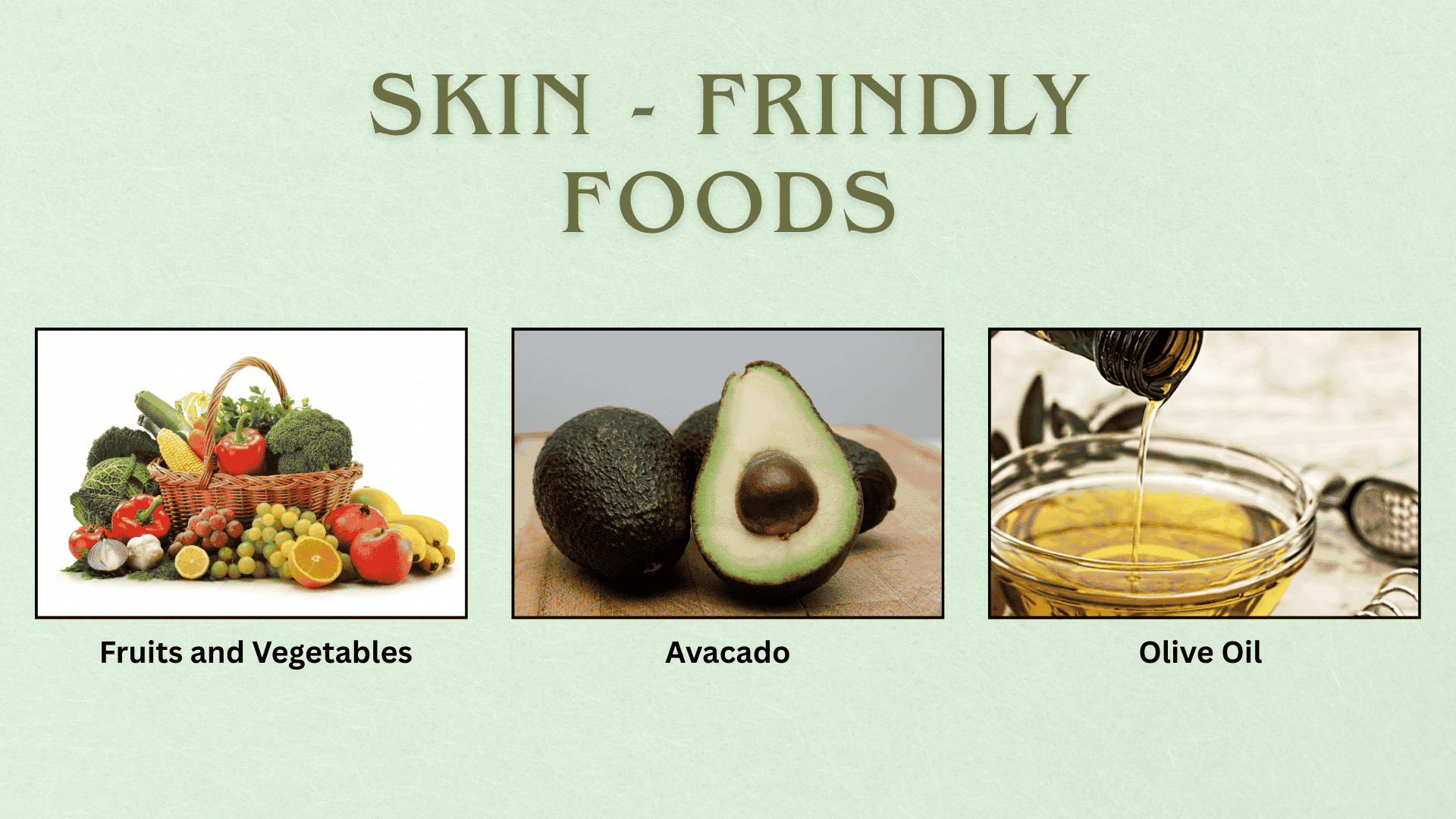
What you eat directly reflects on your skin. A diet rich in the right nutrients can slow down aging from the inside out. Focus on:
- Fruits and Vegetables: Packed with antioxidants that fight free radical damage and keep skin glowing.
- Healthy Fats: Foods like avocado, nuts, and olive oil maintain skin elasticity and moisture.
- Protein: Supports collagen production, keeping skin firm and reducing sagging over time.
8. Exercise Regularly
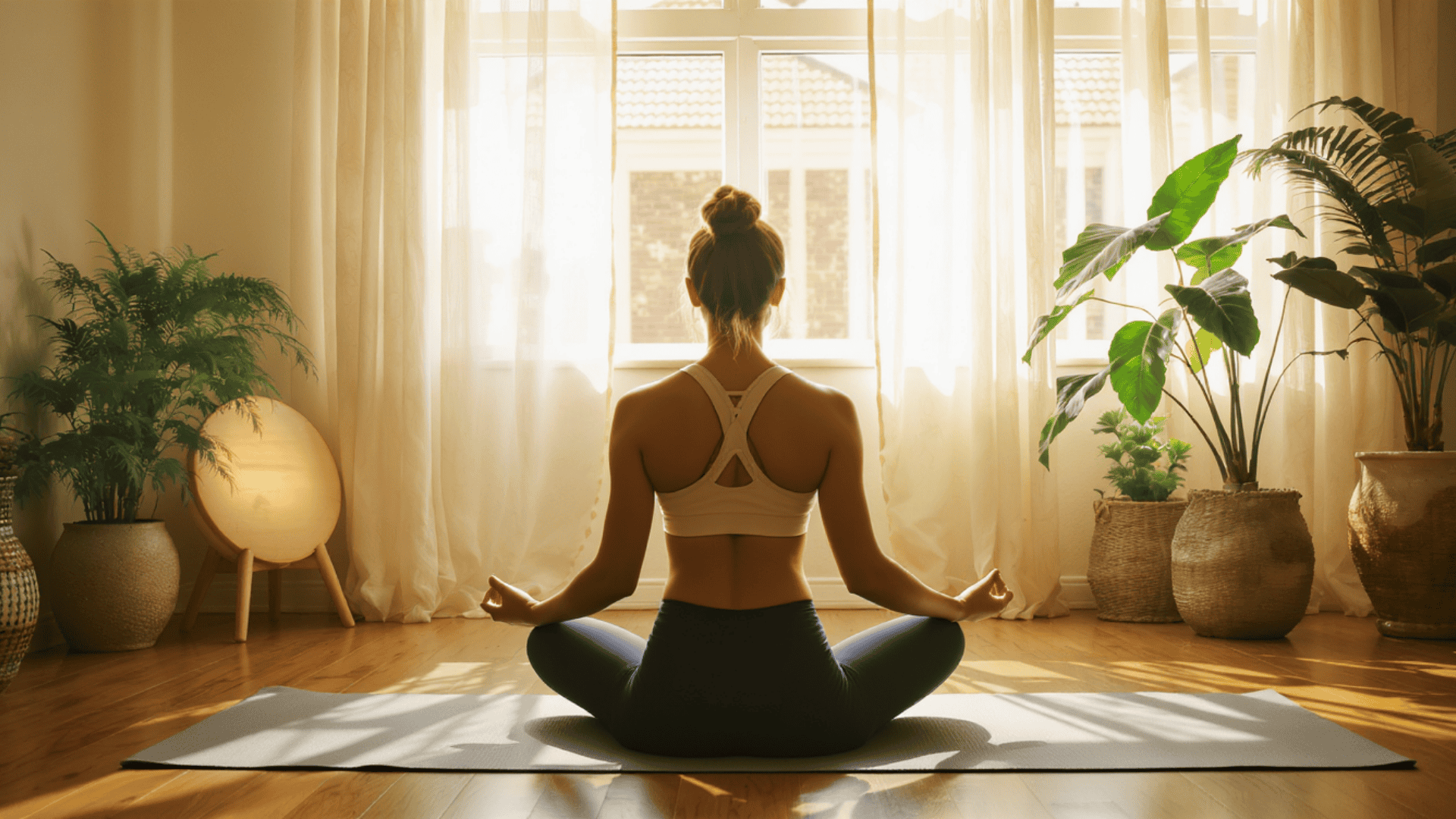
Regular physical activity does more for your appearance than just keeping your weight in check.
Exercise boosts blood circulation, which delivers more oxygen and nutrients to your skin cells, giving you a natural, healthy glow. It also reduces stress hormones that contribute to skin aging.
Even 30 minutes of moderate exercise most days can make a visible difference in how your skin looks and feels.
Adopting these lifestyle habits consistently is one of the most natural and effective ways to look younger and feel more energetic every single day.
Grooming and Styling Tips That Help You Look Younger
Sometimes looking younger has less to do with skincare and more to do with how you present yourself.
Some simple grooming and styling changes that can take years off your appearance:
9. Choose a Flattering Hairstyle
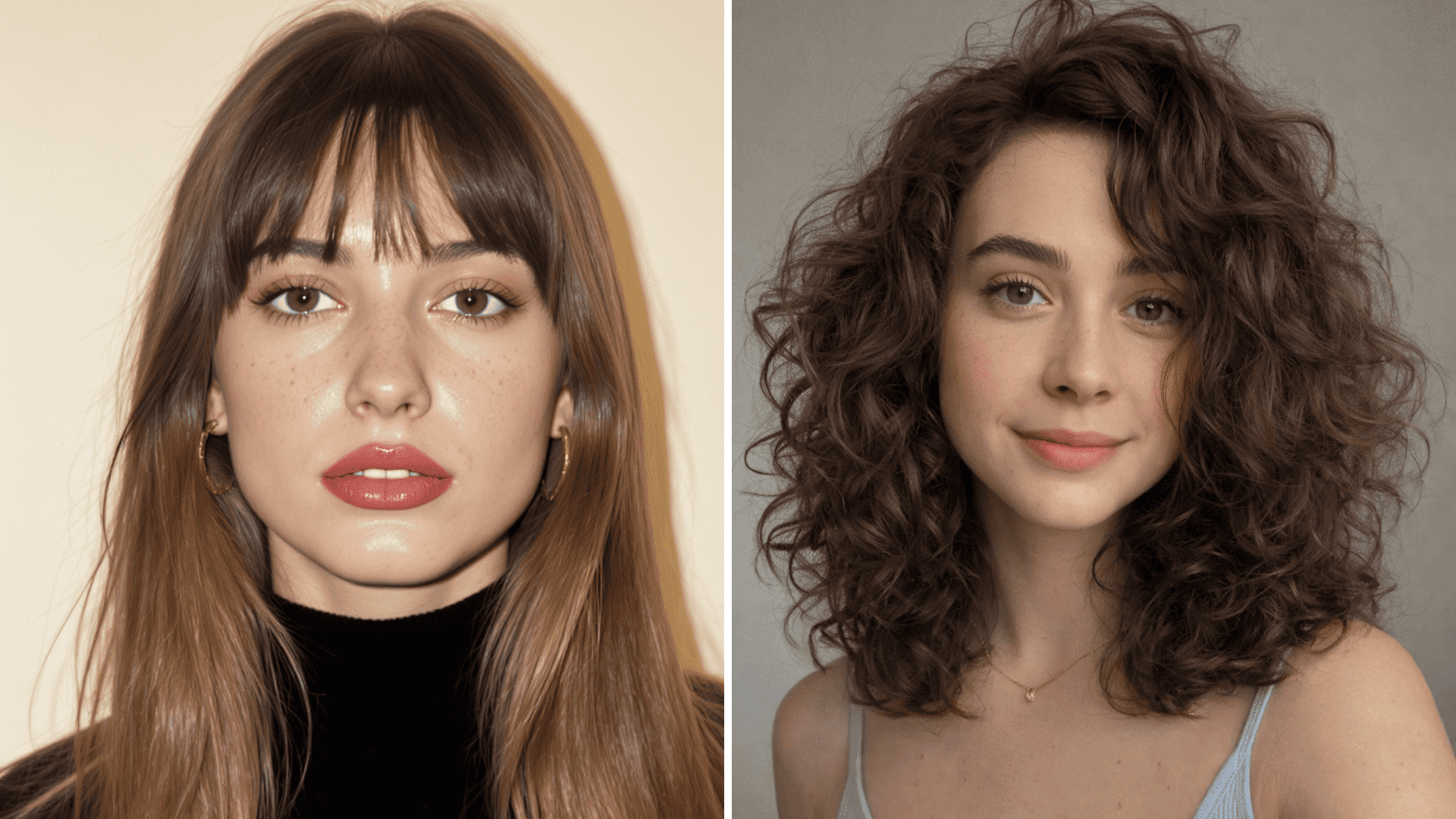
Your hairstyle can either add years to your look or instantly make you appear more youthful.
Different bang styles, soft layers, face-framing cuts, and modern trends help lift the face and create a fresher look. Avoid stiff or outdated styles that age you.
Consulting a skilled hairstylist who understands face shapes can help you find the most flattering cut for your features.
If you have natural curls, following a proper curly-hair routine can enhance your texture, add bounce, and give your overall look a more youthful, defined finish.
10. Update Your Wardrobe

Wearing outdated or ill-fitting clothes can age your appearance more than you think.
Well-fitted clothing that suits your body shape instantly makes you look more put together and youthful. You don’t need a complete wardrobe overhaul.
Simply replacing a few key pieces with modern, well-fitted basics in flattering colors can make a surprisingly big difference in how young and confident you look.
11. Groom Eyebrows and Facial Hair
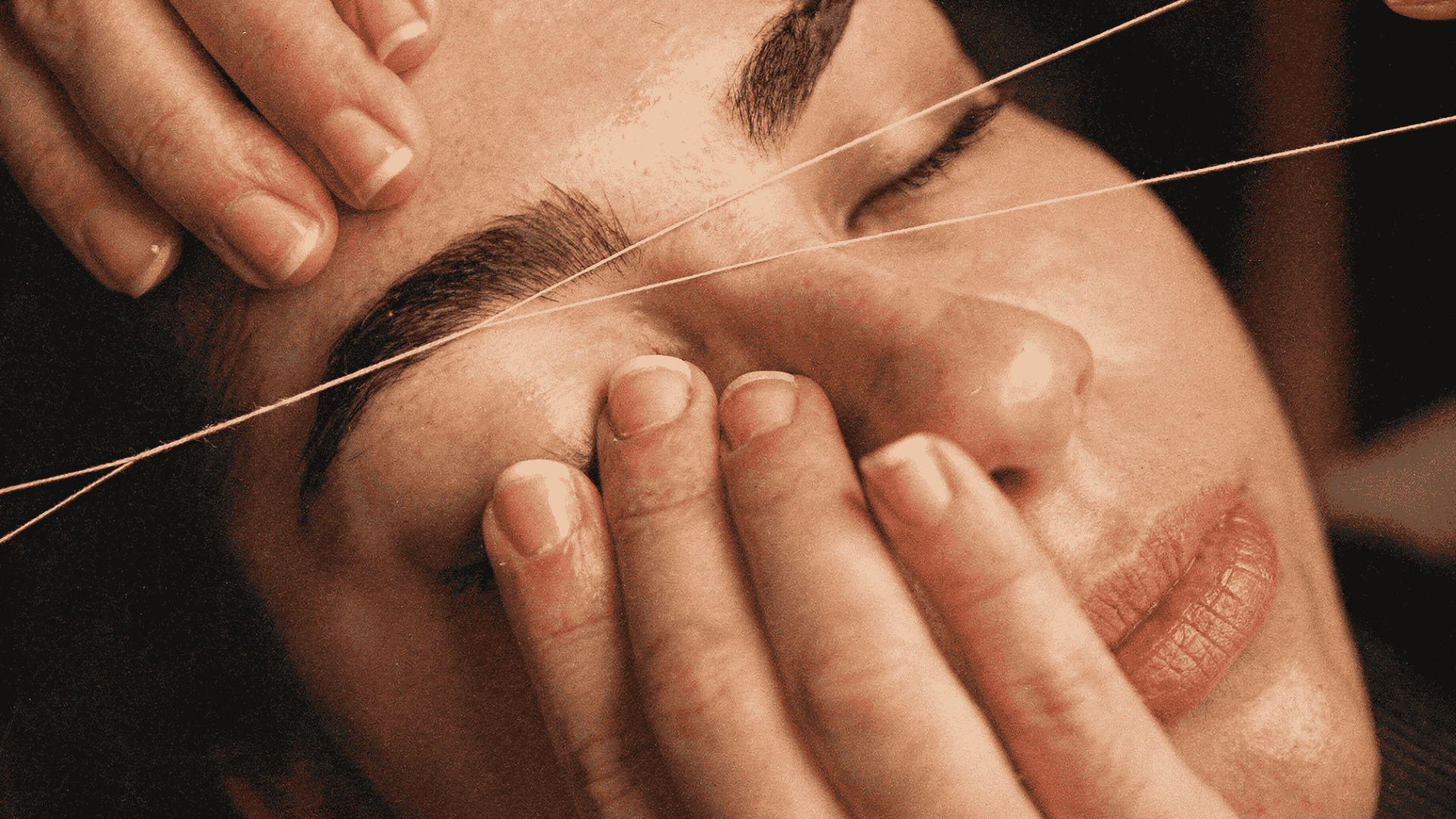
Well-groomed eyebrows and facial hair can completely transform the way your face looks.
Eyebrows naturally thin and lose shape with age, so keeping them neatly defined adds structure and youthfulness to your face.
For men, a clean, well-maintained beard or a fresh shave can significantly sharpen facial features.
Regular grooming of these areas frames your face and gives an overall polished, well-kept appearance.
12. Improve Your Posture

Good posture is one of the most underrated yet instantly effective ways to look younger and more confident. Slouching can make you appear tired, heavy, and older than you actually are.
Standing tall, with your shoulders back and your chin slightly lifted, projects energy and confidence.
Simple daily habits like stretching, strengthening your core, and being mindful of how you sit and stand can lead to noticeable improvements over time.
Looking younger is not just about skin and products.
Paying attention to how you carry yourself and present your appearance can make just as powerful an impact as any skincare routine.
Makeup Tips to Look Younger
The right makeup techniques can enhance your natural features, brighten your complexion, and take years off your appearance.
Key tips to keep in mind:
13. Use a Lightweight Foundation
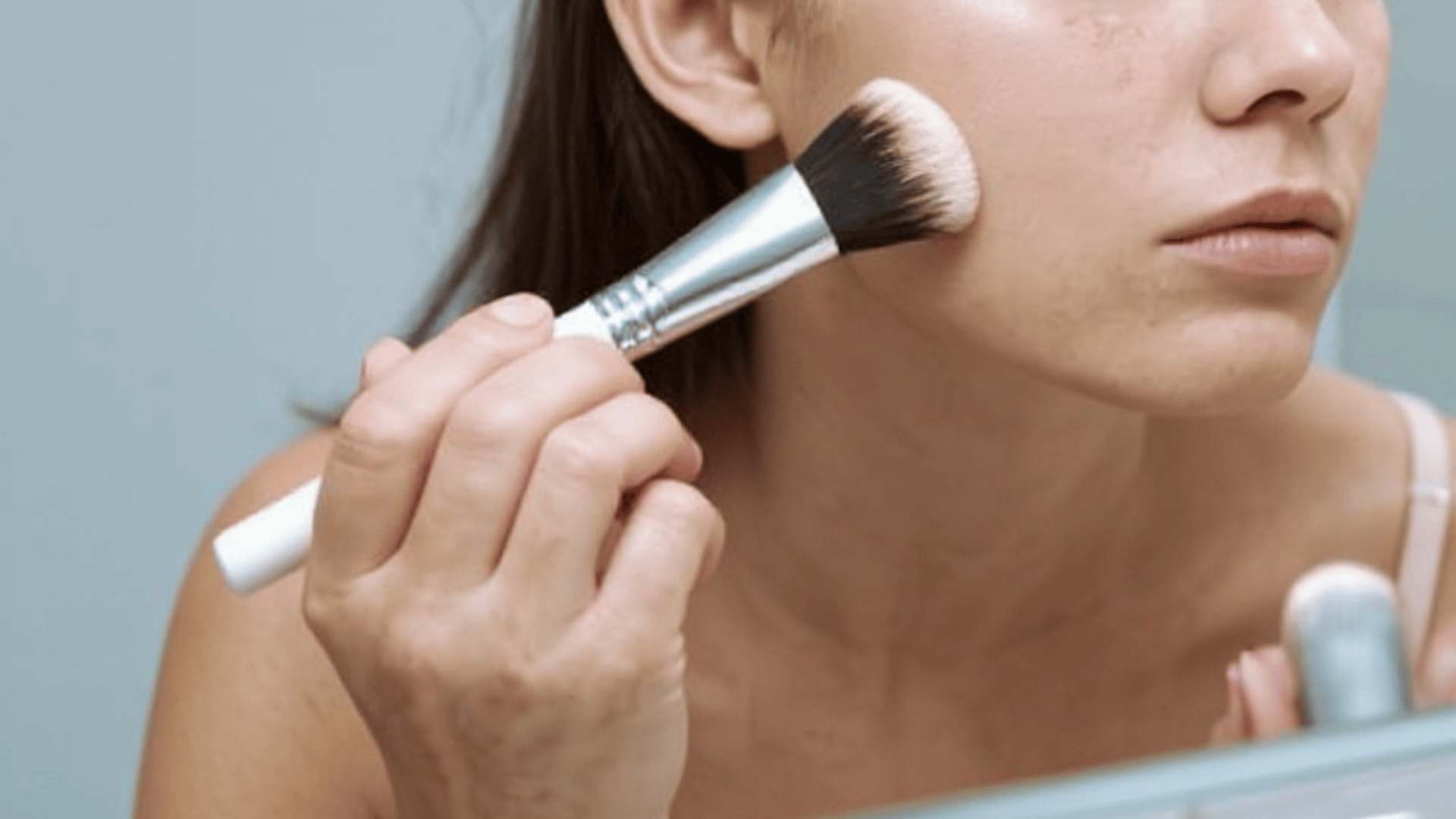
Heavy, full-coverage foundations tend to settle into fine lines, creases, and pores, which can actually make skin look older and more textured.
Instead, opt for a lightweight, dewy, or satin-finish foundation that evens out your skin tone without completely masking it.
A light-handed application with a damp beauty sponge gives a more natural, skin-like finish that looks fresh and youthful throughout the day.
14. Focus on Bright Eyes
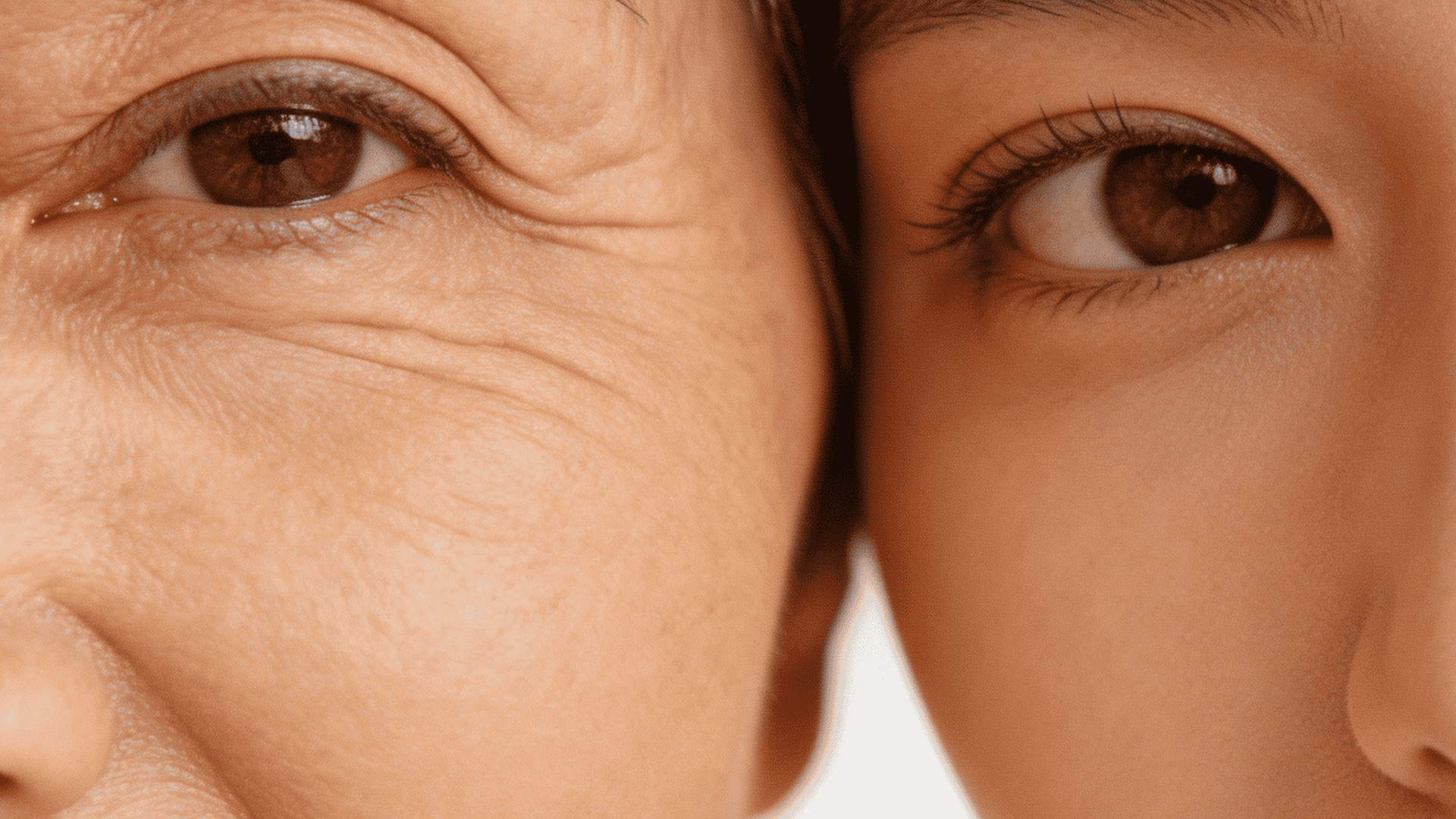
The eyes are often the first area to show signs of aging, making them the most important area to address with makeup.
A good concealer applied under the eyes can instantly neutralize dark circles and reduce the appearance of puffiness.
A few coats of lengthening mascara on upper lashes open the eyes and make them look bigger and more awake. Avoid heavy eyeliner on lower lash line as it can make eyes look smaller and tired.
15. Use Cream-Based Products
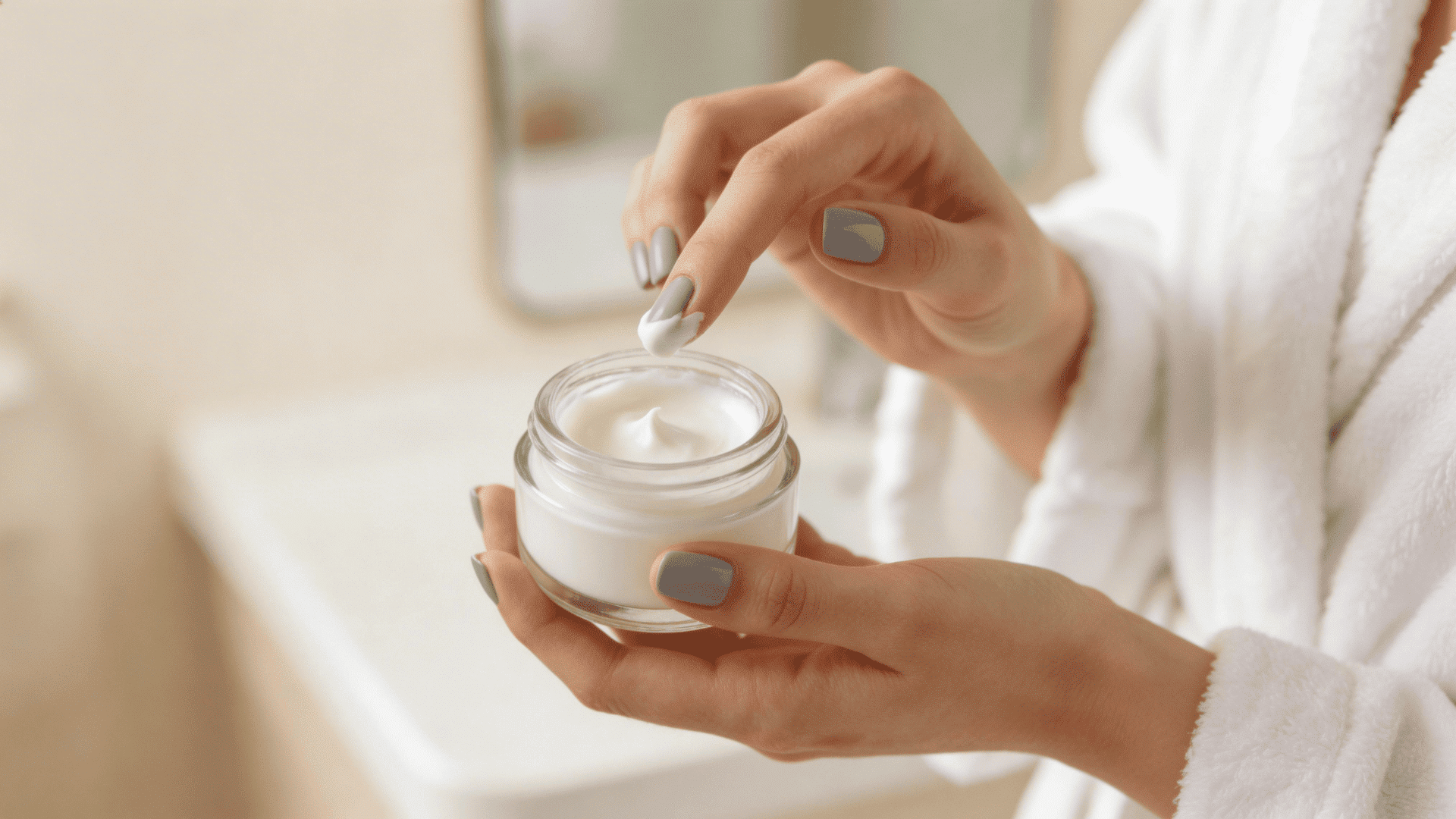
As skin matures, it becomes drier and loses volume, so powder-based products can accentuate texture and fine lines.
For budget-friendly options, Maybelline Cheek Heat Gel-Cream Blush and NYX Bright Maker Highlighter deliver a gorgeous, dewy finish without breaking the bank.
Apply to cheeks and cheekbones for a natural, radiant, lifted look.
Professional Treatments That May Help
While good skincare and lifestyle habits go a long way, some professional treatments can deliver faster, more targeted results for visible signs of aging.
The most commonly sought options worth knowing about:
16. Chemical Peels
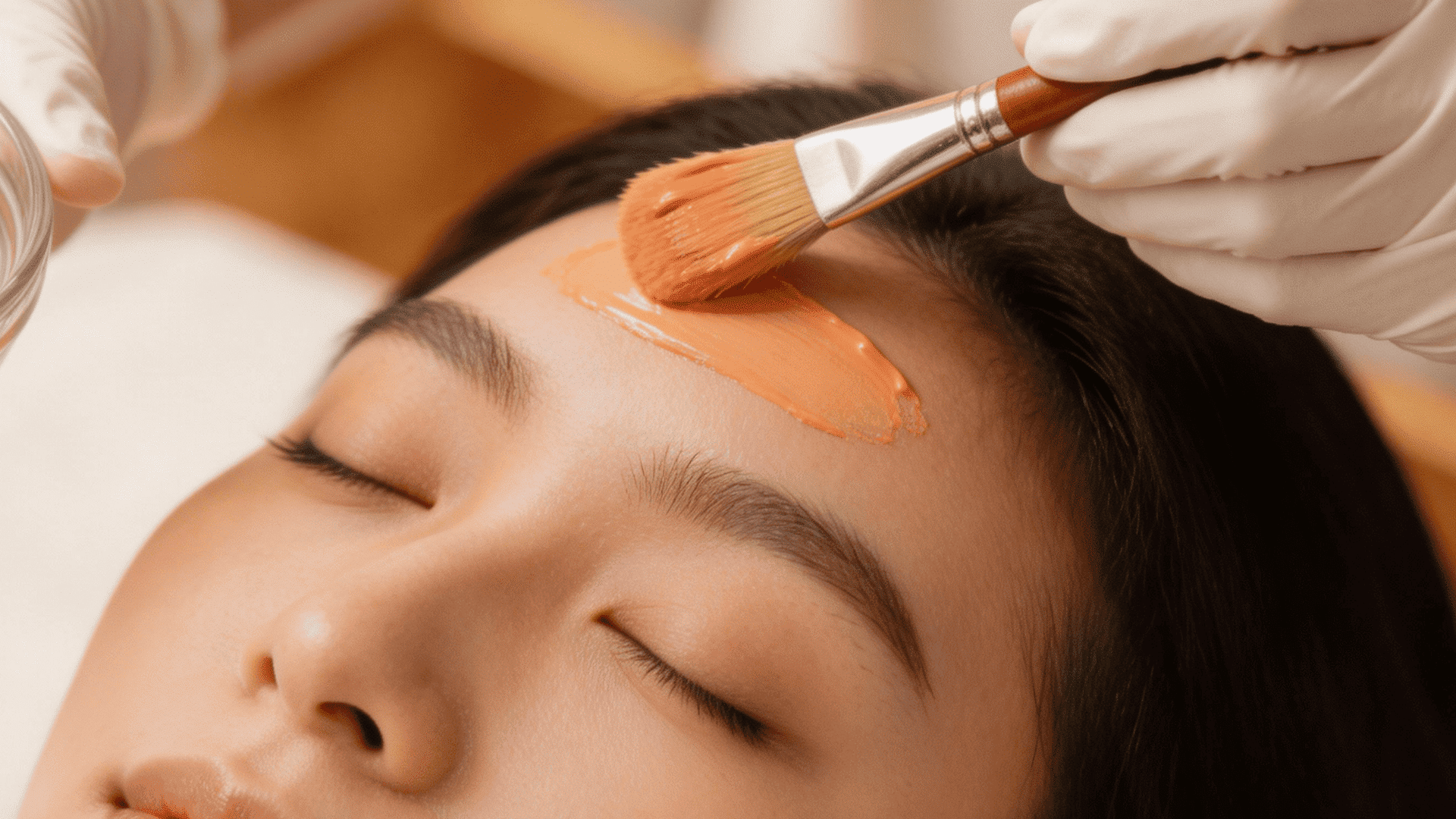
A chemical peel is a professional skin treatment that uses a carefully formulated solution to exfoliate and remove the dull, damaged outer layers of skin.
This process stimulates new skin cells, revealing a smoother, brighter, and even complexion. Chemical peels can address:
- Fine lines and wrinkles caused by sun damage and aging.
- Dark spots and pigmentation for a more even skin tone.
- Dull and rough skin texture that makes skin look tired and aged.
Results depend on peel depth, and multiple sessions may be needed for best results.
17. Laser Skin Treatments
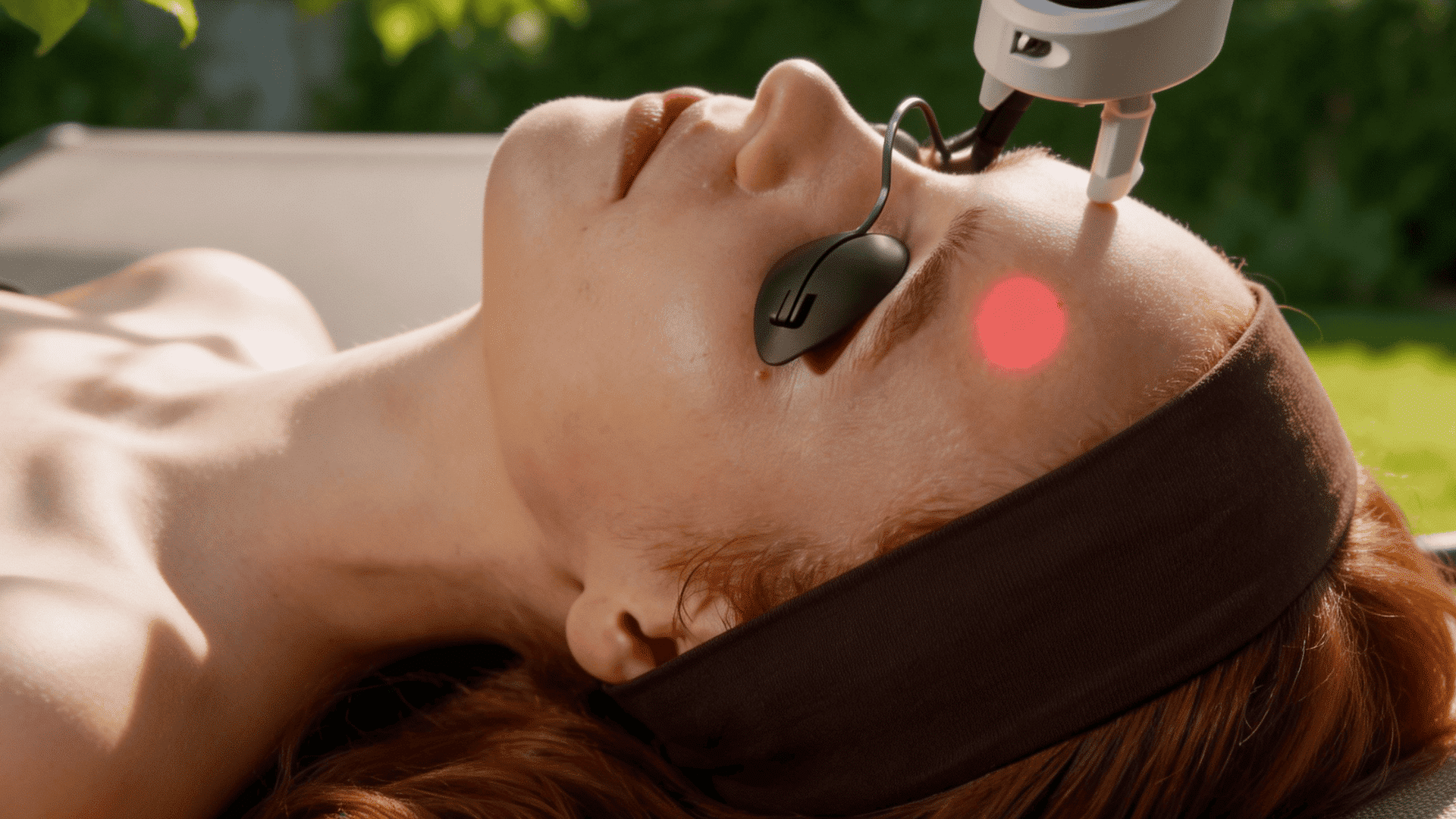
Laser treatments use concentrated light to target skin issues deeper than topical products.
They effectively reduce wrinkles, tighten skin, fade pigmentation, and enhance skin tone and texture.
Options vary from gentle non-invasive procedures to intensive resurfacing. A dermatologist can recommend the best type for your skin and goals.
18. Botox and Fillers
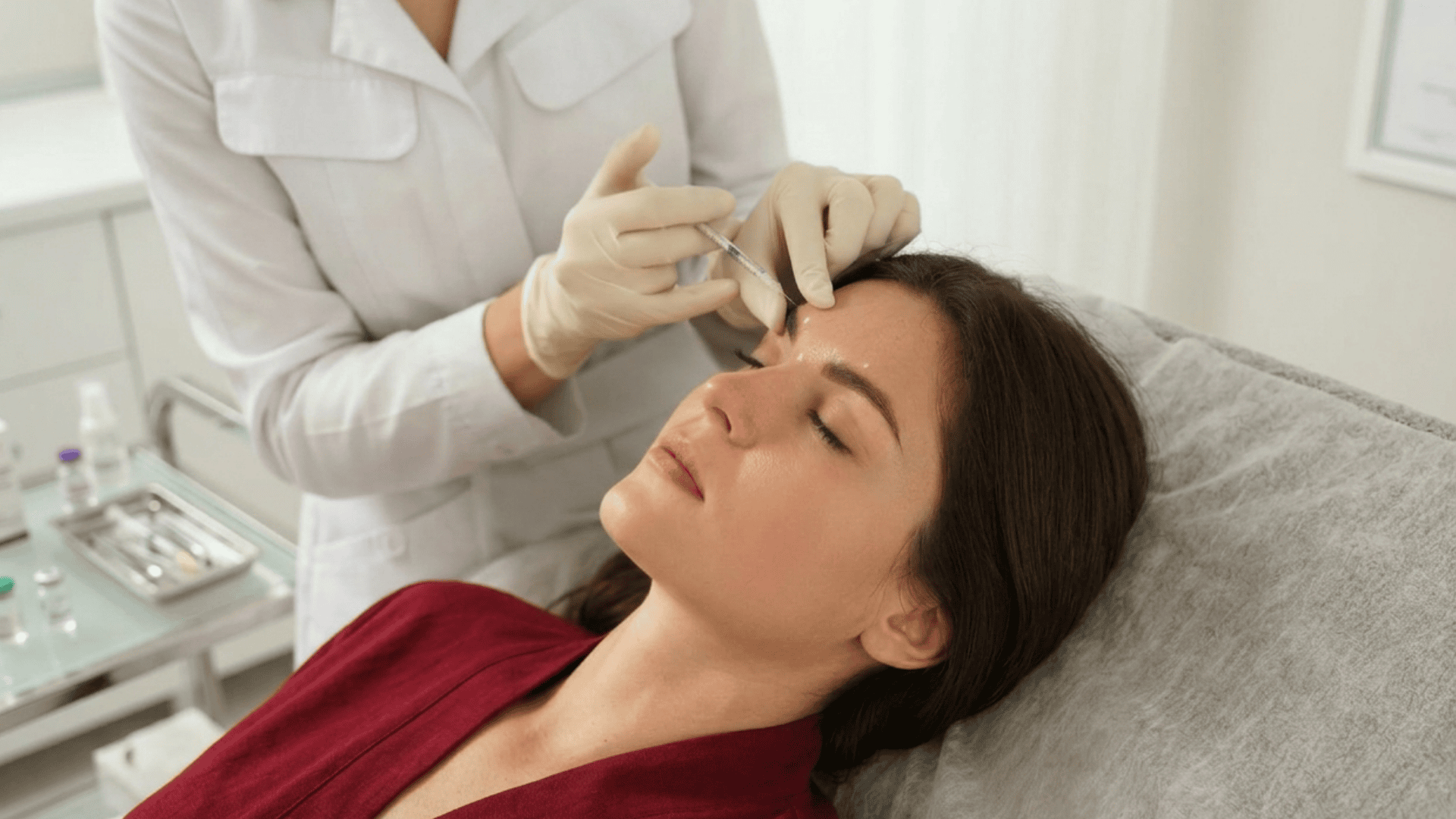
Botox and dermal fillers are popular non-surgical cosmetic treatments for a younger appearance.
Botox relaxes muscles, causing expression lines like forehead creases, frown lines, and crow’s feet.
Dermal fillers restore volume in cheeks, lips, and under the eyes, making the face fuller and lifted.
Both are quick, minimally invasive, and yield noticeable results with little to no recovery time.
Professional treatments can be a great complement to your everyday skincare and lifestyle routine.
However, it is always important to consult a certified and experienced dermatologist or cosmetic professional before pursuing any treatment to ensure it is safe and suitable for your specific skin needs.
Common Mistakes That Make You Look Older
Taking care of your appearance is not just about what you do, but also about what you avoid. Many people unknowingly follow habits that add years to their look without even realizing it.
Below are the most frequent mistakes to identify and fix:
- Skipping Sunscreen: UV rays silently break down collagen, causing premature wrinkles, dark spots, and uneven skin tone.
- Overusing Heavy Makeup: Thick foundation and heavy powder settle into fine lines, making skin look older and cakey.
- Poor Sleep Schedule: Lack of sleep causes dark circles, puffiness, dull skin, and accelerates visible signs of aging.
- Ignoring Skincare Routine: Skipping daily cleansing, moisturizing, and sunscreen allows skin damage to accumulate gradually over time.
Avoiding these common mistakes costs nothing but a little awareness and consistency.
Sometimes the most powerful anti-aging step is simply stopping the habits that are silently working against you.
Conclusion
Throughout this blog, we covered everything that goes into looking younger, starting from understanding why skin ages faster than it should, to building a daily skincare routine that actually works.
We talked about how lifestyle habits like sleep, hydration, diet, and exercise quietly shape the way your skin looks every single day.
Grooming, styling, and the right makeup techniques proved that small appearance changes can make a surprisingly big impact.
Professional treatments offer an extra push when needed, and avoiding common mistakes can stop unnecessary aging in its tracks.
Ultimately, knowing how to look younger comes down to consistency, awareness, and a few smart daily choices that your future self will absolutely thank you for.
Have you tried any of these tips? Which one is your personal favorite? Drop your experience or go-to tip in the comments below!
Frequently Asked Questions
Why is Gen Z Looking so Old?
Heavy screen use, poor sleep, stress, and high sugar intake can affect skin early. Frequent exposure to blue light and strong makeup trends may also make young faces appear older.
What is the Japanese Secret to Anti-Aging?
Japanese routines focus on sunscreen, gentle skincare, a healthy diet, green tea, and staying well hydrated. Regular use of lightweight products and daily sun protection helps maintain smooth, healthy skin.
How to Look 25 at 40?
Follow a consistent skincare routine, use sunscreen daily, sleep well, stay hydrated, and exercise regularly. Simple grooming, healthy food choices, and proper posture can also help maintain a youthful appearance.