
Brown is one of the most debated colors in fashion. Some see it as refined and grounded, while others dismiss it as dull or forgettable. So what actually happens when brown shows up in an outfit?
Unlike bold shades that grab attention instantly, brown works in a quieter way. It doesn’t compete for the spotlight, yet it still shapes how someone is perceived.
In some settings, it signals calm confidence and reliability. In others, it risks blending into the background.
This raises a simple but interesting question. Can a color that doesn’t try to stand out still be attractive?
The answer lies in how people respond to color, not just visually, but psychologically.
From first impressions to social perception, brown plays a subtle role that often goes unnoticed but still matters, especially when applied using clear brown-on-brown outfit rules that build depth without relying on bold colors.
Is Brown An Attractive Color To Wear? What Evidence Suggests
Attractiveness is often linked to visibility, emotion, and perception, and while brown may not dominate attention alone, it becomes more effective when paired with the best colors with brown that add contrast and balance.
Brown does not rank as a high-arousal color. Unlike red or black, which are often tied to attraction and dominance, brown sits on the lower end of visual intensity.
It draws less immediate attention, which can make it seem less striking at first glance.
However, studies and color psychology research point to a different kind of appeal.
Brown is associated with reliability, comfort, and stability. These traits may not create instant attraction, but they can build trust and long-term positive impressions.
Overall, brown is not a high-impact attraction color, but it holds its own in a quieter way. Its appeal comes from stability and subtle presence rather than bold visual pull.
The Science of Attraction and Clothing Color
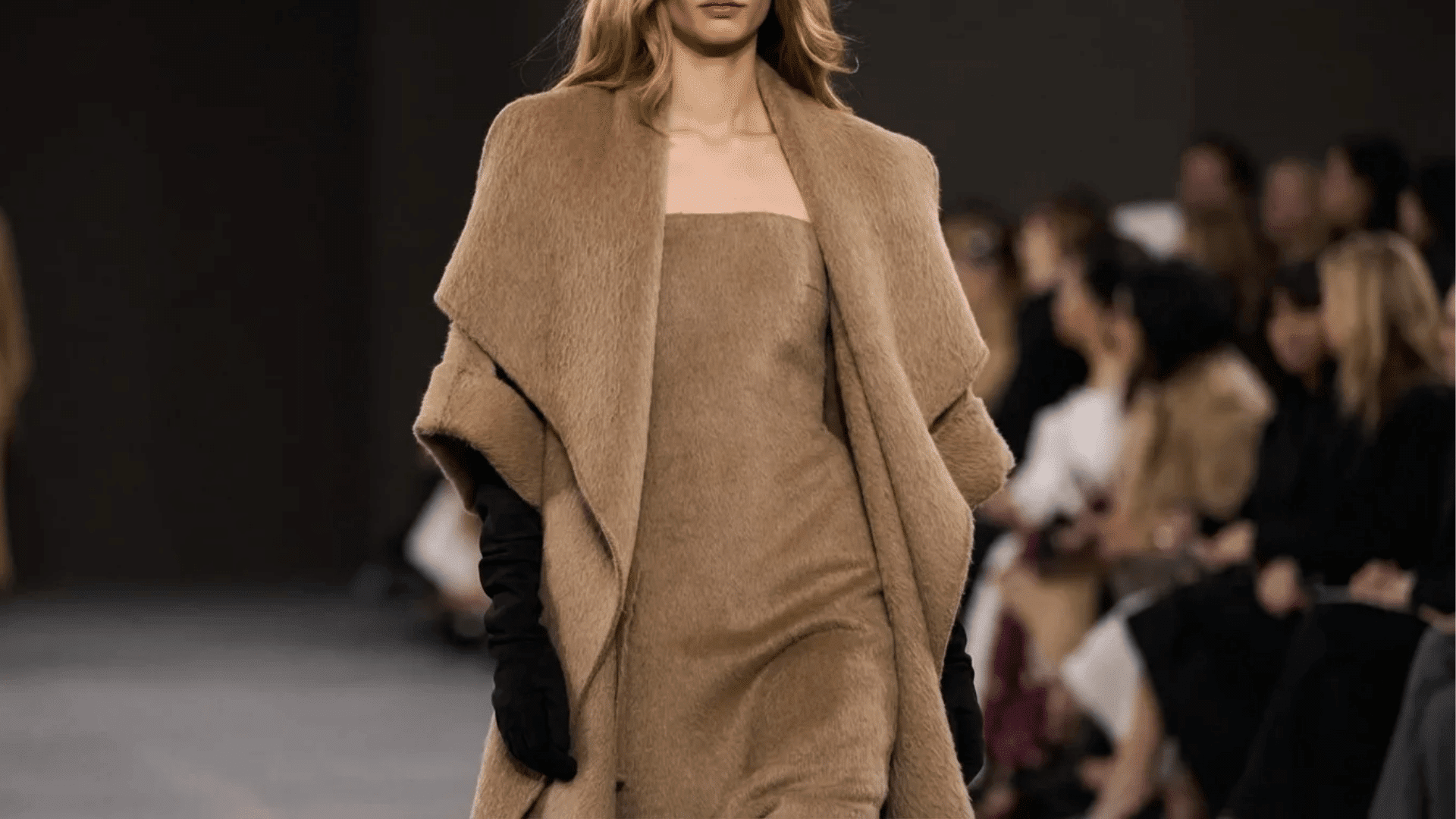
Attraction is not random. Color directly affects how people notice, judge, and remember what someone is wearing.
Why Bright Colors Often Rank Higher in Attraction Studies?
Bright colors like red and black rank higher because they grab attention fast. Red signals confidence and desire, while black suggests power. Brown is softer and less noticeable in quick first impressions.
The Role of Context in Attractiveness
Context matters. Bold colors stand out in social or high-energy settings. Brown works better in calm or professional spaces where a balanced look feels right. It also depends on how well the color matches your personality.
When Brown Attracts Attention And When It Doesn’t?
Brown feels calm and reliable but doesn’t stand out on its own. It usually needs contrast, texture, or strong styling to catch attention. For example, brown jackets, knitwear, or even Printify hoodies in rich chocolate or earthy tones can add visual depth while maintaining the color’s warm and approachable appeal. Online, it can look richer due to lighting, but in real life, it may appear more muted.
It works best in relaxed or professional settings where subtle authority fits. In high-energy or attention-driven spaces, it can feel too quiet. Confidence, fit, and overall styling play a big role in how noticeable it becomes.
The Psychology Behind Brown Clothing
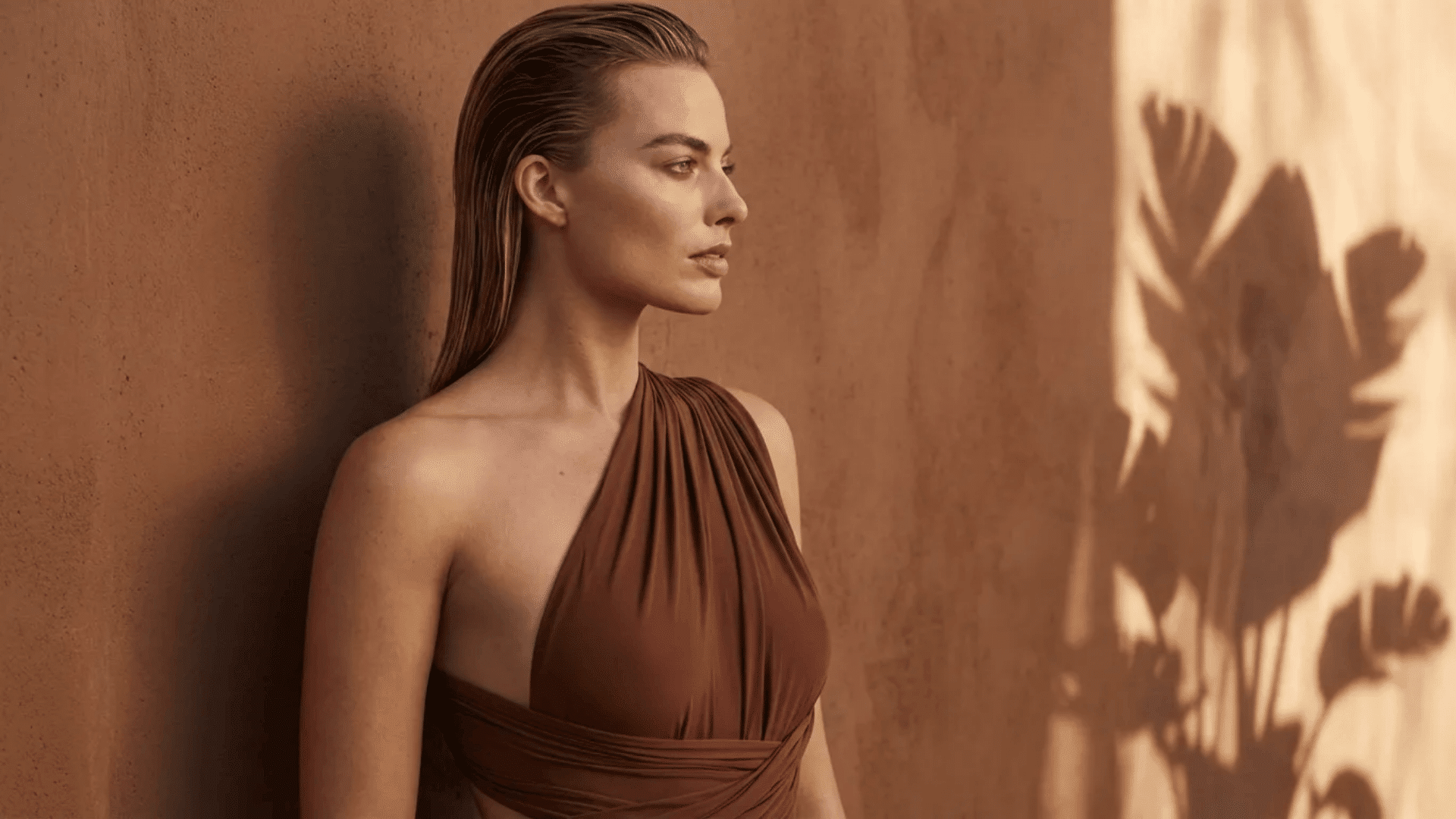
Color psychology helps explain how brown is perceived at a glance. It doesn’t shout for attention, but it quietly shapes how a person is read.
- Feelings Brown Commonly Triggers: It Signals stability, reliability, and a grounded nature.
- When Brown Can Feel Dull or Heavy: It can come across as overly serious or low-energy.
- Cultural And Emotional Differences In Interpretation: Meanings shift across cultures and personal experiences. Some see warmth and security, others see plainness or negativity.
Overall, brown creates a steady impression that depends on how it’s worn and the context around it.
What Research Says About Brown Clothing and Human Behavior?
Scientific studies move past opinion and focus on measurable reactions. Clothing color doesn’t just change how an outfit looks. It can influence behavior, perception, and social response in subtle but real ways.
- Clothing Color and Behavioral Influence: Research suggests that wearing softer, low-intensity colors like brown may reduce overstimulation.
- Observer Reactions to Neutral Colors: Brown, in particular, is often viewed as stable and non-threatening.
- The Link Between Color and Identity Expression: Brown does not demand attention but communicates consistency and restraint.
Brown quietly shapes how you’re perceived, not by standing out, but by signaling calm, stability, and a steady presence.
Final Takeaway
Brown may not grab attention instantly, but it holds a steady kind of appeal that builds over time. It signals calm, reliability, and control rather than boldness or intensity.
Its impact depends on context, styling, and presence. In quieter or professional environments, brown feels balanced and appropriate. In louder settings, it may need contrast or stronger elements to stand out.
Brown proves that attraction is not always about being the loudest in the room. Sometimes, a composed and grounded look leaves a stronger impression.
Got a take on brown outfits? Share thoughts in the comments or pass this along to someone who’s rethinking their wardrobe choices.
Frequently Asked Questions
Why Is The Color Brown So Popular Now?
It is literally the antidote to years of cool gray after a decade of gray. Buyers and designers are craving warmth and feel that brown instantly softens the space and adds dimension without feeling It signals quiet luxury.
What Colors Make Brown Look Rich?
To achieve a sophisticated look with chocolate brown furniture, consider pairing it with deep jewel tones like emerald green, sapphire blue, or ruby red for a rich and elegant contrast.
Is Brown A Trendy Color Right Now?
Designers like Miu Miu, Loewe, and The Row have continued to lean on the earthy tone in their collections. Rich chocolate brown, especially, has been statement-making this season and it’s the perfect shade for fall and winter.