Ever walked into a barber shop, heard “#2 on the sides,” and just nodded like it made perfect sense? Yeah, that moment.
Clipper guard numbers might sound technical, but they’re actually one of the simplest things in men’s grooming.
Each number is just a quick code for hair length. Higher numbers leave more hair, lower numbers take it closer to the scalp like a scalp-baring shaved look. That’s it.
From sharp buzz cuts to fuller, more styled precision cuts from armed forces, everything starts with these numbers.
Get the basics right here, and every future haircut becomes a lot more predictable and stress-free.
What Clipper Guard Numbers Actually Mean?
Think of clipper guard numbers as a quick code barbers use to talk about hair length without measuring every time.
Each guard attaches to the clipper and controls how close the blade gets to your scalp.
A small number trims hair down to a tight finish, while a bigger one keeps things looser and longer. Once this idea clicks, asking for any haircut becomes way less confusing.
Clipper Guard Length Chart (0 to 8 Explained)
Here’s a quick, no-confusion breakdown of what each guard number actually gives you on the head:
| Guard Number | Length (Inches / mm) | How It Looks | Best Use Case |
| #0 (No Guard) | 0 in / 0 mm | Skin-close, almost shaved | Induction cuts, skin fades, clean base |
| #1 | 1/8 in / 3 mm | Very short, slight shadow | Tight buzz cuts, fade base |
| #2 | 1/4 in / 6 mm | Short but fuller than #1 | Classic buzz, low-maintenance styles |
| #3 | 3/8 in / 10 mm | Even, neat, slightly thick | Crew cuts, even all-over trims |
| #4 | 1/2 in / 13 mm | Noticeable length, clean shape | Short tops, light taper styles |
| #5 | 5/8 in / 16 mm | Starting to look fuller | Longer buzz, blended sides |
| #6 | 3/4 in / 19 mm | Thick, soft finish | Fuller tops, subtle taper cuts |
| #7 | 7/8 in / 22 mm | Long, natural look | Scissor-like finish with clippers |
| #8 | 1 in / 25 mm | Maximum guard length, full coverage | Longer tops, uniform trims |
How To Choose The Right Guard Number?
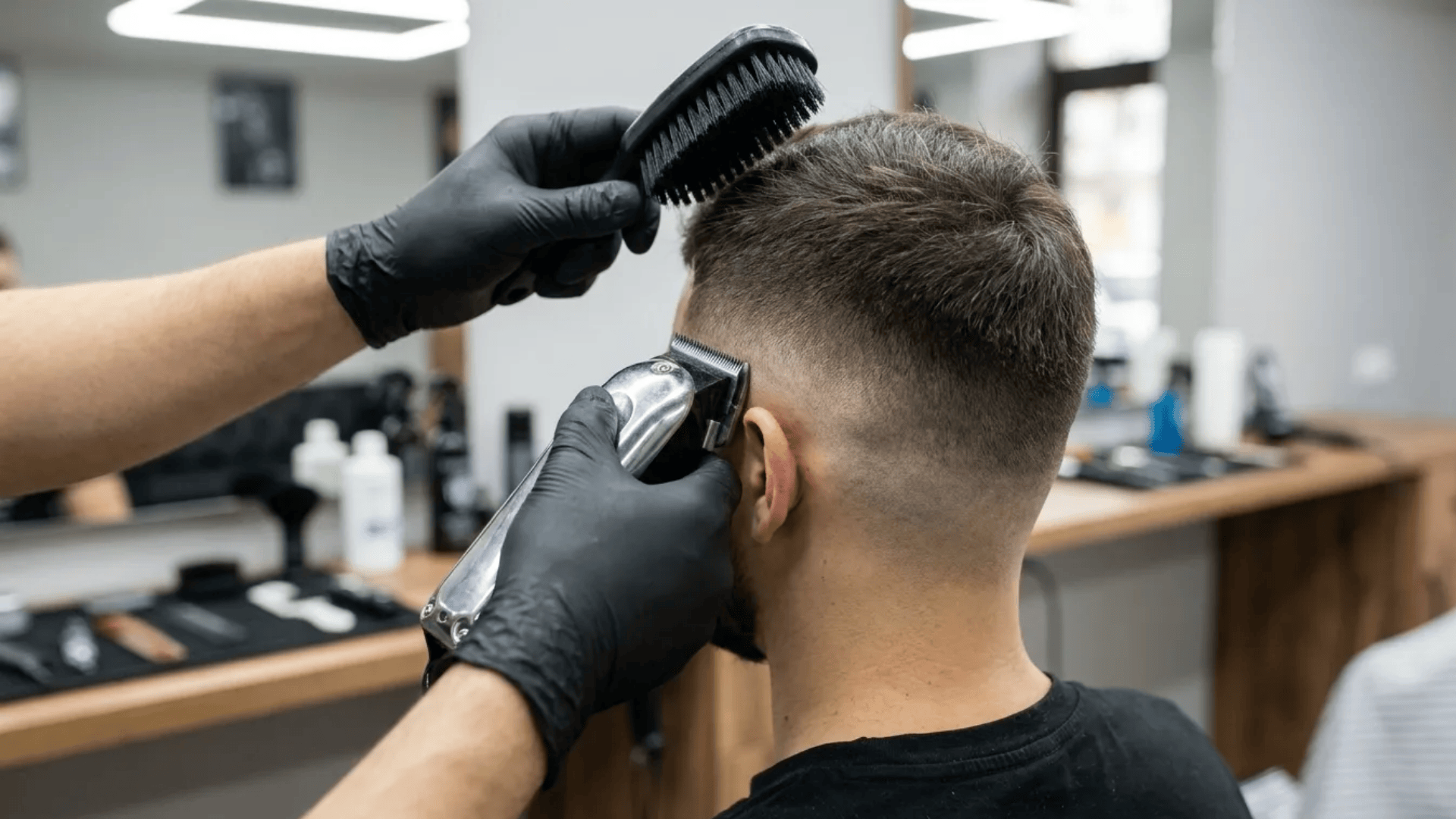
Picking the right guard number gets easier when face shape, hair type, and fade style all work together. A small change in number can completely change the final look.
Based On Face Shape
Choose a guard that suits your face shape:
- Round face: Go shorter on the sides like #0–#2 with more length on top to add height
- Square face: Stick with even lengths like #2–#4 to keep things balanced
- Oval face: Almost any guard works, fades and mid lengths look especially clean
Based On Hair Thickness
Match the guard length to your hair density:
- Thick hair: Shorter guards like #1–#3 help control volume
- Thin hair: Slightly longer guards like #3–#5 make hair look fuller
- Wavy or curly hair: Mid guards like #2–#4 keep shape without puffiness
Based On Fade Style
Guard sizes change based on fade type:
- Low fade: Starts subtle, usually blends from #0 or #1 into #2–#3
- Mid fade: More noticeable, often uses #0–#1.5 into #3–#4
- High fade: Sharp contrast, goes from #0 straight into #2 or higher
Based On Maintenance Level
Pick a guard based on how often you trim:
- Low maintenance: Go for #3–#5 for slower regrowth
- Clean and sharp look: #0–#2 needs frequent touch-ups
- Balanced upkeep: #2–#4 gives a neat look without constant trims
The key is simple: shorter guards = sharper look, longer guards = softer and fuller finish. Mixing guards is what creates that smooth fade everyone wants.
Barber Tips To Get The Exact Length You Want

Getting the right length is easier when you know how to say it right. Keep it simple and clear.
- Say exact numbers for each area. Example: “#2 sides, #4 top.”
- Use shorter guards on sides, longer on top for better shape.
- Numbers show length, photos show style. Together = clear result.
- Trim every 2–3 weeks to keep it clean and fresh.
Common Mistakes When Using Clipper Guards
A small mistake can change the whole haircut. These are the ones to watch out for:
- Going too short too fast
- Ignoring hair growth direction
- Skipping blending between guards
- Using the wrong guard for top vs sides
Final Thoughts
Clipper guard numbers make things simple once the basics are clear. Just a small change in number can shift the whole look from sharp and tight to soft and full.
Getting familiar with these numbers saves time, avoids bad cuts, and makes every barber visit smoother.
The real trick is experimenting a little and finding what works best. Stick with a safe length first, then adjust over time. That’s how the perfect go-to number is found.
Got a favorite guard number or a haircut that always works?
Drop it in the comments and share what’s been working.
Frequently Asked Questions
Why Is The 16 Guard Forbidden?
The “forbidden” 16 guard is a viral social media trend, not a professional industry standard, often used in TikTok skits to represent an absurd or “trashy” haircut request, similar to asking for “blinker fluid”.
What Annoys Hair Stylists?
Hairdressers are most annoyed by clients who disrespect their time, such as arriving late, not showing up, or demanding services outside of scheduled hours.
How Much Do You Tip A $200 Hairdresser?
The usual 15%-20% of the total service cost. This percentage acknowledges the overall service, from consultation to finish. Tip for the assistant: Typically a separate $5 to $10 tip.