


Watching an older parent or grandparent live independently can bring both reassurance and constant worry. On the other hand, you want them to maintain their routine, confidence, and freedom. However, unexpected falls, delayed emergency response, and medical emergencies can turn into stressful situations for the whole family in a matter of moments. Therefore, many families begin to consider medical alert systems in order to add another layer of security.
But selecting a service isn’t as easy as comparing monthly fees. Each system provides a variety of monitoring options, types of devices, emergency features, and contract terms. Furthermore, there are hidden costs or restrictions in some services that are only discovered following enrollment.
This article outlines some of the factors families should carefully consider before investing in a medical alert service, so you can make an informed and practical decision.
1. Understand Full Cost Beyond Monthly Fee
Many families only look at the monthly costs of a medical alert system when making a comparison. But this can result in an unplanned expense later on. It is important to be aware of what is covered by the service plan and what will be additional costs before making a decision.
For instance, many families compare providers and review details such as Life Assure medical alert cost to understand what is included in monthly plans.
Some vendors offer low entry fees and then charge for additional services like fall detection, GPS, or mobile coverage. As a result, the final monthly bill could be much higher than anticipated.
Meanwhile, you should also find out if the service gives you flexible payment options. Families may choose month-to-month plans, as they have the flexibility to change services later if health needs evolve.
Also, it is essential to inquire about the warranty coverage as well as the replacement policies. Over time, devices can stop functioning or lose battery power and may need to be replaced. When replacement costs are not known, families can be subjected to further financial burden at a later stage.
Ultimately, a transparent pricing structure usually indicates a more trustworthy service provider.
2. Evaluate Whether System Matches Senior’s Lifestyle
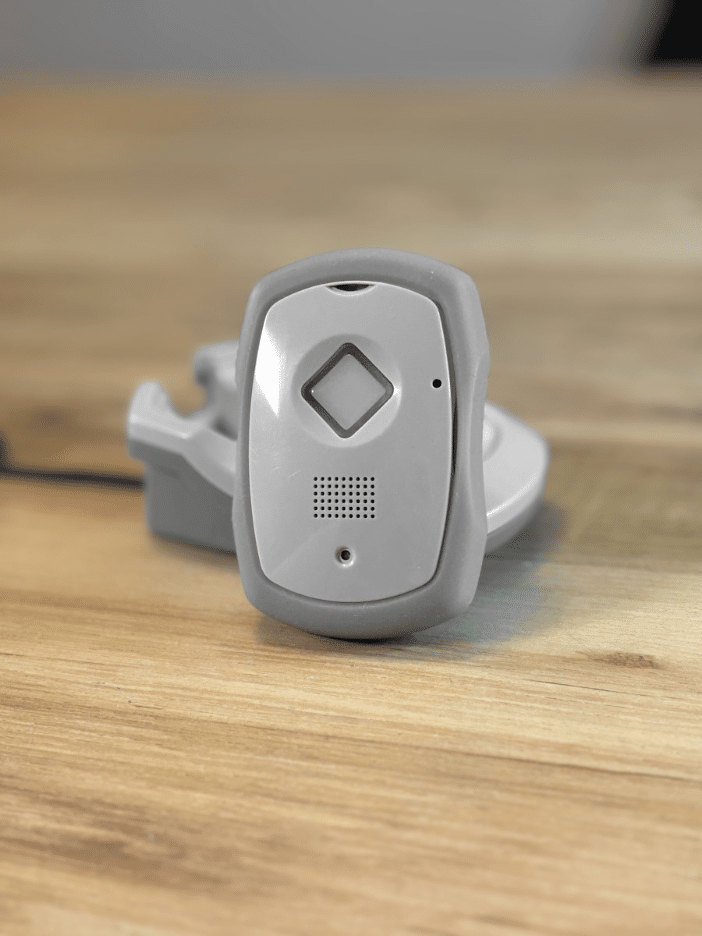
Not all medical alert systems are created equal for seniors. Thus, it’s important for families to consider the person’s daily living situation before choosing a service.
For seniors who spend most of their time at home, a traditional in-home medical alert system may be enough. These systems usually have a wearable help button that is linked to a two-way base unit.
But seniors who are often outside of the house might require a mobile medical alert system that has GPS tracking and cellular connectivity. This is particularly relevant for older adults who are active and go out shopping, to medical appointments, to visit friends, or go for regular walks.
Additionally, families should take into account mobility and health issues. Automatic fall detection can be useful for someone who has trouble with balance or a history of falling. Although fall detection usually costs extra, it can improve emergency response in situations where the individual cannot press the help button.
3. Review Quality of Emergency Monitoring Services
Medical alert devices are only as effective as the emergency response they are backed by. Therefore, it is important for families to fully examine the monitoring services before they sign up with a provider.
The first thing that should be verified is whether the company provides 24/7 professional monitoring services. Emergencies may occur at any time of day or night; therefore, continuous access to trained response agents is crucial.
It’s also important to inquire about the response time of the monitoring agents following the activation of the emergency button. Delays during medical emergencies can significantly increase risk, particularly after a fall or sudden health changes.
Moreover, two-way voice communication is also a key part of emergency handling. Many modern systems enable users to communicate directly with the monitoring personnel via the base station or mobile device. This can be useful for responders to gain a quick overview of the situation and determine if emergency services or family members should be called.
4. Check Device Reliability and Ease of Use
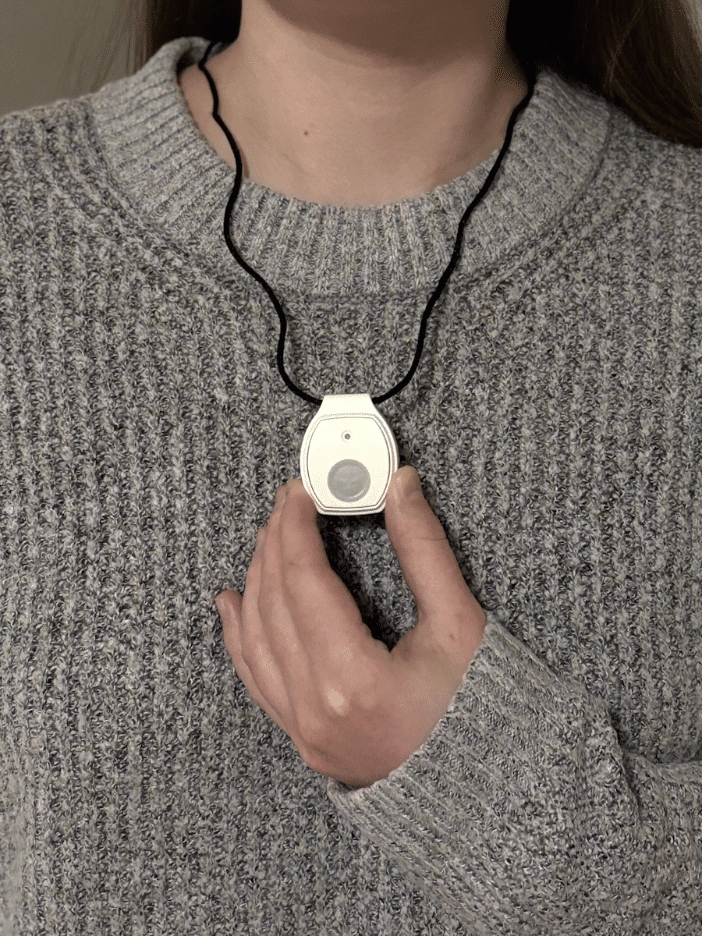
Technology should simplify safety, not complicate it. Unfortunately, some medical alert systems are difficult for seniors to operate, especially during stressful situations.
Because of that, families should focus on systems that prioritize simplicity and reliability.
The emergency button should be easy to press and accessible at all times. Whether worn as a pendant or wristband, the device should remain comfortable enough for everyday use.
Battery life is another major factor. Some mobile devices require frequent charging, which increases the chances of the system being unavailable during emergencies. Therefore, families should ask how long the battery lasts and whether low-battery alerts are included.
In-home systems should also include battery backup protection during power outages. Since emergencies often occur unexpectedly, continuous functionality is essential.
Water resistance is equally important because many falls happen in bathrooms or while showering. If the device cannot safely function around water, protection becomes limited during high-risk situations.
Conclusion
Paying for a medical alert service is an important decision that affects both safety and quality of life. While pricing matters, families should look beyond monthly costs and evaluate monitoring quality, device reliability, usability, flexibility, and lifestyle compatibility.
At the same time, the best system is not necessarily the one with the most features. Instead, it is the one that fits the senior’s daily routine, health needs, and comfort level while providing dependable emergency support.
By carefully reviewing these factors before enrolling in a service, families can make a more informed decision that supports long-term independence, faster emergency response, and greater confidence for everyone involved.