
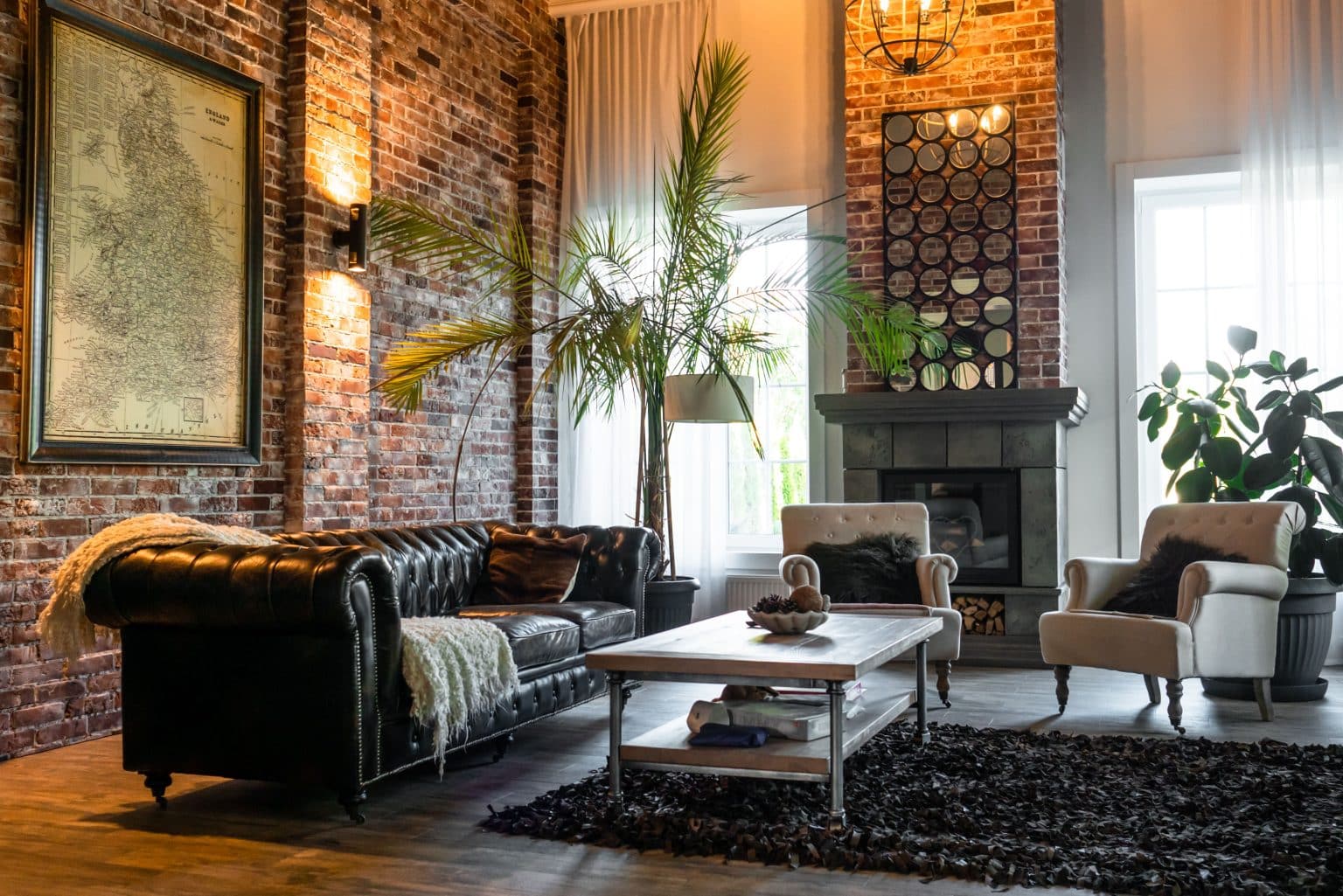
A modern home should feel clean, functional, and personal. The challenge is adding character without creating clutter. Good interior decor is not about filling every wall or shelf. It is about choosing pieces that support the room’s layout, light, scale, and daily use.
Personalized decor works best when it is intentional. A few strong details can make a space feel specific to the people who live there.
The goal is to build rooms that look organized, feel comfortable, and reflect real routines.
Start With the Room’s Function
Before buying decor, define what each room needs to do. A living room may support conversation, reading, streaming, hosting, or family time. A bedroom should support rest. A home office should reduce distraction and improve focus.
Decor should reinforce that purpose.
A room used for evening relaxation needs softer lighting and warmer textures. A work area needs better task lighting, storage, and a cleaner visual field.
When function is clear, personal details become easier to place.
Use Lighting as a Design Feature
Lighting changes how a modern room feels. A single ceiling light often makes a room feel flat, even if the furniture is well chosen.
Use layered lighting instead. Combine ambient light, task light, and accent light.
Personal lighting features can create a focal point without taking up floor space. For example, Japanese neon signs can add a graphic accent to a lounge, gaming corner, studio wall, or modern bedroom when the size, color, and placement are controlled.
The key is restraint. One strong light feature works better than several competing pieces.
Build Around a Consistent Color Palette
Personalized decor should still fit the room’s color system. Too many unrelated colors can make a modern home feel busy.
Start with two or three base colors. These may include warm white, gray, beige, black, walnut, oak, olive, navy, or soft earth tones.
Then add one or two accent colors through art, cushions, lighting, ceramics, or rugs.
This keeps the room cohesive while still leaving space for personality.
Color Planning Tips
Use these rules when choosing accents:
- Repeat each accent color at least twice
- Keep large furniture pieces neutral
- Use bold colors on smaller items
- Match metal finishes where possible
- Avoid mixing too many wood tones
- Test paint and fabric in natural light
A controlled palette makes personal decor look planned, not random.
Display Memories With Structure
Personal photos and family memories can warm up a modern home, but they need structure. Too many frames on every surface can create visual noise.
Choose one area for photo display. This might be a gallery wall, console table, hallway ledge, bookshelf, or bedroom dresser.
Use matching frames, consistent spacing, and similar image tones for a cleaner effect.
For families with many milestones, travel photos, or children’s artwork, Mixbook photo books can help organize memories without covering every wall or table.
This keeps important moments accessible while preserving a calm interior.
Add Texture Without Clutter
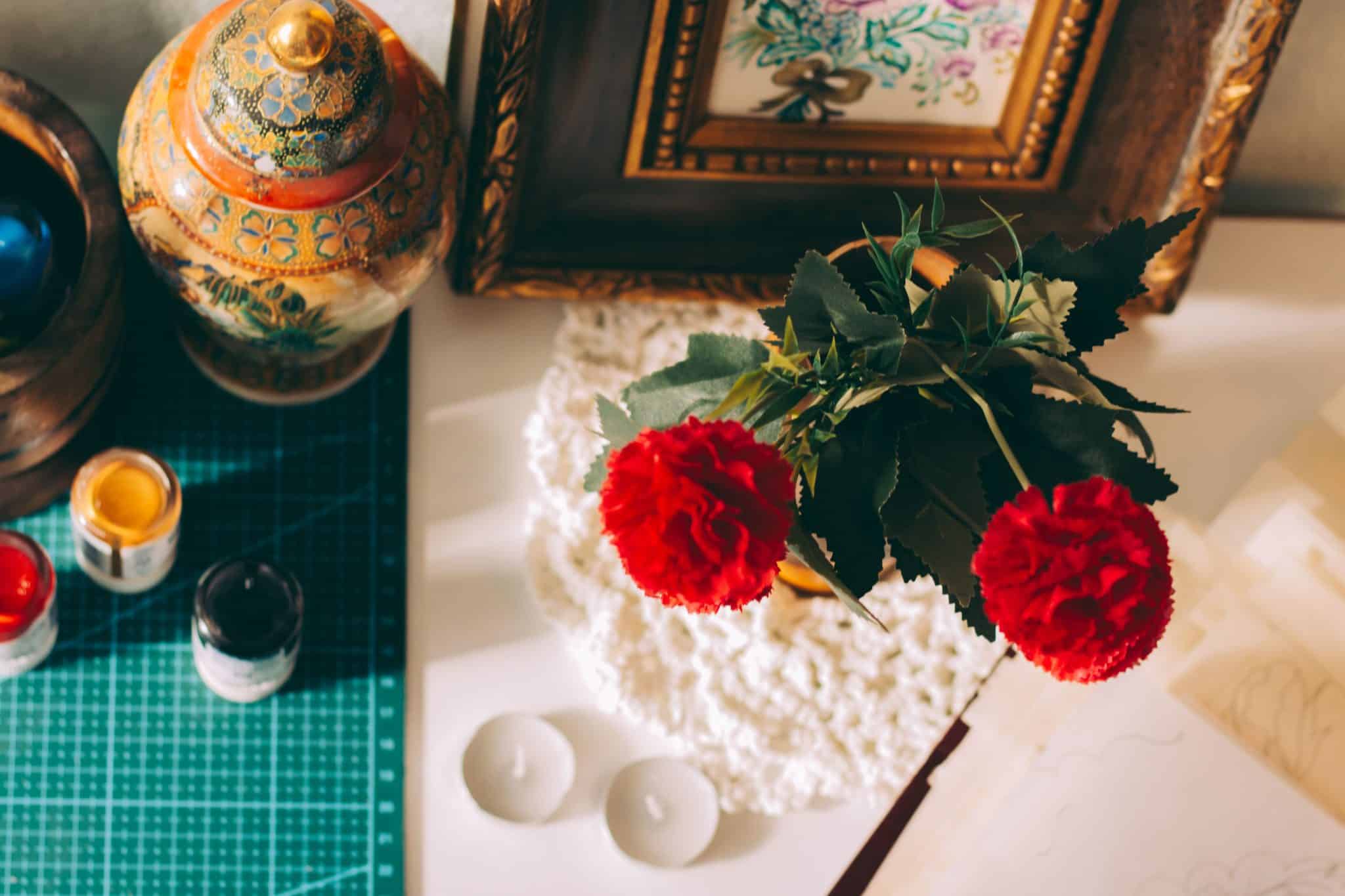
Modern interiors can feel cold if they rely only on smooth surfaces. Texture adds warmth and depth.
Use rugs, linen curtains, wool throws, boucle cushions, woven baskets, wood furniture, matte ceramics, leather details, or soft upholstery.
Texture is especially useful in neutral rooms because it prevents the space from looking flat.
The trick is to vary materials while keeping the layout simple.
A living room with a wood coffee table, woven rug, soft sofa, and linen curtains can feel personal without needing excessive accessories.
Choose Art by Scale
Art should match the size of the wall and the furniture beneath it. A small print above a large sofa can look disconnected. A large piece in a narrow hallway can feel crowded.
Measure before hanging.
As a general guide, art above furniture should take up roughly two-thirds of the furniture width. Gallery walls should be planned on the floor before anything is installed.
Art Placement Checks
Before hanging art, review:
- Wall width
- Furniture height
- Viewing distance
- Frame color
- Lighting direction
- Room color palette
- Spacing between pieces
- Eye-level placement
Good placement makes even simple artwork feel more polished.
Use Storage as Decor
Modern homes need storage that looks intentional. Open clutter can quickly weaken a clean design.
Use closed cabinets for items that do not need to be seen. Use open shelves only for pieces that add value visually.
Baskets, trays, boxes, sideboards, wall hooks, and storage ottomans can all help keep rooms functional.
The best storage matches the way the room is used.
Place remote storage near the sofa. Keep entryway baskets close to the door. Store office supplies near the desk. Good placement reduces mess.
Personalize With Practical Objects
Not every personal item has to be decorative. Practical objects can carry personality too.
Choose items that are useful and visually consistent. This may include a favorite reading chair, handmade bowl, sculptural lamp, patterned rug, custom desk setup, or meaningful coffee table books.
A modern home feels better when personal items are part of daily life.
Avoid saving meaningful objects only for display. Use them where they naturally belong.
Keep Negative Space
Negative space is the empty space around furniture and decor. It helps a room breathe.
A personalized home does not need every surface filled. Leave some walls plain. Keep some shelves partially empty. Let furniture have room around it.
This makes the chosen decor stand out more.
It also makes cleaning and maintenance easier.
A calm room is often more livable than a heavily styled one.
Final Thoughts
Personalized interior decor works best when it is edited, functional, and connected to the people who live in the home. Start with the room’s purpose, build a consistent palette, layer lighting, add texture, and display memories with structure.
Modern design does not have to feel plain.
With the right balance of practical storage, meaningful objects, artwork, lighting, and open space, a home can feel personal without feeling crowded.