Stretch marks are common skin lines that form when the skin stretches faster than it can adjust.
They often appear during growth spurts, pregnancy, or weight changes.
While harmless, they can affect how people feel about their skin.
Among the many treatments available, laser therapy is one of the most effective ways to fade these marks and improve skin texture.
Here, you will grasp how the stretch mark removal laser works, what results to expect, and key details to help you make an informed choice.
What Is Laser Stretch Mark Removal?
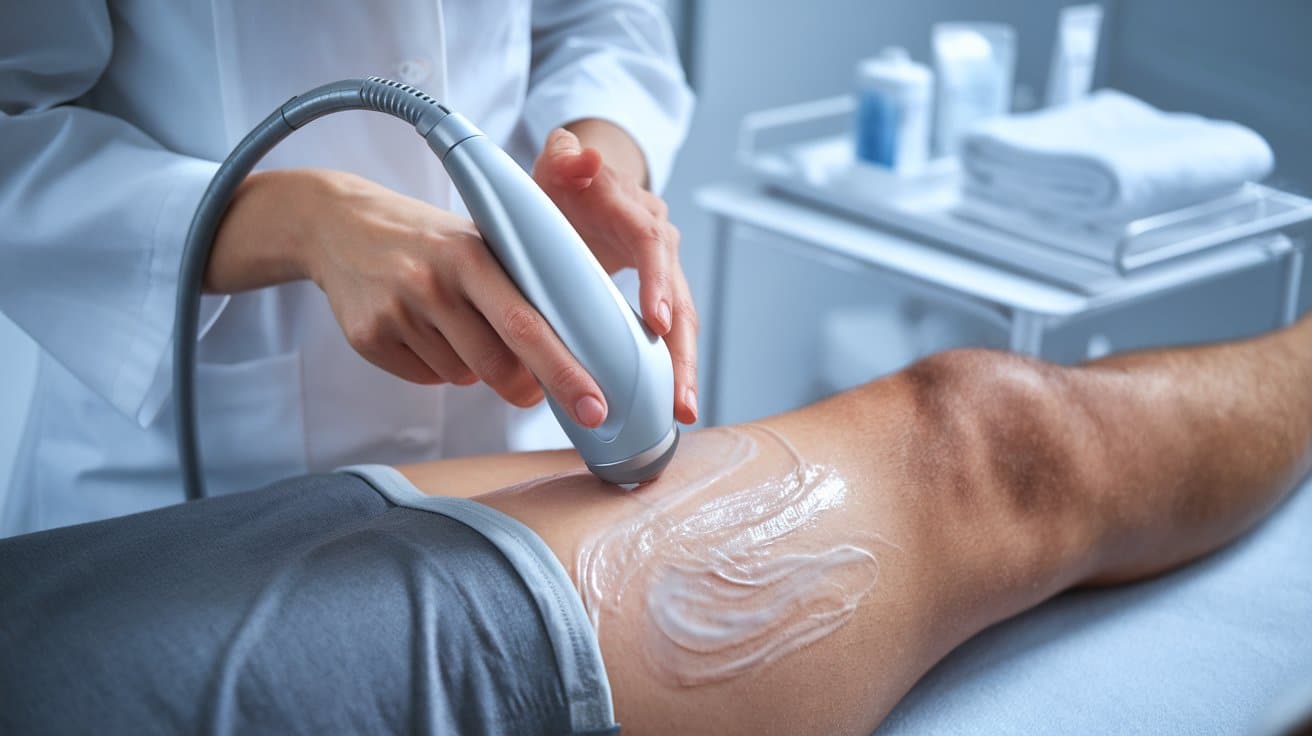
Laser stretch mark removal is a non-invasive treatment that uses focused light energy to renew the skin.
The goal is not to erase stretch marks entirely but to reduce their visibility by stimulating new collagen and elastin production.
These proteins help repair and strengthen the skin, leading to a smoother, more even surface over time.
Most patients notice gradual improvement after a few sessions.
The treatment can be customized to target both new (red or pink) and older (white or silver) marks, depending on the laser type and skin tone.
How Does the Stretch Mark Removal Laser Work?
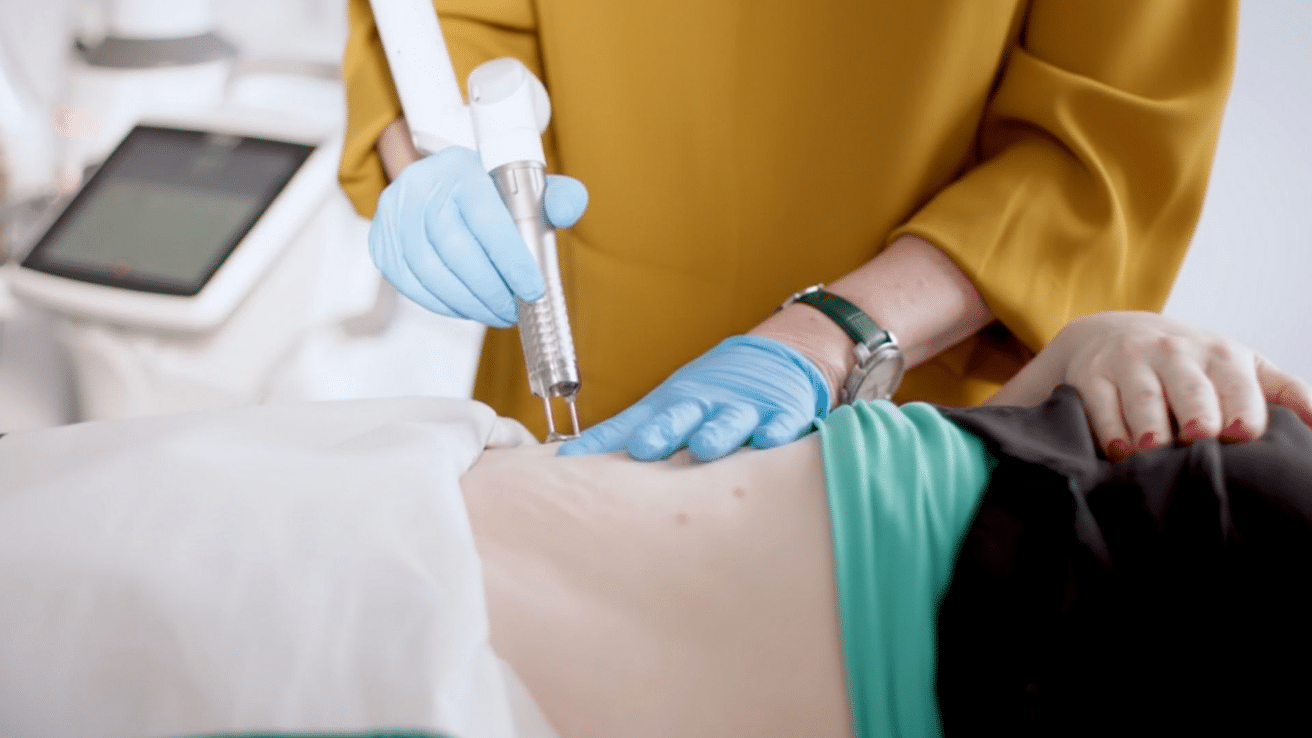
Stretch mark removal lasertargets the deeper layers of skin to encourage repair from within.
Let’s look at how the treatment works at each level to create these visible improvements:
1. Stimulating Collagen Regrowth
Laser energy penetrates deep into the skin to reach the layers where stretch marks form.
This controlled light energy triggers the body’s healing response, encouraging the production of fresh collagen.
Over time, the skin becomes firmer and more elastic, helping to reduce the depth and texture of stretch marks.
2. Improving Skin Tone and Texture
As collagen rebuilds, the treated area gradually becomes smoother, and the color difference between the stretch marks and surrounding skin fades.
This results in a more balanced tone and refined appearance.
3. Types of Stretch Marks Treated
Newer stretch marks, which appear red or pink, respond more effectively to treatment because they still contain active blood vessels that support healing.
In contrast, older white or silvery marks often need additional sessions, as the skin has already healed and requires more stimulation to trigger collagen remodeling.
Types of Stretch Mark Removal Lasers
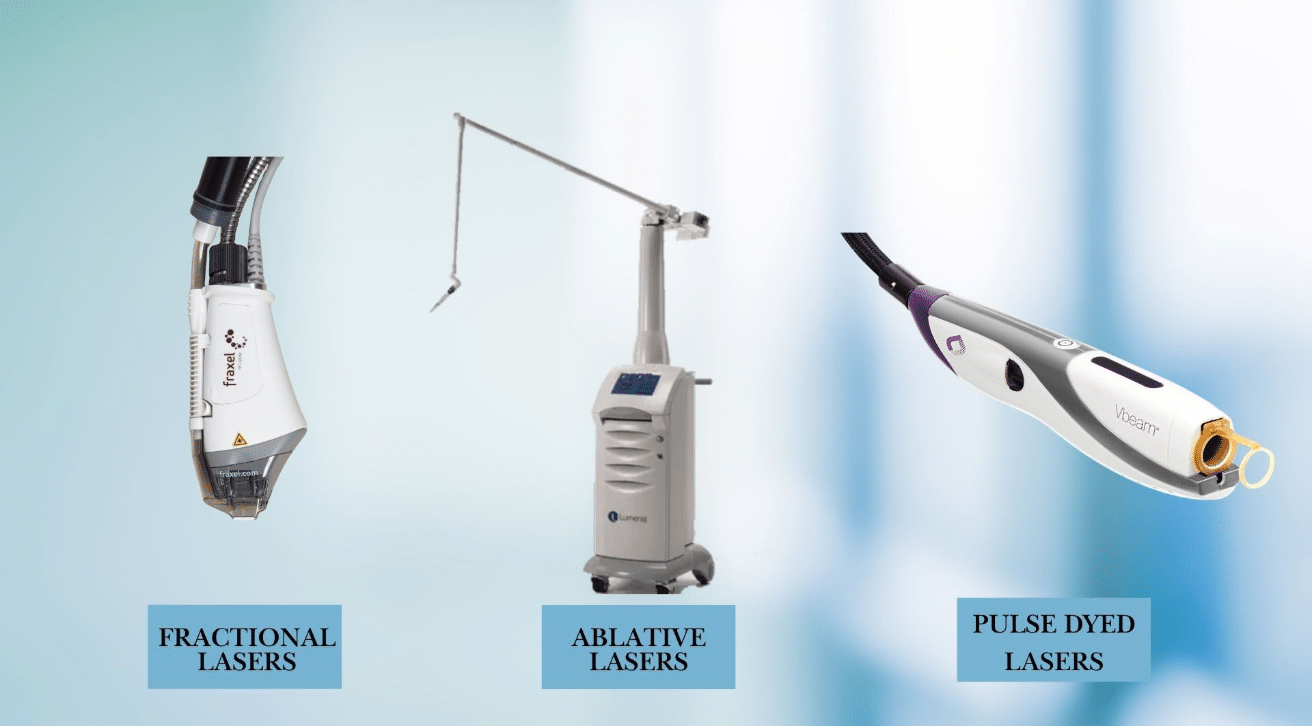
There isn’t a single laser that works best for everyone. Different lasers perform in specific ways to treat various colors, depths, and ages of stretch marks.
The choice depends on skin tone, mark severity, and the results desired.
Given here are the main types of lasers dermatologists use and how each contributes to smoother, more balanced skin:
1. Fractional Lasers:
This treatment targets small sections of skin at a time, promoting collagen growth with minimal downtime. Suitable for mild to moderate stretch marks and most skin tones.
2. Ablative Lasers:
This process removes thin layers of skin for deeper resurfacing. Treatment for older or stubborn marks provides stronger collagen remodeling with a slightly longer recovery period.
3. Pulsed Dye Lasers (PDL):
This treatment targets visible blood vessels in early red or purple stretch marks, reducing redness and evening skin tone. Gentle and effective for lighter skin tones.
Timeline of a Laser Stretch Mark Treatment
Preparing for laser treatment helps patients feel more comfortable and confident throughout the process.
Each stage, from the session itself to aftercare, plays a key role in achieving the best results.
Knowing how the procedure feels, how long recovery lasts, and how many visits to expect makes it easier to plan ahead.
The sections below explain what typically happens during treatment and how the skin heals afterward.
1. The Procedure:
Each session takes about 30 to 60 minutes. Your skin is cleaned, a cooling gel is applied, and short light pulses are delivered.
Most people describe it as a warm or light tapping feeling that’s easy to handle.
2. Recovery and Downtime:
You might notice mild redness or swelling for a few days, similar to a light sunburn.
Avoid sun exposure for a few weeks, skip heat or steam for two days, and keep the area clean and moisturized while it heals.
3. Number of Sessions Required:
Most patients see visible improvement after 2 to 6 sessions, usually spaced 4 to 6 weeks apart.
Results continue to build over the next few months as new collagen forms beneath the skin.
A special thanks to Pulse Light Clinic London for their insightful video, which helped make this timeline section.
Effectiveness of Stretch Mark Removal Lasers
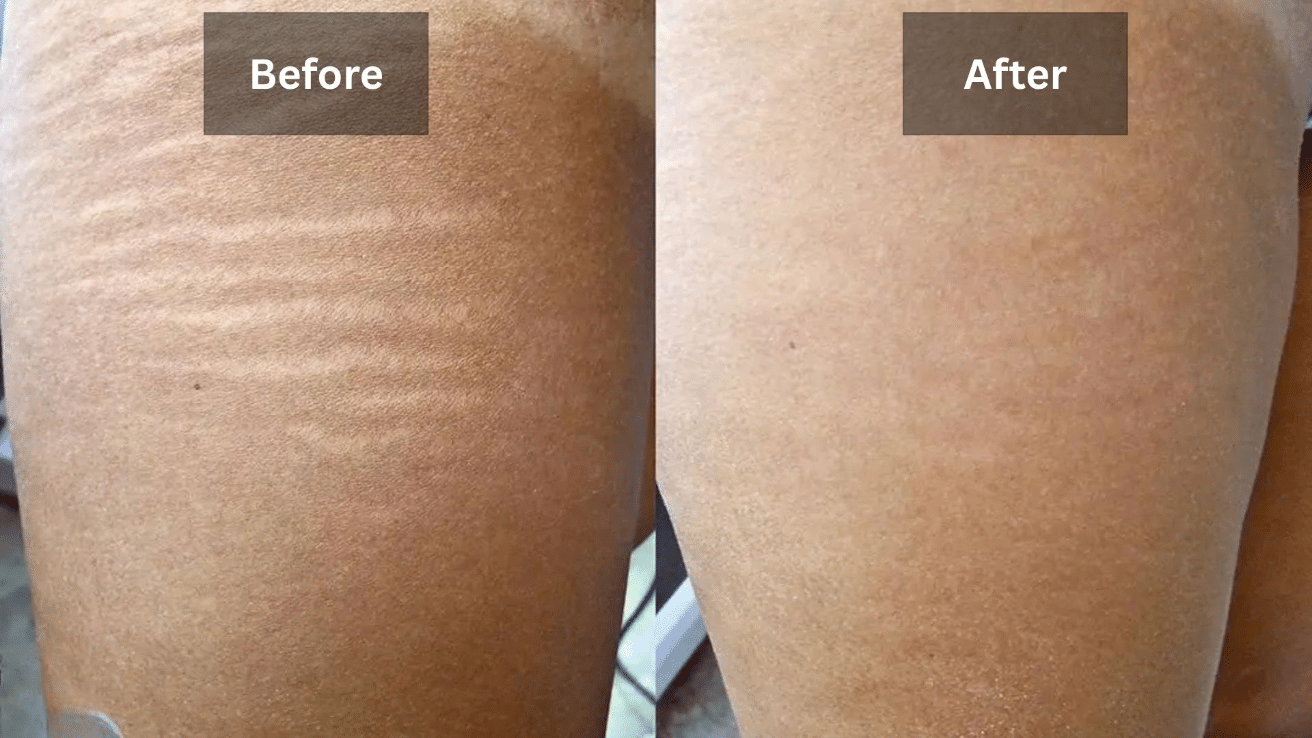
Laser treatments offer significant improvement rather than a complete removal.
Many patients report 50 to 75 percent fading after completing their treatment plan.
The skin appears smoother, with improved tone and texture.
Results depend on several factors:
- Skin type and color
- Age of the stretch marks
- Laser type and treatment frequency
- How well are aftercare instructions followed
Changes appear gradually over several months as collagen continues to rebuild. Once achieved, the results are long-lasting.
However, new stretch marks can form as skin stretches further, so maintaining a stable weight and practicing skin care are important.
Cost of Laser Stretch Mark Treatment
The cost of laser stretch mark removal typically ranges from $400 to $800 per session.
The price varies depending on the laser used, the size of the treatment area, and the clinic’s location.
Insurance plans rarely cover cosmetic procedures like this, so it’s important to discuss pricing and packages in advance.
Always consult a board-certified dermatologist or plastic surgeon to ensure that the laser treatment plan is safe and suited to your skin.
Potential Risks of Laser Stretch Mark Removal
Laser treatments are generally safe when performed by trained professionals. Mild effects such as redness, swelling, and sensitivity are common and temporary.
More serious issues are rare but can include:
- Hyperpigmentation or hypopigmentation (skin color changes)
- Scarring (very uncommon)
- Infection if post-care guidelines are not followed
People with darker skin tones should undergo patch testing first to ensure the laser setting is appropriate and safe for their complexion.
Alternative Treatments
These alternatives can be used alone or in combination with laser sessions, as recommended by your dermatologist.
Each method works by encouraging collagen production and improving surface texture:
- Microneedling with PRP (Platelet-Rich Plasma): Boosts collagen using fine needles and growth factors derived from your own blood.
- Radiofrequency Therapy: Uses controlled heat energy to firm and tighten skin while improving elasticity.
- Topical Retinoids: Encourage gentle cell renewal and can fade mild marks when used consistently.
- Chemical Peels: Remove dull surface layers to reveal fresher, smoother skin and improve tone.
Conclusion
Laser stretch mark removal offers a simple and effective way to fade stretch marks and smooth the skin over time.
The treatment gently renews the skin’s surface, helping lines become less noticeable with each session.
Results develop gradually, and while the marks may not disappear completely, many people see clear improvement in both look and texture.
With expert care and regular sessions, you can regain comfort and confidence in your skin.
If you found this blog useful, share it with someone who might be considering laser stretch mark removal so they can learn what to expect, too.
Frequently Asked Questions
Can Laser Treatment Help with Stretch Mark Itching?
Yes, laser therapy often reduces itching and discomfort associated with stretch marks by improving skin texture and reducing inflammation.
Can Laser Treatment Cause Permanent Skin Discoloration?
It is rare but possible, especially on darker skin tones. Proper patch testing and experienced practitioners minimize this risk significantly before treatment.
Should I Stop Using Skincare Products Before Laser Treatment?
Avoid retinoids, acids, and harsh exfoliants 1-2 weeks before treatment. Your doctor will provide specific pre-treatment skincare instructions.