Thrifting has moved from a quiet habit to a widely loved way of shopping, and people turn to it for many different reasons.
Some enjoy the low prices, others like giving items a new life, and many see it as a practical way to reduce waste.
Stores that sell used goods now attract shoppers of all ages, and thrifting feels more accepted than ever.
This blog explains what thrifting means, how it works, where it happens, the type of items people look for, and the concerns attached to it.
It also covers helpful tips so readers can shop with confidence.
What is Thrifting?
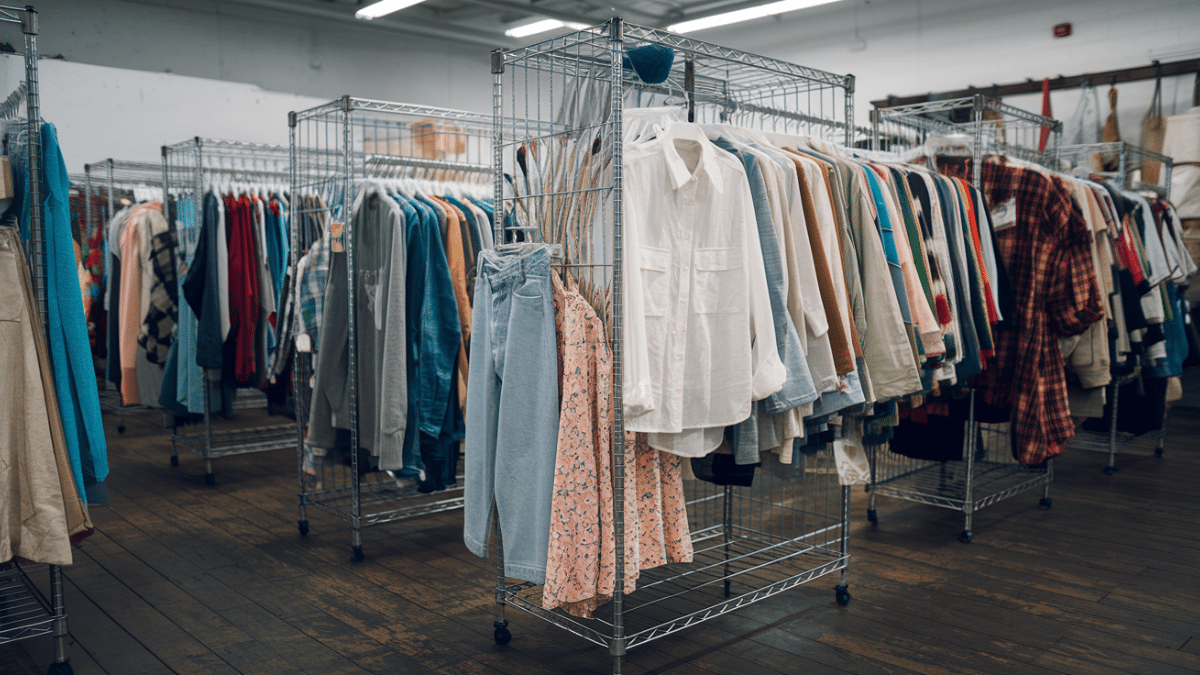
Thrifting means shopping for used items at second-hand stores.
These stores sell pre-owned clothes, furniture, books, and household goods at lower prices than new items.
People visit thrift stores to find affordable items. The goods come from donations or consignments. Shoppers can buy quality products while spending less money.
Pronunciation of Thrifting
The pronunciation of thrifting is “THRIF-ting.” (with emphasis on the first part of the word)
Thanks to Pronunciation Guide for the video.
Key Features of Thrift Stores

- Sell used but functional items
- Offer prices below retail cost
- Accept donated goods from the community
- Stock a rotating selection of products
Where Thrifting Happens?
Thrift shopping takes place in many locations.
Charity stores like Goodwill offer the lowest prices.
Consignment shops sell quality items for more money. Vintage stores focus on older, unique pieces. Online platforms like Poshmark let you shop from home.
Flea markets, garage sales, and estate sales provide bargains. Each location offers different shopping experiences and prices.
Differences Between Thrift Stores and Vintage Stores?

This simple comparison helps you to see how thrift stores differ from curated vintage or secondhand shops in terms of pricing, selection, and overall experience.
| Point of Comparison | Thrift Stores | Curated Vintage / Secondhand Shops |
|---|---|---|
| Source of Items | Mostly donations from the public | Items selected based on quality, age, or design |
| Pricing | Low and budget-friendly | Higher due to careful selection and preparation |
| Item Condition | Mixed; may include wear or minor flaws | Mostly clean, well-maintained, and ready to use |
| Range of Styles | Wide variety with unpredictable stock | Focused themes, eras, or trends |
| Shopping Experience | Casual and self-directed | More organized, with clearer displays |
| Target Shoppers | Anyone seeking practical, low-cost finds | Shoppers looking for specific styles, trends, or well-kept items |
| Turnover of Stock | Fast, depending on donations | Slower, since pieces are sourced intentionally |
| Purpose | Affordable access to secondhand goods | Style-driven collection focused on quality |
What Are Thrift Stores?
Thrift stores are shops that sell secondhand items like clothing, furniture, books, and household goods at low prices. Most products come from community donations, making these stores affordable, sustainable, and popular for finding quality items without spending much.
What You Can Find at a Thrift Store?
Thrift stores stock a surprising range of items. The inventory changes daily as people donate different goods.
You never know what you’ll find on each visit. Most stores organize items by category to make browsing easier.
Here’s what you can typically find:
1. Clothing and Accessories
You’ll find shirts, pants, dresses, jackets, and shoes for all ages and seasons, plus accessories like purses, belts, jewelry, hats, and scarves at low prices.
2. Home Goods and Kitchen Items
Thrift stores carry dishes, glassware, utensils, pots, pans, and small appliances like blenders and toasters, along with bedding, towels, and curtains for your home.
3. Furniture and Décor
Browse tables, chairs, desks, shelves, storage units, and lamps that can furnish entire rooms, plus art, frames, and decorative pieces to style your space.
4. Books and Entertainment
Stores stock books, magazines, DVDs, CDs, vinyl records, board games, puzzles, and toys that provide entertainment for the whole family at budget-friendly prices.
5. Special Finds
You might discover sports equipment, electronics like speakers and cameras, holiday decorations, and other unique items that vary by location and donation patterns.
Why is Thrifting in Trend?

The idea behind thrifting has grown over time. People look for ways to manage spending, avoid waste, and support causes they care about.
As prices rise and concerns about excess grow, secondhand shopping feels practical.
Whether someone wants a budget-friendly wardrobe, unique home pieces, or occasional finds that carry character, thrifting offers a reliable path.
Wide variety, lower costs, and a sense of purpose are the main reasons it continues to gain attention.
Thrifting Benefits and Appeal
People value thrifting for many reasons, including:
Access to better quality: Older items often have stronger construction and durable materials.
Personal style freedom: Shoppers can put together outfits or home setups that feel unique.
Chance to try new looks: Low prices make it easier to experiment without a big commitment.
Calmer shopping experience: Browsing slowly through racks feels more relaxed than in busy retail stores.
Opportunity to find long-lasting pieces: Many items stay in good shape for years because they were made to endure.
Brand access: Shoppers can find well-known or higher-end brands at reasonable prices.
Dark Side and Challenges of Thrifting
Thrifting has many benefits, but it also has downsides that shoppers should know.
Rising popularity has created new problems for communities and the environment, like:
1. Gentrification and Price Increases
As wealthier shoppers discover thrift stores, prices have increased. These prices are out of reach for low-income families who depend on thrift stores for affordable clothing. What used to cost $3 now sells for $10 or more.
2. Overconsumption Problems
Low prices encourage impulse buying. People purchase items they don’t need and wear only once. This mirrors fast fashion habits and creates waste.
3. Environmental Issues
Most donated items never sell in stores. They end up in landfills or get shipped overseas. Only a small percentage gets recycled properly. The constant cycle of buying and discarding continues.
4. Impact on Communities
When thrift stores raise prices, low-income shoppers lose access to affordable necessities. The very people these stores were meant to serve can no longer afford them.
|
Is Thrifting Safe? Thrifting is generally safe when shoppers check items carefully. Inspect clothing for cleanliness, examine cookware or appliances for damage, and sanitize pieces before use. Most stores follow sorting standards, but a quick cleanup at home adds extra protection. There are a few things you should never buy secondhand, like helmets, car seats, personal care items, and damaged cookware. |
How Smart Thrifters Shop?
Smart thrifters shop with a plan, not on impulse. They know what works and how to spot quality.
Here are some of the tips and strategies I learnt from them:
Know What You Need and Your Size: Check your closet before shopping. Bring measurements since vintage sizing varies. Make a list to avoid buying items you won’t use.
Inspect Quality Carefully: Check for stains, holes, and broken zippers. Look for natural fabrics like cotton and wool. Heavier materials last longer.
Shop Strategically: Visit on weekday mornings for fewer crowds. Go weekly since inventory changes daily. Learn restock schedules from staff.
Budget and Research Brands: Bring cash to limit spending. Learn which brands offer quality. Use apps to spot valuable labels.
Buy Versatile Classics: Choose neutral colors and timeless styles. Pick items that match multiple outfits.
Final Thoughts
“Every time you spend money, you’re casting a vote for the kind of world you want.” – Anna Lappe
Thrifting blends practicality, variety, and purpose in a way that appeals to many types of shoppers.
It gives used items another chance, supports local programs, and makes it easier for people to find pieces that suit their needs without paying full price.
At the same time, it is important to remain aware of issues such as rising demand, resellers, and uneven quality.
When approached with patience and care, thrifting becomes a dependable way to shop responsibly and stay within a budget.
Share your own thrifting experiences or tips in the comments below.