
Fashion has always mirrored the times, shifting with culture, technology, and emotion.
Yet avant-garde fashion stands outside this rhythm.
It doesn’t follow trends or chase approval. It questions them.
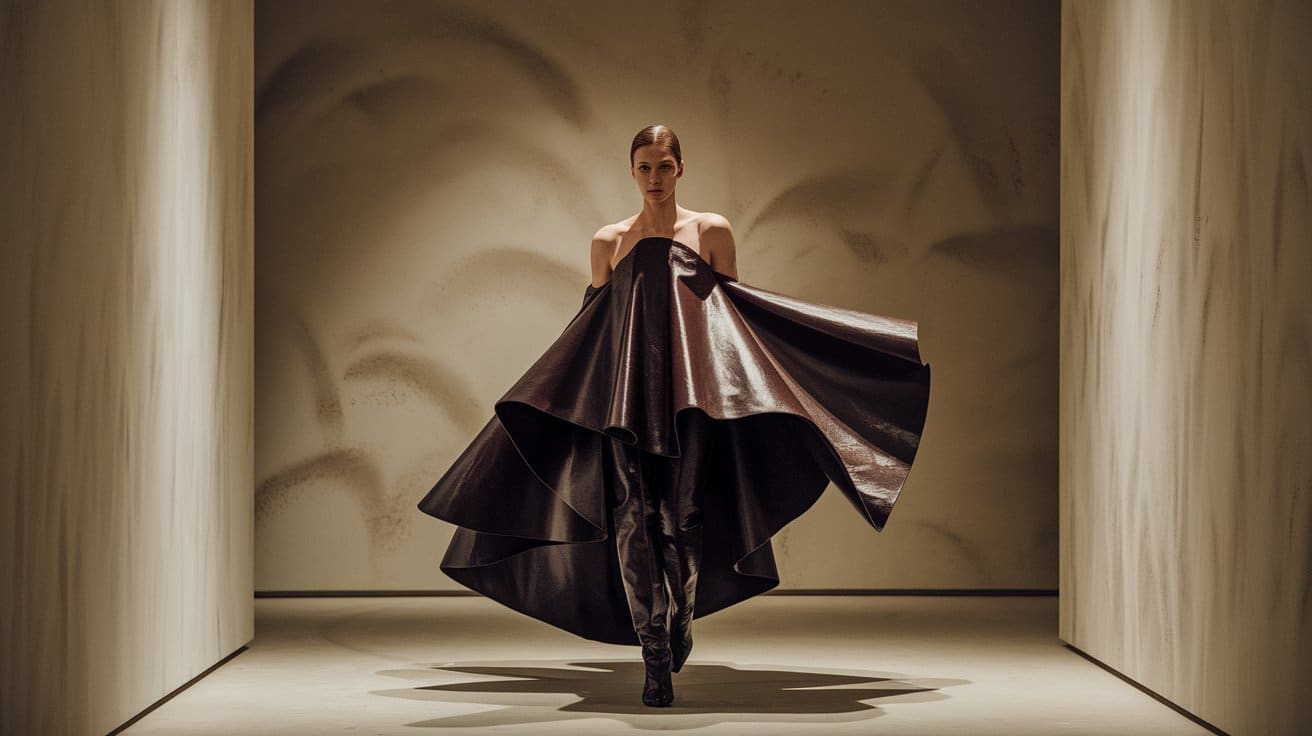
In this space, garments become ideas, and the runway becomes a stage for creative rebellion.
Here is a breakdown of what avant-garde fashion truly means, the core characteristics that define avant-garde style, and how it differs from traditional fashion forms.
Also highlighted here are the visionary designers who shaped its identity and the movement’s continuing influence on modern style.
What Is Avant-Garde Fashion?
The term avant-garde comes from the French phrase meaning “advance guard,” describing those who move ahead of the mainstream.
In fashion, it represents creative expression that challenges norms. Rather than following seasonal trends, avangard style focuses on innovation, individuality, and boundary-pushing design.
It’s not about commercial success; it’s about creating garments that provoke a reaction.
Every collection becomes a statement, a reflection of society, or a question about beauty itself.
Avant-garde pieces are built around concepts, ideas about culture, identity, and emotion, rather than market appeal.
Core Characteristics of Avant-Garde Style
Avant-garde fashion isn’t defined by one look or formula. Instead, it expresses a mindset that challenges how we think about clothing, structure, and identity.
Below are its defining characteristics, each representing a creative choice rather than a rule.
1. Experimental Silhouettes
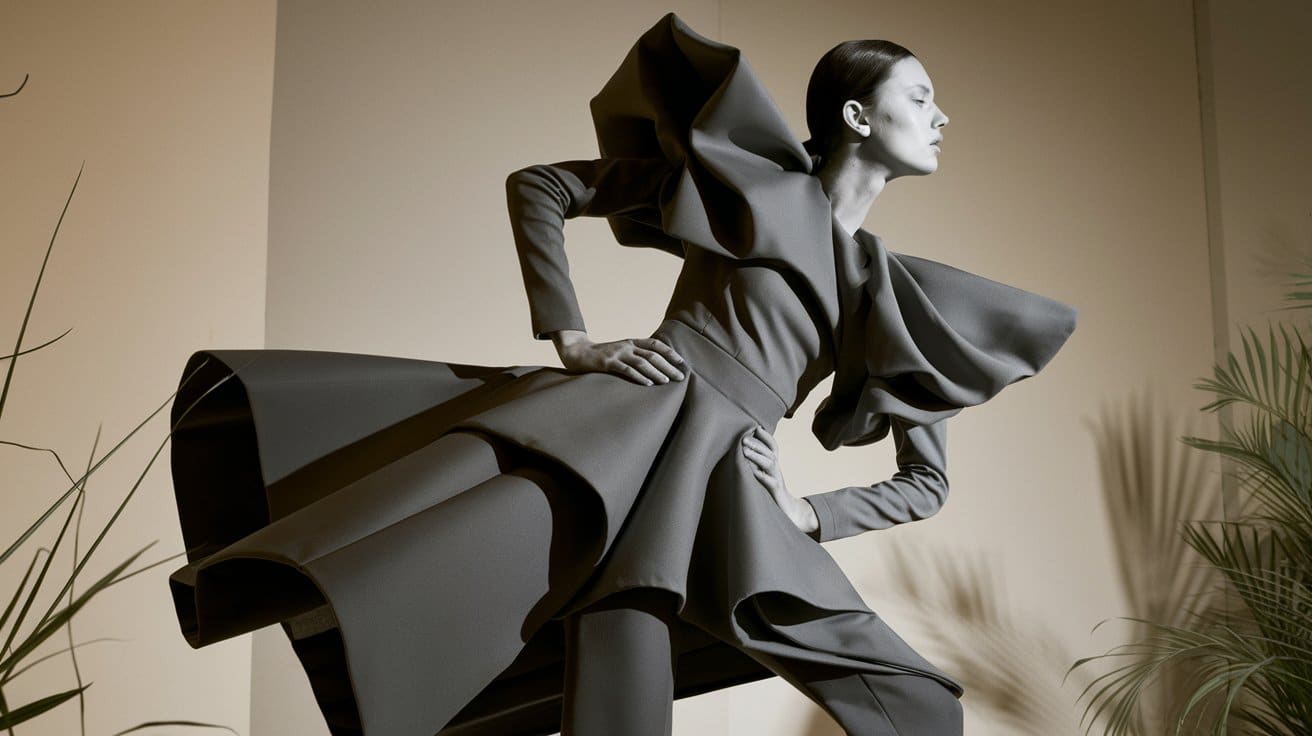
Avant-garde design often reshapes the body’s natural form with exaggerated proportions and unexpected volumes.
By altering balance and symmetry, designers present fashion as art rather than apparel.
These expressive shapes invite people to see clothing as structure and movement instead of mere fabric.
2. Innovative Materials
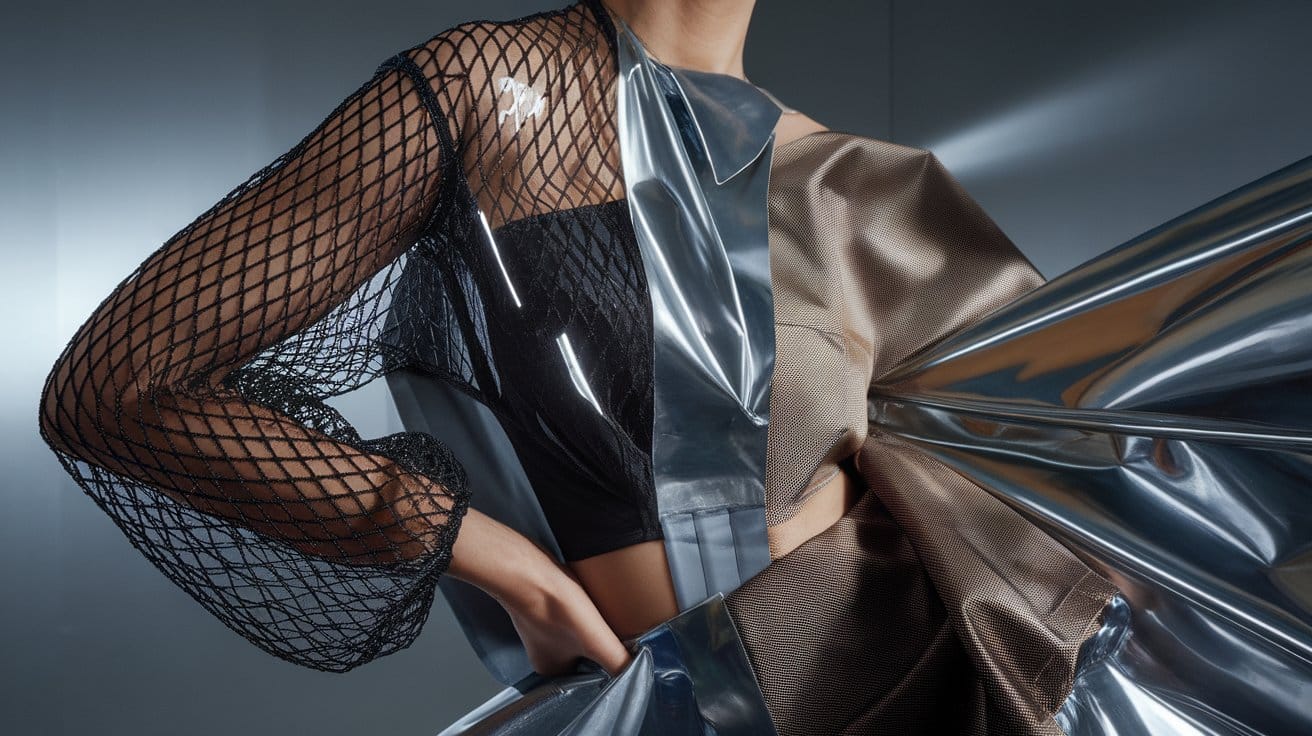
Materials used in avant-garde design go beyond the traditional.
Metals, recycled elements, and industrial fabrics often appear beside silk, cotton, or wool, creating contrast and texture.
This experimentation broadens the idea of what can be worn and reflects creativity beyond fabric norms.
3. Visible Construction
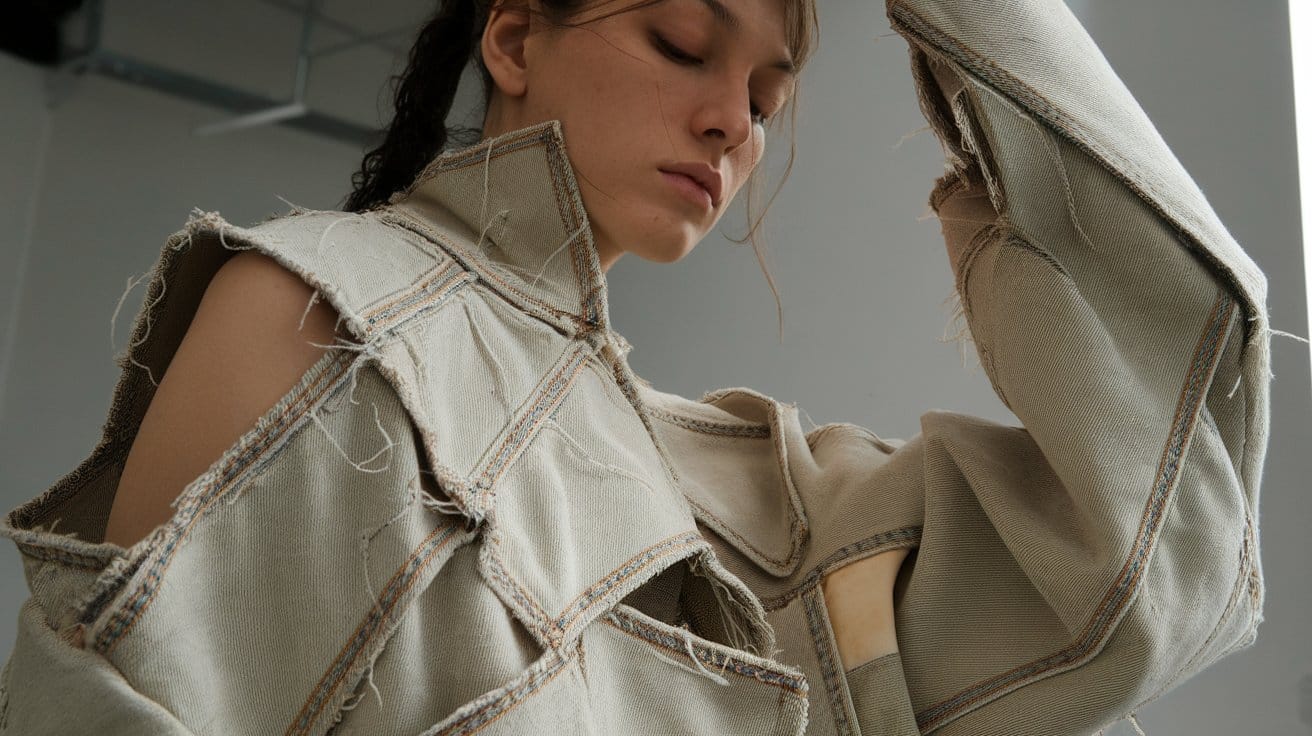
In avant-garde fashion, the process of creation becomes part of the final design.
Raw hems, visible seams, and structural stitching reveal the garment’s foundation rather than concealing it.
This openness turns each piece into a display of craftsmanship and authenticity.
4. Conceptual Storytelling
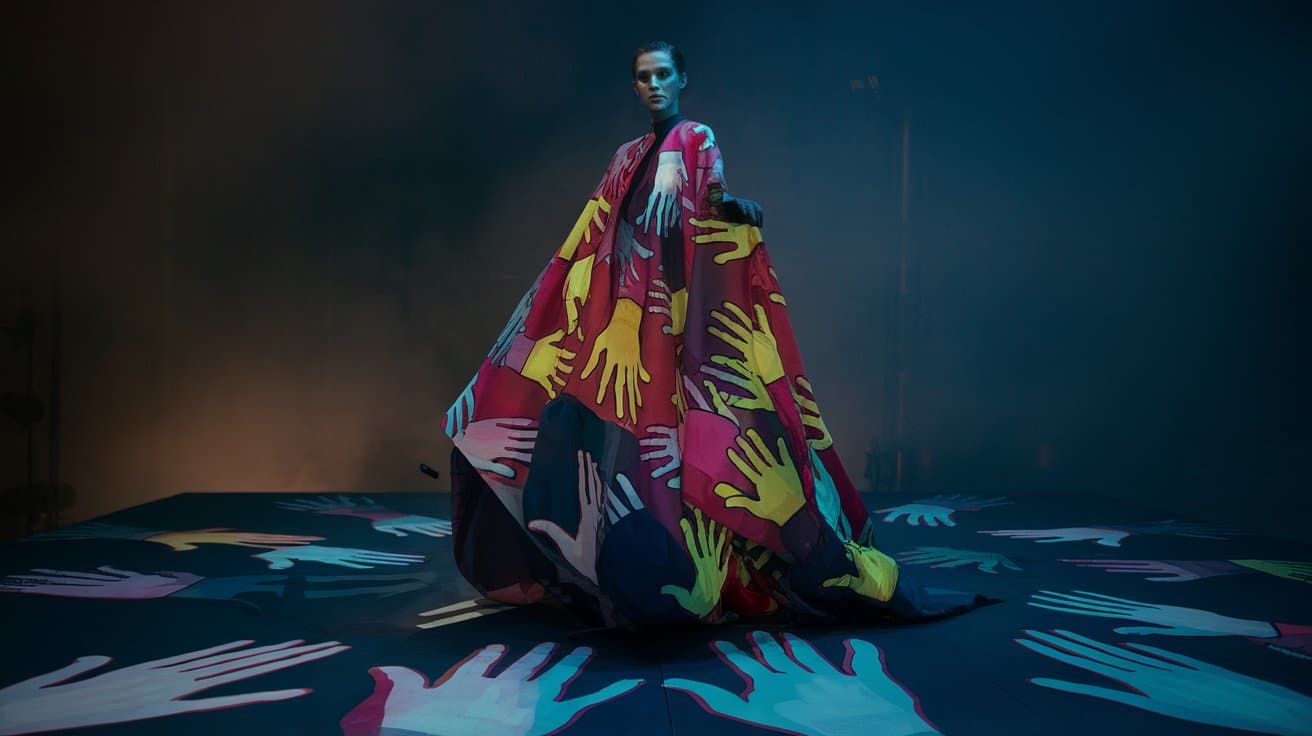
Each avant-garde collection begins with an idea rather than a passing trend.
Designers express emotions, social themes, or creative visions through fabric, shape, and form.
The outcome is a visual story that connects artistic thought with human experience.
5. Minimal or Controlled Color Palettes
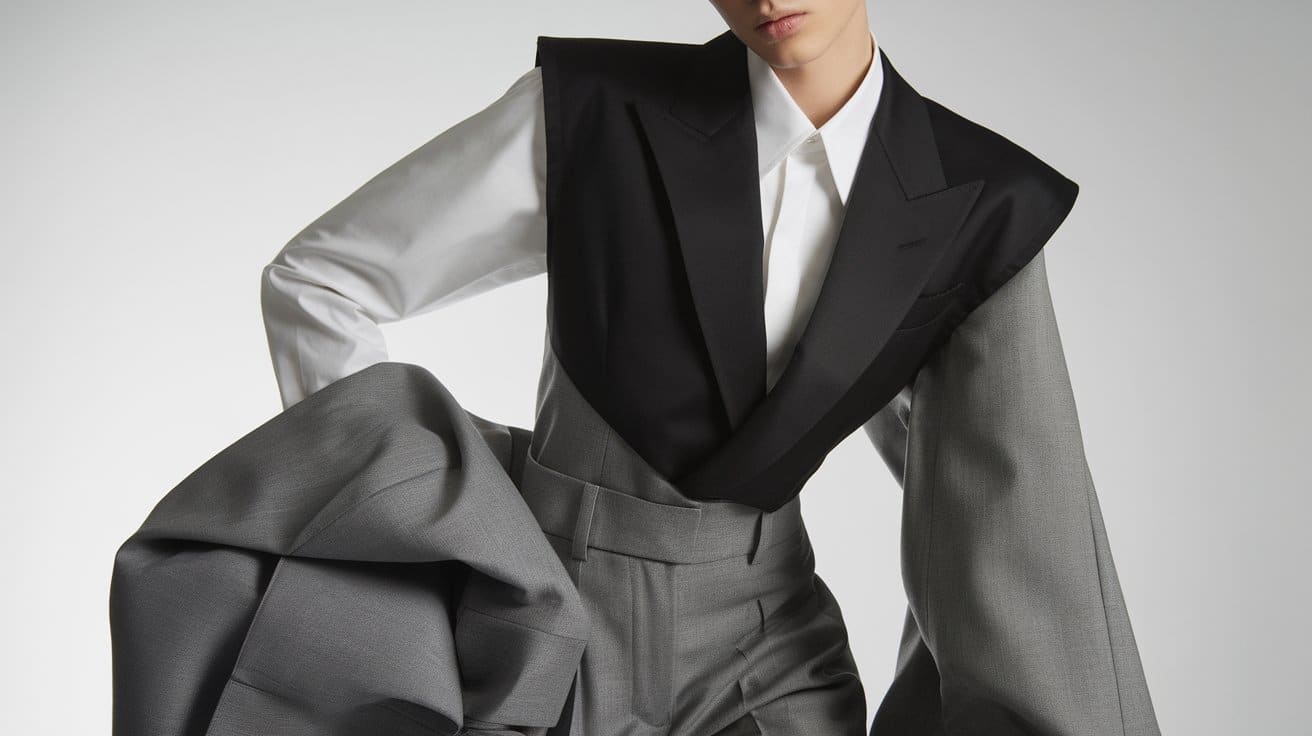
Color serves as a design structure instead of decoration. Many creators use tones like black, white, or gray to highlight form and movement.
Others introduce bold contrasts to evoke feeling, ensuring attention stays on the concept and construction of the garment.
The Cultural and Artistic Influence of Avant-Garde Fashion
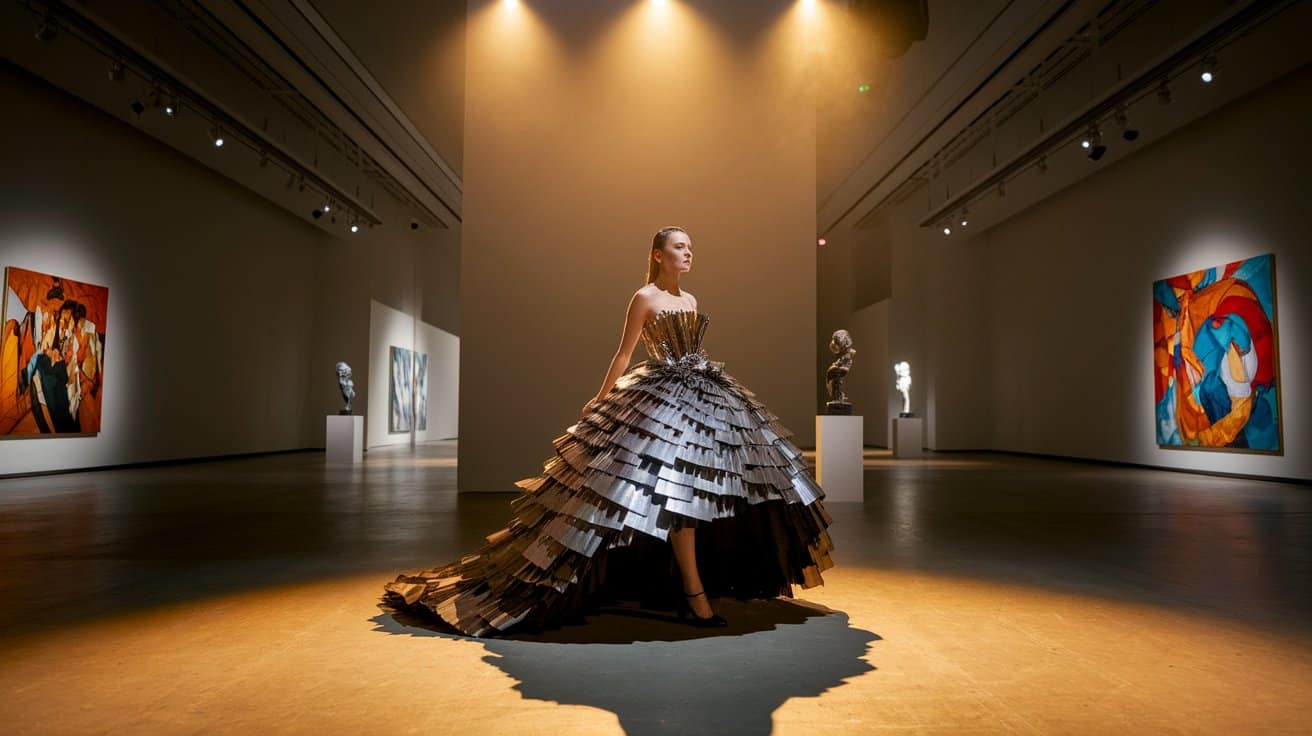
Avant-garde fashion does more than dress the body; it reshapes perception and invites dialogue between art, culture, and society.
It challenges people to see clothing as more than appearance, turning it into a language of expression and thought.
1. Fashion as Social Commentary
Designers use avant-garde pieces to reflect on political change, environmental challenges, and social inequality.
Through exaggerated forms and unconventional materials, they communicate powerful messages that go beyond spoken words.
2. Connection with Other Art Forms
The avant-garde spirit extends into architecture, industrial design, and contemporary art.
Concepts like asymmetry and abstraction have influenced creative disciplines that share its experimental, boundary-pushing mindset.
3. Performance and Emotion
Runway shows often resemble theatrical performances rather than traditional presentations.
Movement, sound, and visual storytelling merge to evoke emotion, turning each collection into an immersive artistic experience.
4. Sustainability and Conscious Design
Today’s avant-garde designers emphasize sustainability through reusability and imperfection.
By converting discarded materials into new creations, they blend artistic vision with environmental awareness.
5. A New View of Wearability
What once seemed radical or unwearable has grown into a symbol of creative purpose.
Avant-garde fashion now represents originality, intention, and the belief that design should provoke thought as much as admiration.
Influential Avant-Garde Designers
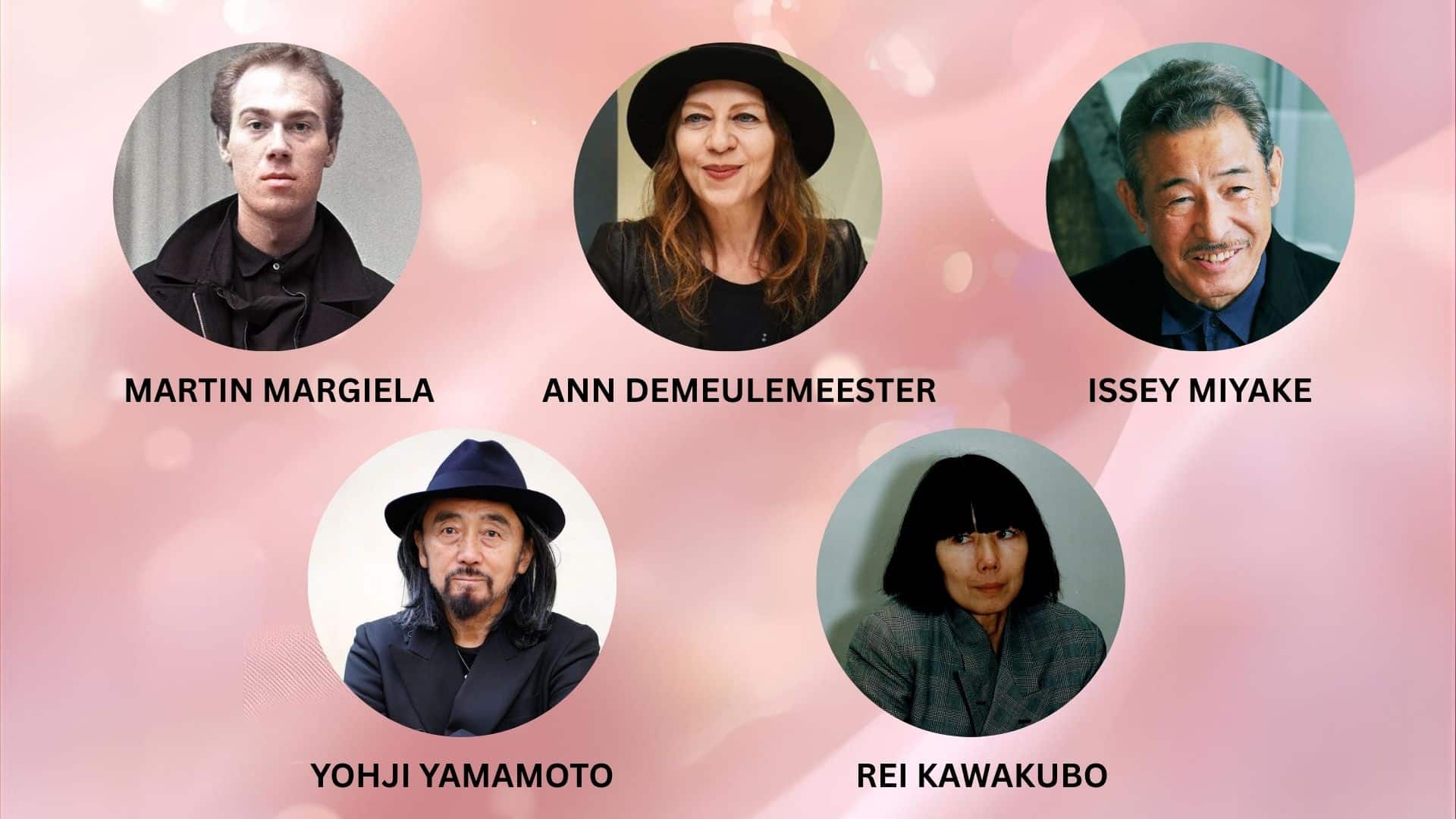
Several designers have shaped the way the world perceives avant-garde fashion. Each approaches it with a distinct philosophy and form.
1. Martin Margiela:
Margiela introduced the concept of anonymity and deconstruction into fashion.
His approach dismantled traditional clothing structures to expose their internal mechanics: lining, stitching, and seams.
In doing so, he questioned the very idea of what makes clothing “finished.”
2. Ann Demeulemeester:
Often described as poetic and introspective, she designs with emotion at the forefront.
Her collections merge darkness and softness, exploring contrasts between fragility and defiance.
Together, these designers established avant-garde not as a temporary trend but as a continuing dialogue between art and identity.
3. Issey Miyake:
Issey takes innovation further by merging technology and craft.
His pleating techniques change fabric into living architecture, allowing garments to move and breathe naturally.
His work demonstrates that avant-garde design can coexist with functionality.
4. Yohji Yamamoto:
He brings emotion and movement into minimalism. Known for his use of black and architectural draping, he creates pieces that merge strength with vulnerability.
His garments move with quiet power, rebellious without aggression.
5. Rei Kawakubo:
The founder of Comme des Garçons redefined fashion by prioritizing concept over convention.
Kawakubo designs clothing that feels more like sculpture, turning negative space and distortion into visual poetry.
She reminds us that beauty does not always align with symmetry.
Modern Interpretations of Avant-Garde Fashion
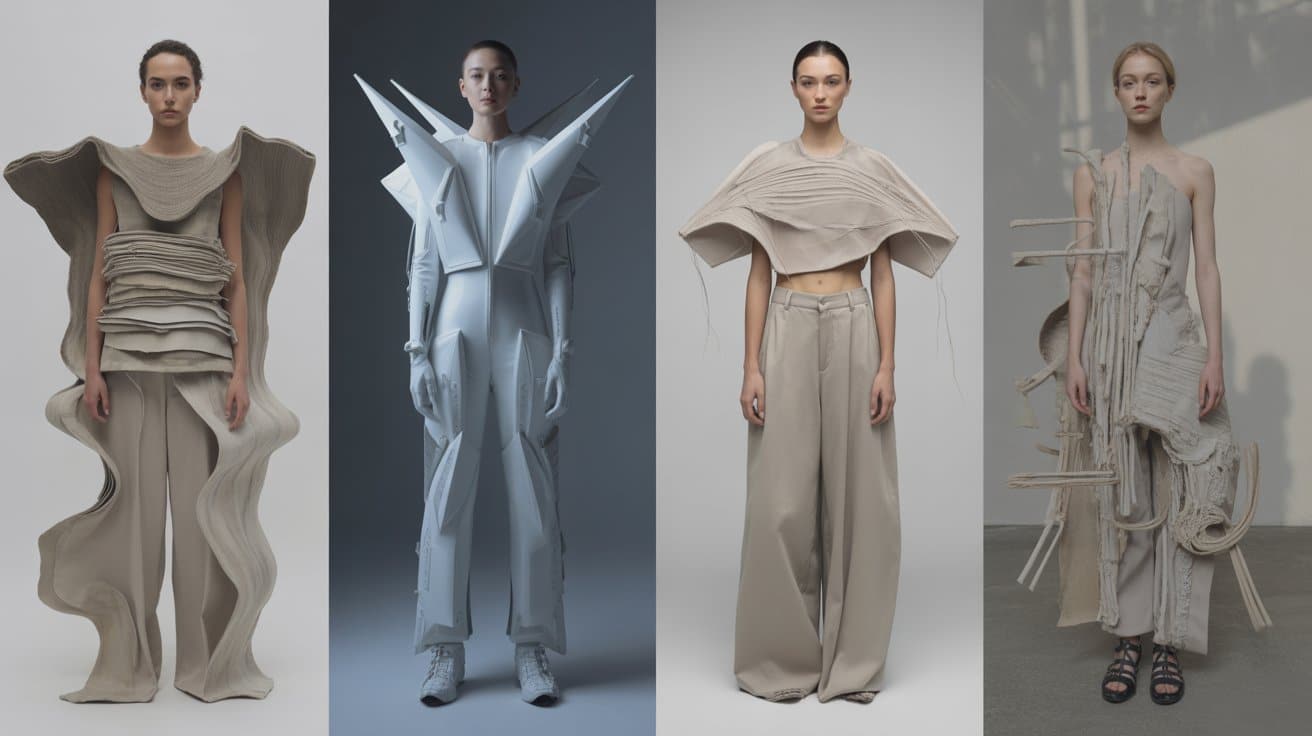
Avant-garde fashion continues to evolve through new materials, technology, and cultural shifts.
Its experimental essence remains, but its expression has become more global and aligned with modern design.
Today’s interpretations blend creativity with purpose, combining sculptural forms, sustainable materials, and digital techniques.
Each creation balances structure and movement, merging craftsmanship with innovation.
Beyond the runway, avant-garde aesthetics thrive in photography, installations, and exhibitions.
Minimal color, layered textures, and striking silhouettes turn fashion into visual storytelling that links fabric, space, and emotion.
How Avant-Garde Differs from Other Fashion Styles?
Avant-garde fashion stands apart from conventional categories because it’s driven by concept, not commerce.
While ready-to-wear and haute couture aim for wearability or luxury, avant-garde uses fashion as a form of questioning and expression.
| Aspect | Ready-to-Wear | Haute Couture | Avant-Garde |
|---|---|---|---|
| Purpose | Practical, market-driven clothing for daily use | Exclusive designs highlighting craft and luxury | Conceptual creations expressing ideas or critique |
| Design Focus | Comfort, fit, and consumer appeal | Precision tailoring and fine materials | Experimentation with form, structure, and meaning |
| Audience | General consumers | High-income clientele | Artistic and intellectual circles |
| Production | Mass or limited industrial output | Handcrafted, client-specific | Often limited pieces, sometimes one-of-a-kind |
| Creative Direction | Guided by seasonal trends | Guided by tradition and prestige | Guided by imagination and challenge to convention |
Avant-garde fashion isn’t about beauty or status. It’s about thought and reaction.
Where most fashion seeks approval, the avant-garde seeks dialogue.
Conclusion
From its conceptual foundations to the experimental silhouettes, bold materials, and narrative-driven collections, Avant-garde fashion stands as a celebration of individuality and artistic freedom.
The designers who shaped this movement proved that fashion can question, provoke, and inspire rather than conform.
Their work continues to influence modern design, sustainability, and creative expression across the world.
It is more than an aesthetic; it is an invitation to think differently.
It reminds creators and wearers alike that originality is still the most powerful statement in design.
If this idea of creativity resonates with you, please share your thoughts below!
Frequently Asked Questions
What Fabrics Are Most Used in Avant-Garde Fashion?
Designers often use mixed materials, combining natural fibers with experimental textiles like rubber, metal mesh, or recycled fabrics to express unique structure and concept.
Is Avant-Garde Fashion Sustainable?
Many avant-garde designers promote sustainability by reusing materials, emphasizing quality, and creating timeless pieces outside of fast-fashion trends.
How Does Avant-Garde Fashion Influence Mainstream Trends?
Avant-garde ideas often inspire future trends, introducing experimental shapes, materials, and construction techniques that later evolve into wearable fashion styles.