
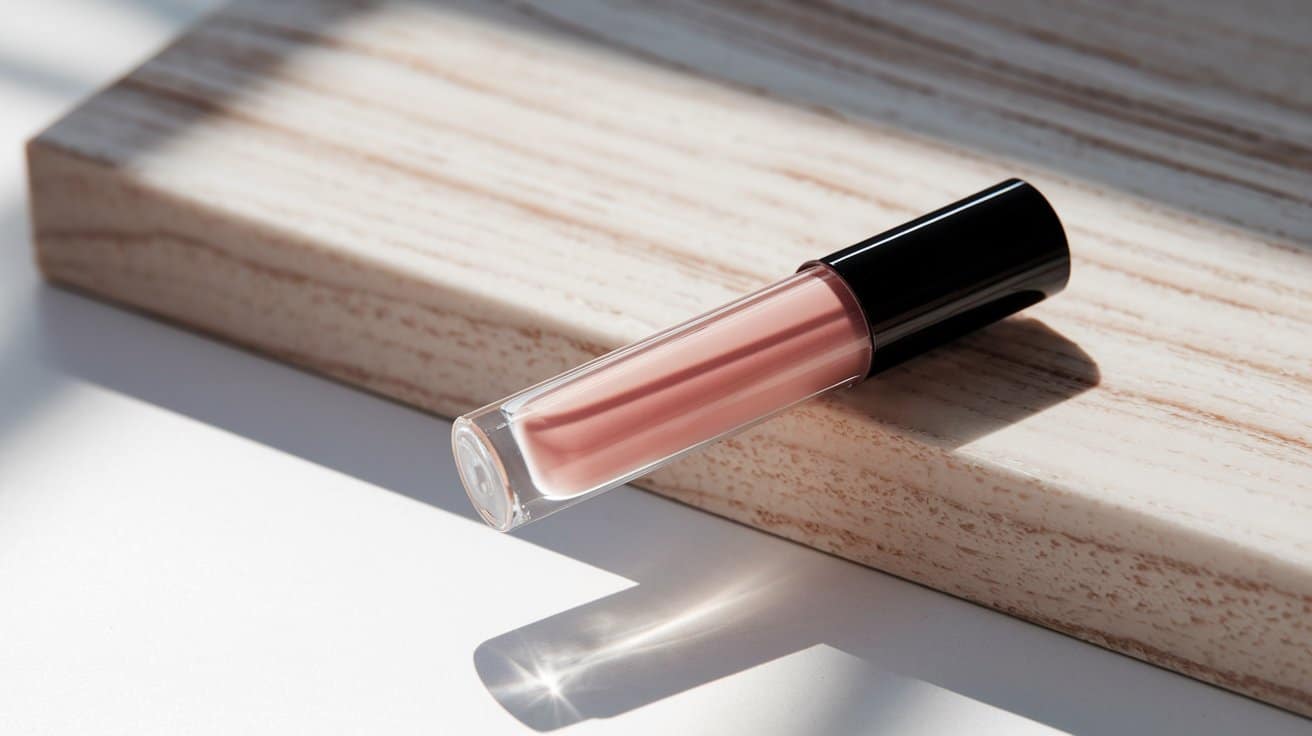
Lip gloss has a way of pulling an entire look together. That tiny tube of shine adds life to a bare face or finishes off a full glam in seconds.
But for all its simplicity, few people really know what goes into it. Some swear it’s made from odd ingredients, while others assume it’s just tinted oil.
The truth? Lip gloss formulas are much more interesting and a lot cleaner than most people think.
From silky plant oils to shimmering mica particles, each element plays a role in creating that perfect shine and comfort we love.
In this blog, we’ll go through what lip gloss is actually made out of, clear up the long-standing whale sperm myth, and highlight ingredients worth avoiding when you’re shopping for your next tube.
What is Lip Gloss Made out of?
Lip gloss is made out of a blend of oils, waxes, pigments, and small additives. These ingredients work together to give the product its gloss, texture, and staying power.
The base usually includes moisturizing oils or emollients that add slip and hydration, while waxes provide grip so the shine doesn’t slide right off your lips.
Every formula tweaks the ratios of its ingredients a little differently depending on the finish, but the foundation remains similar.
Ingredients in Lip Gloss (and Their Functions)
Every swipe of lip gloss comes down to a few key ingredients that decide its shine, texture, and comfort.
From nourishing oils that keep lips soft to waxes that hold the gloss in place, each component plays a specific role in how the formula looks and feels.
In this section, we’ll take a closer look at what these ingredients are and how they work together to create that perfect glossy finish.
1. Oils and Emollients
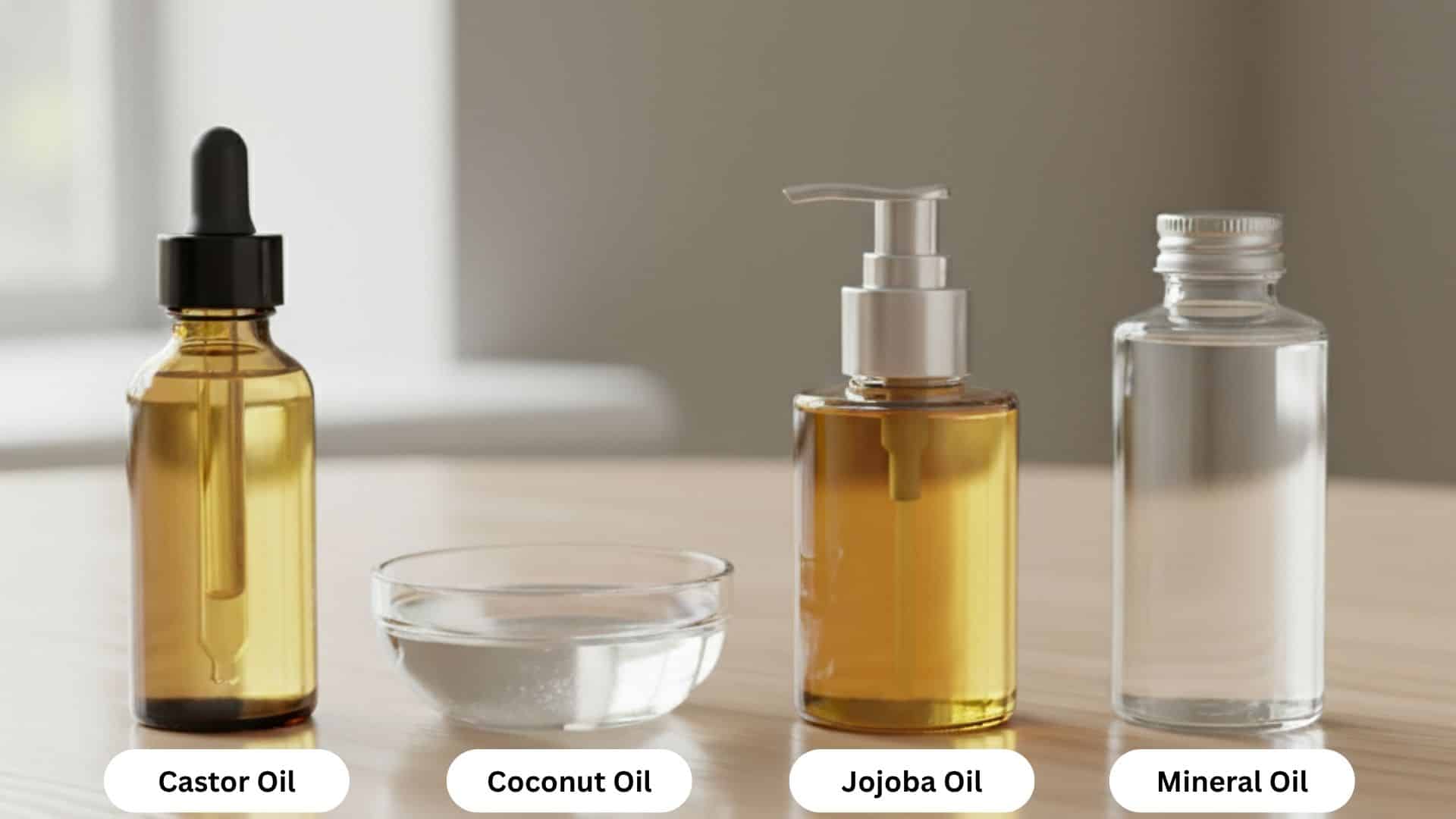
This is where the gloss gets its glide. Oils give that slick feel that makes lips look full and hydrated.
You’ll often spot castor oil, coconut oil, mineral oil, or lanolin listed at the top of the ingredient panel.
- Castor oil provides long-lasting shine and prevents dryness.
- Coconut and jojoba oils add a softer, more nourishing feel, great for people with chapped lips.
- Mineral oil is a classic, giving a lightweight slip that’s smooth but not greasy.
These oils don’t just make your lips look glossy; they also lock in moisture, making them an essential part of every lip gloss formula.
2. Waxes and Thickeners
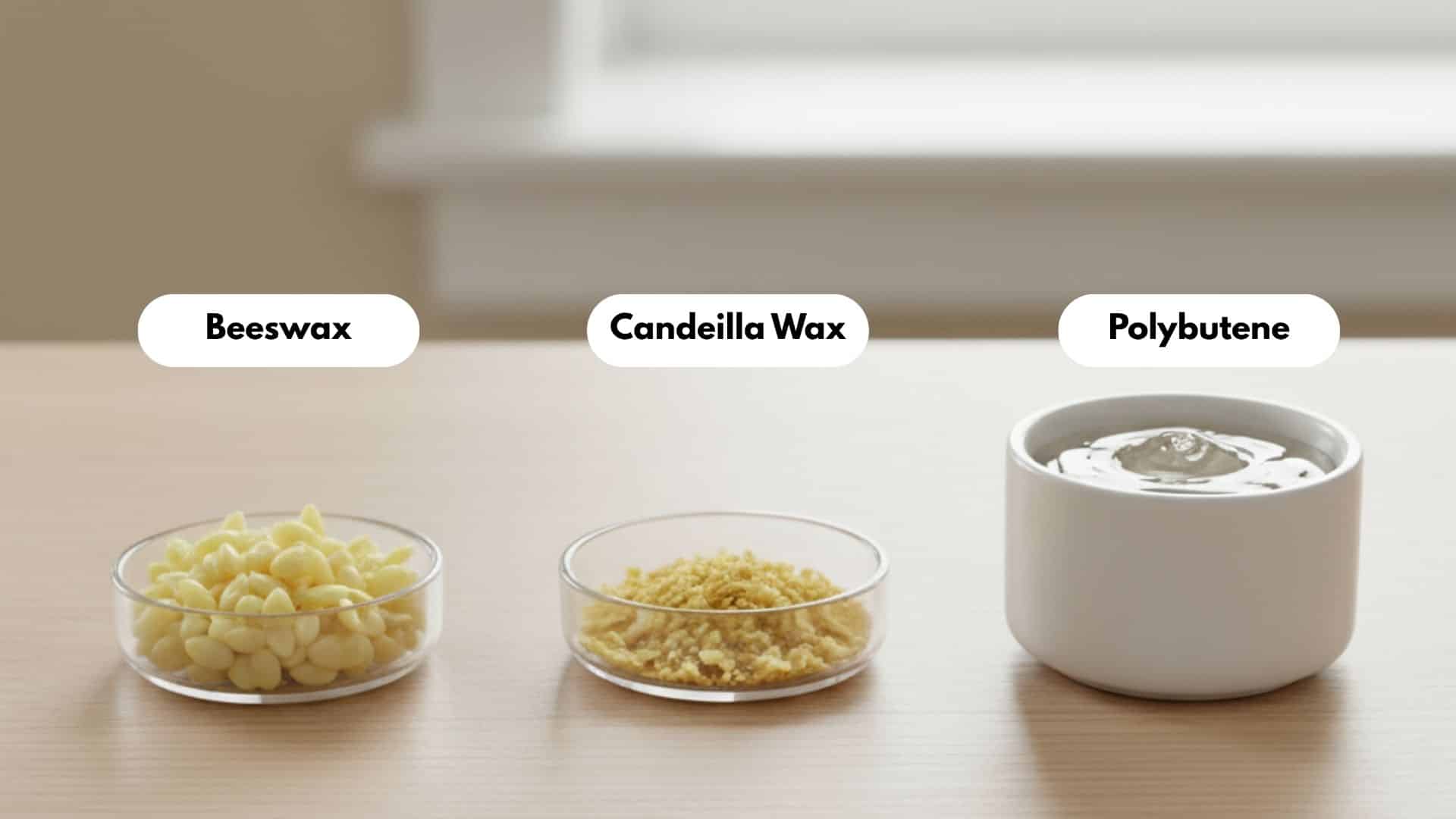
If oils are the silk, waxes are the structure. Without them, gloss would feel like liquid oil that slides off instantly.
Waxes give it body and help it cling to your lips just long enough for that fresh-coat look.
Common examples include beeswax, candelilla wax, and polybutene.
- Beeswax adds natural structure and helps create a cushioned feel.
- Candelilla wax, a plant-based alternative, is used in vegan formulas and provides a slightly firmer texture.
- Polybutene acts as a synthetic thickener that keeps the shine smooth and even.
These ingredients balance glossiness and comfort. Too much wax can make the texture heavy, while too little can make it runny.
3. Pigments and Shimmer
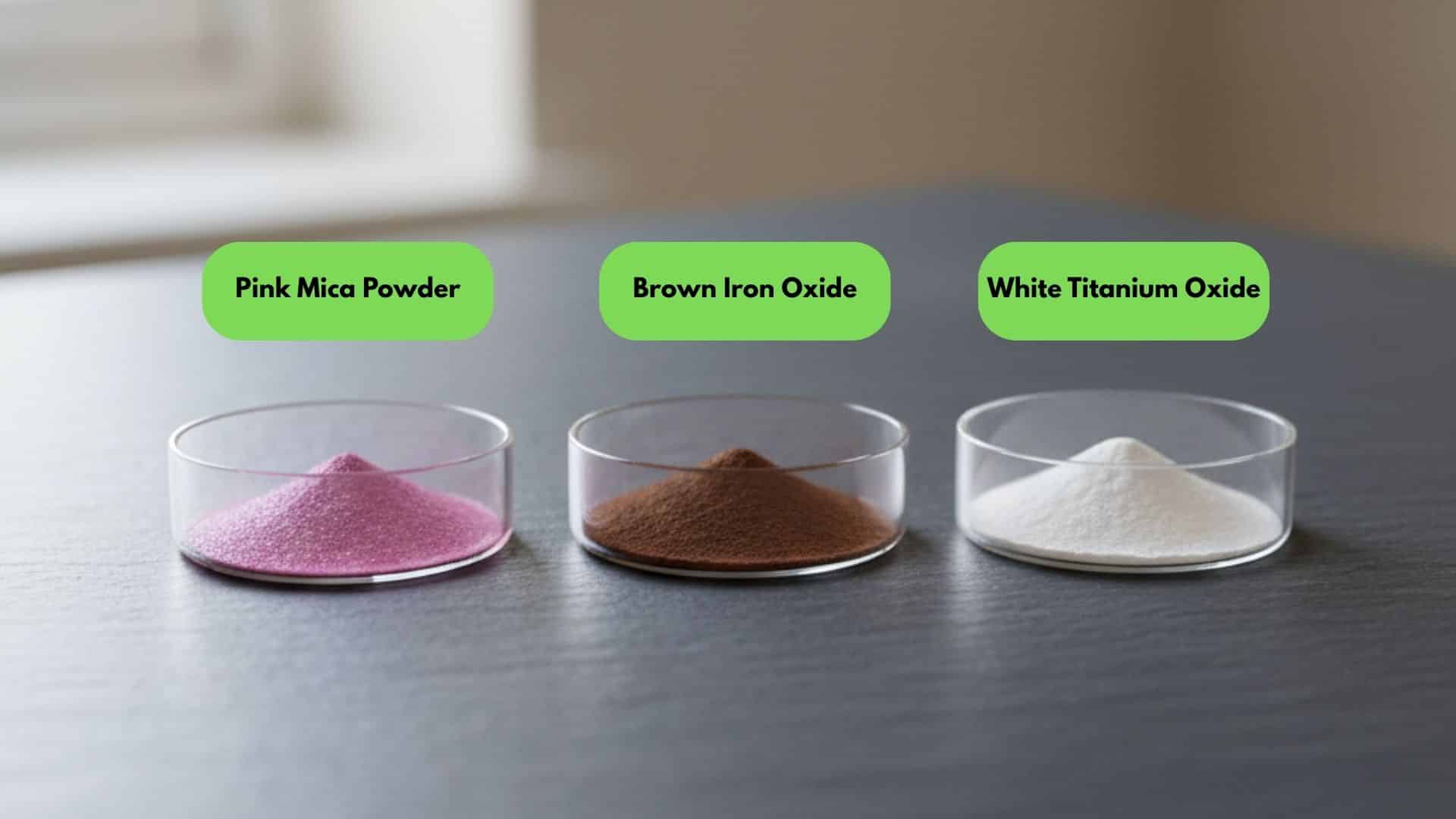
Color gives lip gloss its personality. Depending on the finish, formulas may use iron oxides, mica, or other approved colorants to create anything from subtle nude tones to glittery pinks.
Iron oxides and titanium dioxide are used for natural tints and opacity.
Mica, a mineral powder, provides shimmer and light reflection.
Ethical sourcing is a key focus today, so many brands use lab-made mica to ensure cruelty-free and safe production.
In clear glosses, these pigments may be minimal or entirely absent, leaving only that reflective oil-based sheen we love.
4. Additives and Flavoring Agents
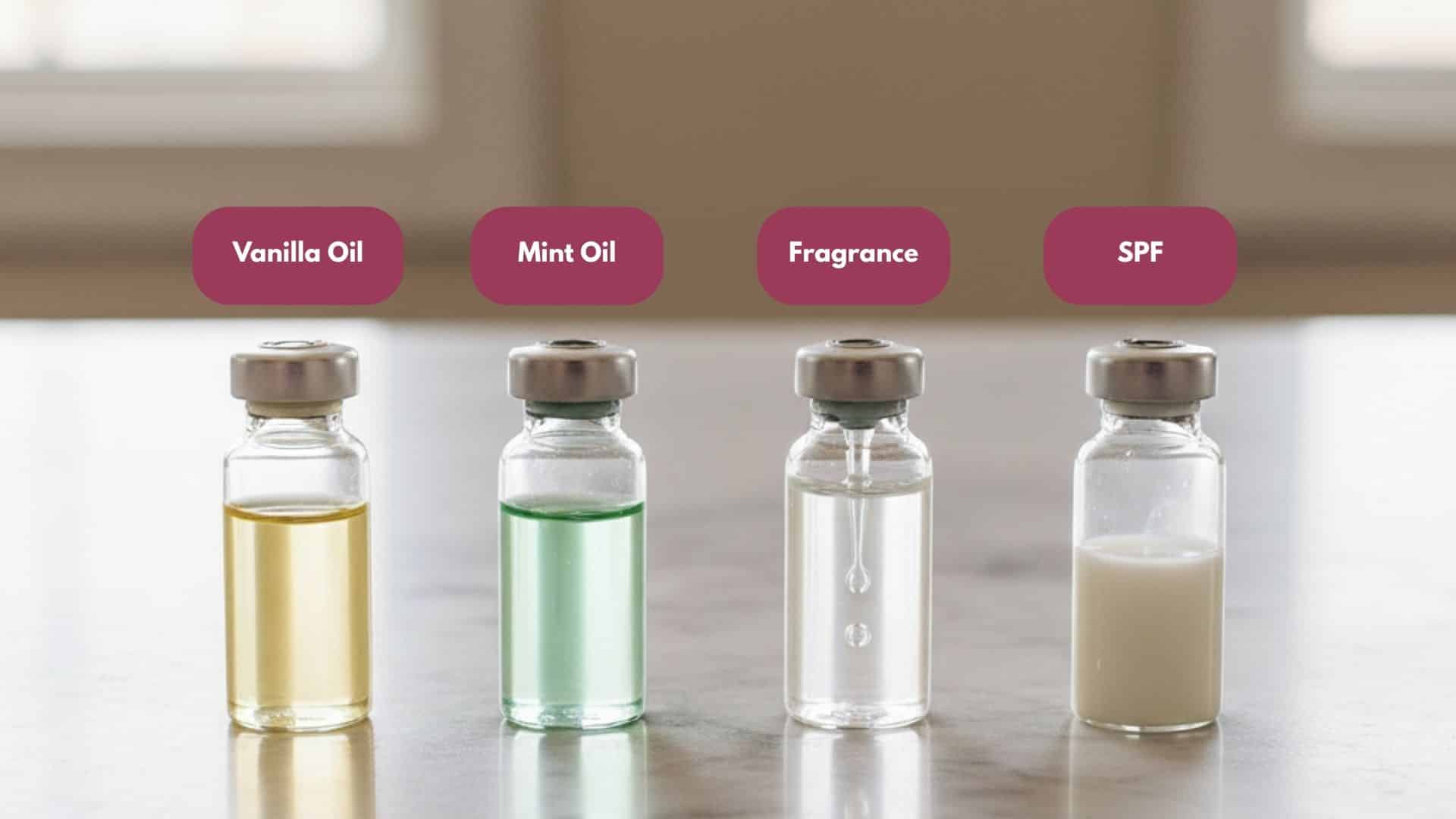
To make gloss more wearable and enjoyable, brands often include light fragrances, flavor oils, or SPF.
Flavor oils like vanilla or mint make the application pleasant.
Fragrance gives that signature scent associated with some brands.
SPF adds an extra layer of protection, especially for outdoor wear.
If your lips tend to react easily, fragrance-free or hypoallergenic glosses might be a better fit since some scented versions can cause dryness or mild irritation.
Does Lip Gloss Contain Whale Sperm?
To put it simply, lip gloss has nothing to do with whale sperm.
The confusion comes from spermaceti, a waxy oil once taken from sperm whales and used in old cosmetics.
That practice ended decades ago and is now banned worldwide.
Modern lip gloss achieves the same silky texture with safe, ethical ingredients like jojoba oil, candelilla wax, and synthetic esters.
If you’re ever unsure, check the ingredient label; today’s beauty brands are far more transparent.
Cruelty-Free Lip Gloss
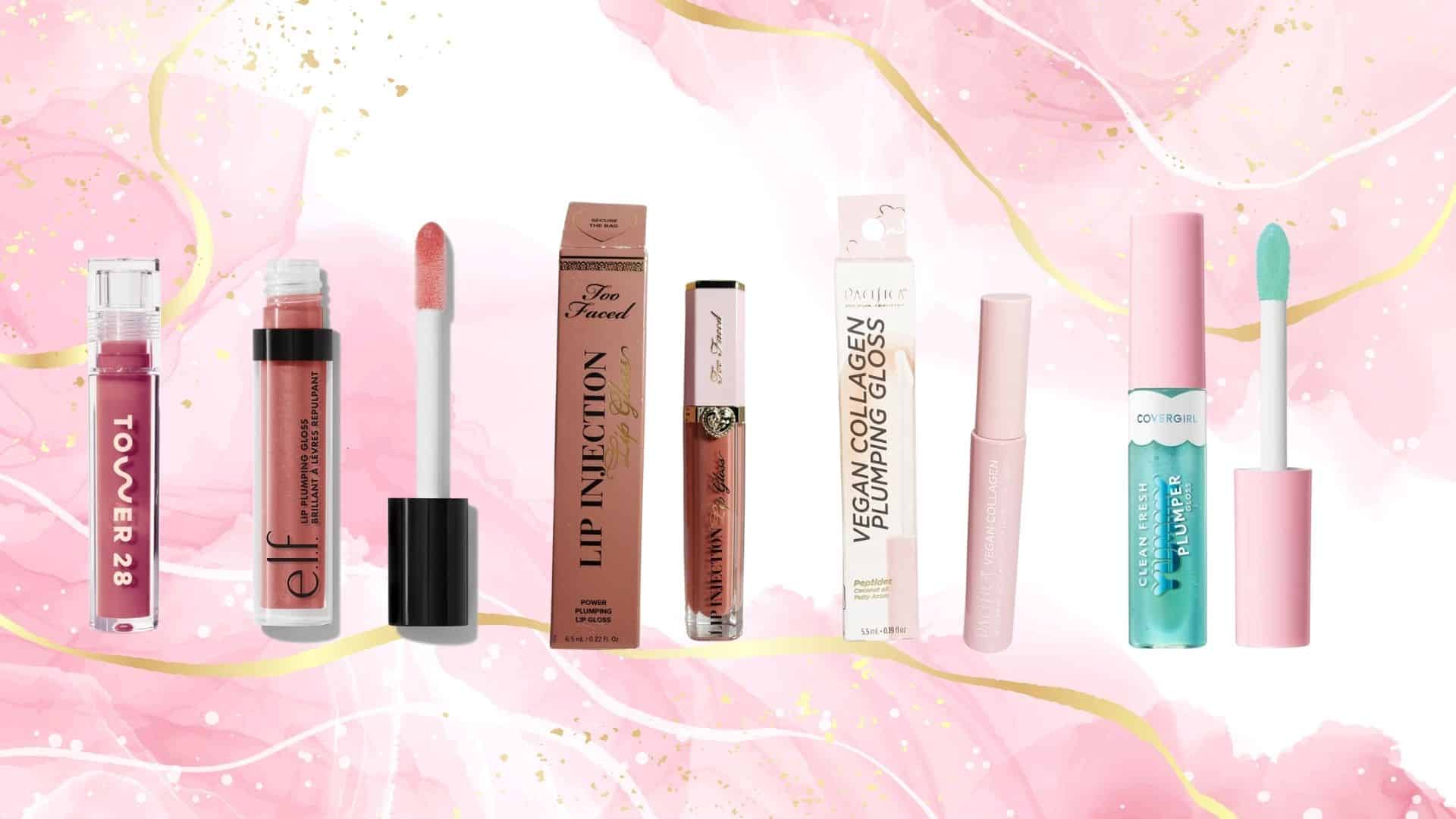
Vegan lip gloss skips animal-derived ingredients and uses plant-based or synthetic alternatives that feel just as glossy and smooth.
The result is a cruelty-free gloss that’s nourishing, ethical, and every bit as versatile as traditional ones.
Many brands now offer vegan options in shades ranging from clear and glassy to richly tinted.
If you’re looking to try one, here are some top vegan lip gloss brands known for clean ingredients and a silky finish.
1. Tower 28
Tower 28 is one of the most talked-about vegan lip gloss brands right now. Its ShineOn Milky Lip Jelly is loved for being soft, glossy, and never sticky.
The formula blends nourishing oils like apricot and raspberry, giving lips a smooth feel and hydrated look.
It’s a favorite among beauty influencers and makeup artists for its clean ingredients and trendy shades.
2. e.l.f. Cosmetics
e.l.f. Cosmetics is a major player in the vegan beauty space. Its Lip Lacquer and Lip Plumping Gloss lines are both 100% vegan and cruelty-free.
Known for affordability and accessibility, e.l.f. makes it easy for anyone to try vegan beauty without sacrificing quality or style.
3. Too Faced
Too Faced has joined the vegan movement with certain versions of its Lip Injection Power Plumping Gloss.
While famous for its plumping effect, the vegan-friendly variations use ethical, skin-safe ingredients that still deliver that signature fuller-lip look.
4. Pacifica
Pacifica is a long-standing favorite among eco-conscious beauty lovers.
Its Vegan Collagen Lip Plumping Gloss combines plant-based ingredients with hydrating oils for a glossy, comfortable finish.
The brand also focuses on sustainable packaging, appealing to those who care about both beauty and environmental impact.
5. CoveGirl
CoverGirl has brought vegan options into the mainstream with its Clean Fresh Yummy Gloss collection.
These glosses feature sheer tints, light fruity scents, and a vegan formula that feels smooth without being sticky.
The line shows how traditional beauty brands are adapting to meet modern, ethical standards.
Ingredients to Avoid in Lip Gloss
While most mainstream glosses are safe, some still include ingredients you might want to steer clear of, especially if you have sensitive skin or prefer cleaner formulations.
Here are a few to watch for:
-
Parabens: Common preservatives that may interfere with hormones when used in excess. Look for paraben-free versions instead.
-
Phthalates: Added to make gloss smoother, but now largely avoided due to safety concerns.
-
Artificial Fragrances and Dyes: Synthetic scents and colors can cause irritation or allergic reactions for some users.
-
Unrefined Petroleum Jelly: If it’s not cosmetic-grade, it may contain impurities. Always check for “USP-grade” or “refined” on the label.
-
Carmine: A bright red pigment made from crushed insects, often used in red or pink glosses. Those following a vegan beauty regimen may prefer alternatives made from plant or mineral sources.
If a gloss has a strong chemical odor, greasy residue, or leaves your lips drier than before, it’s a sign to move on to a cleaner formula.
Brands focusing on minimalist, skin-friendly ingredients are usually safer bets.
Conclusion
So, at its core, lip gloss is made out of a balanced blend of oils, waxes, colorants, and gentle additives that work together to create that luminous finish we all love.
And thankfully, Lip glosses no longer include outdated or animal-derived substances, such as whale products.
Modern formulations celebrate transparency and texture, giving you hydration, comfort, and shine without compromise.
When you shop, take a moment to glance at the ingredient list. If you’ve already found your go-to gloss, share it in the comments below.
Your recommendation might help someone else find their perfect match, too.
Frequently Asked Questions
What Makes Some Lip Glosses Plump Lips?
Plumping glosses contain menthol, cinnamon, or mild irritants that increase blood flow. Regular glosses focus on moisturizing without circulation stimulation.
How Do Temperature Changes Affect Lip Gloss Consistency?
Cold temperatures make gloss thicker and harder to apply. Heat makes it runny and more likely to separate or leak.
What Makes Lip Gloss Transfer-Resistant?
Film-forming polymers and volatile silicones create transfer-resistant formulas. These ingredients evaporate, leaving color and reducing movement on the lips.