
A houseplant left sitting on the floor rarely gets the attention it deserves. Lift it onto one of the right plant stands and the whole corner of a room suddenly feels considered rather than accidental. Height changes everything. It brings leaves closer to eye level, frees up floor space for cleaning, and lets a trailing pothos or a tall fiddle leaf fig become part of the actual furniture arrangement rather than an afterthought squeezed into a gap.
Whether you are furnishing a rental apartment or finishing off a living room refresh you have been planning for months, a good stand does more design work than almost any other small purchase you can make, and it usually costs far less than people expect once they start looking.
Why Height Changes Everything
Interior stylists often talk about creating layers in a room, and plants are one of the easiest ways to do it without touching the walls or the furniture you already own. A stand raises foliage into a new sightline, which means a single plant can visually anchor a reading chair, soften a bare corner near a window, or fill the awkward space beside a bookshelf.
According to HGTV’s roundup of the best plant stands for indoor plants, varying the heights of stands across a room, rather than lining them all up at the same level, creates the kind of layered look that professional stylists rely on. A tall stand paired with a low one lets you build a mini garden effect even in a small apartment, and it costs a fraction of what a full furniture rearrange would.
Matching Materials to Your Room
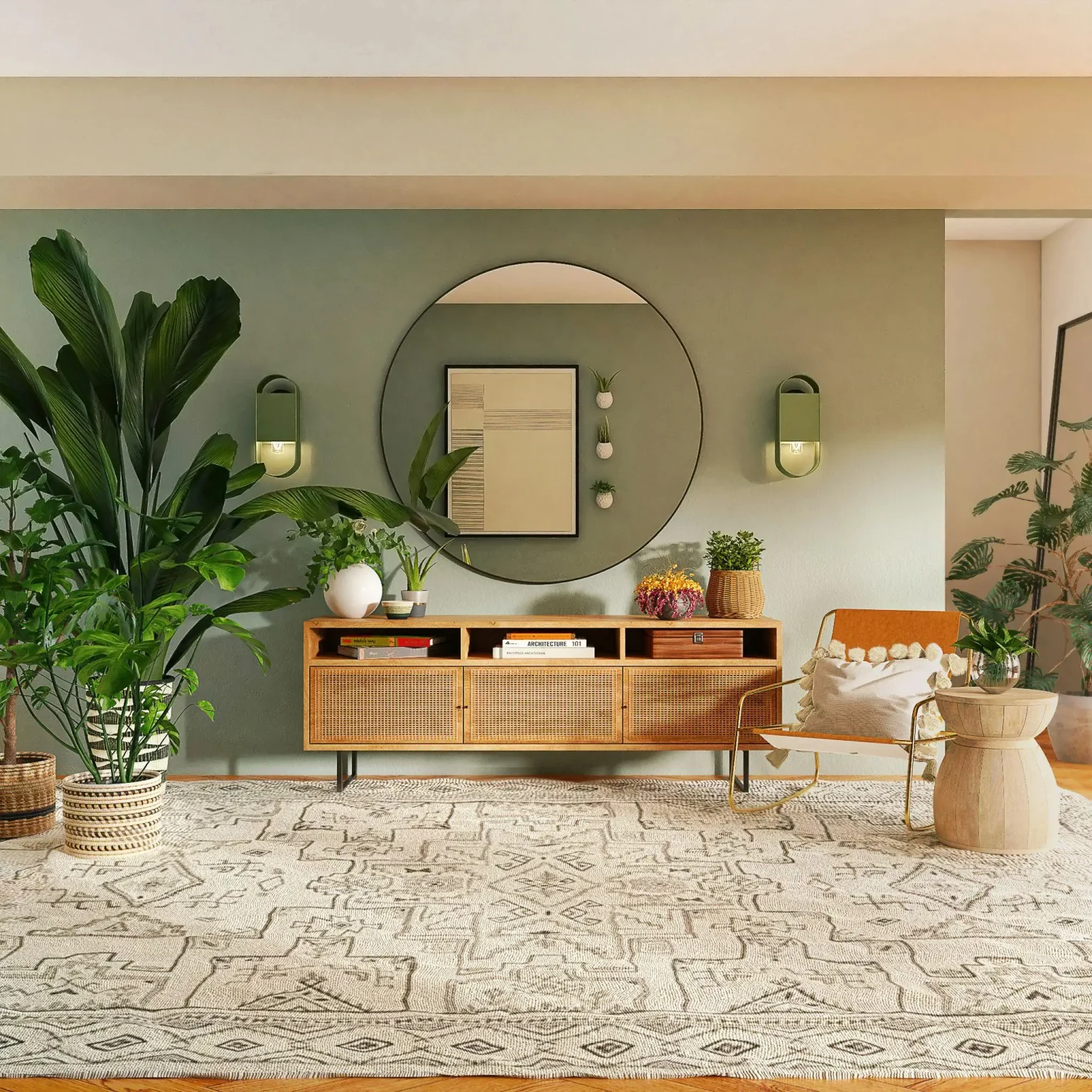
Wood stands, in warm oak or walnut tones, tend to disappear into a room in the best possible way, letting the plant do the talking while still adding warmth underfoot. Metal stands, particularly slim black or brass frames, suit a more modern or industrial space and hold up well in bathrooms or kitchens where humidity runs a little higher. Rattan and woven stands bring texture and a relaxed, natural feel that works well in bedrooms or reading nooks.
Apartment Therapy’s guide to indoor and outdoor plant stands points out that mixing materials across a single room, rather than matching every stand exactly to your existing furniture, actually reads as more intentional and collected over time, the way a home filled gradually always looks better than one furnished all at once.
Choosing the Right Stand for Each Plant
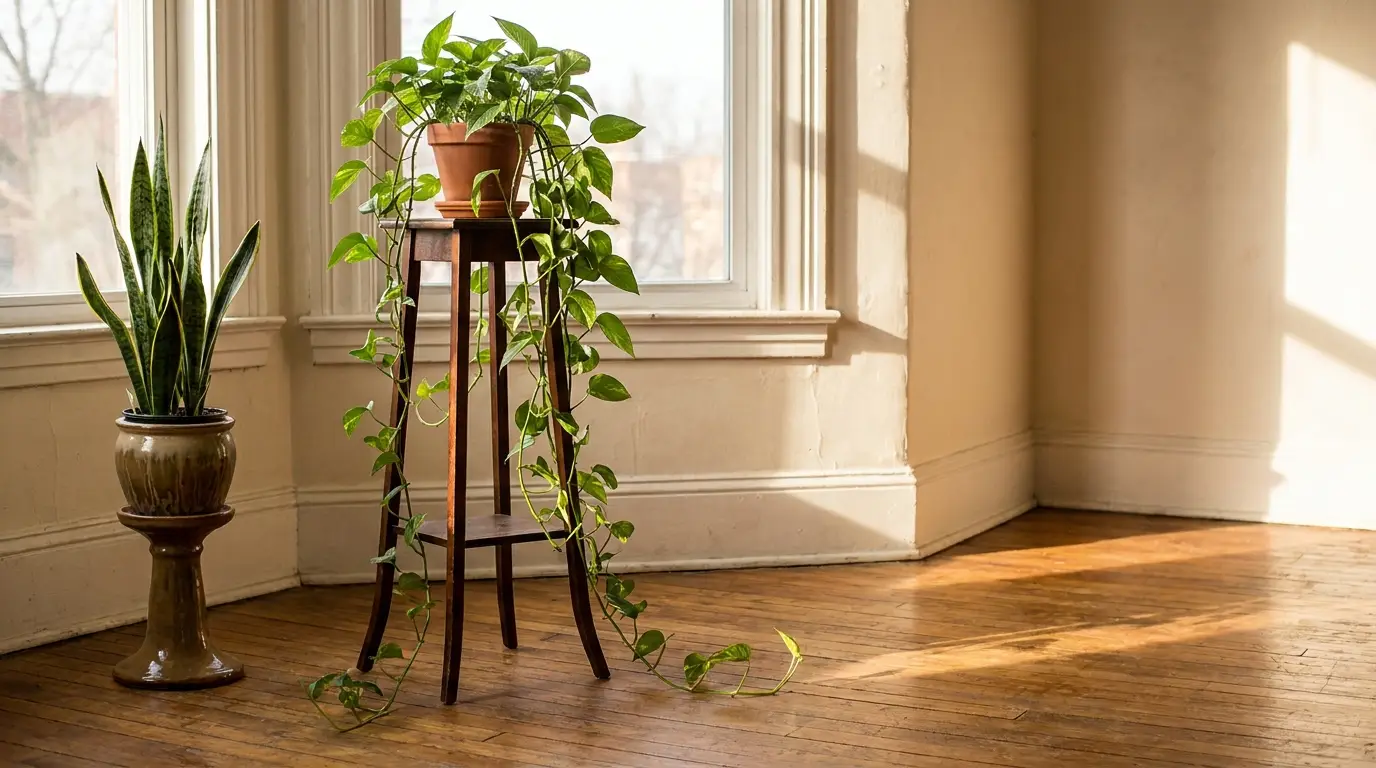
Not every plant wants the same kind of support. A trailing plant like a pothos or a string of pearls looks best on a taller, narrower stand where its vines can spill down the sides uninterrupted. A structural plant such as a snake plant or a ZZ plant, with upright leaves, suits a simpler, lower stand that lets the plant itself be the visual statement.
Larger floor plants, including fiddle leaf figs and rubber plants, need a wider, more stable base, both for safety and because a stand that is too small will look visually off balance next to a large pot. Multi tiered stands solve a different problem entirely. They let you group several small pots together, which is a simple way to make a modest plant collection look deliberately curated rather than scattered around the room.
Where to Place Them for Maximum Impact
Placement matters just as much as the stand itself. A tall plant stand tucked beside a sofa fills dead vertical space that would otherwise sit empty, while a low, wide stand under a window makes the most of natural light without blocking it from reaching the rest of the room.
Hallways and entryways benefit enormously from a single well styled plant stand near the front door, since it is one of the first things anyone sees when they walk in and instantly signals a home that has been thought about. Grouping two or three stands of different heights together, rather than scattering single plants around a room in isolation, creates a small indoor garden moment that reads as far more deliberate than the sum of its individual parts.
Practical Considerations Before You Buy
Weight matters more than most people expect once a pot is filled with damp soil, so check a stand’s listed capacity rather than guessing from appearance alone. Stands with a lip or a slightly raised edge help catch drips, which matters if the stand will sit on timber floors or a rug.
Outdoor and undercover areas call for stands built from weather resistant materials, since untreated timber and some metals can warp or rust when exposed to rain over a season. If you are working with a smaller apartment, folding or nesting stands offer flexibility, letting you add extra display space for a spring plant haul and pack it away again the moment you need the floor space back.
Bringing It All Together
The best rooms rarely look like they were furnished from a single catalogue order in one afternoon. Mixing two or three stand styles, heights and materials, then filling them with a rotating mix of plants, creates the kind of layered, lived in look that a single large planter never quite achieves on its own.
Start with one or two well chosen stands in your most visible room, live with them for a few weeks, and you will likely find yourself noticing exactly where the next one should go, whether that is a quiet corner of the bedroom or a sunny spot beside the kitchen window that has been begging for a little more life.