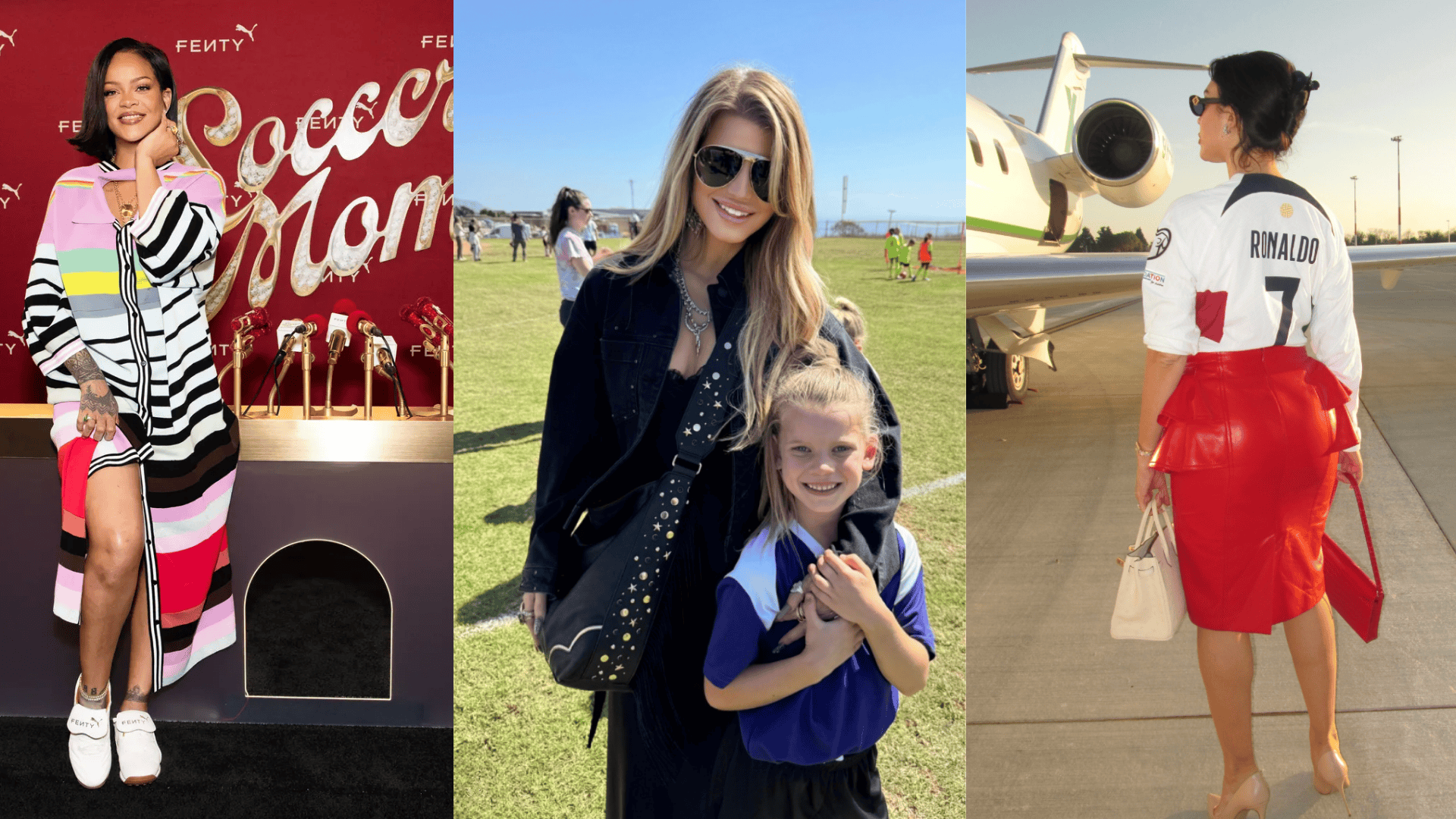


The perception of the fashion influencer is often limited to what fits inside a square grid. We see the perfectly curated outfits, the front-row seats at fashion week, and the sun-drenched travel vlogs. It looks glamorous, effortless, and perhaps a little self-indulgent. However, behind the scenes of every successful digital creator, a massive shift has occurred over the last few years. The era of the casual content creator is over. The top tier of fashion influencers are no longer just tastemakers. They’re functioning as fully operational chief executive officers.
Have you ever stopped to look closely at how the industry is changing right in front of us?
Honestly, it can feel a bit overwhelming trying to keep up. Navigating the modern digital landscape requires far more than an eye for style and a smartphone. It demands logistics, financial modeling, legal comprehension, and strategic scaling. For any fashion freelancer, stylist, or independent creator looking to build longevity, studying how these digital-first executives operate offers a brilliant blueprint for growth.
If you’re ready to elevate your creative practice from a demanding freelance hustle into a sustainable enterprise, you need to start adopting the habits of these creator-CEOs. Here are five foundational ways they manage their empires, and how you can apply those exact strategies to your own professional journey.
1. Diversifying Revenue Beyond the Single Contract
In the early days of digital styling and content creation, a freelancer relied entirely on a linear income model. You booked a client, you delivered the service or the post, and you collected a fee. If you didn’t work, you didn’t get paid. I remember staring at an empty calendar during a quiet winter season, feeling that exact knot of panic in my stomach.
But what happens when a platform algorithm changes overnight or a major brand slashes its marketing budget?
Top fashion creators realized early on that relying on a single revenue stream is dangerous. You know, true security only comes from ownership. Modern creator-CEOs treat their personal brand like an umbrella corporation that houses multiple revenue channels. They combine direct brand partnerships with affiliate marketing networks, subscription-based communities, digital products, and physical merchandise or capsule collections.
To implement this yourself, audit your current creative output. If you’re a freelance stylist, can you package your knowledge into a downloadable seasonal style guide? Can you implement affiliate links into the mood boards you send to regular clients?
And that is how you protect your time.
Maybe it starts small, but diversification cushions you against the unpredictable dry spells that every freelancer faces, turning volatile income into a steady, predictable cash flow.
2. Implementing Rigorous Operational Systems
A creative business cannot grow if the backend infrastructure is chaotic. It’s impossible to pitch high-value clients or plan long-term collaborations when you’re drowning in unorganized emails, missing receipts, and late payments. Influencers who scale successfully do so because they build operational systems that run smoothly behind the scenes.
They treat their daily workflow with corporate discipline. They map out content calendars months in advance, use project management software to track production pipelines, and employ automated tools to handle communication and client management.
As a self-employed professional, your administrative workflow should look just as polished. When you collaborate with brands, designers, or styling clients, your documentation needs to reflect your authority. If you’re billing a corporate partner for a major consulting project or styling campaign, sending a messy, unformatted email request looks amateurish.
Making use of a structured self-employed invoice template ensures that your financial transactions are handled with absolute professionalism. It protects your cash flow, keeps your tax records pristine, and signals to your clients that you operate a legitimate enterprise rather than a casual side project. And that’s the point. It is about demanding respect through your paperwork.
3. Transitioning From Solopreneur to Project Manager

There is a common trap that catches many talented freelancers. You assume that because you’re the creative force behind your brand, you have to execute every single task yourself. You spend your mornings styling, your afternoons editing photos, and your evenings updating spreadsheets, tracking down late payments, and responding to basic inquiries.
This is a fast track to creative burnout. I guess we have all been there, sitting under the hum of the laptop at midnight, wondering why we started this in the first place.
Fashion CEOs understand the value of their time. They focus their energy exclusively on high-impact activities, such as creative direction, strategic networking, and major deal negotiations. For everything else, they build a trusted network of collaborators. They hire freelance video editors, virtual assistants to manage their inboxes, and bookkeepers to handle the ledgers.
So, how do you cross that bridge without a massive corporate budget?
You don’t need a massive budget to start outsourcing. Begin small by identifying the tasks that drain your energy or take you away from billable creative work. If editing a short video takes you four hours but a specialized editor can do it in thirty minutes for a reasonable rate, outsourcing that task frees up your time to pitch new business that pays significantly more than the editor’s fee.
4. Relying on Data Over Intuition
While fashion is inherently rooted in intuition, taste, and emotion, business decisions must be rooted in data. Creators who run their operations like CEOs don’t guess what their audience wants or blindly hope a new service will succeed. They study their analytics with the precision of a financial analyst.
They track engagement rates, audience demographics, link click-through behavior, and conversion metrics. If a certain type of content or service consistently underperforms, they pivot immediately without sentimentality. They understand exactly which platforms yield the highest return on investment and allocate their time and resources accordingly.
As a fashion freelancer, you should bring this same analytical lens to your business. Track where your best clients come from. Is it word-of-mouth, a specific social platform, or cold pitching? Monitor your profitability by calculating the exact hours spent on a project against the final fee. When you let data guide your business strategy, you stop wasting energy on low-yield projects and focus entirely on what drives growth.
5. Building Long-Term Brand Equity
A standard freelance mindset focuses on the immediate horizon. You look for the next gig, the next check, and the next short-term victory. A CEO mindset focuses on the building of long-term asset value. Top creators are constantly thinking about how to build equity that exists independently of their daily physical presence.
They invest in building their own digital properties, such as a proprietary email list or an independent website, rather than relying solely on third-party social media platforms. They secure intellectual property rights, register trademarks for their brands, and structure their businesses to protect their creative assets.
Start thinking about how you can build equity in your freelance career. Build a stunning, self-owned portfolio website that you control completely. Cultivate an email newsletter list of industry contacts and loyal followers who want your insights directly. By focusing on building long-term brand equity, you create a business that gains value over time, giving you leverage, stability, and true creative freedom.