

Modern lifestyles have changed dramatically over the past few decades. Advances in technology have made work more efficient, but they have also created routines that require people to remain in one position for extended periods. Office professionals often spend entire days sitting in front of computers, while healthcare workers, teachers, retail employees, factory staff, and hospitality professionals may stand for hours without adequate breaks. Although these routines have become a normal part of everyday life, they can quietly affect physical health in ways that are easy to overlook.
The human body is designed for movement. Muscles, joints, bones, and the circulatory system all function best when regular movement is part of the day. Remaining seated or standing for prolonged periods disrupts this natural rhythm, placing additional stress on multiple body systems. The consequences may not appear immediately, but over time they can contribute to chronic discomfort, reduced mobility, fatigue, and circulation problems.Individuals who experience persistent leg heaviness, swelling, or visible vein changes should consider consulting experienced vein doctors serving Livingston NJ for a thorough evaluation, as early assessment can help identify vein conditions before symptoms progress.
Recognizing the hidden effects of prolonged sitting and standing is the first step toward making healthier choices that protect long-term well-being.
The Body Was Built to Move
Human anatomy evolved around regular physical activity. Walking, bending, stretching, climbing, and changing positions help keep muscles active, joints lubricated, and blood circulating efficiently.
When movement becomes limited, these natural processes slow down. Muscles remain contracted in the same position for long periods, joints become stiff, and circulation becomes less efficient. Over weeks, months, and years, these small changes can accumulate into more noticeable health problems.
Even individuals who exercise regularly may experience negative effects if the rest of the day is spent sitting or standing without sufficient movement.
How Prolonged Sitting Affects Your Health
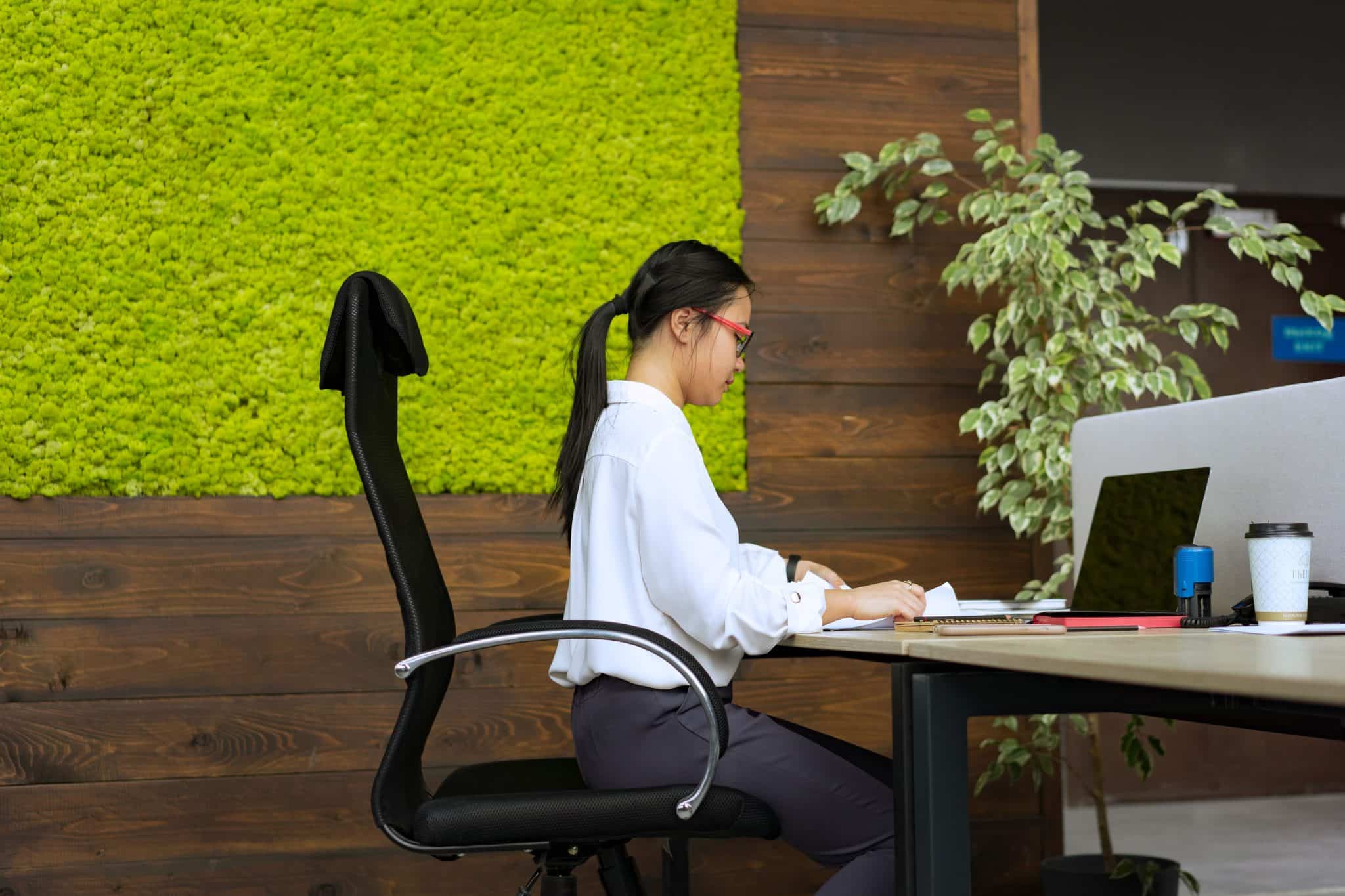
Sitting may feel comfortable, but remaining seated for several consecutive hours places continuous stress on the body.
Hip flexor muscles shorten, core muscles become less active, and pressure on the lower back increases. Poor posture often develops gradually, leading to neck tension, shoulder stiffness, and spinal discomfort.
From a circulatory perspective, prolonged sitting reduces activity in the calf muscles, which normally help pump blood back toward the heart. As blood flow slows, fluid may begin collecting in the lower legs and ankles, contributing to swelling and feelings of heaviness.
Over time, these effects may increase the risk of developing chronic venous insufficiency and varicose veins in susceptible individuals.
The Physical Demands of Standing All Day
Standing is often viewed as healthier than sitting, but remaining upright without movement creates its own challenges.
Workers who stand continuously place sustained pressure on the muscles, joints, and veins of the lower body. Gravity causes blood to collect in the legs, requiring the veins to work harder to return blood to the heart.
Without frequent walking or changes in position, the calf muscles provide less assistance to the venous system. As pressure builds inside the veins, symptoms such as aching, swelling, fatigue, and visible varicose veins may gradually develop.
Jobs requiring prolonged standing often include nursing, teaching, retail, manufacturing, food service, and warehouse operations.
The Hidden Effect on Circulation
Healthy veins contain small one-way valves that help blood travel upward against gravity. These valves depend on muscle contractions, particularly in the calves, to support healthy circulation.
Whether sitting or standing for long periods, reduced muscle activity limits this natural pumping mechanism. Blood may begin pooling in the lower extremities, increasing pressure within the veins.
Initially, this may produce mild swelling or tired legs at the end of the day. As the condition progresses, symptoms can include persistent heaviness, throbbing, itching, muscle cramps, and visible varicose veins.
Because these symptoms often develop gradually, many people assume they are simply part of aging or demanding work schedules.
More Than Just Leg Pain
The effects of prolonged inactivity or standing extend beyond the legs.
Reduced movement contributes to muscle imbalances that increase stress on the hips, knees, and lower back. Poor posture may trigger headaches, neck discomfort, and shoulder tension.
Circulatory changes can also influence energy levels. Employees frequently report feeling mentally fatigued after long periods in the same position, even when their work is not physically demanding.
This combination of physical discomfort and reduced energy may affect concentration, productivity, and overall quality of life.
Lifestyle Habits That Help Protect Your Body
Fortunately, protecting the body does not require dramatic lifestyle changes.
Taking brief walking breaks every hour encourages blood flow and reduces muscle stiffness. Simple stretching exercises improve flexibility while activating muscles that remain inactive during prolonged sitting or standing.
Individuals who work at desks benefit from alternating between sitting and standing throughout the day whenever possible. Adjustable workstations make these transitions easier while encouraging healthier posture.
Workers who stand for extended periods should shift their weight regularly, walk whenever practical, and wear supportive footwear that reduces stress on the feet and lower limbs.
Hydration, balanced nutrition, and regular physical activity outside of work further support healthy circulation and musculoskeletal health.
The Importance of Exercise Outside the Workplace
Daily exercise helps counteract many of the physical effects associated with sedentary work or prolonged standing.
Walking remains one of the most effective activities for improving circulation because it activates the calf muscles, which assist blood flow back to the heart.
Cycling, swimming, yoga, and strength training also support joint mobility, muscle balance, and cardiovascular fitness while reducing stiffness caused by repetitive work routines.
Consistency matters more than intensity. Moderate activity performed regularly often produces greater long-term benefits than occasional high-intensity exercise.
When Symptoms Should Not Be Ignored
Occasional tired legs after a long workday are common.
However, persistent swelling, aching, heaviness, skin discoloration, visible varicose veins, or leg discomfort that interferes with daily activities should not be dismissed.
These symptoms may indicate chronic venous insufficiency, a progressive condition that benefits from early diagnosis and treatment.
Seeking evaluation before symptoms become severe allows healthcare providers to identify underlying circulation problems and recommend appropriate treatment based on the individual’s specific condition.
Modern Advances in Vein Care
Treatment for vein disease has advanced considerably in recent years.
Many procedures are now minimally invasive and performed in outpatient settings with local anesthesia. Techniques such as endovenous laser therapy, radiofrequency ablation, ultrasound-guided sclerotherapy, and ambulatory phlebectomy offer effective treatment with relatively short recovery periods for many patients.
Diagnostic ultrasound allows specialists to evaluate blood flow in real time, making treatment recommendations more precise and individualized than ever before.
Early intervention often prevents symptoms from progressing while helping patients return to comfortable daily activities.
Building a Movement-Focused Lifestyle
One of the most valuable health habits people can develop is incorporating movement naturally throughout the day.
Rather than viewing exercise as something limited to the gym, movement can become part of everyday routines. Taking stairs, walking during phone calls, stretching between meetings, parking farther away, or standing briefly while reading emails all contribute to healthier circulation and joint function.
Small, consistent habits often have a greater long-term impact than occasional dramatic lifestyle changes.
By making movement a regular part of the day, individuals reduce the physical burden created by prolonged sitting or standing while supporting overall health.
Conclusion
Long hours spent sitting or standing may seem like unavoidable aspects of modern work, but their effects on the body should not be underestimated. Reduced movement influences muscles, joints, posture, circulation, energy levels, and overall well-being. Because these changes often develop gradually, they are easy to overlook until discomfort begins interfering with daily life.
The encouraging news is that many of these risks can be reduced through regular movement, healthy workplace habits, supportive exercise routines, and timely medical evaluation when symptoms persist. Paying attention to the body’s signals and prioritizing circulation health today can help prevent more significant problems in the future.
Ultimately, movement is one of the body’s greatest forms of medicine. By embracing a more active lifestyle—even through small changes—people can improve comfort, maintain mobility, and support healthier circulation for years to come.