
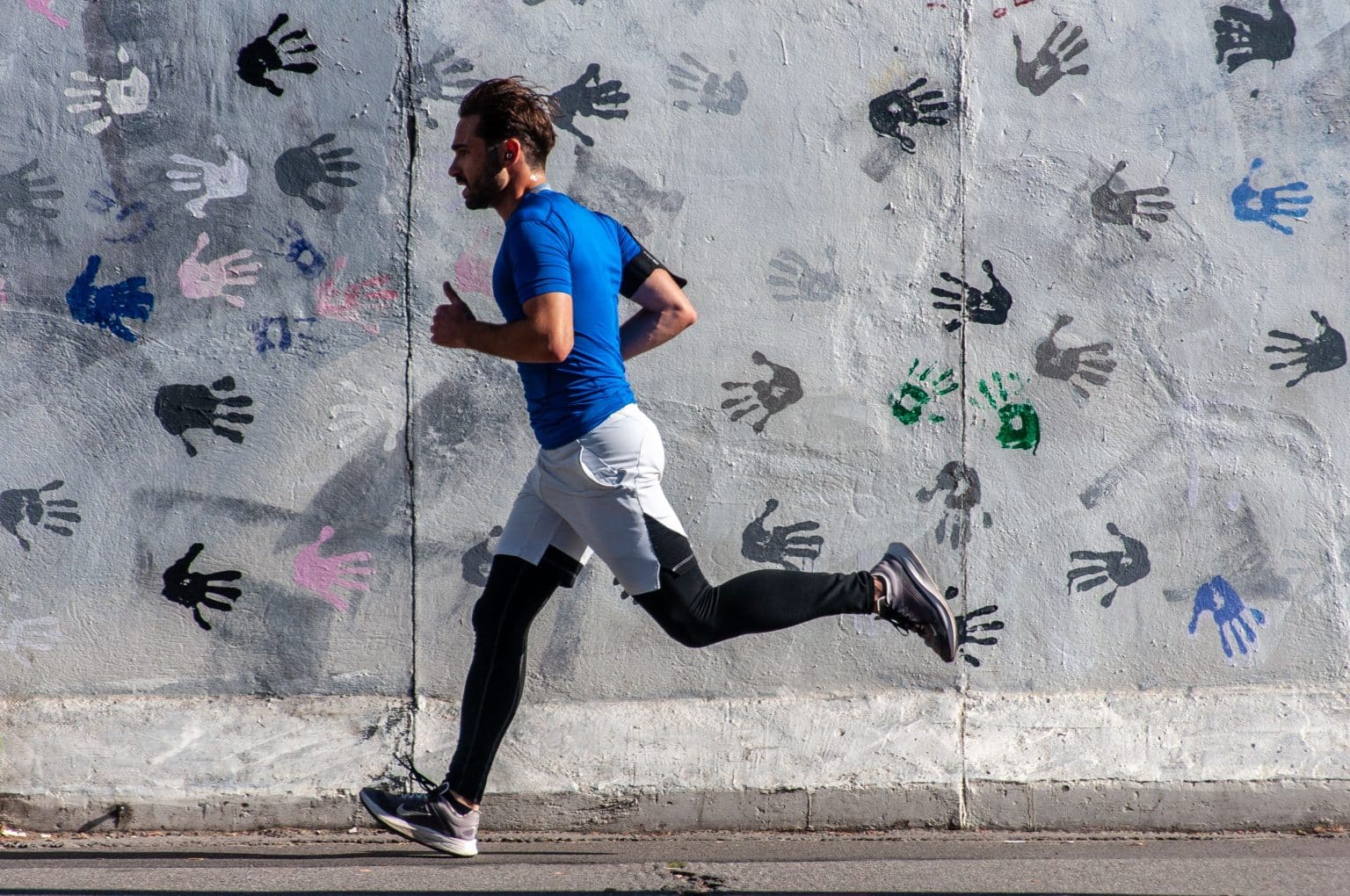
Confidence is often associated with appearance, fashion, and personal style, but true confidence begins long before someone chooses an outfit or steps in front of a mirror. It starts with feeling comfortable in your own body. When your legs feel strong, energized, and free from persistent discomfort, everyday activities become easier, movement becomes more natural, and expressing your personal style feels effortless.
Healthy legs do far more than carry us from one place to another. They allow us to explore new destinations, enjoy outdoor activities, attend social gatherings, exercise regularly, and maintain an active lifestyle well into later years. Unfortunately, leg discomfort, swelling, fatigue, and circulation problems can gradually limit mobility and influence how people feel about themselves without them fully realizing it. For individuals experiencing persistent leg discomfort or visible vein changes, restoring confidence through vein care in Centennial can begin with a professional evaluation to identify and address underlying vein conditions before they progress.
As conversations around wellness increasingly focus on holistic health, it has become clear that physical comfort and self-confidence are closely connected. Looking after leg health is not simply about preventing medical conditions, it is about preserving freedom, independence, and the confidence to fully participate in everyday life.
Confidence Begins with Comfort
Many people believe confidence is entirely psychological, but physical well-being plays an equally important role.
When people feel energetic and physically comfortable, they naturally stand taller, walk with better posture, smile more frequently, and engage more confidently in conversations. Their movements appear relaxed because they are not distracted by discomfort.
On the other hand, chronic leg pain, heaviness, swelling, or fatigue often changes body language in subtle ways. Individuals may shift their weight frequently, avoid standing for extended periods, decline invitations that involve walking, or become increasingly self-conscious about both appearance and mobility.
Physical comfort quietly shapes emotional confidence every day.
Why Healthy Legs Matter More Than We Realize
The legs perform an extraordinary amount of work throughout life. Every step depends on healthy muscles, joints, bones, nerves, and an efficient circulatory system working together.
Healthy circulation ensures oxygen and nutrients reach muscles while removing waste products generated during physical activity. This process supports endurance, recovery, and overall mobility.
When circulation becomes impaired, however, the effects extend beyond physical discomfort. People may experience swelling, aching, heaviness, nighttime cramps, or persistent fatigue that gradually reduces participation in activities they once enjoyed.
Because these symptoms often develop slowly, many individuals mistakenly accept them as a normal part of aging rather than recognizing that effective treatment options may be available.
The Relationship Between Mobility and Style
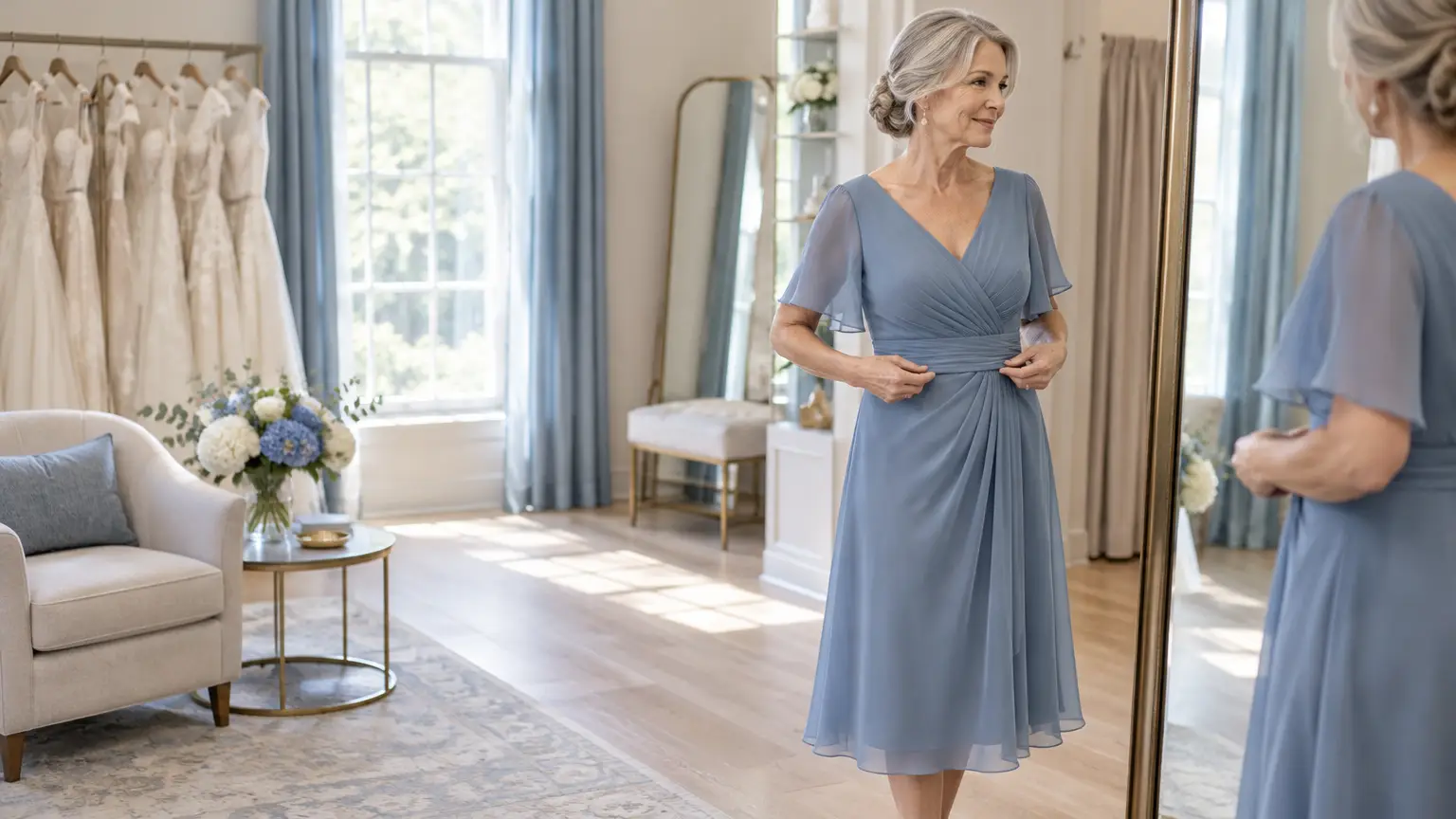
Fashion is ultimately about self-expression.
People generally choose clothing that reflects their personality, lifestyle, and confidence. Yet physical discomfort often influences wardrobe decisions more than many realize.
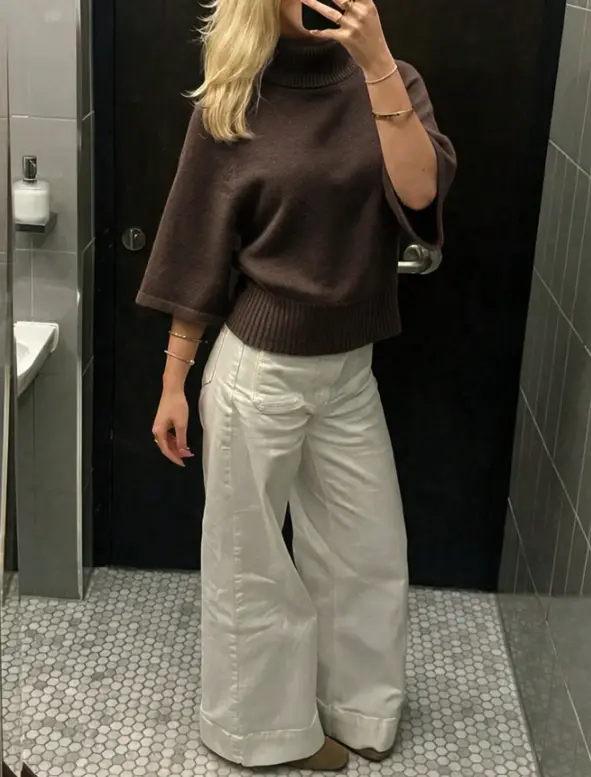
Someone experiencing swollen legs may avoid fitted clothing or certain footwear. Individuals with visible varicose veins sometimes hesitate to wear shorts, skirts, or dresses despite wanting to do so.
Conversely, when people feel comfortable moving throughout the day, they often enjoy greater freedom in choosing clothing based on personal preference rather than physical limitations.
Healthy mobility allows fashion to become creative expression rather than adaptation.
Staying Active Supports Physical and Emotional Well-Being
Regular movement benefits far more than cardiovascular fitness.
Walking, swimming, cycling, dancing, yoga, and strength training improve circulation, strengthen muscles, enhance flexibility, and support joint health. Exercise also stimulates the release of endorphins, which positively influence mood and reduce stress.
Remaining active helps preserve independence while supporting confidence in both personal and professional settings.
Importantly, physical activity does not need to be intense. Consistent daily movement often produces meaningful long-term improvements in overall health and quality of life.
Understanding Vein Health
Healthy veins contain one-way valves that guide blood back toward the heart against gravity. The calf muscles assist this process by acting as a natural pump during walking and movement.
When vein valves weaken or become damaged, blood may begin pooling within the veins instead of circulating efficiently.
This condition can contribute to varicose veins, chronic venous insufficiency, swelling, aching, heaviness, skin changes, and fatigue.
Although some individuals initially view varicose veins primarily as a cosmetic concern, they often represent an underlying circulation issue that deserves medical evaluation.
Small Symptoms Should Not Be Ignored
Many circulation-related symptoms develop gradually.
People frequently dismiss tired legs after work, mild swelling around the ankles, occasional cramping, or feelings of heaviness as unavoidable consequences of aging or demanding schedules.
However, persistent symptoms should not simply be accepted as normal.
Early medical evaluation often identifies circulation problems before they progress, allowing for less invasive treatment and improved long-term outcomes.
Listening to the body’s signals is an important part of preventive healthcare.
Modern Vein Treatments Have Changed Significantly
Advances in vascular medicine have transformed how vein disease is diagnosed and treated.
High-resolution duplex ultrasound allows specialists to evaluate blood flow with remarkable accuracy, helping identify the underlying cause of symptoms.
Many treatments today are minimally invasive and performed in outpatient settings. Procedures such as endovenous laser therapy, radiofrequency ablation, ultrasound-guided sclerotherapy, and ambulatory phlebectomy often require little downtime while providing excellent clinical outcomes.
Addressing circulation concerns early often improves not only physical comfort but also overall confidence and daily mobility.
Everyday Habits That Support Healthy Legs
Supporting leg health begins with simple daily habits.
Walking regularly activates the calf muscles that naturally assist blood flow. Stretching during long workdays reduces stiffness while encouraging healthy movement.
Staying hydrated supports circulation, while maintaining a balanced diet rich in fruits, vegetables, lean proteins, whole grains, and healthy fats promotes vascular health.
People whose jobs involve prolonged sitting should take frequent walking breaks. Those who stand for extended periods benefit from shifting positions regularly and incorporating movement whenever possible.
These small habits may seem insignificant individually, but together they contribute meaningfully to long-term vascular wellness.
Confidence Grows Through Healthy Living
Confidence is not built solely through appearance.
It develops when people feel capable, energetic, and physically comfortable enough to fully engage with life.
Maintaining healthy legs supports travel, recreation, exercise, shopping, social events, family activities, and professional responsibilities without unnecessary physical limitations.
As comfort improves, many individuals discover they become more willing to try new experiences, participate in outdoor activities, and express themselves more freely through fashion and personal style.
Physical wellness strengthens emotional resilience in ways that extend well beyond medical health.
A Holistic View of Wellness
Modern wellness increasingly recognizes the connection between physical health, emotional well-being, and self-confidence.
Rather than treating individual symptoms in isolation, holistic care encourages people to view nutrition, movement, sleep, stress management, preventive healthcare, and circulation as interconnected aspects of lifelong wellness.
Healthy legs contribute to this larger picture by supporting mobility, independence, and active participation in daily life.
Taking care of circulation is therefore not simply about treating a medical condition—it is about protecting overall quality of life.
Conclusion
Confidence flourishes when people feel comfortable, healthy, and free to move without limitation. While fashion and appearance certainly contribute to self-expression, lasting confidence begins with physical well-being.
Healthy legs support mobility, independence, active living, and the ability to enjoy everyday experiences without persistent discomfort. Paying attention to circulation, maintaining healthy lifestyle habits, and seeking professional evaluation when symptoms develop all play important roles in preserving long-term wellness.
Ultimately, confidence is reflected not only in how someone looks but also in how they move through the world. By prioritizing leg health today, individuals invest in greater freedom, improved comfort, and a more active, stylish, and fulfilling future.