

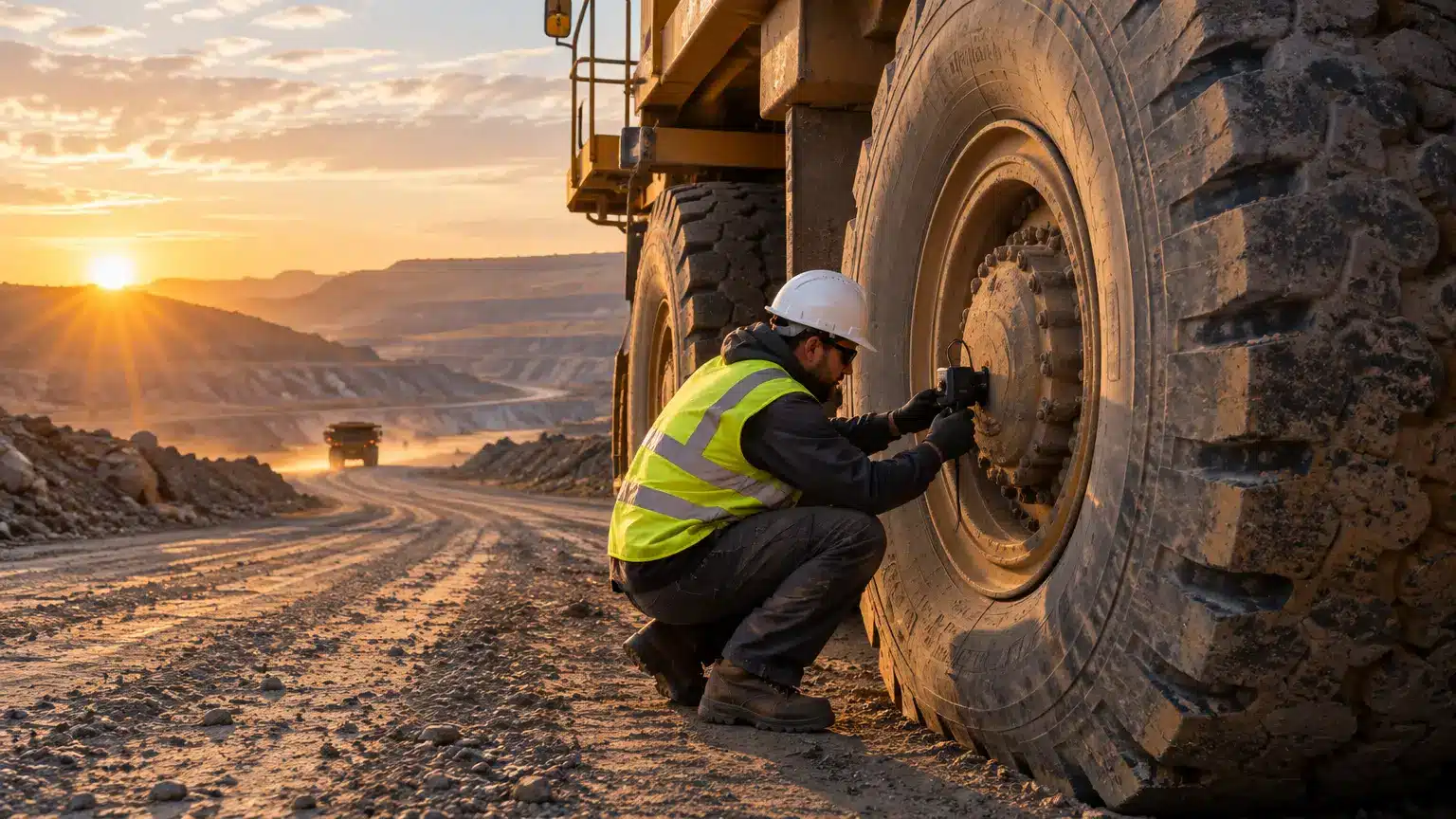
The mining industry is an essential sector, intricately linked to the global economy, where the efficient transportation of raw materials is pivotal. A cornerstone in this sector is the mining truck , a powerhouse that enables the movement of tonnes of materials daily. However, like any machinery, these trucks face wear and tear, making maintenance crucial to avoid downtime and costly repairs. One forward-thinking approach is predictive maintenance, which ensures the seamless operation of mining truck fleets, enhancing efficiency and reducing loss of productivity due to unexpected breakdowns.
The Essence of Predictive Maintenance
Predictive maintenance refers to the process of monitoring and analysing the condition of machinery and making maintenance decisions based on the real-time data collected. Instead of relying solely on routine checks or reactive repairs post-failure, this strategy assesses equipment’s conditions to determine when maintenance should be performed. By predicting issues before they manifest as failures, mining companies can save both time and money.
Benefits of Predictive Maintenance in Mining Operations
The deployment of predictive maintenance in mining operations offers numerous advantages. Primarily, it minimises downtime, thus ensuring the continuous operation of critical machinery such as mining trucks. Minimising unscheduled downtime mitigates production losses and avoids unnecessary expenditures on urgent repairs. Predictive maintenance also enhances safety by addressing faults that could lead to accidents, and it prolongs the lifespan of equipment by ensuring maintenance is done proactively, before any real damage occurs.
Technological Advancements Facilitating Predictive Maintenance
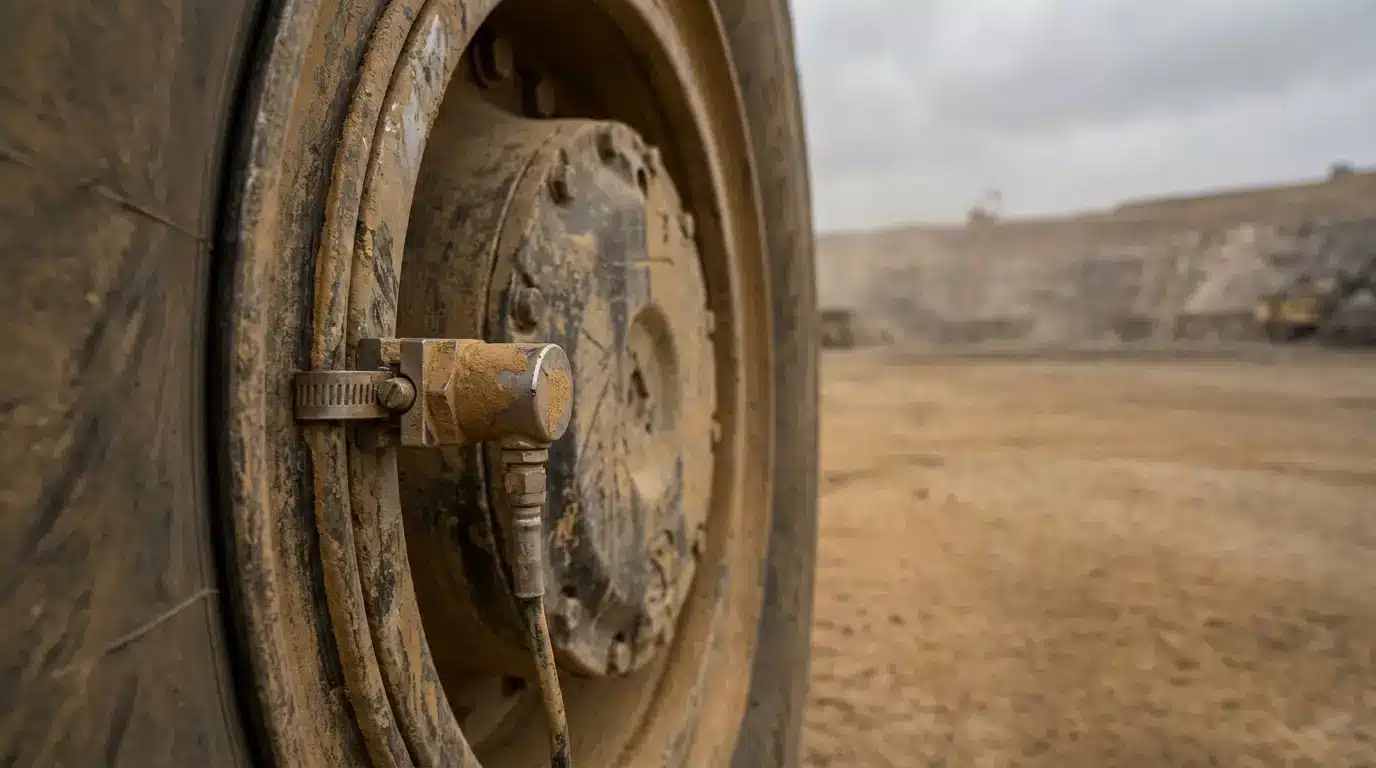
Modern technology has been the driving force behind the adoption of predictive maintenance in the mining sector. Techniques such as vibration analysis, thermography, oil analysis, and ultrasonic inspections are central to detecting potential issues long before they develop into serious problems. The integration of IoT sensors and AI-assisted analytics allows for real-time monitoring of mining trucks. These technological innovations provide invaluable insights into wear patterns and technical irregularities, enabling more precise and timely maintenance interventions.
Challenges in Implementing Predictive Maintenance
While the benefits of predictive maintenance are numerous, its implementation does not come without challenges. The initial cost of setting up a comprehensive predictive maintenance system can be significant. This includes the expense of sensors, software, and the necessary training for staff. Additionally, the complexity of data analysis requires sophisticated tools and expertise that may not be readily available in every mining operation. Yet, for those able to overcome these hurdles, the return on investment can be substantial, as understood by the decrease in unexpected downtimes and repair costs.
The Future of Maintenance in the Mining Sector
As the mining industry advances, the shift towards predictive maintenance will likely become more pronounced. Developments in AI and machine learning will enrich the data analysis process, making predictive maintenance more accessible and efficient. With the ongoing improvements in sensor technology and connectivity, mining operators will continue to gain better insights into their equipment’s condition, further ensuring optimal performance. The future is set to see mining operations becoming more efficient, safer, and more cost-effective, paving the way for increased productivity and sustainability in the sector.
Integrating predictive maintenance into mining operations marks a significant step forward in the optimisation of fleet management. By focusing on proactive measures, mining companies can enhance efficiency and reliability, ultimately driving the sector toward a future where machinery downtime is significantly reduced, and operational safety is maximised.