

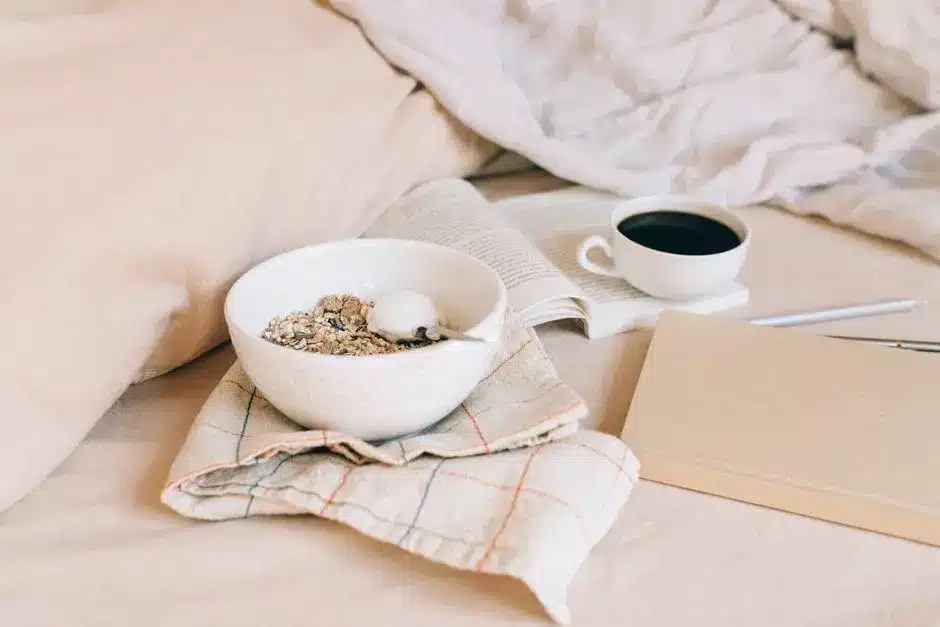
You don’t need a sunrise miracle routine, a pantry full of powders, or the soul of a marathon runner to feel a little better each day. Most wellness wins come from boring-but-beautiful basics that actually fit real life. Think steadier meals, more movement, better sleep, and tiny ways to lower stress before your eye starts twitching at 3 p.m. If your current routine feels all over the place, that’s okay. A few small shifts can make everyday wellness feel much more doable.
Start With Your Basics
When you want to feel healthier, it’s tempting to start big and dramatic. That usually lasts about as long as a leftover salad in the office fridge. A better move is to build from the basics you can repeat.
Start with three simple questions. Are you eating regularly? Are you moving most days? Are you sleeping enough to function like a kind human? Those habits do more for your daily energy than any trendy reset.
Some people also like adding natural nutritional supplements to support their routine, especially when they’re trying to fill gaps alongside balanced meals, sleep, and regular activity. The key is to treat them as support, not magic.
You don’t need a perfect system. You need a realistic one. If your mornings are rushed, prep breakfast the night before. If evenings are chaos, set out your walking shoes early. Small setups make healthy choices easier when your brain is still buffering.
Eat for Steady Energy
If your energy crashes by midafternoon, your meals may be doing a disappearing act. Eating in a way that supports steady energy usually means keeping things simple, not complicated.
Try building meals around a few basics:
- a source of protein
- a food with fiber
- something colorful
- enough carbs to keep you going
That can look like eggs and toast with fruit, yogurt with nuts and berries, or a rice bowl with beans and veggies. It doesn’t need to be fancy. It just needs to keep you from becoming a snack detective an hour later.
An eco-conscious cold press juicer is another easy way to squeeze in that colorful, nutrient-dense element without adding real prep time to a busy morning.
Long gaps between meals can also backfire. When you wait too long to eat, you’re more likely to grab whatever is fastest and easiest. Keeping simple options around helps. Think bananas, trail mix, hummus, crackers, or cheese sticks.
You’re not aiming for perfect food. You’re aiming for meals that help you feel clear, steady, and less likely to treat coffee like a personality trait.
Move Without Overthinking
You do not need to love burpees to be a healthy person. Good news, because many people would rather alphabetize spices than do burpees. Movement counts even when it doesn’t look like a formal workout.
Walking is one of the easiest places to start. A ten-minute walk after meals, a lap around the block during a work break, or parking a little farther away can all add up. It’s not flashy, but it works.
You can also sneak in movement through normal life. Carry groceries. Stretch while the kettle boils. Take the stairs when it makes sense. Put on one song and tidy the house like you’re the star of a very low-budget dance video.
If you sit a lot, short movement breaks help more than you might think. Stand up every hour. Roll your shoulders. Walk while you take a phone call. Your body likes variety.
The goal isn’t to become a fitness icon. It’s to remind your body that it was built to move, not just fold into a chair all day.
Make Sleep Less Messy
Sleep gets treated like a luxury, but it’s more like basic maintenance. When sleep is off, everything feels harder. Hunger gets weirder. Stress feels louder. Even small tasks can seem personally offensive.
You don’t need a perfect bedtime routine with candles and moonlight. You just need a few signals that tell your brain the day is winding down. Try dimming lights, lowering noise, and doing the same two or three calming things each night.
A simple evening routine might include:
- putting your phone down 30 minutes earlier
- taking a warm shower
- reading a few pages of a book
- setting up tomorrow’s essentials
Try to keep your sleep and wake times fairly consistent, even on weekends. That doesn’t mean you can never stay up late. It just means your body tends to like rhythm more than chaos.
If your mind races at night, keep a notepad nearby. Writing down tomorrow’s tasks can help your brain stop hosting a midnight meeting.
Stress Needs Small Fixes
Stress rarely disappears because you bought a cute planner and had one productive Tuesday. Usually, it needs ongoing small habits that help your system calm down before everything feels too loud.
Start tiny. Take one slow minute between tasks. Step outside for fresh air. Put your phone in another room while you eat lunch. None of these are dramatic, but they can interrupt that constant go-go-go feeling.
Breathing exercises can help if they don’t annoy you. A simple version is breathing in for four counts and out for six. It gives your body a cue that things are safe enough to settle.
Journaling can work too, especially if your brain likes to replay the same worries. You don’t need deep poetry. A quick brain dump is enough. Write what’s bothering you, what you can control, and what can wait.
Also, pay attention to overload. Sometimes stress management isn’t adding more self-care. It’s saying no to one extra thing. That may be the most powerful wellness move of all.
Build a Routine That Sticks
The best routine is not the most impressive one. It’s the one you’ll still be doing next month when life gets busy, weird, or both. That usually means starting smaller than you think you need to.
Pick two or three habits from this article and make them easy to repeat. Maybe you eat breakfast before coffee, walk for ten minutes after dinner, and charge your phone outside the bedroom. That’s already a solid start.
Give your habits a little trial period. Notice how you feel after a week or two. Do you have steadier energy. Better sleep. Fewer stress spirals over minor nonsense like missing socks. Those signs matter.
You can even keep a basic note on your phone with a few check-ins:
- energy
- sleep
- mood
- movement
If something isn’t working, adjust it. Wellness is not a pass-fail test. It’s more like tuning a radio until the signal gets clearer.
Keep it practical. Keep it kind. And remember, a routine that fits your real life beats a perfect one you’ll never use.