
Someone dressed in black with bold makeup and an alternative style can easily blur the line between emo and goth. At first glance, both subcultures may seem alike, but they have different histories, influences, and identities.
Both developed from alternative music scenes, but they created their own sounds, fashion trends, and cultural expressions.
Goth focuses on dark aesthetics, artistic creativity, and atmospheric themes, while emo highlights emotional storytelling and personal experiences.
Their differences go beyond clothing choices and appearances. Each subculture reflects a unique approach to music, self-expression, and connection within alternative communities.
Emo vs Goth: What Is the Difference?
The main difference between goth and emo is their focus. Goth centers on dark aesthetics, art, and atmosphere, while emo focuses on emotions, vulnerability, and personal expression.
Goth culture is associated with themes such as mystery, romance, and the macabre, often characterized by a dramatic and artistic style.
Emo culture highlights feelings, identity, and personal experiences through music and fashion.
While both value self-expression, goth is more focused on aesthetics, whereas emo is more connected to emotional storytelling.
Emo vs Goth: History and Origins
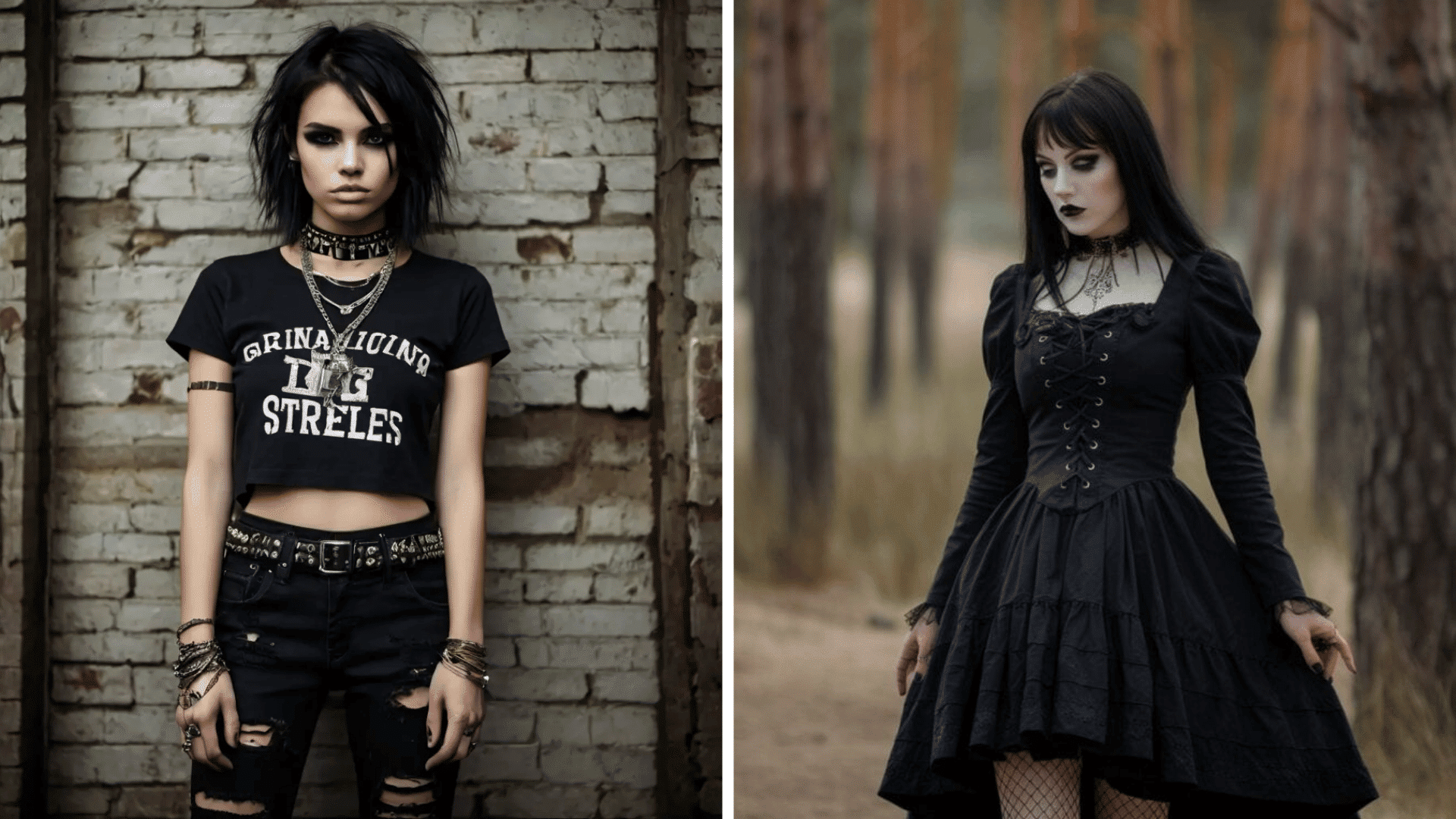
Goth culture began in the late 1970s UK post-punk scene. Bands like Bauhaus and The Cure shaped gothic rock with dark sounds, dramatic styles, and themes inspired by romance, horror, and the macabre.
Goth also draws from Victorian fashion, Gothic literature, and dark artistic influences. It developed into a long-lasting subculture focused on atmosphere, creativity, and individual expression.
Emo started in the mid-1980s Washington, D.C. hardcore punk scene as emotional hardcore. Bands like Rites of Spring and Embrace helped create its early sound.
Over time, emo evolved into mainstream alternative rock with bands like My Chemical Romance and Fall Out Boy. Unlike goth’s dark aesthetic, emo focuses on emotional expression, vulnerability, and personal experiences.
Emo vs Goth: Differences in Fashion and Style
Emo and goth styles share dark elements but have different influences. Goth fashion is more dramatic and artistic, while emo style is more casual and music-driven.
| Feature | Goth Fashion | Emo Fashion |
|---|---|---|
| Style | Dark, dramatic, theatrical | Casual, expressive, punk-inspired |
| Clothing | Black outfits, lace, leather, corsets | Skinny jeans, band tees, hoodies |
| Accessories | Silver jewelry, fishnets, symbolic pieces | Studded belts, wristbands, piercings |
| Hair | Long, black, teased styles | Side-swept bangs, dyed streaks |
| Makeup | Heavy eyeliner, dark lipstick | Black eyeliner, simpler makeup |
| Footwear | Platform and combat boots | Converse and casual sneakers |
Goth fashion reflects dark elegance and artistic influences, while emo fashion focuses on music, personal expression, and alternative youth style.
Emo vs Goth: Music Differences
Music is one of the clearest differences between goth and emo, as both developed from separate alternative scenes. Their sounds, themes, and influences helped shape each subculture’s identity.
Goth music focuses on dark, atmospheric, and dramatic elements, while emo music highlights emotional lyrics, personal struggles, and expressive storytelling. Though both connect with alternative audiences, they create different moods and experiences.
Goth Music Style
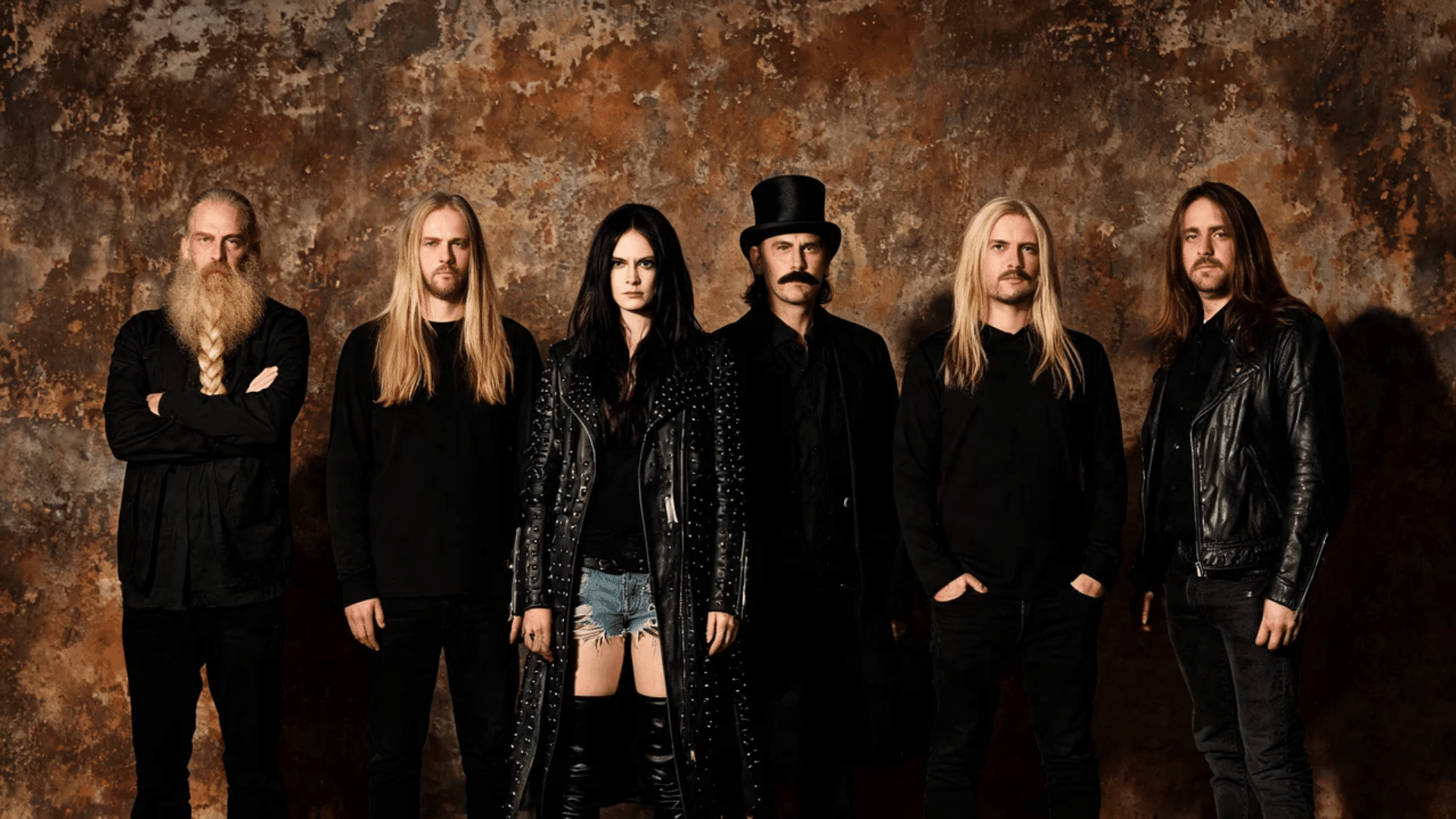
Goth music grew out of gothic rock and post-punk, featuring dark atmospheres, dramatic vocals, and themes such as romance, mystery, and the macabre.
Bands like Bauhaus, The Cure, and Siouxsie and the Banshees helped define its moody, cinematic sound.
Emo Music Style
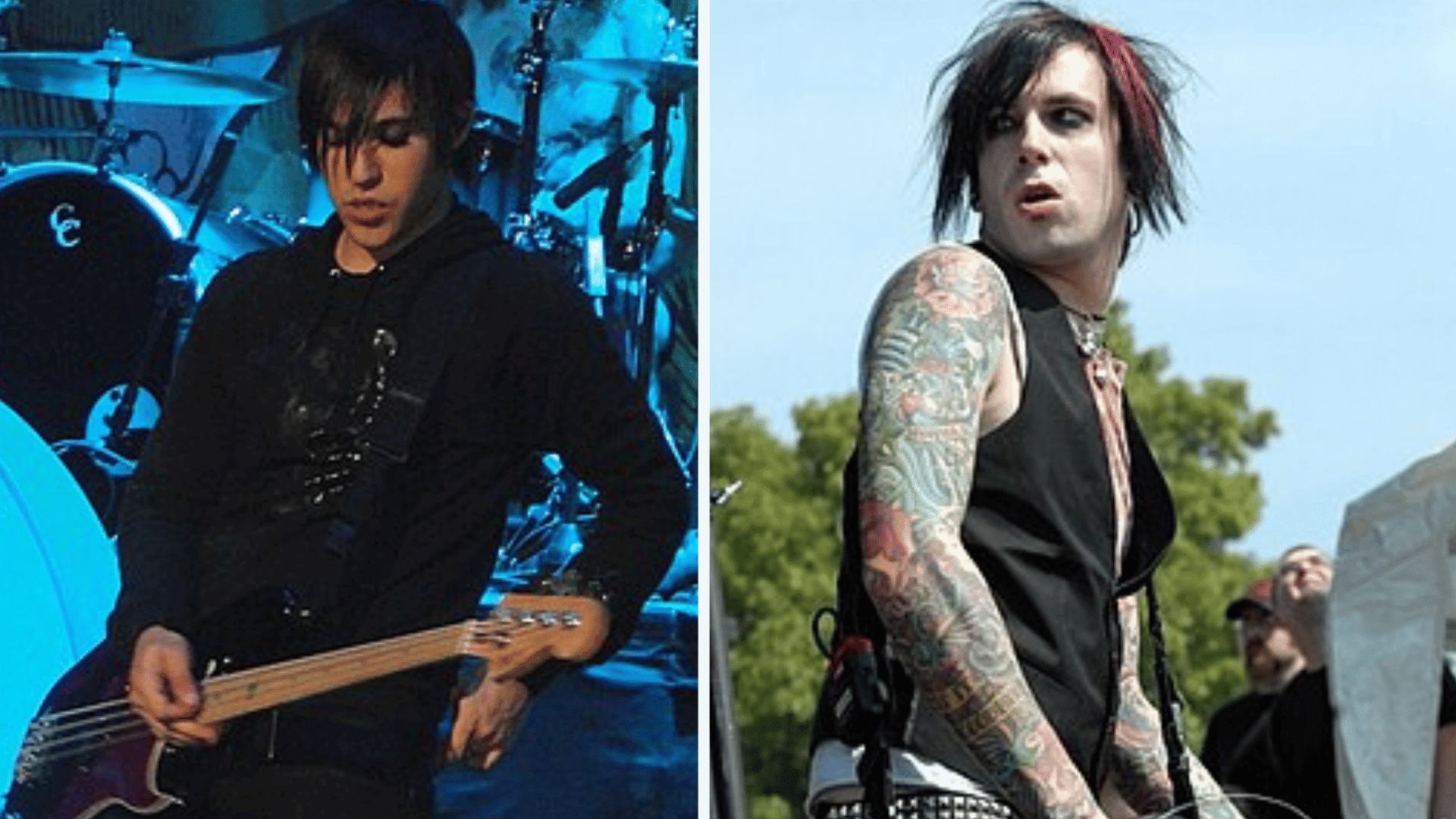
Emo evolved from hardcore punk and focuses on emotional lyrics, personal struggles, and identity.
Artists like My Chemical Romance, Paramore, and Fall Out Boy shaped its energetic, guitar-driven alternative rock sound. Unlike goth’s atmospheric style, emo is more direct and personal.
Tip: Goth music emphasizes dark, artistic themes, while emo music focuses on emotions, personal experiences, and vulnerability through expressive lyrics and storytelling.
Emo vs Goth: Culture and Mindset Differences
Beyond music and fashion, goth and emo represent different approaches to self-expression, identity, and personal experiences.
Goth culture embraces darkness as an artistic and intellectual interest, often drawing inspiration from gothic literature, history, romanticism, and the macabre. Many goths view the subculture as a lasting identity built around creativity, individuality, and appreciation for darker themes.
Emo culture focuses more on emotional honesty, vulnerability, and the expression of personal struggles. It often connects with themes such as heartbreak, identity, and isolation through music, lyrics, and personal style.
While goth tends to explore mystery and dark aesthetics, emo places more emphasis on openly sharing emotions and inner experiences.
Scene vs Emo: Key Differences
Scene and emo are often grouped together because they share similar roots in alternative youth culture and overlapping fashion elements. However, they developed with different focuses.
Scene culture placed greater emphasis on bold visuals, online identity, and social expression, while emo centered on emotional connection, music, and personal experiences.
| Feature | Scene | Emo |
|---|---|---|
| Fashion | Bright colors, bold hair, flashy accessories | Dark tones, band tees, simple styles |
| Focus | Visual style and online identity | Emotions and personal expression |
| Music | Pop-punk, post-hardcore, mixed genres | Emo rock and alternative rock |
| Culture | Social, internet-focused, trend-driven | Introspective, music-focused |
Although scene and emo share some similarities, they represent different forms of alternative expression. Scene highlights creativity through appearance and online presence, while emo emphasizes feelings, identity, and emotional storytelling through music and style.
Similarities Between Emo and Goth
Emo and goth may have different histories and influences, but they share several visual and cultural similarities.
Both subcultures use music, fashion, and personal expression to create a sense of identity and connection among their communities.
- Both use dark clothing, makeup, and alternative styles for self-expression.
- Both developed from punk’s DIY and anti-mainstream influences.
- Both place strong importance on music and community.
- Both are often misunderstood and stereotyped as negative or overly sad subcultures.
These similarities explain why emo and goth are often confused with each other. However, their differences in music, mindset, and cultural roots make each subculture unique in its own way.
Conclusion
Recognizing the differences between these styles offers a clearer view of alternative communities beyond common assumptions or stereotypes.
The emo vs goth comparison shows how fashion, music, and personal expression connect with deeper cultural influences, creative choices, and individual identities.
Both subcultures continue to evolve while keeping strong connections to their original music scenes and communities.
A quick way to tell them apart is to look beyond appearance and consider the music and values behind the style.
Which style difference surprised you the most? Share your thoughts in the comments.
Frequently Asked Questions
Can Someone Enjoy Goth or Emo Music without Following the Fashion Style?
Yes, people can enjoy goth or emo music without adopting the fashion style. Many listeners connect with the lyrics, sounds, emotions, and themes of these genres without following specific clothing trends.
Are Goth and Emo Styles Still Popular Today?
Yes, goth and emo styles remain popular through online communities, music scenes, and modern alternative spaces. Many people blend traditional elements with current trends while creating personal versions of these identities.
Can Goth and Emo Influences Appear Together in One Style?
Yes, goth and emo influences can appear together in one style. Some people combine dark fashion, emotional themes, and alternative elements to create a personal look that reflects both subcultures.