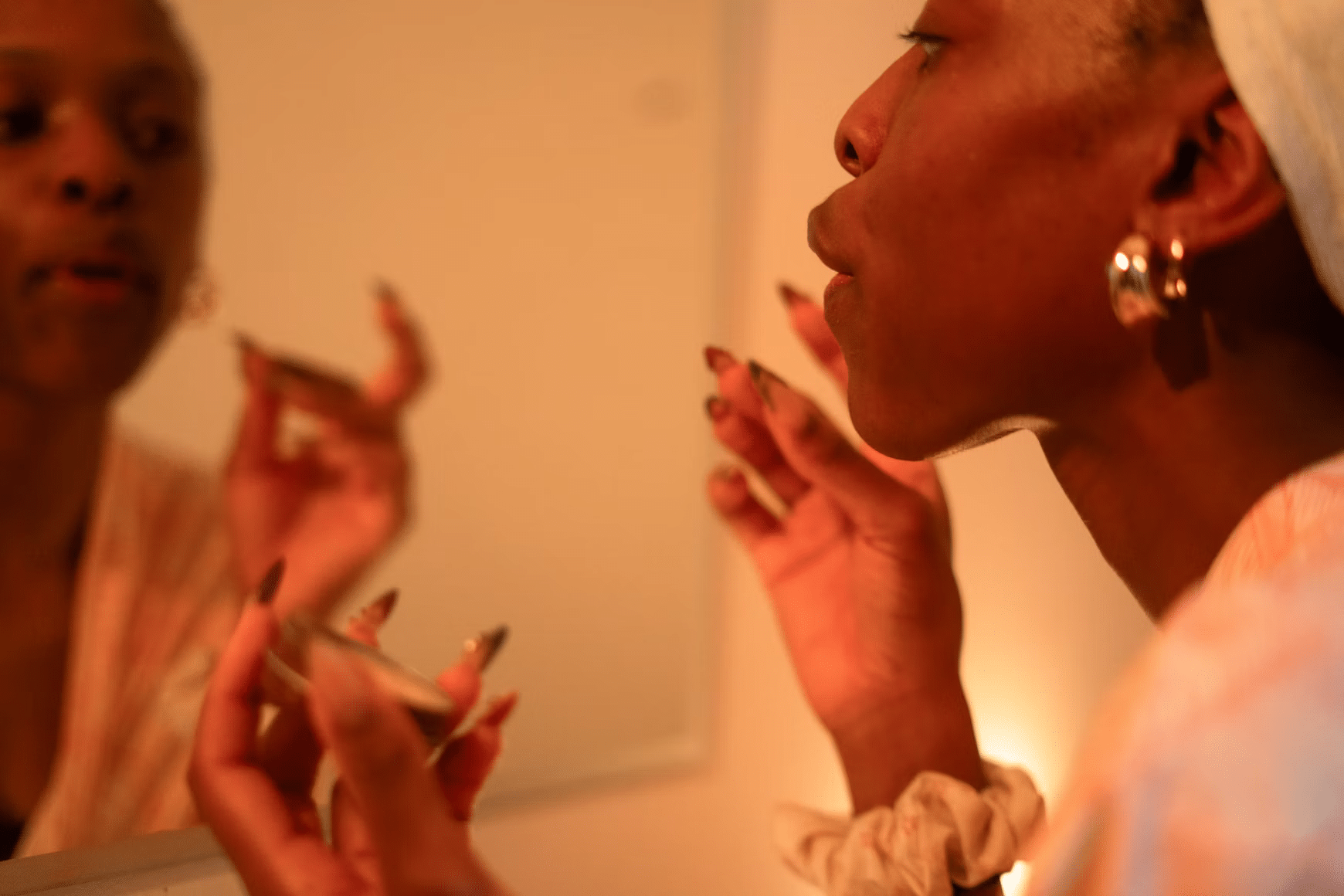
A polished grooming routine covers the details that shape how you look, feel and present yourself each day. Hair and skincare still matter, but oral care, facial hair, nails and personal hygiene deserve the same attention. The most effective routine is simple enough to repeat and tailored to your actual needs. A few carefully chosen habits will usually produce better results than a crowded bathroom shelf or an elaborate schedule you abandon after two weeks.
Grooming Beyond Haircuts and Skincare
Start with the areas people often overlook. Trim and clean your nails weekly, keep facial hair edges tidy and replace worn grooming tools before they tug or irritate your skin. A useful head-to-toe grooming guide can help you identify gaps without encouraging an excessive routine.
Professional aesthetic care may also fit into your plan, though any treatment should address a specific concern. This overview of modern aesthetic care explains how one procedure can sit within a broader personal care strategy. Before considering a service, ask about practitioner credentials, expected recovery and how long results typically last.
Why Oral Aesthetics Matter in Daily Life
Your smile affects more than photographs. Crowded or misaligned teeth can create hard-to-reach spaces where plaque collects, while bite problems may contribute to uneven wear or discomfort. Brush twice daily for two minutes, clean between your teeth once a day and book routine dental visits based on your provider’s advice.
If alignment concerns affect cleaning, comfort or confidence, arrange an orthodontic assessment. Options such as the damon system use self-ligating brackets to address crooked, crowded or misaligned teeth, with clear bracket choices available in some cases. A consultation should cover your bite, treatment goals, estimated timeline, appointment schedule and home-care requirements before you commit.
Modern Solutions for Misaligned Teeth
Orthodontic treatment now includes several approaches, and the best choice depends on clinical needs as well as appearance. Traditional fixed braces offer precise control for many alignment and bite issues. Clear aligners use removable trays and may suit selected cases, though they require disciplined daily wear. Clear brackets provide a less noticeable fixed option for patients who need or prefer braces.
Ask the orthodontic provider to explain why a proposed method fits your diagnosis. You should also discuss eating restrictions, cleaning techniques and what happens if a bracket loosens or an aligner goes missing. Take dated photos every four to six weeks under similar lighting. These images can reveal gradual changes that are difficult to notice in the mirror.
Consistency in Your Personal Care Regimen
Build your regimen around repeatable daily and weekly actions. Keep morning care brief: brush your teeth, wash or rinse your face, apply moisturizer and use sunscreen. In the evening, clean your face, brush and floss, then prepare any tools or products needed the next morning. Schedule nail care, beard maintenance and deeper cleaning for the same day each week.
A practical grooming habits framework can help you prioritize basics before optional extras. Review your routine every three months and remove anything that causes irritation or sits unused. Keep the products that solve a clear problem, and give dental or skin treatments enough time to work as directed.
The best sign of a well-designed routine is that it still works on a busy morning. Set out tomorrow’s essentials tonight, then keep that small system in place until it feels automatic.