

Staying active is one of the simplest ways to look after your health, but that doesn’t mean exercise always feels easy. Perhaps your knees ache after a run, you become exhausted halfway through a hike, or you struggle to keep up during a friendly basketball game.
It’s easy to assume that getting fitter means pushing yourself harder. However, feeling comfortable during physical activity involves more than determination.
Your body weight, muscle strength, cardiovascular fitness, and even the shoes you wear can influence how movement feels.
For some people, losing excess weight may make certain activities more comfortable. For others, improving strength, adjusting exercise intensity, or choosing different activities can make a noticeable difference.
Understanding these factors can help you build a wellness routine that supports your body instead of constantly pushing it beyond its limits.
Understanding Why Certain Activities Feel More Demanding
Running, jumping, and sports like basketball or soccer involve repeated impacts and sudden changes of direction. These movements place stress on your muscles and joints, particularly around your knees, hips, and ankles.
Body weight can influence how much physical effort these activities require. Carrying additional weight may increase joint loading and make certain movements feel more demanding.
Weak muscles, unsuitable footwear, previous injuries, and poor movement technique can also contribute to discomfort.
For example, someone might experience knee pain while running because their shoes don’t provide appropriate support or they’ve increased their training intensity too quickly.
That’s why it’s important to consider your overall physical condition rather than assuming that changing your weight will automatically solve every problem.
Choose Activities That Feel Good for Your Body
One of the biggest mistakes people make when trying to improve their fitness is choosing activities they don’t particularly enjoy.
You might feel pressured to start running because everyone seems to be doing it. But if running causes discomfort, there are plenty of other ways to stay active.
The key is finding movement that suits your abilities, interests, and current fitness level.
Walking and Hiking
Walking is an accessible way to become more active without needing specialist equipment. Start with comfortable distances and gradually increase your activity as your endurance develops. If you enjoy hiking, choose beginner-friendly trails before attempting steep or challenging routes.
Swimming
Swimming provides a full-body workout while reducing the weight-bearing demands placed on your joints. It can be particularly appealing to people who experience discomfort during high-impact activities.
Cycling
Cycling lets you build cardiovascular fitness without the repeated impacts associated with running. A properly fitted bike and comfortable saddle can make a considerable difference to your experience.
The best activity isn’t necessarily the one that burns the most calories. It’s one you can enjoy consistently without unnecessary discomfort.
Why Weight Management Can Be Part of Your Wellness Journey
Activities such as climbing stairs, walking uphill, or participating in sports may become more manageable as body weight changes.
However, weight management is rarely as straightforward as simply exercising more. Eating habits, sleep, medications, medical conditions, and individual circumstances can all influence body weight.
Someone might follow a regular exercise routine and still find weight loss difficult. In these situations, professional guidance may provide useful support.
Healthcare providers such as Curely offer information about medically supervised weight-management options, including prescription treatments for eligible individuals.
It’s equally important to remember that weight-loss medication isn’t intended to replace healthy habits or act as a shortcut to athletic performance. A balanced approach focuses on long-term health, physical comfort, and sustainable changes rather than reaching a particular number on the scale.
Build Strength and Fitness at Your Own Pace
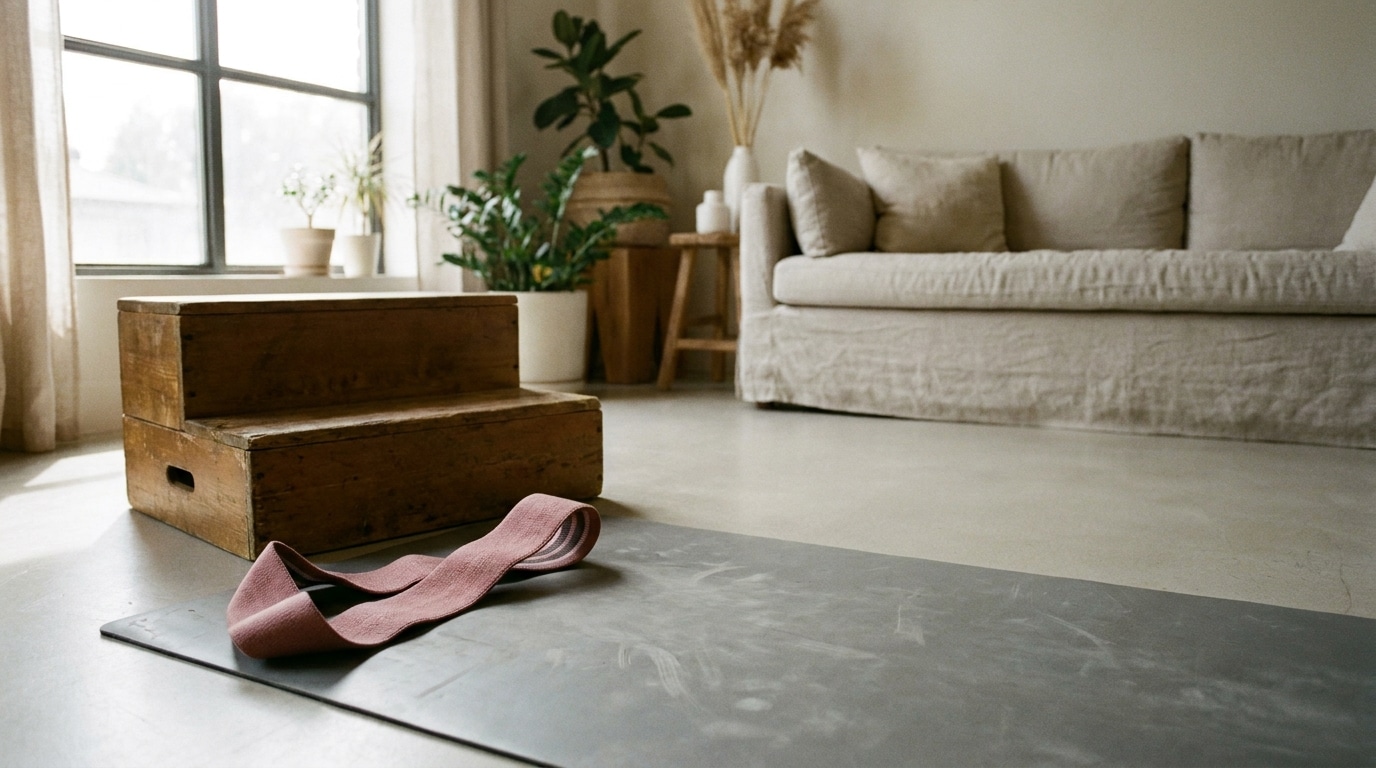
Improving physical comfort often means getting stronger and giving your body time to adapt. You don’t need an intensive gym routine to make progress. Simple strength exercises can help develop the muscles that support everyday movement.
For example, gentle squats, step-ups, and resistance-band exercises may help strengthen your legs when performed with appropriate technique. A few habits can make your fitness routine more manageable:
- Start gradually: Begin with shorter workouts and increase their duration as your fitness develops.
- Include strength training: Stronger muscles can help support your joints during physical activity.
- Choose comfortable equipment: Supportive footwear and suitable clothing can make exercise more enjoyable.
- Allow recovery time: Give your body opportunities to rest between demanding sessions.
- Listen to discomfort: Persistent or worsening pain shouldn’t be ignored.
Try to avoid comparing your progress with someone else’s. A person returning to exercise after several years will have different needs from someone who regularly plays competitive sports.
Your routine should reflect where you are now, not where you think you should already be.
Focus on Progress Beyond the Scale
It’s tempting to measure fitness progress entirely through weight loss, but the number on the scale doesn’t tell the whole story.
You might become stronger, improve your endurance, or find everyday activities easier without a dramatic change in weight.
Perhaps you can now walk longer distances without stopping. Maybe you feel more comfortable cycling uphill or have enough energy to play an entire game with your friends.
These are meaningful achievements.
Consider setting goals based on what your body can do rather than how it looks.
For example, you could aim to take longer walks, improve your balance, or attend regular fitness classes.
Tracking these changes can help you recognize progress that might otherwise go unnoticed. Most importantly, choose goals that make your daily life better.
Fitness should help you enjoy movement, not make you feel constantly dissatisfied with your body.
Final Thoughts
Feeling more comfortable during exercise doesn’t require achieving a particular body shape or fitness level.
While losing excess weight may make some activities easier for certain people, physical comfort also depends on strength, endurance, movement technique, and suitable equipment.
Start by choosing activities that match your current abilities. Give yourself permission to progress gradually and adjust your routine when something doesn’t feel right.
If weight management or persistent physical discomfort is affecting your daily life, consider seeking professional guidance.
Remember that health improvements aren’t always visible in the mirror or reflected on the scale. Walking further, feeling stronger, having more energy, and enjoying your favorite activities are all worthwhile signs of progress.