
Getting a fade that actually looks right on your hair type is harder than it should be. You sit in the chair, show a photo, and still walk out with something that does not match what you had in mind.
For mid fade black men, different haircuts work depending on curl density, head shape, and how often you can get back to the barbershop.
Here you will learn what a mid fade actually is, how it compares to other fades, which variation suits your hair type, and how to ask your barber for it correctly the first time.
What Is a Mid Fade for Black Men?
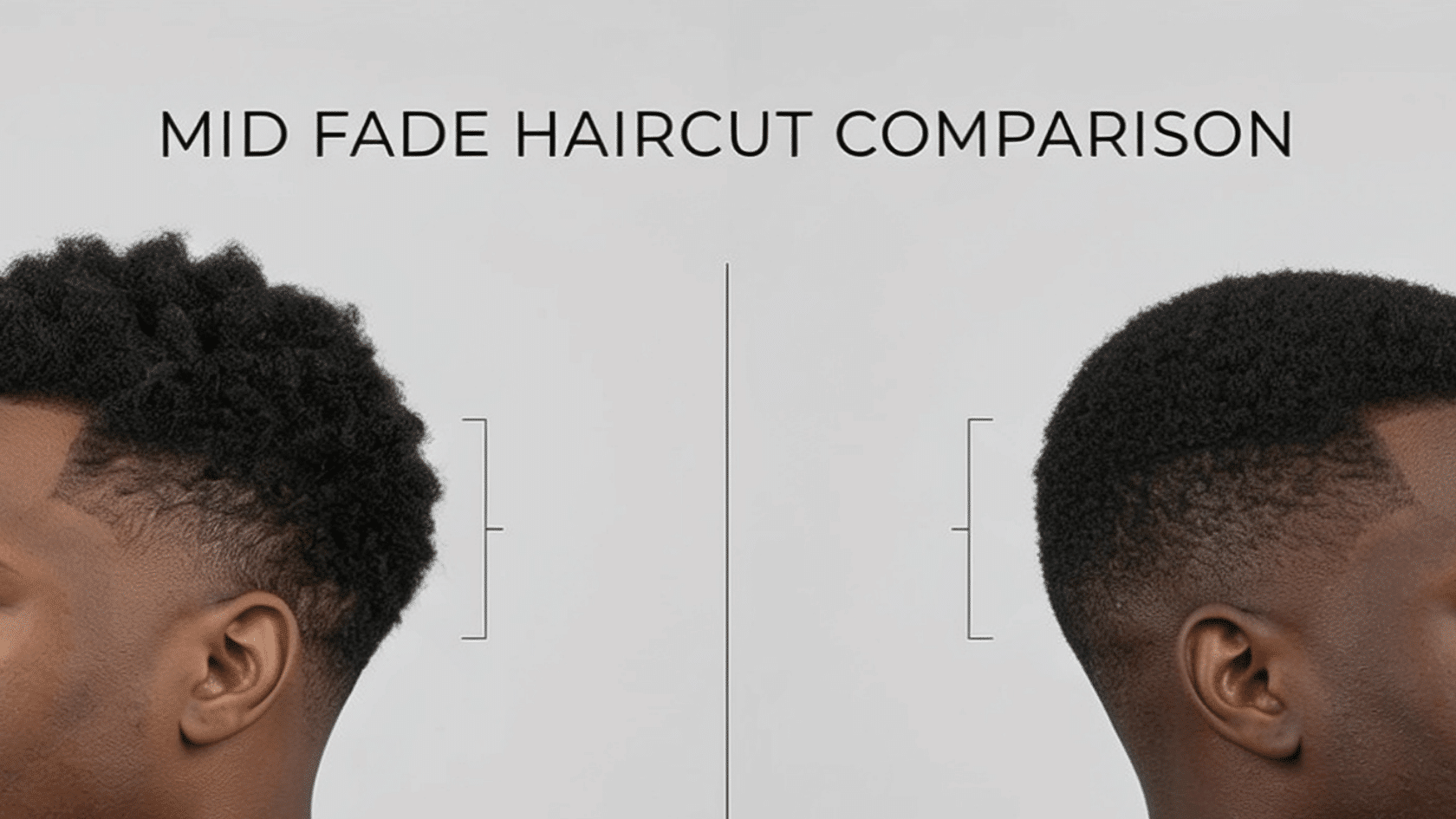
A mid fade for Black men is a haircut in which the hair fades to bare skin at the temples and gradually increases in length toward the crown.
The temple is the anchor point for the entire cut. The barber steps hair down using smaller clipper guards, creating a smooth transition from full length to skin.
On 4C hair, curl shrinkage pulls upward after cutting, making the fade appear higher than where the clipper worked. This is what separates a mid fade from a low fade, high fade, or taper.
Mid-Fade vs Low-Fade vs High-Fade
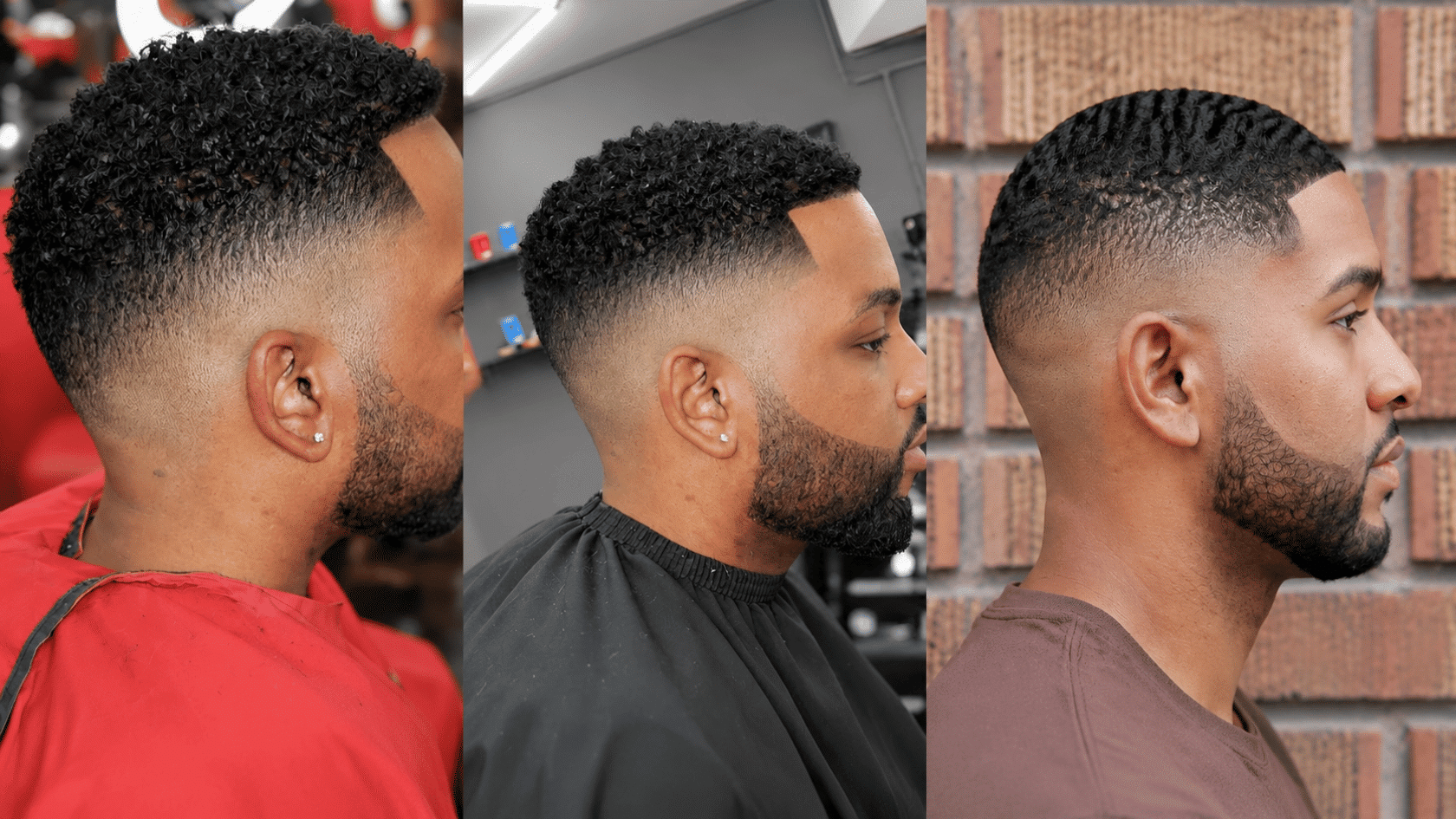
Fade height changes how a haircut looks and feels. Knowing where each fade begins helps you pick the right style for your face and hair type.
Low, mid, and high fades each create a different finish, depending on where the blend starts and how much contrast you want.
| Features | Low-Fade | Mid-Fade | High-Fade |
|---|---|---|---|
| Starts at | Just above the ear | Temple | Near the crown |
| Contrast level | Soft | Balanced | Sharp |
| Face length effect | Adds width | Neutral | Adds height |
| Best face shape | Oval, round | Most face shapes | Oblong, narrow |
| Decision rule | Clean, understated finish | Structure without extremes | Adds height and definition |
On curlier hair types, fade height plays an even bigger role since contrast becomes more noticeable at higher blend points.
Which Mid-Fade Works Best for Your Hair Type and Lifestyle?
Choosing the right mid fade for black men depends on more than personal taste. Hair type, curl pattern, and daily habits all shape how well the fade holds up over time.
From tight coils to waves, curls, and protective styles, each hair type needs a slightly different approach to keep the fade looking sharp longer.
1. For Tight Coils and 4C Hair
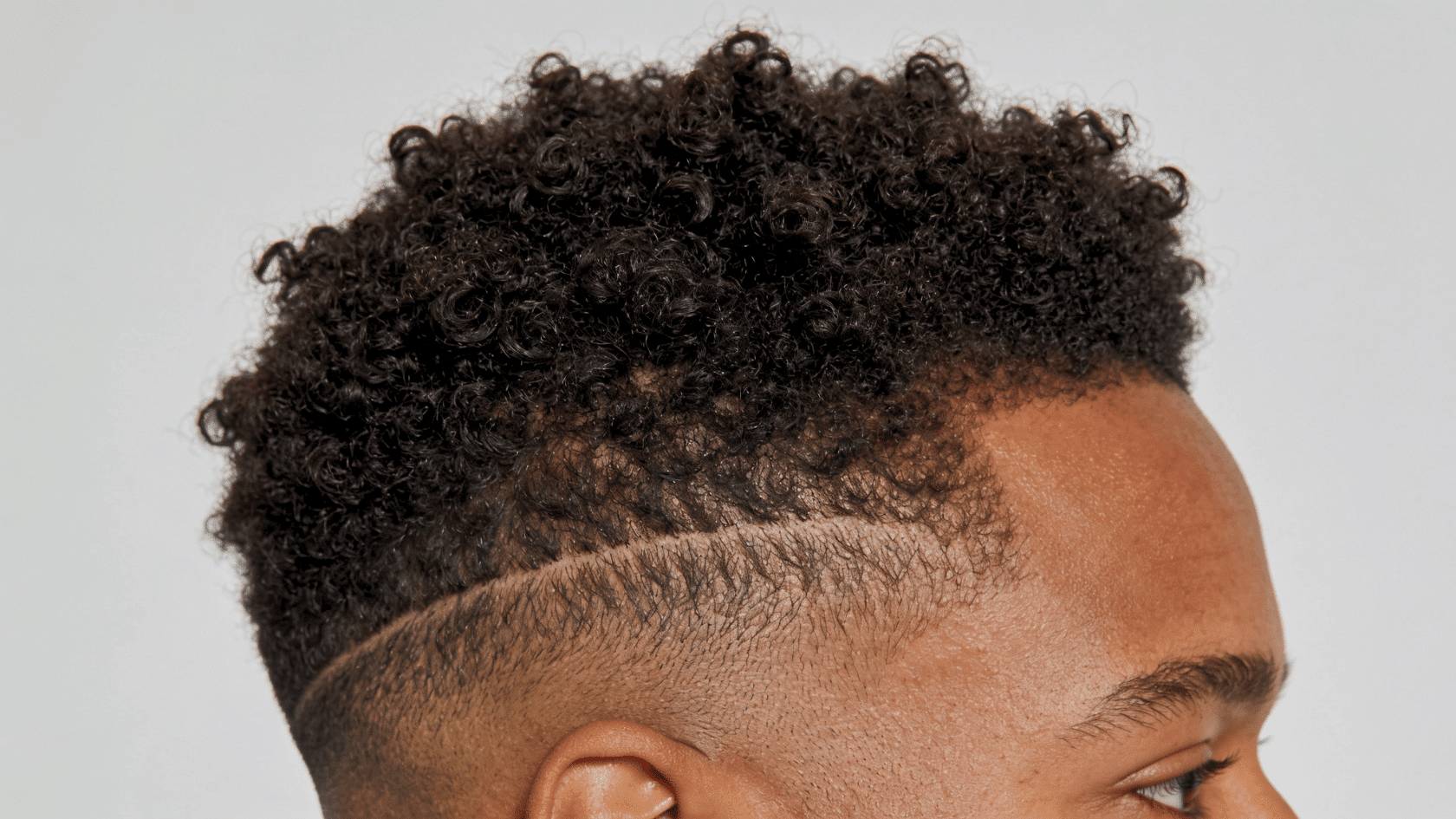
A skin mid fade works best for 4C hair because it creates a visible contrast against dense, tightly coiled curls. Shrinkage pulls the hair upward, so the fade line needs to be set lower to read correctly once curls contract.
Without that adjustment, the grow-out phase arrives faster, and the fade looks uneven within days. Scheduling a touch-up every two weeks keeps the skin mid-fade looking intentional rather than grown out.
2. For Waves and 360 Patterns
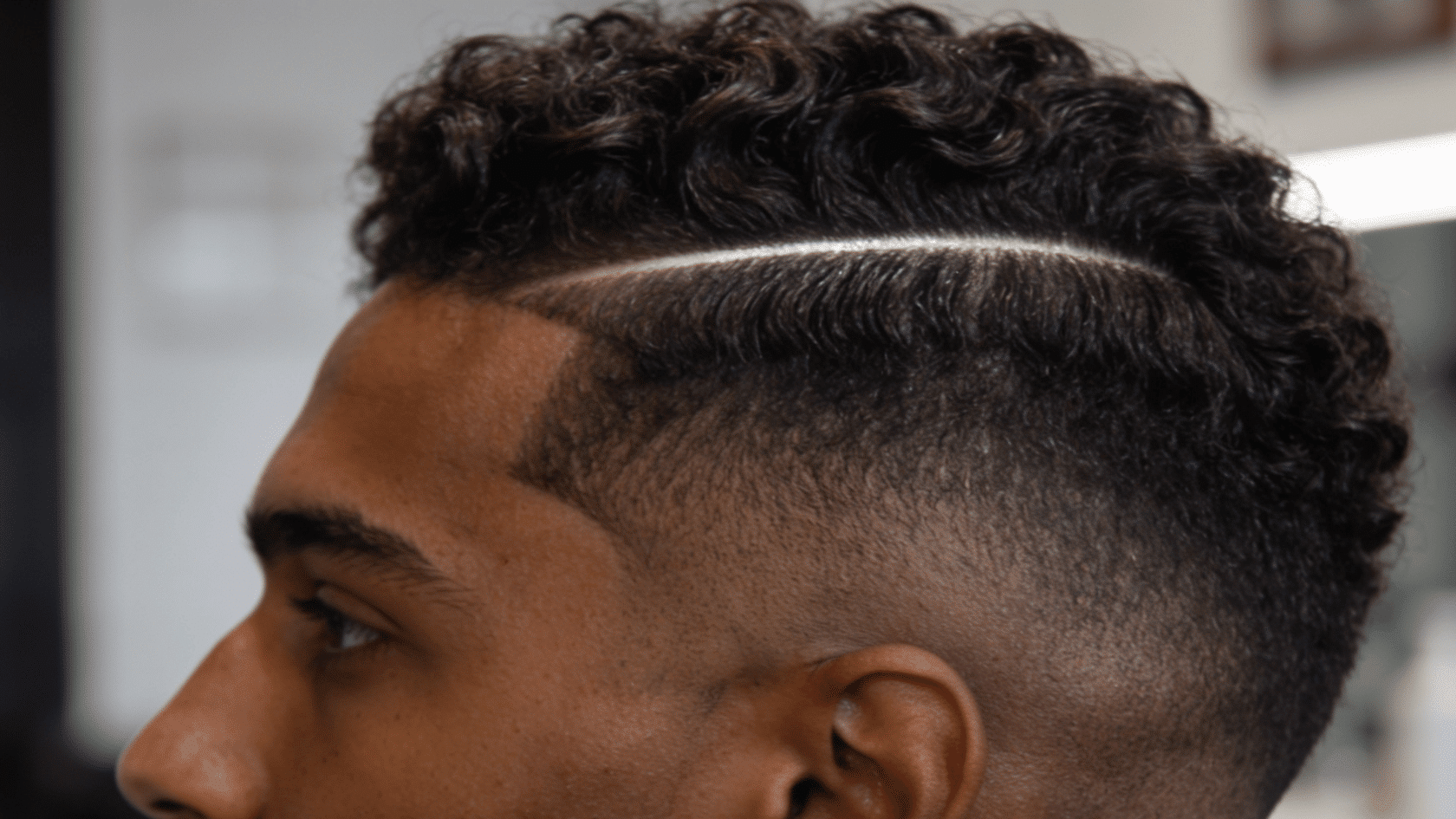
A mid fade with a hard part works well for 360 waves because it frames the wave pattern without interrupting the flow. The fade height at the temple keeps the sides clean while the top stays full enough to hold the wave shape.
Waves lie flat, so shrinkage is less of a factor here. A tapered mid fade holds the shape longest between cuts for this hair type.
3. For Curls and Volume Styles
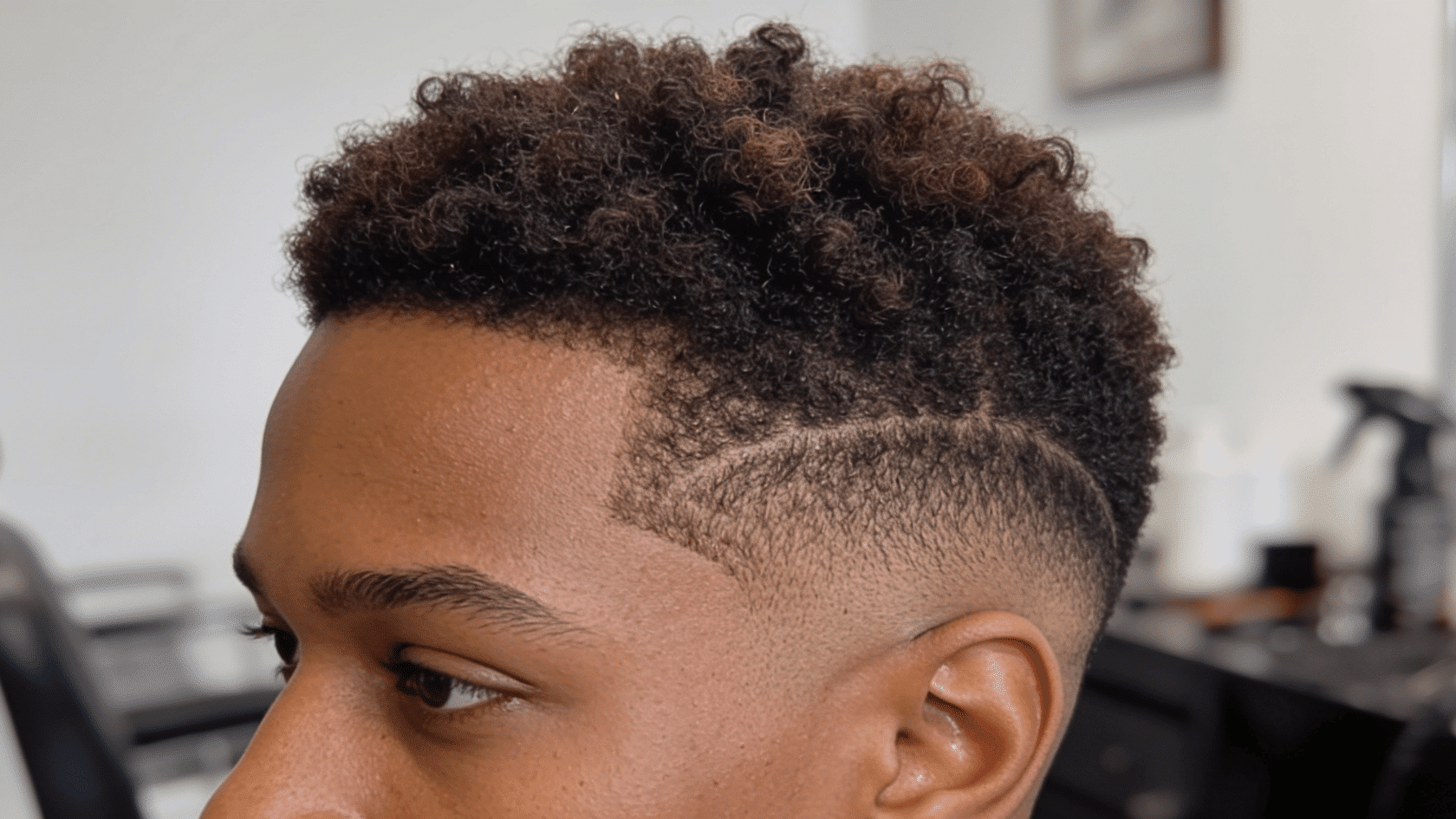
A drop mid fade for black men suits curly hair worn with volume because it follows the head shape rather than cutting straight across. This preserves more length at the back, stopping the silhouette from looking top-heavy.
Curl patterns in the 3C range still shrink, so the barber needs to account for that when setting the fade line. For volume styles, a drop mid fade gives the most balanced shape overall.
4. For Locs, Braids, and Protective Styles
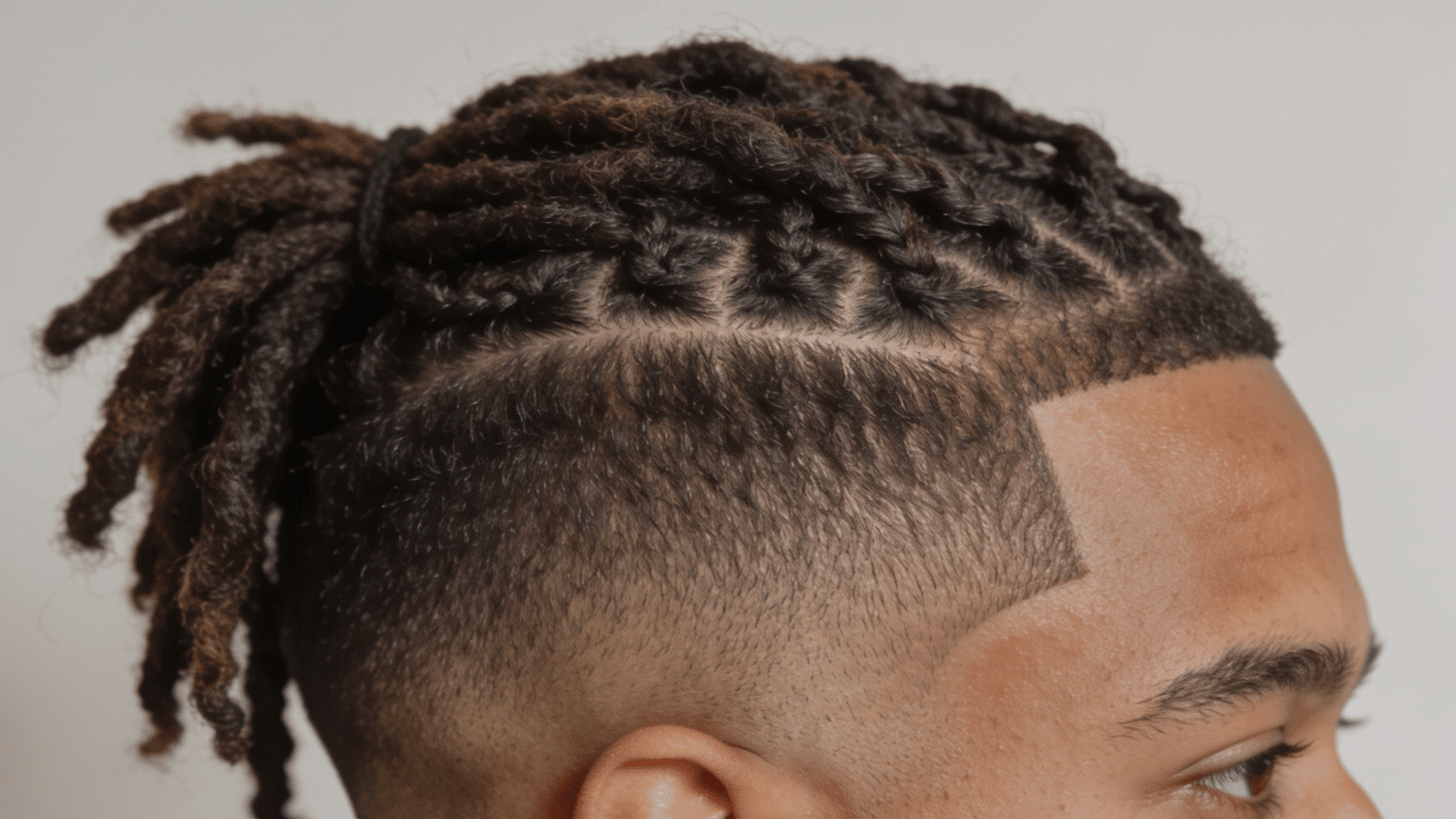
A mid fade works well with locs and braids because it keeps the sides clean while the top style takes focus. The fade sits at the temple and does not interfere with the base of most protective styles.
As locs or braids grow, the fade grows out faster, creating an imbalance on the sides. Booking a fade-only touch-up every three weeks prevents the sides from overpowering the style.
5. Lifestyle-Based Selection
For corporate settings, a tighter skin mid fade stays neat longer and needs less daily upkeep. For athletic lifestyles, sweat speeds up frizz at the fade line, so shorter recut intervals matter more.
For flexible schedules, a longer mid-fade with a gradual blend gives more room before the grow-out becomes noticeable. Matching fade tightness to how often you can realistically get back to the barbershop makes the biggest difference in the long term.
How to Ask Your Barber for The Right Mid-Fade?
Specify four things before the clippers start: fade height, guard numbers, top length, and edge shape. On textured hair, skipping any one of these often leads to the wrong cut.
- Fade height: Tell the barber the fade starts at the temple and comes down to the skin. Try: “Start the fade at the temple and bring it down to skin.”
- Guard numbers: Guards control how much hair the clipper leaves. A #0 cuts closest to the skin, a #3 or #4 leaves more length. Try: “Use a #1 at the base, blend into a #2 and #3 moving up.”
- Top length: A very short top with a mid fade can look unbalanced on coily hair. Try: “Leave about two inches on top and keep the fade tight at the temple.”
- Edge shape: Decide whether you want a hard line or a beard connection before sitting down. Try: “Keep the edges sharp but do not arc them inward.”
Bringing a photo is not enough on its own. On 4C hair, a photo from someone with straight or loose curls will not translate directly, so verbal guidance still determines the final result.
How a Mid Fade Grows Out And When to Get a Refresh?
A mid fade for black men changes faster than most people expect. Knowing what happens week by week helps you plan touch-ups before the blend starts looking messy.
Temple regrowth softens the fade first, and the breakdown speeds up from there as the outline loses its clean shape.
| Week | What Happens | Action Needed |
|---|---|---|
| Week 1 | Fade looks clean, blend intact | None |
| Week 2 | Temple regrowth softens the fade line | Optional edge tidy |
| Week 3 | Blend breaks down, outline looks heavy | Touch-up needed |
| Week 4+ | Full fade symmetry lost on both sides | Full reset recommended |
For curlier hair types, scheduling refreshes slightly earlier keeps the mid fade sharp for longer between full cuts.
Common Mid Fade Mistakes that Ruin the Cut
Most mid-fade problems start before the clippers even turn on. Here are the three most common ones to avoid:
- Saying “mid fade” without specifying temple placement lets the barber decide the height, which often lands wrong on textured hair.
- Using a reference photo from someone with a different curl pattern creates a mismatch that the barber cannot fix mid-cut.
- Skipping the guard number conversation means the blend depth is left to guesswork, and the result rarely matches what you had in mind.
Getting specific before the cut starts prevents all three, and on 4C hair, where every detail shows, that preparation is what separates a clean mid fade from one that needs fixing the same week.
Final Thoughts
A great cut starts with the right information. Knowing how the fade sits, which variation fits your texture, and how to communicate that to your barber puts you in control of the result every single time.
Mid fade black men’s is not a one-size-fits-all cut. Curl density, face shape, and lifestyle all play a role in which variation actually works for you.
Take the guard numbers and the four-point checklist to your next appointment. That one step alone changes how the conversation goes at the barbershop.
Ready to get the right cut? Save this and take it with you next time you sit in the chair.
Have a question or want to share your experience? Drop it in the comments below.
Frequently Asked Questions
Can You Get a Mid Fade with An Afro?
Yes, a mid fade pairs well with an afro because the clean sides make the top volume look more intentional and balanced.
Does a Mid Fade Look Different on Darker vs Lighter Skin Tones?
The fade line shows sharper contrast on lighter skin and reads softer on deeper tones, but the structure stays the same.
Can You Get a Mid-Fade if Your Hairline Is Uneven or Receding?
Yes, the barber follows the natural hairline instead of forcing a straight edge, keeping the cut clean without highlighting the unevenness.