

Vintage or just old? Here’s how to tell.
People often find old items in homes, thrift stores, or markets but feel unsure about their real value or age. That confusion makes buying or styling them difficult.
Clarifying what is considered vintage helps you recognize authentic pieces, avoid modern reproductions, and make better choices when buying or styling items with historical value.
It also helps you make better decor choices, avoid overpaying, and choose pieces that match your personal style with meaning and character.
This resource explains what vintage really means, how to identify genuine pieces, and how vintage differs from antique and retro styles.
What Is Considered Vintage?
Vintage generally refers to items that are around 20 to 100 years old, representing the design, materials, and craftsmanship of a specific era.
The 20–100 year range helps define vintage across collecting, fashion, and decor. It separates true vintage pieces from ordinary used or retro-style items.
Not every old item is vintage. A piece must show cultural, design, or collectible value that connects it to a specific period.
Vintage items are valued for their unique designs, quality, and historical appeal. Their craftsmanship and period identity make them desirable today.
Understanding Vintage, Antique, and Retro Differences
Vintage, antique, and retro differ in age, authenticity, and design style, helping you make better buying and styling choices.
These key differences help identify antique, vintage, and retro items by age, style, and authenticity:
| Category | Definition | Key Features | Purpose |
|---|---|---|---|
| Antique | Items over 100 years old | Rare, handcrafted, historical value | Collecting and preservation |
| Vintage | Items 20–100 years old | Era-based design, quality materials, aged appeal | Decor, collecting, nostalgia |
| Retro | Modern items inspired by older styles | Past-inspired designs, modern production | Affordable styling |
Antique, vintage, and retro differ mainly in age, definition, and authenticity. Knowing these differences helps you choose items that fit your style, budget, and purpose.
How to Identify True Vintage Items?
Identifying true vintage items requires checking labels, materials, craftsmanship, and signs of aging to verify authenticity and avoid replicas.
Use these key checks to identify genuine vintage pieces:
1. Checking Labels, Tags, and Maker’s Marks
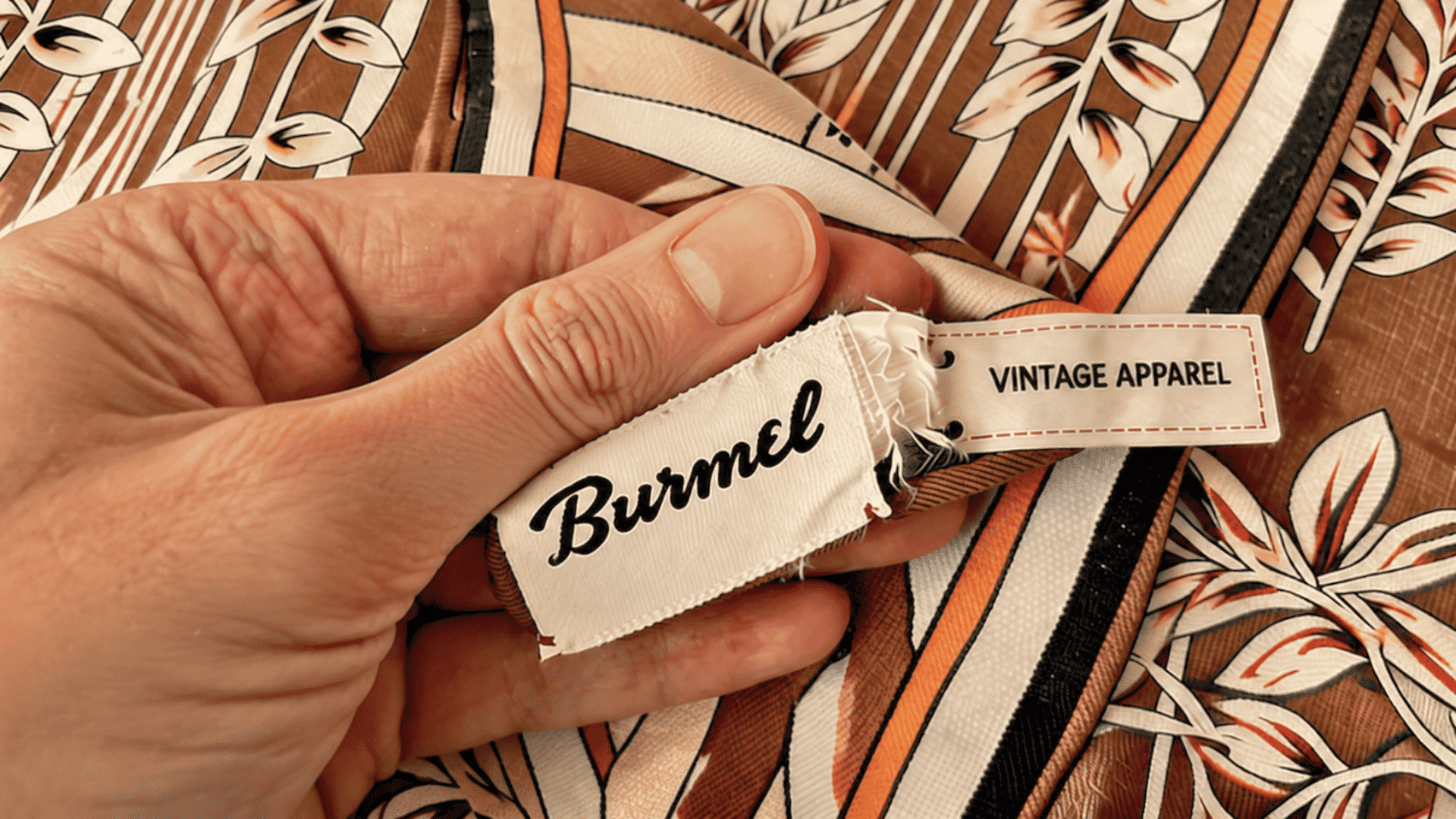
Old labels, stitched tags, and maker’s marks help confirm an item’s age and origin. Missing websites on tags and outdated brand details often point to authentic vintage pieces.
Cross-referencing brand logos and label styles with historical records helps verify authenticity. This is especially useful for fashion and collectibles.
2. Signs of Age: Patina, Wear, And Natural Materials
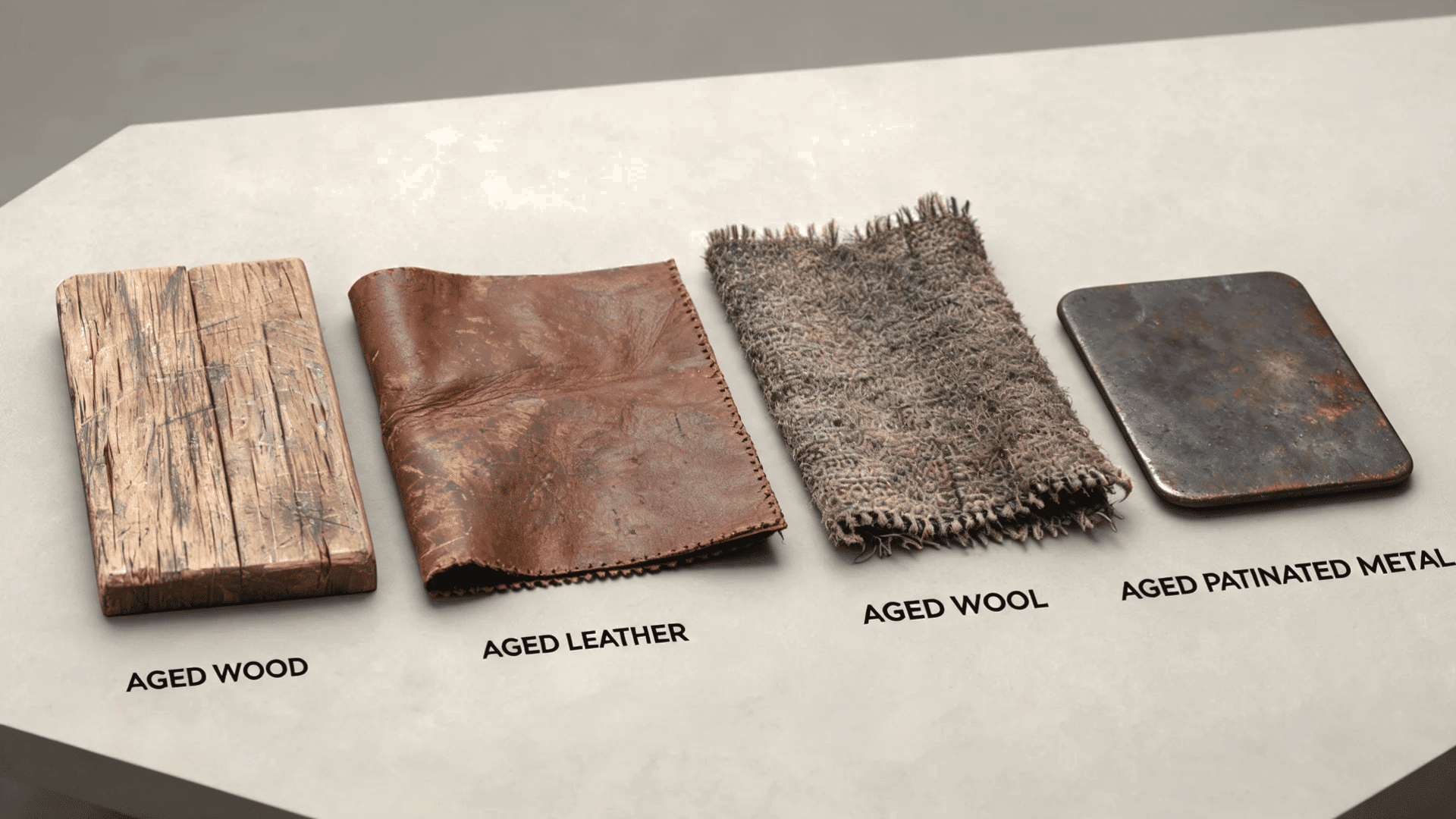
Natural patina, soft fading, and gentle wear develop over years and signal true age. Materials like solid wood, leather, wool, and aged metal often confirm authenticity.
Uneven aging and natural distress marks are stronger indicators than artificial “aged” finishes. Real vintage gains character over time, not production.
3. Construction Details That Indicate Older Craftsmanship
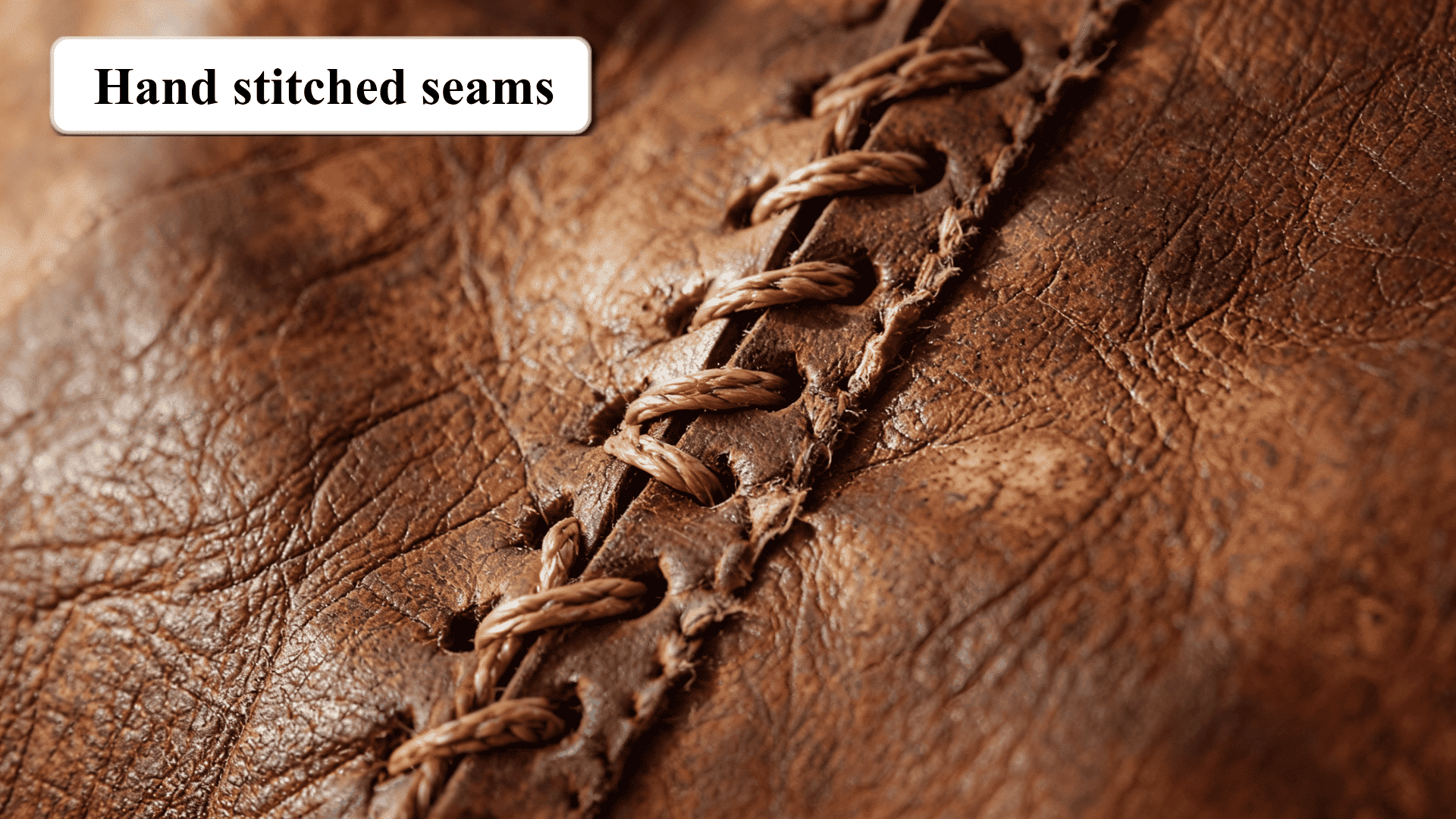
Hand-stitched seams, metal zippers, dovetail joints, and heavy hardware reflect older production methods. These details are rarely found in modern mass-produced items.
Older pieces often feel heavier due to dense materials and traditional building techniques. Even small hardware elements differ from modern standards.
4. Red Flags of Modern Reproductions
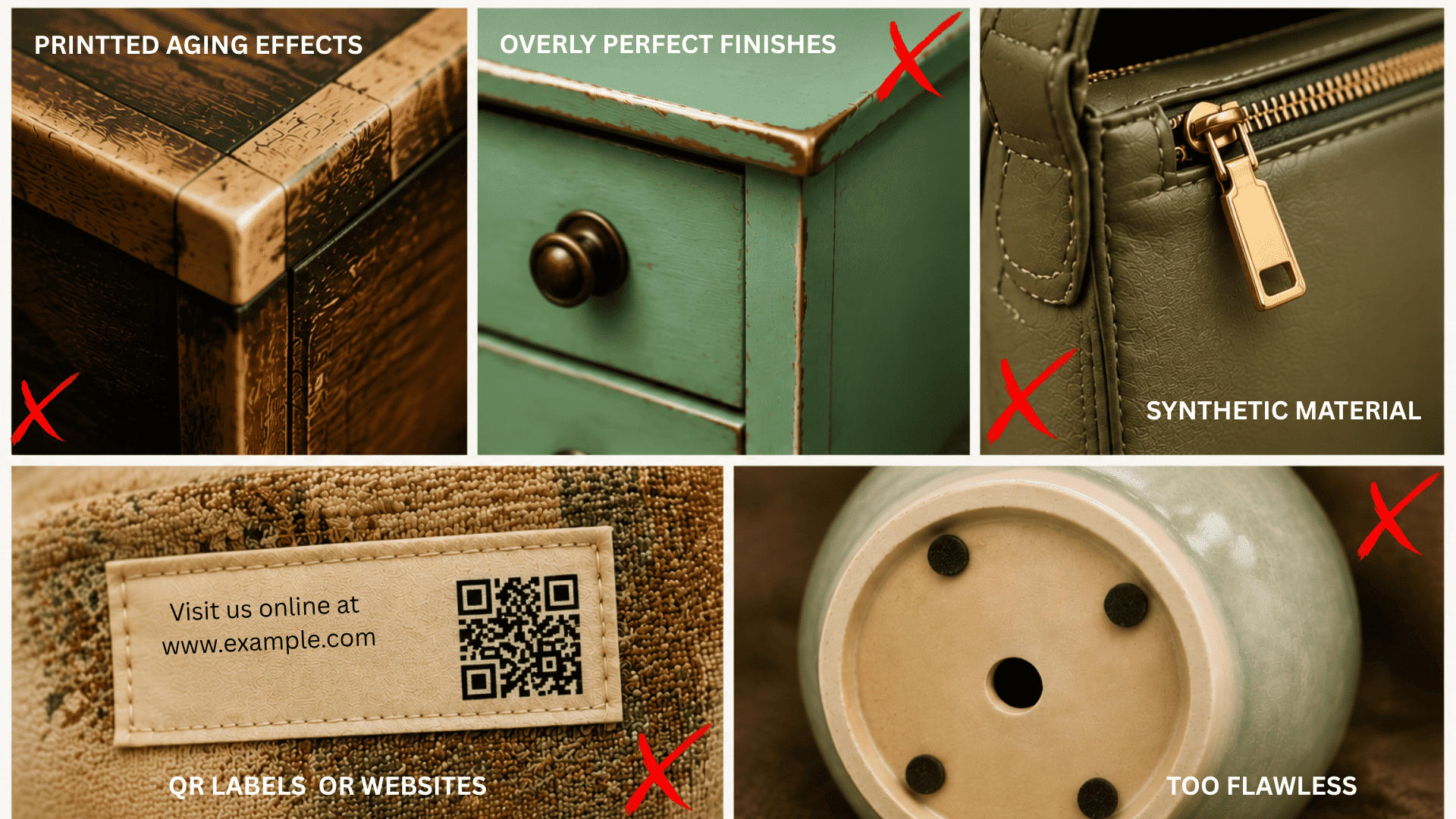
Modern replicas may mimic vintage style but often use synthetic materials and lightweight builds. Printed aging effects and overly perfect finishes are strong warning signs.
Labels with websites, QR codes, or modern branding can indicate a reproduction or a newer piece rather than original vintage manufacturing.
How to Style Vintage in Modern Homes?
Mixing vintage pieces with modern interiors creates a balanced look by combining old-world charm with clean, contemporary elements.
Use these styling ideas to blend vintage and modern decor effectively:
| Styling Area | Approach | Result |
| Blending vintage with modern interiors | Combine vintage furniture with neutral modern decor and clean lines | Creates a balanced, timeless look without feeling outdated |
| Using vintage decor in different rooms | Place vintage accents in living rooms, kitchens, and bedrooms as focal points | Adds personality and warmth to every space in the home |
| Balancing old charm with modern simplicity | Limit vintage pieces and pair them with simple, minimal modern elements | Keeps interiors uncluttered while highlighting key statement items |
A thoughtful mix of vintage and modern decor creates a warm, functional, and stylish home without overwhelming the space.
Why Vintage Decor Is Popular Today?
Vintage decor supports sustainability by extending the life of existing items instead of buying new.
Reusing quality materials helps reduce waste and lower the environmental impact of mass production.
Vintage pieces add personality through aged finishes, period details, and craftsmanship that are difficult to replicate in newer products.
Vintage items often create an emotional link to past eras, family memories, or cultural history. This connection adds meaning and depth to home interiors beyond basic functionality.
The appeal of vintage also comes from higher craftsmanship found in older materials and construction. Many pieces were built to last, offering durability that modern products often lack.
Common Mistakes When Buying Vintage
Buying vintage requires careful evaluation to avoid replicas, overpricing, and poor-quality pieces.
Watch out for these common mistakes before purchasing vintage pieces:
- Confusing Retro With True Vintage: Do not assume every old-style item is genuinely vintage or made during an earlier period.
- Ignoring Condition Issues: Check carefully for cracks, stains, rust, missing parts, or hidden structural damage.
- Overpaying for an Item: Review its market value, rarity, condition, and authenticity before agreeing to the price.
- Skipping Label Research: Look into labels, maker’s marks, production dates, and brand history before buying.
- Trusting Appearance Alone: Examine the materials, craftsmanship, weight, and construction quality to confirm authenticity.
- Buying From Unreliable Sellers: Check the seller’s reputation, customer reviews, return policy, and item description.
Making informed decisions helps you avoid costly mistakes and ensures each vintage piece adds real value to your space.
Conclusion
Recognizing what is considered vintage helps you make smarter decisions when buying, styling, or collecting items. It keeps the focus on authentic design, quality, age, and history.
Vintage pieces add character and individuality to a space while reducing reliance on mass-produced decor. Authentic materials and craftsmanship also reflect the style of past eras.
Careful inspection helps you avoid reproductions, hidden damage, and overpriced items. Check labels, construction details, materials, and overall condition before making a purchase.
Focus on authenticity, condition, and craftsmanship to build a vintage collection that feels meaningful, valuable, and lasting.
Have thoughts or questions? Drop them in the comment section below.
Frequently Asked Questions
What Makes a Vintage Item Valuable?
A vintage item gains value through rarity, condition, craftsmanship, brand reputation, and its connection to a specific era. Demand among collectors can also influence its price.
Is Vintage Decor Suitable for Small Homes or Apartments?
Yes, vintage decor works well in small spaces when used in balance. A few statement pieces can add character without making the space feel crowded or heavy.
Can Vintage Items Be Restored without Losing Value?
Yes, light restoration is acceptable if original materials and structure remain intact. Over-restoration can reduce authenticity and affect overall collectible value.