

Cycling is one of the most enjoyable and accessible ways to stay active, explore new places, and improve overall fitness. Whether you’re a casual weekend rider, a daily commuter, or a dedicated road cyclist, the clothing and apparel you wear can significantly impact your comfort, performance, and safety on the bike.
Modern cycling clothing and apparel are designed with specialized materials, thoughtful construction, and rider-focused features that help cyclists stay comfortable in varying weather conditions and during rides of different lengths. Understanding the purpose of each piece of cycling clothing can help riders make informed choices and enjoy a better experience on every journey.
Why Cycling Clothing Matters
At first glance, cycling apparel may seem similar to regular athletic wear. However, cycling-specific clothing is engineered to address the unique demands of riding. Long periods in the saddle, changing weather, wind resistance, and repetitive movement all require garments that support the rider’s body.
Quality cycling clothing can help:
- Improve comfort during long rides
- Reduce chafing and irritation
- Enhance temperature regulation
- Increase visibility on the road
- Improve freedom of movement
- Offer protection from wind, rain, and sun
For many cyclists, investing in appropriate apparel leads to a more enjoyable and efficient riding experience.
Key Pieces of Cycling Apparel
Cycling Jerseys
Cycling jerseys are among the most recognizable pieces of cycling clothing. Designed with lightweight and breathable fabrics, they help wick moisture away from the skin and keep riders cool during physical activity.
Common features include:
- Moisture-wicking materials
- Full or partial front zippers
- Rear storage pockets
- Extended back hems for riding position comfort
Cycling jerseys are available in various styles, from aerodynamic race-fit options to more relaxed designs suitable for recreational riders.
Cycling Shorts and Bib Shorts
Comfort in the saddle is one of the most important aspects of cycling, and specialized shorts play a major role in achieving it.
Cycling shorts typically feature a padded insert known as a chamois, which helps reduce pressure and friction during rides. Bib shorts include shoulder straps that keep the shorts securely in place and eliminate pressure around the waist.
Benefits of cycling shorts include:
- Enhanced comfort on long rides
- Reduced skin irritation
- Improved support and fit
- Better moisture management
Many experienced cyclists consider quality shorts one of the most valuable investments in their cycling wardrobe.
Base Layers
Base layers are worn underneath jerseys and serve as the foundation of an effective layering system.
These garments help regulate body temperature by managing moisture and providing insulation when needed. In cooler weather, they help retain warmth, while in hot conditions they assist with sweat evaporation.
Choosing the right base layer can make a noticeable difference in comfort throughout a ride.
Cycling Apparel for Different Weather Conditions
Warm Weather Riding
Hot temperatures require lightweight, breathable apparel that promotes airflow and moisture control.
Ideal warm-weather cycling clothing may include:
- Lightweight jerseys
- Ventilated helmets
- Moisture-wicking base layers
- Short-finger gloves
- Lightweight cycling socks
Light-colored fabrics can also help reflect sunlight and reduce heat absorption.
Cold Weather Riding
Cycling in colder conditions requires strategic layering to maintain warmth without restricting movement.
Popular cold-weather apparel includes:
- Thermal jerseys
- Insulated jackets
- Long-sleeve base layers
- Thermal bib tights
- Neck warmers and arm warmers
The goal is to stay warm while avoiding excessive sweating, which can lead to discomfort as temperatures fluctuate.
Wet and Windy Conditions
Rain and strong winds can make cycling more challenging, but proper clothing can help riders stay comfortable and protected.
Useful gear includes:
- Waterproof jackets
- Windproof vests
- Water-resistant overshoes
- Rain-resistant gloves
- Lightweight packable shells
Many cycling jackets are designed to be compact enough to fit into a jersey pocket when conditions improve.
Important Cycling Accessories
Cycling Gloves
Gloves provide several advantages beyond comfort. They help absorb road vibrations, improve grip, and offer protection in the event of a fall.
Depending on the season, cyclists can choose from:
- Lightweight summer gloves
- Full-finger gloves
- Waterproof winter gloves
- Insulated cold-weather options
Cycling Socks
Cycling-specific socks are designed to manage moisture and maintain comfort throughout a ride.
Quality cycling socks often feature:
- Breathable fabrics
- Reinforced construction
- Temperature-regulating materials
- Supportive fit
Though often overlooked, socks can contribute significantly to overall riding comfort.
Arm and Leg Warmers
These versatile accessories allow cyclists to adapt quickly to changing temperatures. They can be added or removed during a ride without requiring a complete outfit change.
Arm and leg warmers are especially useful during spring and autumn when weather conditions may vary throughout the day.
The Importance of Visibility and Safety
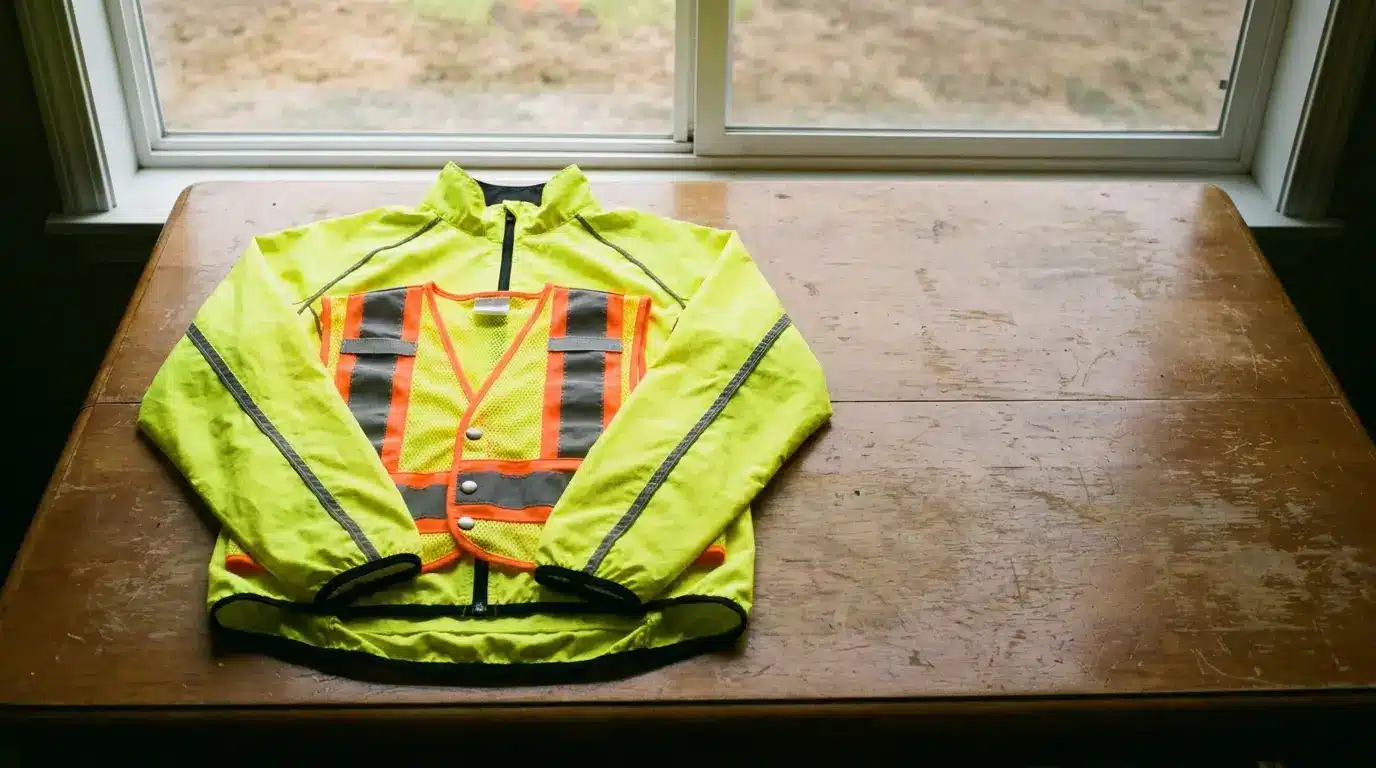
Cycling apparel plays an important role in rider safety. Visibility becomes especially critical when riding in low-light conditions, urban environments, or during poor weather.
Many cycling garments now incorporate:
- Reflective details
- Bright color options
- High-visibility panels
- Integrated reflective logos and trims
Being seen by motorists, pedestrians, and other cyclists can greatly improve road safety.
Choosing the Right Cycling Apparel
Consider Your Riding Style
Different types of cycling often require different clothing preferences.
For example:
- Road cyclists may prioritize aerodynamic performance.
- Commuters may prefer practical and versatile apparel.
- Gravel riders often seek durability and comfort.
- Recreational cyclists may focus primarily on fit and ease of use.
Understanding how and where you ride helps narrow down apparel choices.
Focus on Fit
Proper fit is essential for both comfort and performance. Clothing that is too loose may create drag and bunching, while overly tight garments can restrict movement.
When selecting cycling apparel, look for:
- Freedom of movement
- Comfortable seams
- Appropriate compression
- Secure but non-restrictive fit
Trying different styles and cuts can help riders discover what works best for their body shape and riding goals.
Invest in Quality Materials
Higher-quality fabrics often provide better durability, moisture management, and comfort over time. While premium apparel may require a larger upfront investment, it frequently offers better long-term value through improved performance and longevity.
Conclusion
Cycling clothing and apparel have evolved far beyond simple sportswear. Today’s garments are carefully engineered to enhance comfort, improve performance, and support rider safety in a wide range of conditions. From padded shorts and breathable jerseys to weather-resistant jackets and visibility-focused accessories, each piece serves a specific purpose that contributes to a better riding experience.
Whether you’re cycling for fitness, commuting, adventure, or competition, choosing the right apparel can make every ride more comfortable and enjoyable. By understanding the functions and benefits of cycling-specific clothing, riders can build a versatile wardrobe that supports their cycling goals throughout the year.