
Plenty of clothing businesses start small. A sewing machine in a spare bedroom, a booth at a weekend market, a few loyal customers who share photos online. At some point, many of these makers get the question that changes everything: would you like to sell in our store? Saying yes is exciting, but moving from direct sales to a shop floor means meeting a different set of expectations.
When you sell a shirt or a baby blanket in person, you are part of the product. You explain the fabric, you tell the customer how to wash it, and your enthusiasm fills in the gaps. On a store rack, the garment has to do all of that on its own. Shop owners know this, and they look closely at whether a piece is truly ready to sell.
What Store Owners Look For
Boutique buyers tend to check a few basics before they place an order. Consistent sizing is one of the first. If a medium from one batch fits differently than a medium from the next, returns and unhappy customers follow. Keeping a written size chart and measuring every run against it helps avoid that problem.
Finishing is another. Loose threads, uneven hems and seams that pucker after one wash are hard to hide under store lighting. Many makers find it useful to wash and wear a sample for a few weeks before offering a style wholesale, simply to see how it holds up.
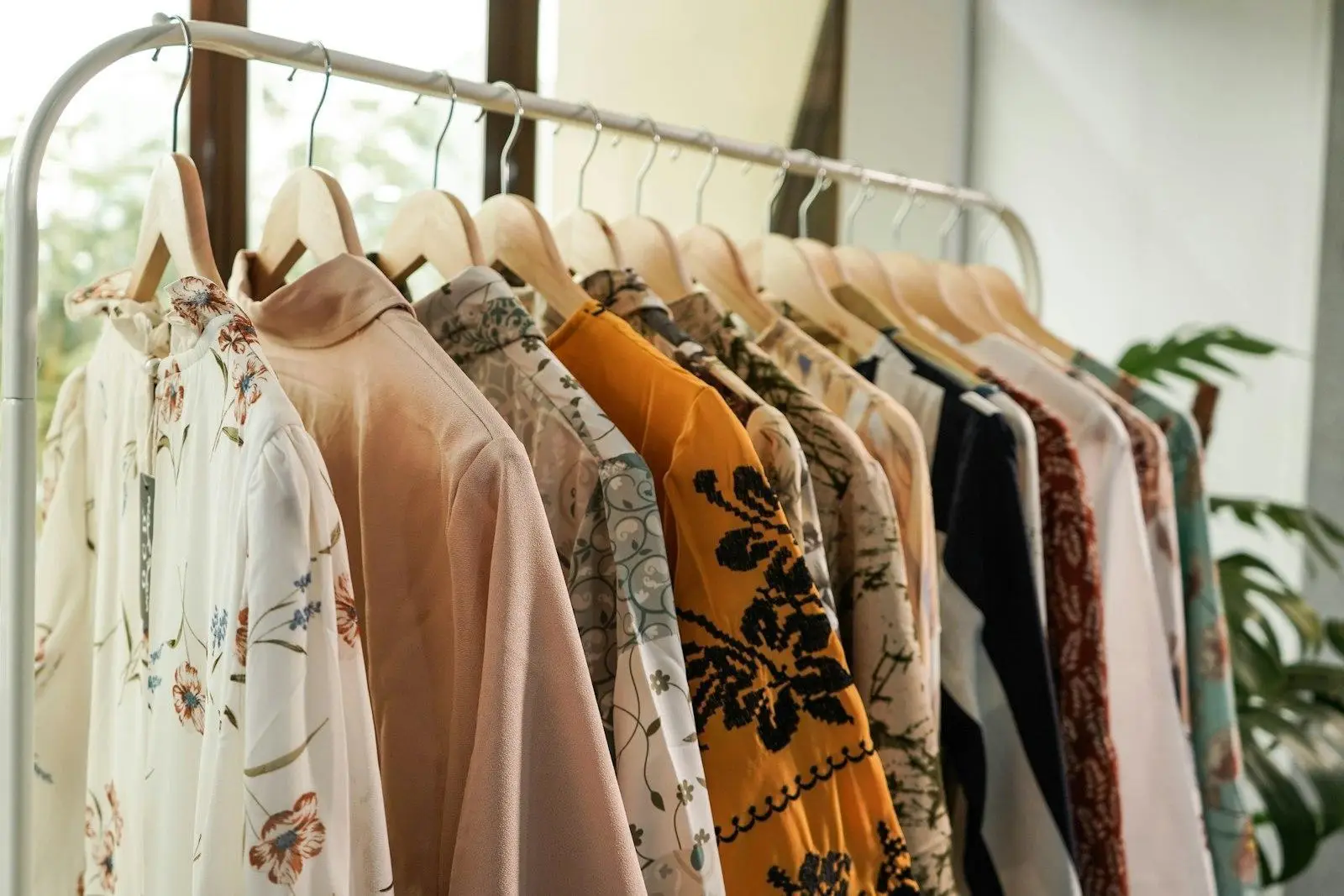
Then there is presentation. Customers browsing a rack often flip to the inside of the collar before they even check the price. What they find there shapes how they see everything else about the garment.
The Small Details that Make a Big Difference
A label is one of the least expensive parts of a garment, yet it carries a lot of weight. It tells shoppers who made the item, it makes the brand easy to find again, and it signals that the piece was made with care. A handwritten tag or a strip of masking tape might be charming at a market stall, but in a shop it can read as unfinished.
This is why many small makers switch to retail-quality clothing labels once they start working with stores. Woven labels, where the design is woven into the fabric rather than printed on top, generally hold up well through repeated washing and feel soft against the skin. Printed satin or cotton labels are a common choice for care information, and separate size labels make it easy for staff and shoppers to sort stock quickly. Hang tags attached with a string or pin give room for a short brand story, a price and a barcode if the store uses one.
It pays to think about placement as well. A neck label works for most tops, while a small loop label in a side seam can suit items where a collar tag would irritate the skin, such as children’s clothing or loungewear.
Care Instructions and Basic Information
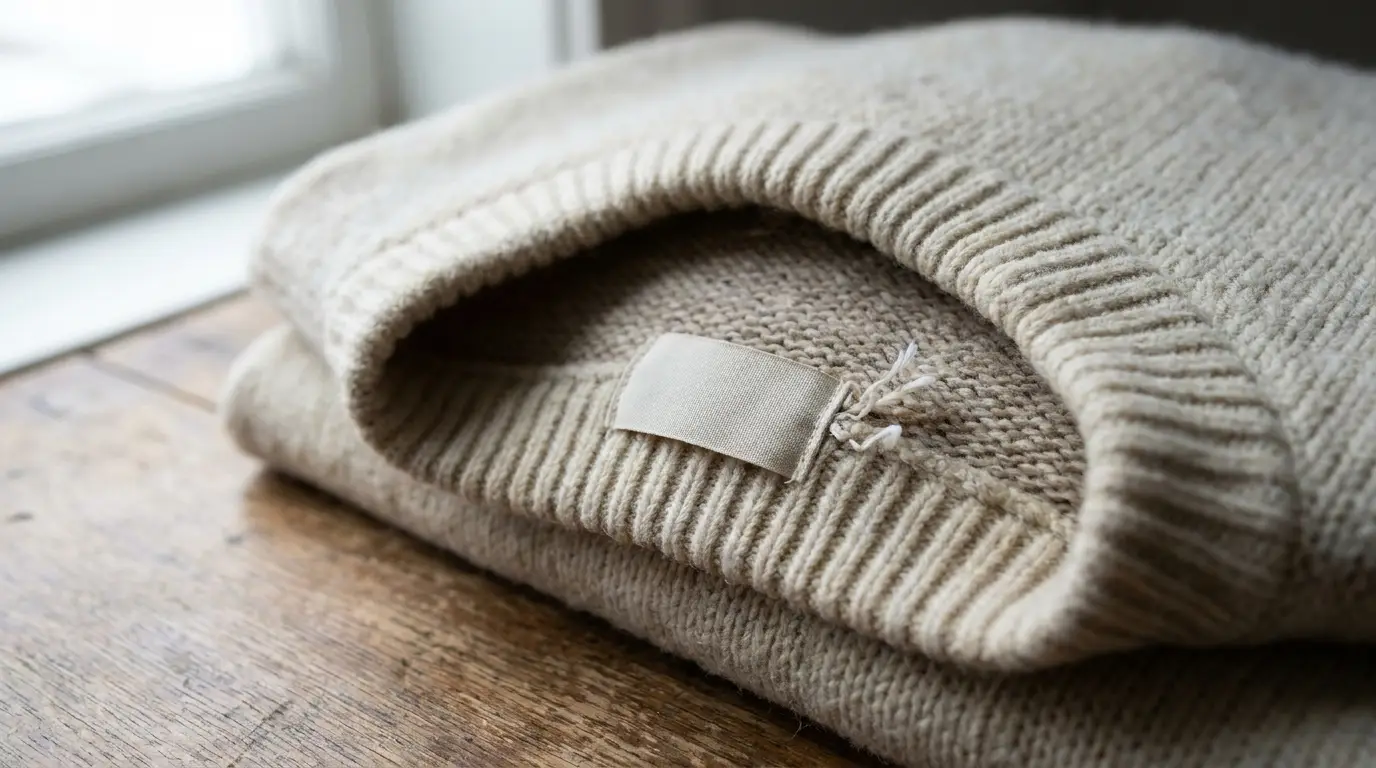
Care labels are not only a courtesy. In the United States, the Federal Trade Commission has rules on care labeling and on disclosing fiber content and country of origin for many textile products. The details depend on the type of item, so makers moving into retail should read the FTC’s guidance for their product category or ask a professional if they are unsure. Getting this right early is far easier than relabeling a full order later.
Clear care instructions also protect the maker’s reputation. A sweater that shrinks because nobody said to wash it cold tends to come back as a complaint, even if the knitting was flawless.
Pricing for Wholesale
Selling through a shop usually means offering a wholesale price that leaves room for the store’s margin. Before agreeing to terms, it helps to calculate the full cost of each piece: fabric, thread, labels, packaging and the hours spent sewing. Some makers discover that a style they loved to make simply does not work at wholesale, while another becomes their best seller.
Small order quantities are worth discussing too. Many stores prefer to test a few pieces before committing to a larger order, which suits makers who are still building capacity.
Growing without Losing the Personal Touch
Moving into retail does not mean giving up what made a small brand special in the first place. The stitching, the fabric choices and the story behind the business still matter. Retail simply asks makers to package those strengths in a way a stranger can understand at a glance. With consistent sizing, sturdy finishing and clear labeling, a garment made in a spare bedroom can sit comfortably next to anything else on the rack.