

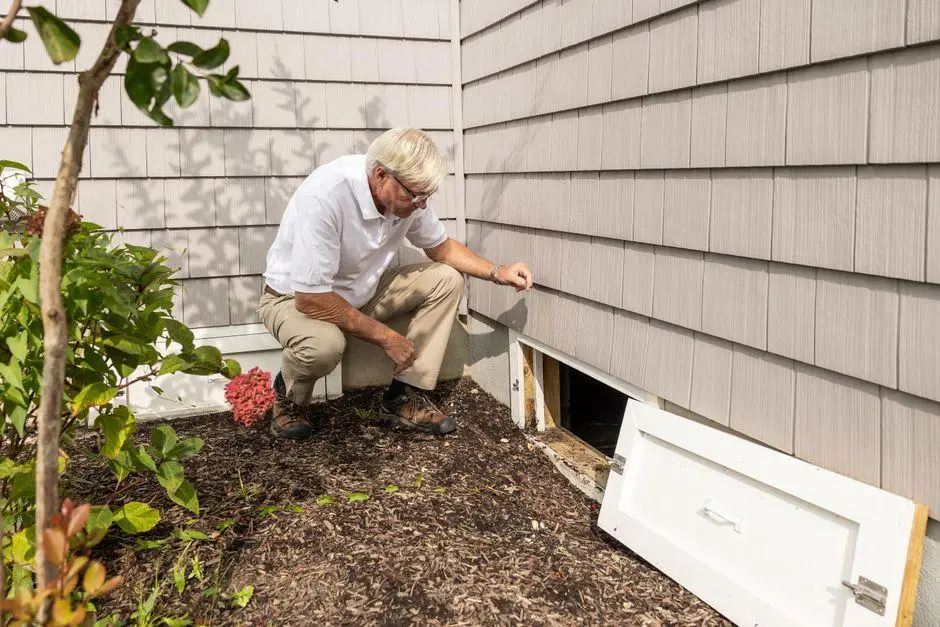
Your home’s exterior does more than make the place look good from the curb. It shields you from rain, wind, heat, and the slow chaos that weather causes over time. If you ignore small warning signs, repairs can snowball into expensive projects fast. A few smart checks each year can help you spot trouble early, protect your budget, and keep your home looking sharp without turning maintenance into a full-time hobby.
Start With What You Can See From the Street
Your first inspection doesn’t need a ladder or a contractor. Just stand across the street and look at your house like a buyer would. You’re checking for sagging gutters, missing shingles, peeling paint, warped siding, and dark streaks that seem out of place.
Pay attention to symmetry. If one section of the roof looks uneven or one side of the siding appears faded faster than the other, something may be happening beneath the surface. Water usually leaves clues before it leaves a massive bill.
Look at trim around windows and doors too. Cracks, discoloration, or soft-looking wood can point to moisture damage. If your exterior looks tired, patchy, or oddly aged in certain spots, it’s probably asking for help in the least subtle way possible.
Know When to Bring in a Professional
Some exterior issues are easy to monitor, but others need a trained eye. If you suspect storm damage, active leaks, rotting materials, or major wear, getting a professional inspection can save time and money. Guesswork is expensive when water is involved.
A qualified exterior contractor can evaluate roofing, siding, gutters, windows, and related problem areas as one connected system. That matters because exterior issues often overlap. A roof leak may show up as siding damage. Bad drainage may affect trim, paint, and foundation performance.
If you’re comparing options for repair or replacement, C Michael Exteriors is a good example of a company homeowners may look at for exterior services including roofing, siding, gutters, and windows. Having one team assess the whole envelope can make decisions much clearer.
Check Your Roof Before It Starts Negotiating With Gravity
Roofs rarely fail all at once. They usually decline in stages, and your job is to catch the warning signs before shingles start making travel plans. If you can safely view the roof from the ground, look for curled, cracked, or missing shingles.
Granules in gutters are another clue, especially with asphalt shingles. Those tiny gritty bits mean the protective surface is wearing away. Flashing around vents and chimneys also deserves attention because gaps there invite leaks.
Inside your home, scan ceilings and attic spaces for water stains, damp insulation, or a musty smell. Those signs often show up before a visible drip. If your roof is over 15 to 20 years old, regular inspections matter even more. Age alone doesn’t mean failure, but it does put your roof on the watch list.
Watch for Siding Problems That Go Beyond Looks
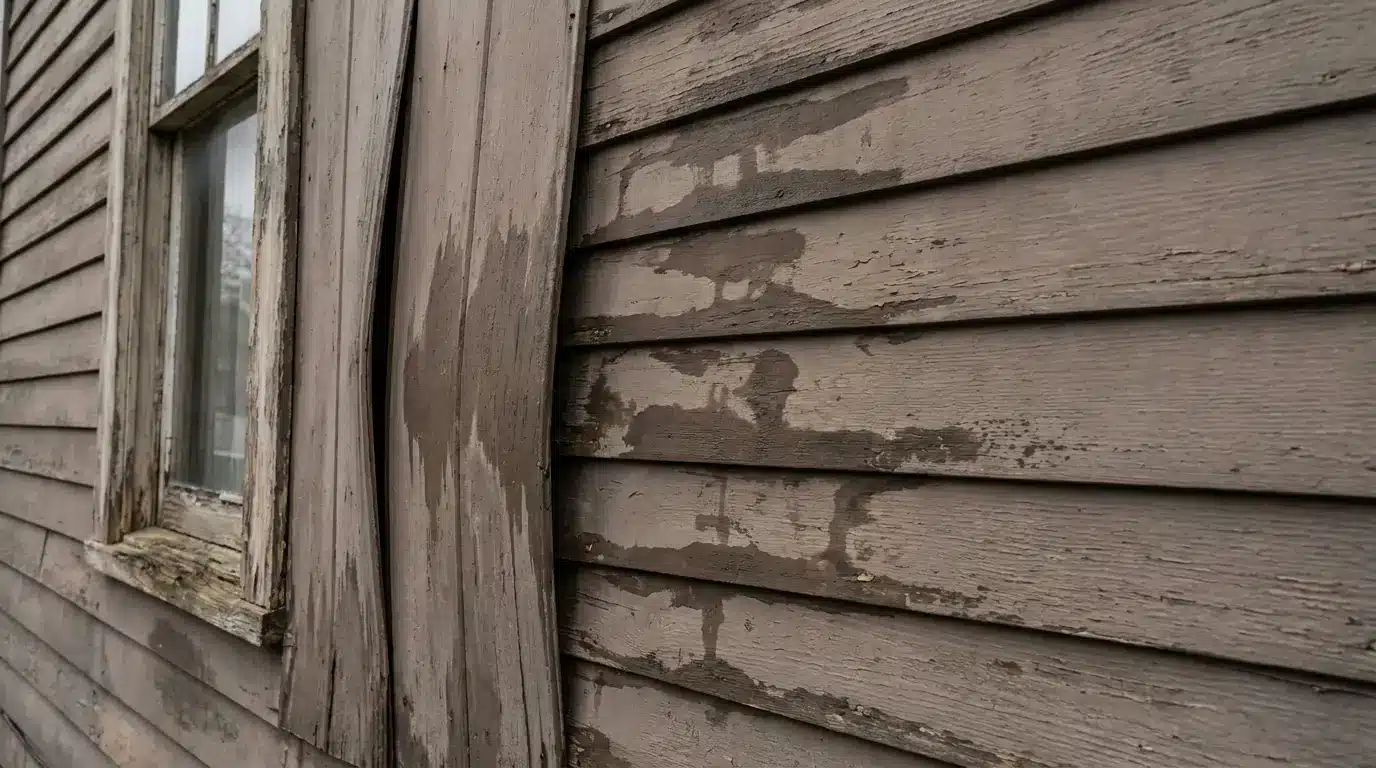
Siding takes a daily beating from sun, moisture, pests, and temperature swings. Small cosmetic issues can hide larger structural ones, so don’t write off every crack or loose panel as a style problem.
Vinyl siding may warp or buckle when heat and moisture get trapped. Wood siding can rot, swell, or attract insects if it stays damp. Fiber cement is durable, but poor installation or impact damage can still create weak spots. If paint keeps peeling in the same area, moisture may be working underneath.
Press gently on suspicious wood trim or siding. If it feels soft, crumbly, or sponge-like, that’s a repair issue, not a weekend paint job. Homeowners often focus on color and curb appeal, but siding is also part armor, part climate control system.
Don’t Ignore Gutters and Drainage
Gutters are not glamorous, and they know it. Still, they do some of the most important work on your property. When they clog, loosen, or pull away from the house, water can collect around your foundation, seep behind siding, and damage landscaping.
Check for overflowing water during rain, rust spots, standing water, and joints that drip long after the storm ends. Downspouts should direct water away from the home, not dump it right next to the foundation like an unhelpful roommate.
Also watch the ground around your house. Pooling water, eroded mulch, and soggy areas near exterior walls suggest drainage problems. In colder climates, poor drainage can also lead to ice issues that stress roofing and gutter systems. A healthy exterior starts with getting water to move along.
Examine Windows and Doors for Hidden Efficiency Loss
Drafty windows and sticking doors can seem minor until you add up the energy loss, water intrusion, and wear on surrounding materials. Exterior openings are common weak points, especially in older homes.
Look for cracked caulk, brittle weatherstripping, condensation between panes, and peeling paint around frames. If a door suddenly stops closing cleanly, the issue may be shifting, swelling, or water damage. Windows that are hard to open can signal frame trouble, not just age.
You should also notice how rooms feel. If one room stays hotter in summer or colder in winter, air leakage may be happening around windows or doors. Exterior maintenance is not only about appearance. It affects comfort, utility costs, and how hard your HVAC system has to work every day.
Build a Simple Maintenance Routine That Actually Works
You do not need a color-coded spreadsheet and a headset to manage your exterior. A basic seasonal routine is usually enough. Walk around your home in spring and fall. After major storms, check for obvious damage. Clean gutters, inspect seals, and note changes before they become patterns.
Keep a short photo log on your phone. Take pictures of the roofline, siding, windows, and drainage areas every few months. Side-by-side images help you notice gradual changes that memory tends to miss. Homes age slowly, which is exactly why problems sneak up on people.
If you plan to sell within a few years, exterior upkeep also protects resale value. Buyers notice water stains, worn trim, and neglected roofing almost instantly. A solid exterior tells people the home has been cared for, and that message travels fast.
Pay Attention Early and Save Yourself Bigger Trouble
Exterior problems rarely start as disasters. They begin as loose shingles, tiny cracks, clogged gutters, and spots you think you’ll deal with later. Later has a habit of getting expensive.
If you stay observant, act early, and bring in help when needed, you can avoid many of the worst repair scenarios. Your home does not need perfection. It needs attention, timing, and a little practical skepticism whenever something looks off.
A well-maintained exterior protects more than materials. It supports comfort, efficiency, property value, and peace of mind. That’s a strong return for a few inspections and a willingness to stop ignoring that one suspicious water stain.