


Vintage guitars preserve traces of changing music, workshop practice, and factory production. Their materials, finishes, electronics, and hardware help establish age and identity. Yet years alone rarely determine market value. Original components, structural condition, documented history, rarity, and buyer demand carry greater weight. A thoughtful collector examines those details together, since polished appearance can conceal repairs, substitutions, or alterations that affect both authenticity and price.
A Practical Era Reference
A guide to vintage guitar eras gives collectors a useful starting point for dating an instrument. Early acoustics often show hand-built construction, while later electrics reflect changing factory methods and musical requirements. Serial numbers help establish a production range, but they cannot stand alone. Logo shapes, neck joints, body routes, finish colors, potentiometer codes, and hardware changes may confirm or dispute a proposed date.
Prewar Acoustic Foundations
Before 1945, acoustic makers commonly used spruce soundboards, mahogany or rosewood bodies, hide glue, and hand-shaped braces. Brazilian rosewood can increase interest when documented, and the instrument remains original. Structural repairs deserve close attention. Top cracks, neck resets, bridge replacement, loose braces, and substituted tuners can reduce value, even when the guitar retains an appealing tone.
The 1950s Electric Boom
The 1950s established electric designs that still attract serious collectors. Solid bodies became lighter, finishes gained vivid colors, and pickup layouts developed distinct responses. Limited production adds interest, but collectors must verify rarity rather than assume it. Original solder joints, factory routing, period hardware, and untouched finishes often distinguish a high-value example from a similar instrument with extensive replacement work.
The 1960s Expansion
During the 1960s, makers broadened their catalogs for rock, country, rhythm, and studio use. Shorter scales, semi-hollow bodies, vibrato systems, and brighter finishes gave players more choices. Factory-correct components strengthen buyer confidence. Enlarged cavities, refinished bodies, replacement pickups, and altered necks can lower a guitar’s price, even when those changes improve comfort or performance.
The 1970s Production Shift
The 1970s brought larger factories, heavier construction, ownership changes, and broader distribution. Production quality varied from one model and year to another. Some limited runs, artist instruments, and early series examples remain highly collectible. A decade label provides only general context. Model designation, specification, factory location, component type, and condition offer more reliable clues during appraisal.
Original Parts Carry Weight
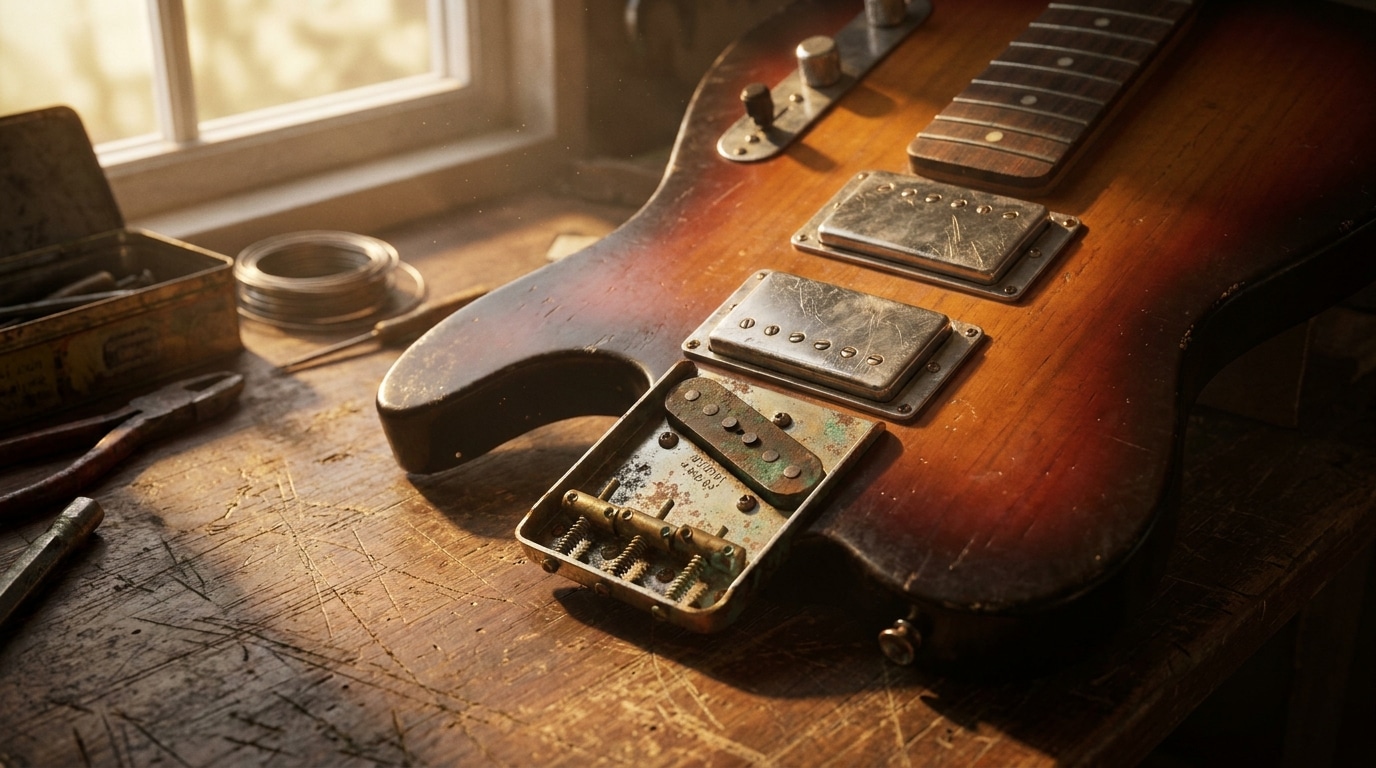
Originality often affects price more than a bright finish or fresh setup. Collectors inspect pickups, tuners, bridges, knobs, screws, pickguards, potentiometers, and cases. A replacement neck can change scale length, feel, and historical identity. Correct period parts may preserve function, yet factory components usually command greater confidence. Clear photographs of cavities, neck heels, solder joints, and markings support a more accurate assessment.
Condition Requires Perspective
Wear does not automatically diminish desirability. Finish checking, small marks, and moderate fret wear may reflect ordinary use without threatening stability. Severe cracks, moisture damage, poor neck angles, and unstable repairs create greater concern. A professional setup can improve playability while preserving original material. Heavy refinishing, aggressive routing, and concealed restoration usually cause larger deductions than honest surface wear.
Provenance Adds Context
Receipts, photographs, factory tags, repair invoices, and ownership records can strengthen an instrument’s history. Documentation cannot replace physical inspection, but it may support a date, unusual specification, or previous repair. Records carry the most weight when they clearly connect to the guitar. Keep unverified stories separate from confirmed evidence, because reputation alone cannot establish authenticity or justify a higher price.
Price Signals and Market Demand
Recent completed sales provide better guidance than current asking prices. Useful comparisons should match model, production year, condition, originality, finish, and included accessories. Rare colors may attract attention, although demand shifts with player interest and economic conditions. A sound valuation draws from several comparable transactions. One ambitious listing rarely offers enough evidence for a responsible purchase decision.
A Collector’s Inspection Method
Start with the serial number, factory markings, and visible construction details. Next, buyers can assess neck stability, fret wear, electronics, body repairs, and hardware fit. Ultraviolet light may reveal finish changes, while unusual weight can suggest substituted wood or concealed work. Photographs should record every concern. A written condition report keeps negotiations precise and limits post-purchase surprises.
Conclusion
Vintage guitar value rests on evidence, not age alone. Strong examples combine desirable specifications, original components, sound structure, credible history, and active buyer interest. Each period offers different rewards, from prewar acoustic workmanship to mid-century electric innovation and later production milestones. Collectors who compare completed sales, inspect carefully, and separate fact from assumption can make wiser decisions. Patience, accurate records, and respect for an instrument’s history remain the safest foundations for ownership.