

Something has shifted in the way people are renovating their homes lately. For years the goal was a clean, magazine-ready look, all sharp lines and empty surfaces, the kind of room that photographed well but didn’t necessarily invite you to sit down. That’s fading. Homes are getting warmer, softer, a bit more cluttered in a good way, and designers seem to be following the same instinct as everyone else: comfort matters more than showing off.
Texture Is Making a Comeback
Hard surfaces used to signal good taste. Now it’s the opposite. Boucle armchairs, thick knitted throws, rattan side tables, all the things that would have looked out of place next to a sleek leather sofa a few years ago, are showing up everywhere. Rugs have gotten thicker. Curtains hang heavier. Cushions get stuffed until you actually sink into them instead of perching on the edge like you’re at a dentist’s office. None of that has much to do with how a living room looks in a photo. It has everything to do with how it feels to collapse onto the sofa after a long day.
Wood is coming back too, especially warmer tones like walnut and oak. Painted white cabinetry, which felt so fresh not that long ago, now reads as a bit cold to a lot of homeowners. There’s something about a natural material that a manufactured surface just can’t fake, and once people notice it, they start wanting it in every room.
Curved Furniture Is Everywhere
Sofas are rounder. Coffee tables have lost their sharp corners. Even doorways are starting to arch instead of square off at the top. Some of this comes down to taste, but not all of it. A curved sectional tends to pull people toward the centre of a room rather than scattering them along the walls, and that changes the feel of a gathering more than most people would expect. Fewer hard corners means less visual tension, even if nobody in the room could tell you exactly why the space feels calmer.
Builders have noticed the same thing. Rounded built-in shelving keeps coming up as a request during renovations, and archways are replacing plenty of square doorframes. The bones of the house haven’t changed. They’re just getting softened around the edges.
Bathrooms Are Losing Their Clinical Edge
Bathrooms used to be the one room where cold was the point. White tile, chrome fixtures, harsh lighting overhead, all business. That’s changing. Homeowners want their bathrooms to feel like part of the house rather than a sterile add-on, so natural stone, richer wall colours, and warmer lighting keep turning up in renovation after renovation.
Actual warmth matters too, not just the visual kind. Nobody wants a gorgeous new bathroom that turns into an ice rink the moment winter hits, which is probably why heated towel rails and better radiators keep coming up when people plan these projects. Trade Radiators has made that part of the process a lot easier, since browsing their range means a radiator doesn’t have to be an afterthought bolted onto the wall. It can actually work as a design feature, something that pulls its weight visually and functionally instead of just sitting there being warm.
Lighting Has Gotten More Deliberate

A single overhead light used to be enough for most rooms. That’s not really true anymore. People are layering in table lamps, floor lamps, wall sconces, whatever it takes so a room can feel bright and useful in the morning and then settle into something dimmer come evening. Dimmer switches are close to standard in newer renovations now, and they let people shift the mood of a room without touching any wiring.
Bulb color has changed too. The cool, slightly blue light that came with the push for energy efficiency a decade ago is giving way to warmer tones. An efficient bulb doesn’t do much good if it makes your living room look like a dentist’s waiting room.
Shelves Are Getting Personal Again
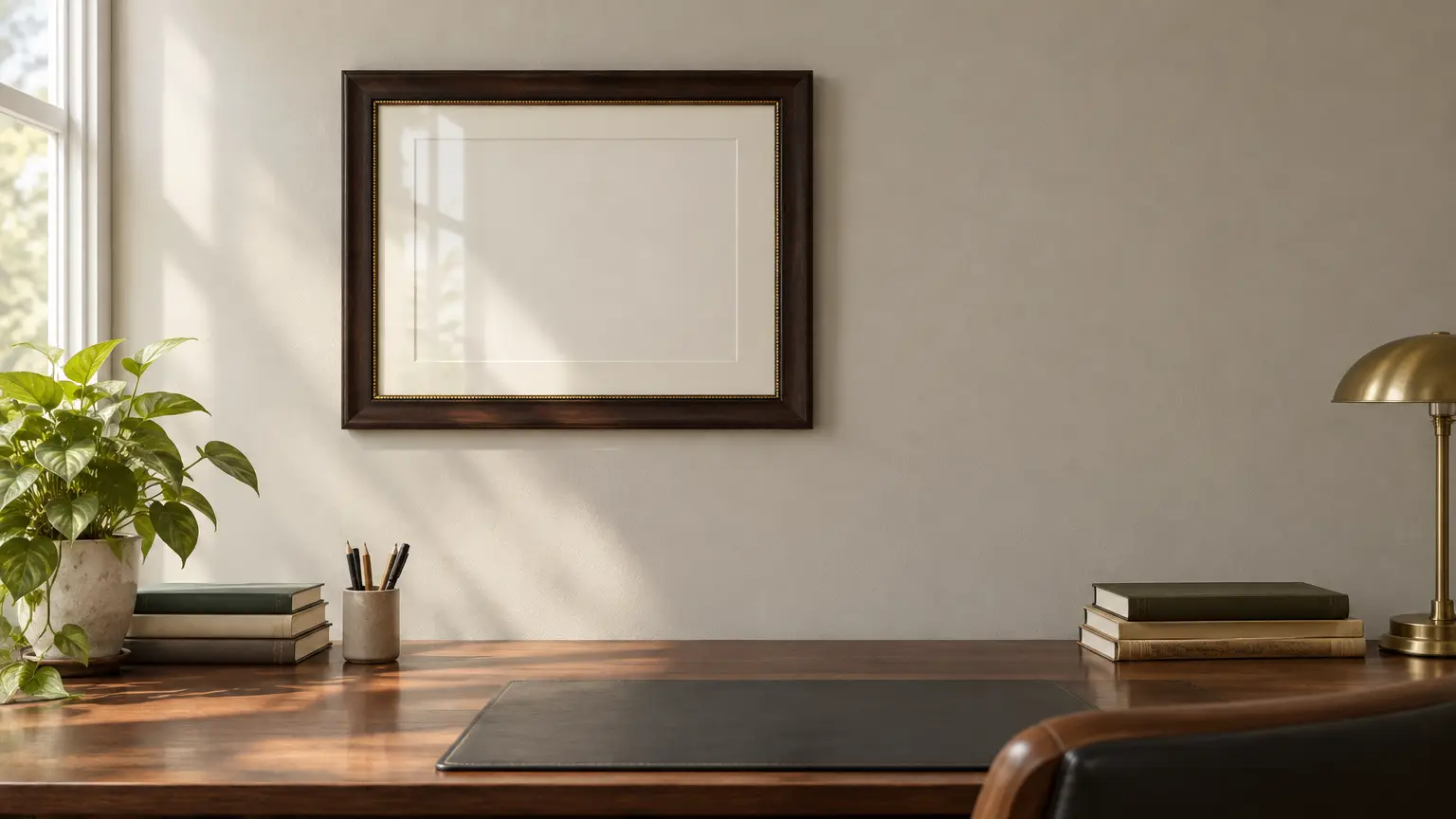
The staged, empty shelf look that showed up in every real estate listing for years is on its way out. People are putting their actual books, pottery, and travel souvenirs back on display, even when none of it matches or follows a tidy color scheme. It’s a small change, but it says something. Homes are being designed for the people who actually live in them, not for an imaginary buyer scrolling through listing photos.
Inherited furniture, family photos, mismatched decor that doesn’t quite fit any particular style. All of it is staying out in the open now instead of getting hidden before company shows up. A shelf that tells you something true about the person who lives there beats a perfectly symmetrical one every time.
Where All This Is Heading
Underneath every one of these trends is the same basic idea: a home is meant to be lived in, not just looked at. Comfort has taken priority over polish, and the rooms coming out of that shift feel warmer, softer, more like the people who actually spend their evenings there. A curved sofa, a heated towel rail, a shelf full of things that don’t match. Different details, same direction. People want their homes to feel like home again, not like a showroom they’re not quite allowed to touch.