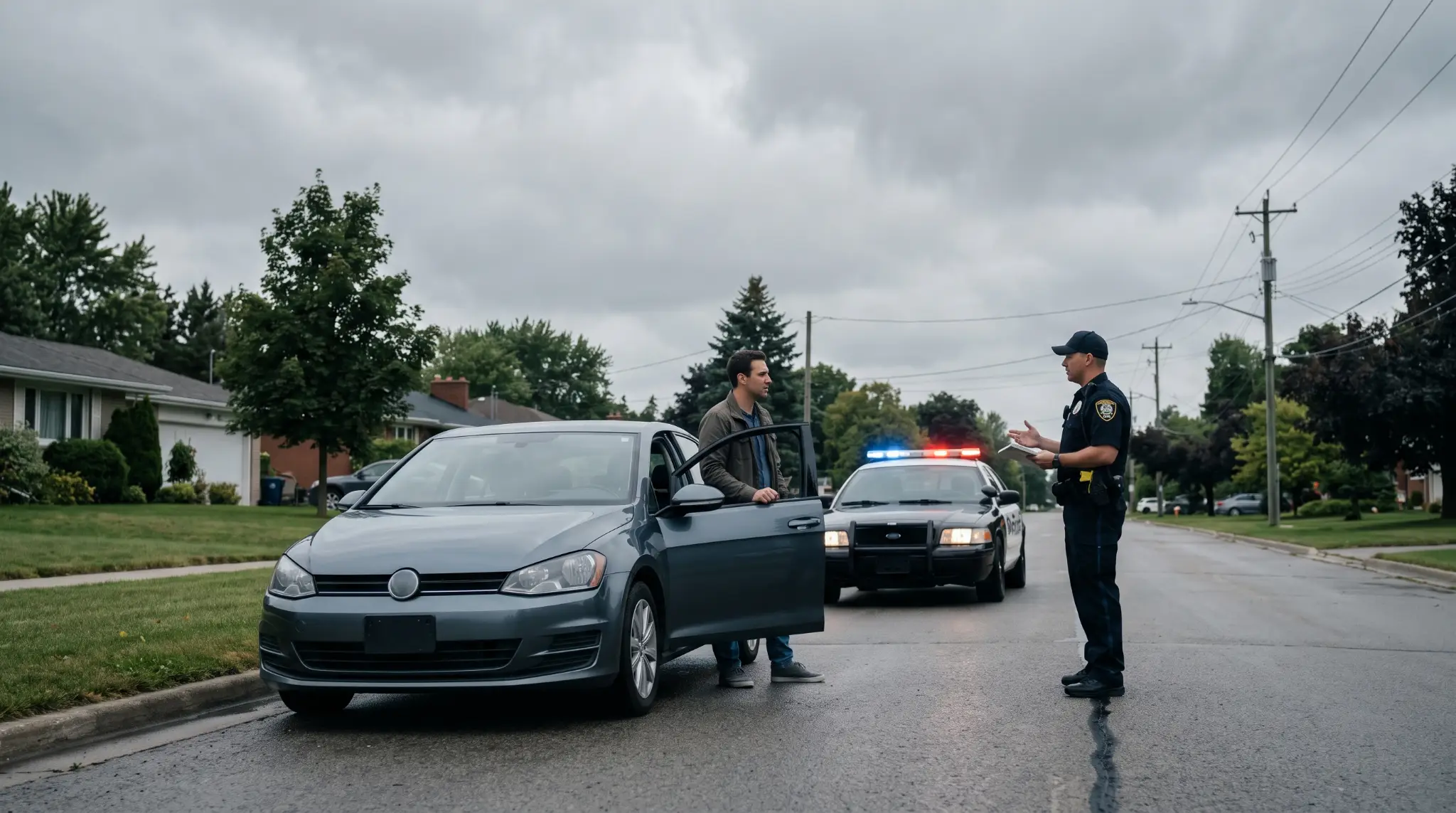

It is one of the most common assumptions people carry about driving: that the car you drive, the clothes you have on, the music coming through the windows or the number of people in the back seat somehow changes how a traffic stop goes. The legal answer and the lived answer are not the same, and the gap between them is worth understanding, because the rules that actually govern a stop in New Jersey are narrower than most drivers realize, and they have changed significantly in the last few years.
What Actually Authorizes a Stop
The reason has to exist before the lights come on
An officer needs a reasonable and articulable suspicion that a law has been violated. In practice that is usually something mechanical and verifiable: speed, a lane change without a signal, a brake light out, an expired registration. The justification is judged by what the officer could point to at the moment of the stop, not by what turns up afterward.
Appearance is not one of those reasons
Nothing about how a driver is dressed, what they are wearing on their hands, how old the car is or how loud the stereo was supplies that suspicion on its own. A stop built on those things is a stop built on nothing the State can later defend in writing, which is precisely why the question of what justified a stop is one of the first things any defense attorney asks.
The Moment a Stop Tries to Become Something Else
Consent is the usual route, and New Jersey narrowed it
In most states an officer can ask a lawfully stopped driver for permission to search for no particular reason. New Jersey does not allow that. Under state constitutional law, an officer must already have a reasonable and articulable suspicion of criminal activity before even requesting consent to search a vehicle. The request itself requires a basis.
Nervousness has been rejected as that basis
New Jersey courts have specifically held that a driver appearing nervous does not supply the suspicion required. Nearly everyone is nervous during a traffic stop, which is exactly why it cannot do any legal work.
The Cannabis Rule Rewrote the Script
Odor alone no longer establishes anything
This is the most significant practical change for New Jersey drivers in years. Under the state’s cannabis legalization law, the smell of cannabis, burnt or raw, cannot by itself establish reasonable suspicion or probable cause in a possession case. The Attorney General’s guidance to law enforcement is unusually blunt about what that means during a stop: an officer should first assess whether there is probable cause the driver is operating under the influence, and if the driver is not found to be impaired, the odor by itself does not justify continuing the stop or conducting a search, so the vehicle and its occupants must be released once the original reason for the stop has been addressed.
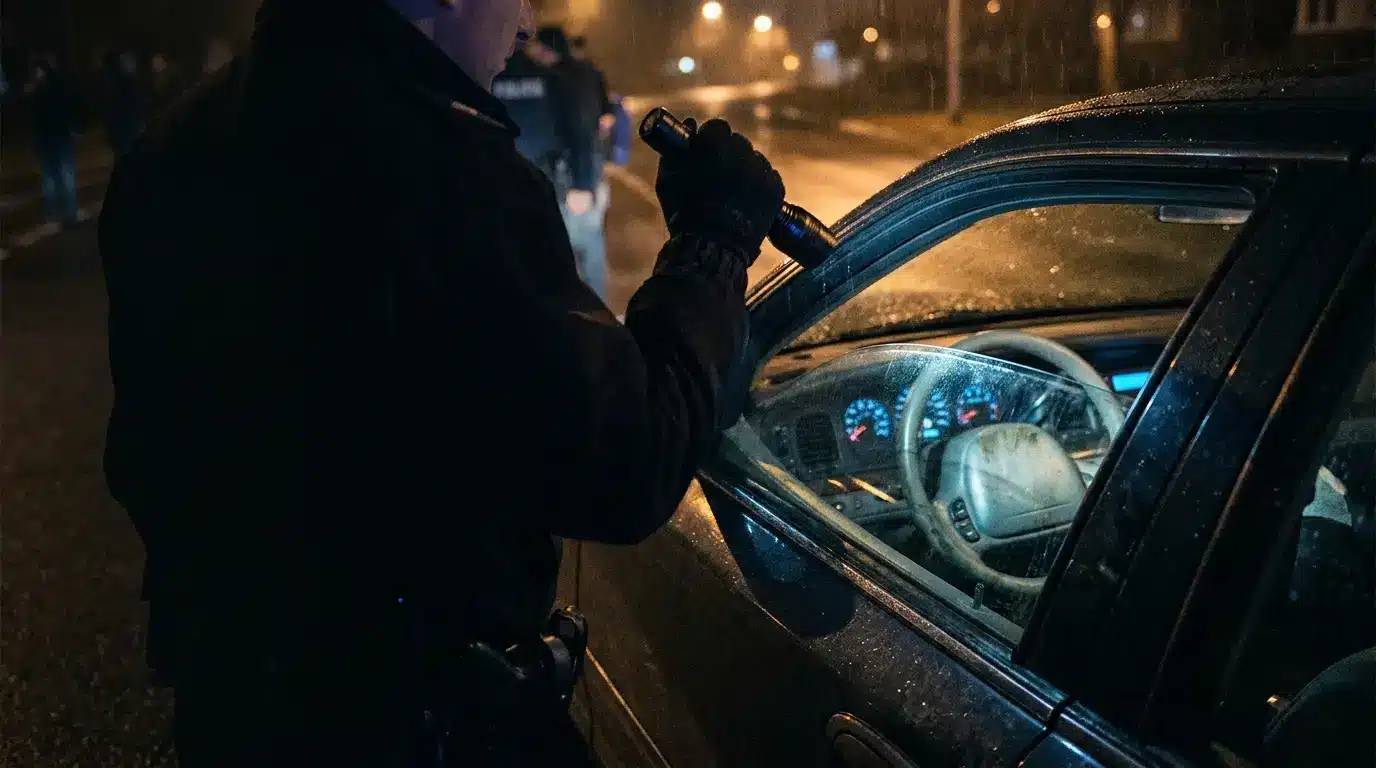
The rule extends further than most drivers assume
The same guidance states that a drug detection dog trained to alert on cannabis may not be used to sniff in these situations at all, and that marijuana observed in plain view cannot by itself serve as probable cause to search a person under 21 or their vehicle. For anyone under 21, officers are also barred from requesting consent to search.
What Still Lawfully Expands a Stop
Impairment is a separate inquiry
None of this protects an impaired driver. Driving under the influence remains its own investigation with its own indicators, and a cannabis odor can still be one data point among others in that assessment.
Contraband that is not cannabis
Items in plain view that are not cannabis are treated under ordinary rules, and anything an officer lawfully sees can still support a search. Because so much turns on the exact sequence of what was seen, said and asked, people charged after a roadside search often work with attorneys who handle drug charges in Parsippany specifically to reconstruct that order of events.
Where Appearance Does Have an Effect
Not in the law, but in the encounter
The legal standards are the same for everyone. Enforcement is carried out by people, and New Jersey has spent decades building oversight mechanisms precisely because the two are not identical in practice. Drivers who believe they were stopped or searched because of race, national origin or another protected characteristic can file with the state’s Division on Civil Rights, which enforces the Law Against Discrimination.
What helps at the roadside
Produce the documents requested, keep hands visible, and answer questions about identity. Beyond that, declining a search request and declining to discuss where you have been are both lawful, and neither is evidence of anything. Note the time, the location and the badge number while the details are fresh.
Reading a Stop by What Was Said, Not How It Felt
The useful question after a stop is never whether the officer seemed to be judging the car or the outfit. It is narrower and more answerable: what reason existed before the lights came on, what expanded the stop beyond that reason, and whether consent was requested before any legal basis for requesting it existed. Those three questions decide cases in New Jersey. Impressions do not.