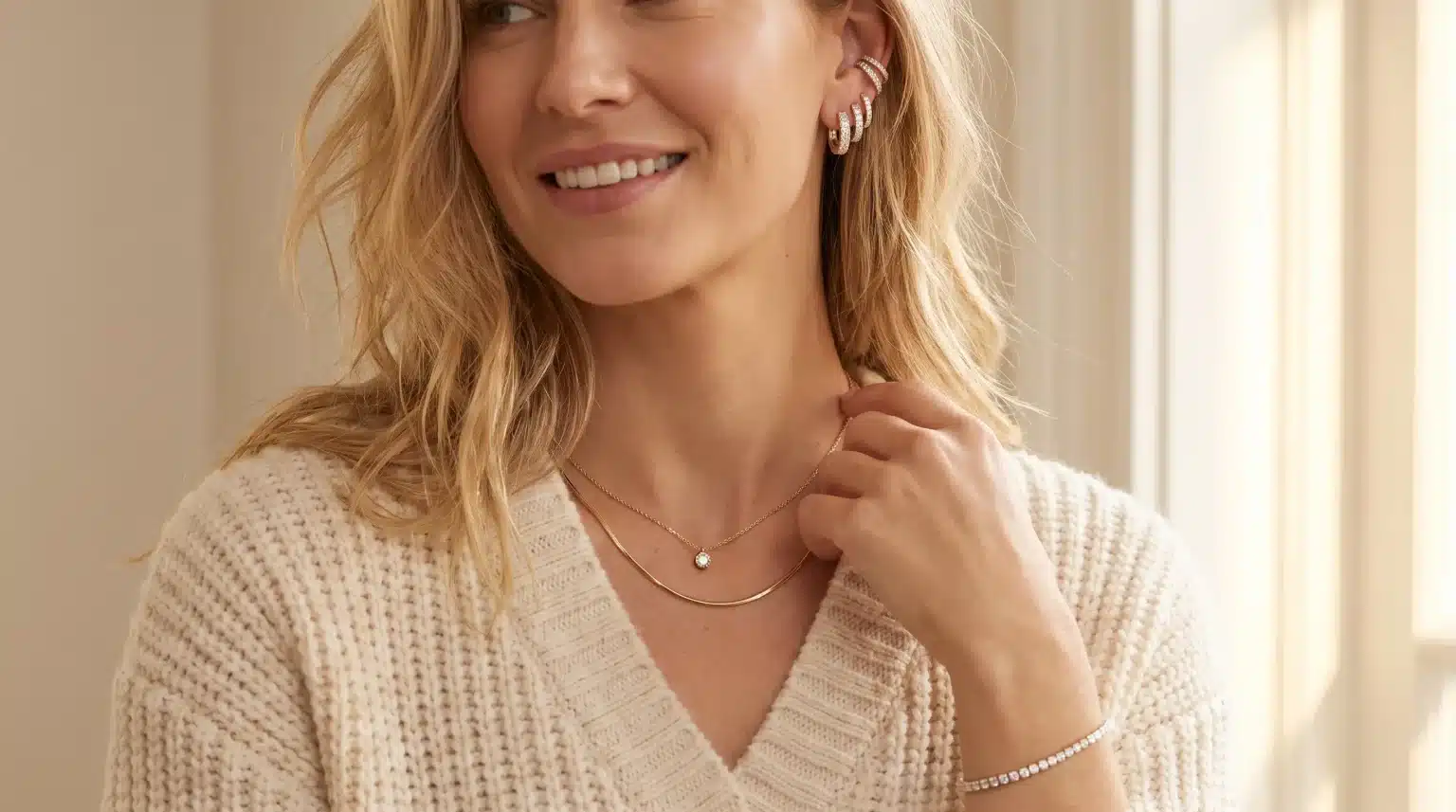
Diamonds have spent generations attached to a familiar set of occasions, including proposals, weddings and major anniversaries. Lab-grown diamonds are helping loosen those traditions by making diamond jewelry an option for a much broader range of styles and moments. Instead of thinking about diamonds as pieces that need a romantic reason to exist, shoppers can choose them because they love the look. A delicate diamond necklace can become an everyday staple, a tennis bracelet can travel with a casual wardrobe and a sparkling ear stack can make a simple outfit feel finished. The most interesting shift may be how naturally diamonds are moving into regular wardrobes.
Start With Your Own Style
There are plenty of arguments about whether lab-grown diamond engagement rings are the best because they can offer buyers more flexibility with size, quality and design for their budgets. Yet focusing only on engagement rings overlooks how versatile lab-grown diamonds can be. The same stones can appear in jewelry designed for birthdays, career milestones, vacations or absolutely no formal occasion at all.
Diamond studs are an obvious place to start, but they do not have to follow the traditional round solitaire formula. Bezel-set ovals, petite emerald cuts and pear-shaped studs add personality while remaining easy to wear. Multiple piercings create even more possibilities. A larger diamond stud can anchor the ear while tiny diamond huggies or delicate studs create a layered arrangement.
The key is choosing jewelry that already fits the way you dress. Someone who lives in jeans, knits and flats does not need formal diamond pieces waiting for a special event. Smaller, wearable designs can make diamonds part of the everyday uniform.
Layer Diamonds With Everything
Necklace layering has made it easier to wear diamonds without making them feel overly formal. A single diamond pendant can sit alongside a gold chain, charm necklace or another piece with sentimental meaning. The combination feels collected rather than overly coordinated, especially when chain lengths and textures vary.
Tennis necklaces have also escaped the black-tie category. They can work with a button-down shirt, simple black dress, cashmere sweater or even a well-cut T-shirt. Pairing one polished piece with relaxed clothing keeps the overall look modern.
Bracelets offer similar freedom. A slim lab-grown diamond tennis bracelet can share wrist space with a watch, gold bangle or friendship bracelet. Mixing materials prevents the diamonds from dominating the outfit. It also means jewelry does not have to be separated into rigid categories such as everyday and special occasions.
For travel, versatility becomes particularly useful. A small selection of jewelry that works across daytime sightseeing, dinner and dressier plans can reduce the urge to pack a separate accessory for every outfit. One adaptable diamond piece can do plenty of work.
Rethink the Statement Piece
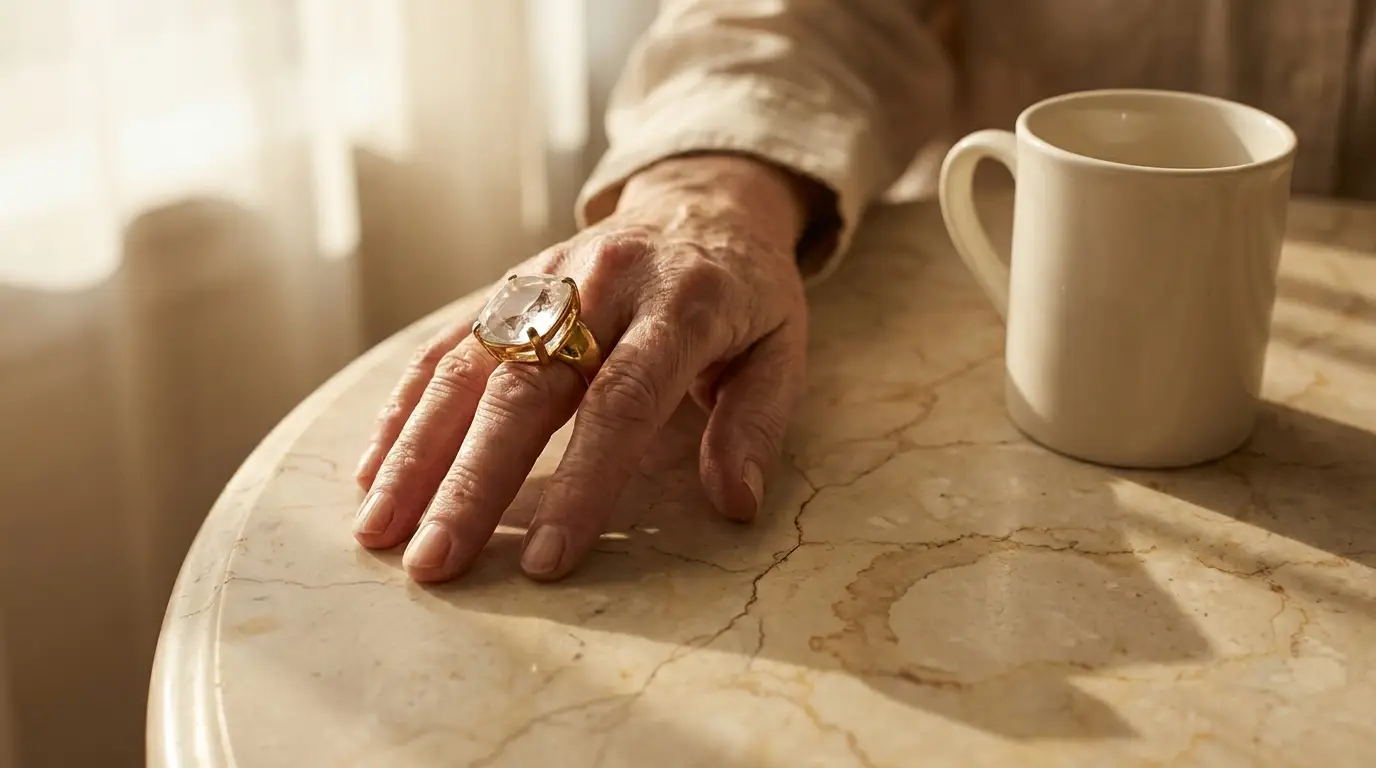
Lab-grown diamonds can also make a case for going bigger. Cocktail rings, substantial hoops, geometric earrings and bold pendants offer alternatives to the traditional engagement-ring-centered approach to diamond jewelry.
A diamond ring worn on the right hand, for example, does not need romantic symbolism attached to it. It can mark a personal achievement or simply be a piece someone wanted enough to buy. Signet-inspired rings with diamond details provide another option for people who prefer stronger shapes over delicate settings.
Larger earrings can be equally effective. Diamond hoops add movement and sparkle without requiring an elaborate outfit, while drop earrings can become the main accessory with a simple dress or tailored suit. Lab-grown diamonds can make designs involving multiple or larger stones available at prices that may differ considerably from comparable natural-diamond pieces.
Borrow From Bridal Design
Bridal jewelry remains an excellent source of design inspiration even when marriage has nothing to do with the purchase. Current engagement ring trends include bezel settings, east-west stones, mixed diamond shapes, yellow gold and chunkier bands. Those details translate easily into jewelry worn elsewhere.
An east-west emerald-cut diamond can become a striking pendant. Bezel-set diamonds work beautifully in bracelets because the surrounding metal creates a smooth, contemporary profile. Graduated stones can form a necklace, while mixed shapes can transform a pair of earrings into something more playful than matching round studs.
Stacking is another idea worth borrowing from bridal jewelry. Diamond bands do not have to sit beside an engagement ring. Several slim rings can be distributed across different fingers or mixed with plain gold bands. A diamond eternity band can also stand alone as a statement piece.
Looking beyond a design’s original category makes jewelry shopping far more interesting. A bridal-inspired piece does not need to stay bridal forever.
Make Diamonds Everyday Jewelry
The biggest change in diamond style may have less to do with the stones themselves and more to do with attitude. People increasingly mix precious jewelry with ordinary clothes rather than waiting for an outfit or occasion important enough to justify wearing it.
That approach makes practical sense. Jewelry earns its place in a wardrobe when it can move between settings without requiring much thought. Diamond studs can work during a flight and at dinner after landing. A pendant can stay on through several outfit changes. A bracelet can add polish without making comfortable clothes feel underdressed.
Lab-grown diamonds expand the possibilities because buyers can explore pieces beyond the traditional engagement ring. Wear them layered, stacked, mismatched or completely on their own. Diamonds do not need an invitation, anniversary or proposal to leave the jewelry box. Sometimes liking them is reason enough.