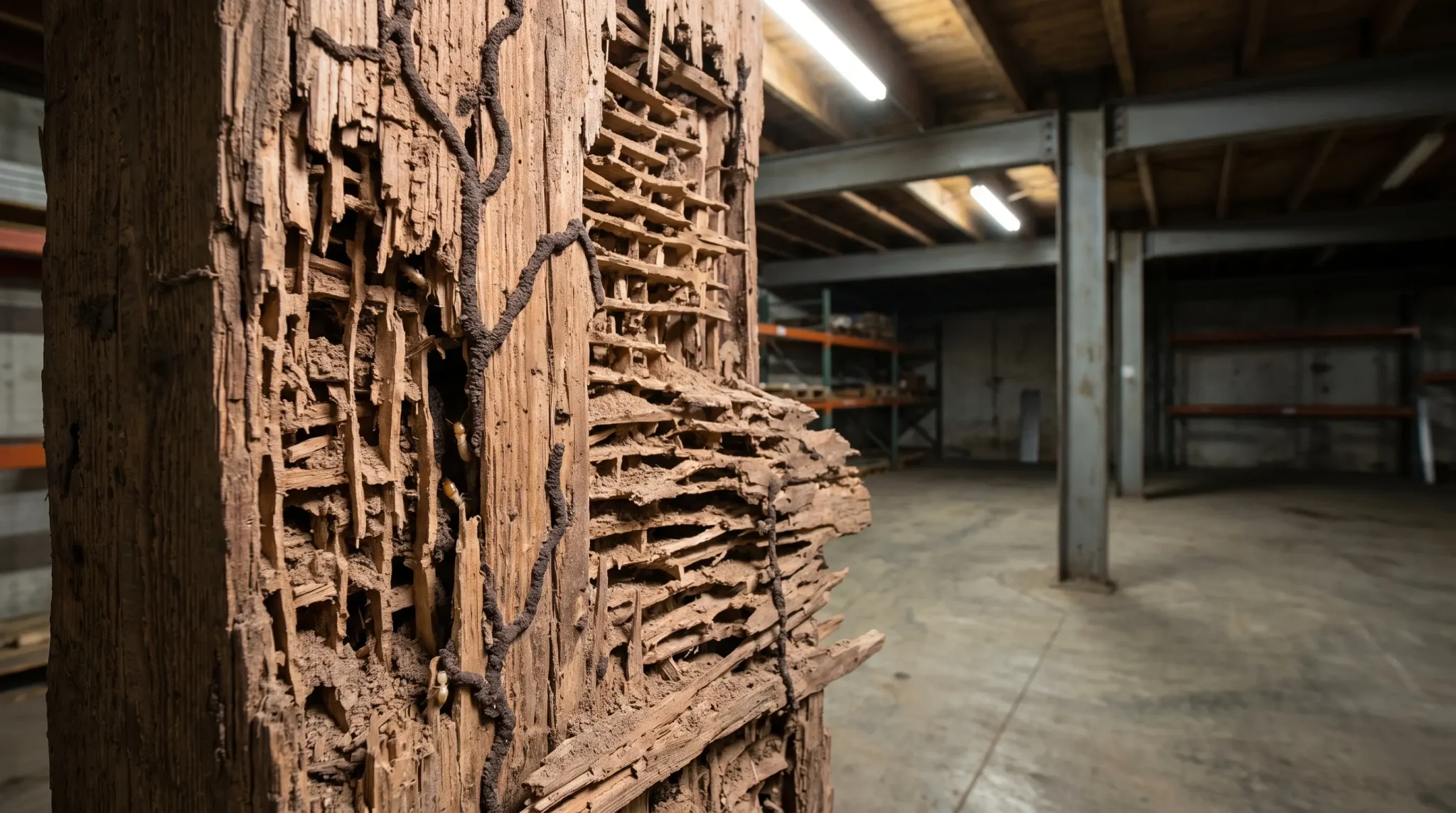

Termites are pests that could cause serious damages to homes and commercial buildings. Having this infestation could produce worse destruction and cause billions of dollars in structural damage each year. According to the U.S. Environmental Protection Agency (EPA) reports, property owners spend more than $2 billion annually on termite treatment.
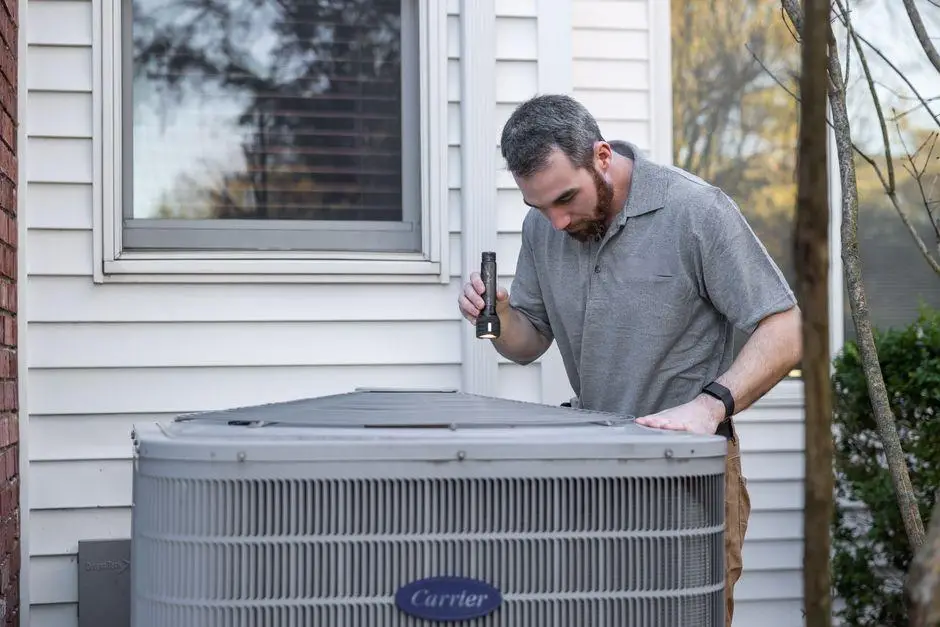
A termite inspection report can provide important evidence about the condition of a property. With this, you can learn the extent of an infestation and whether damage may have existed before a sale, lease, or insurance claim and serve as an important piece of evidence in determining the parties’ responsibilities. In some situations, a termite inspection letter may provide useful information for property owners, buyers, or other parties involved in a dispute.
Let’s take a closer look at how termite inspection reports can affect commercial property damage disputes.
Vague Inspection Terms Create Real Gaps in Coverage
The specific language in a termite inspection letter can limit what was actually inspected. Contracts that describe the inspection as covering only areas that are “visible” or “accessible” can leave crawl spaces, carpeted basement floors, and other higher-risk areas entirely unchecked, even though these are often exactly where subterranean termites first establish themselves.
A property owner relying on a letter with this kind of language may reasonably believe their building was fully inspected when significant portions were never actually examined.
Why This Matters More for Commercial Properties
A missed termite infestation in a commercial building, whether it’s a retail space, an office building, or a manufacturing facility, tends to produce damage on a larger scale than a typical residential case, both because of the size of the structure and because ongoing business operations often depend on the building remaining usable.
When an inspection letter’s limited scope allows termite damage to go undetected for years, the resulting structural repair costs, and the business interruption that comes with them, can be substantial.
Where Insurance Coverage Enters the Picture
Once termite damage in a commercial property becomes serious enough to require structural repair, business owners often turn to their commercial property insurance to help cover the loss.
A commercial property damage property resource notes that commercial property policies typically include building coverage and business personal property coverage, and that business income coverage can also help replace revenue lost while damage forces a temporary closure or reduced operations.
Whether termite damage falls within these coverages or gets treated as an excluded, gradually occurring loss often becomes a central point of dispute.
Insurers Frequently Push Back on Long-Developing Damage
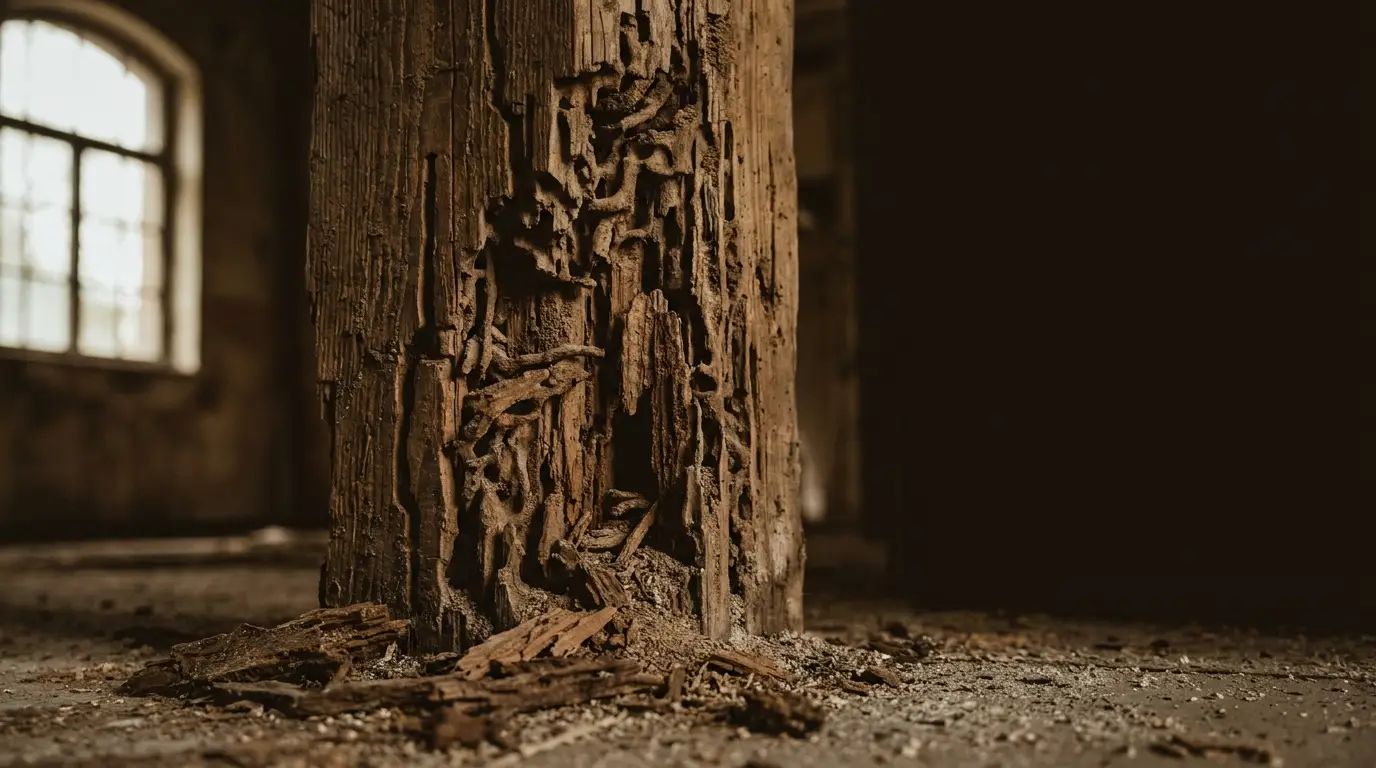
Termite damage develops slowly, which makes it a natural target for insurer pushback.
Some of the strategies employed by insurers in such cases include the underestimation of the real losses incurred, delay in the processing of claims, hoping that the businessman will be forced to accept the lower settlement amount, and outright rejection of the claim by claiming the loss to have been a pre-existing one.
Each of these tactics becomes harder for an insurer to sustain when a business owner can point to a termite inspection letter that used limiting language, since that letter itself becomes evidence of a documented but incomplete inspection process.
The Inspection Letter as Evidence in a Coverage Dispute
When a commercial property owner disputes an insurer’s denial or undervaluation of a termite damage claim, the original inspection letter often becomes a key piece of evidence.
If the letter contained qualifying words to show the scope of what had really been inspected, this document will serve as proof that the damage did not constitute an event that could have been known earlier by the owner, thus weakening the insurer’s claim that the loss is due to related maintenance.
Documentation Matters From the Moment Damage Is Discovered
Photographing and documenting the full extent of discovered termite damage, along with preserving the original inspection letter and any related pest control records, builds the foundation for a stronger claim regardless of which direction an insurer initially leans.
Clear documentation is important when a coverage dispute arises or a business owner needs to challenge a denied claim or an insufficient settlement offer.
Why Legal Guidance Often Becomes Necessary in These Cases
Disputes related to termite damage on commercial properties often require knowledge of two specializations: how standards for inspection in relation to pest control work and the claims procedures of an insurance company and its possible bad faith.
A business owner facing both a significant structural loss and pushback from their insurer benefits from legal representation that understands how the inspection letter’s specific language interacts with what the insurance policy actually covers.
Protecting Commercial Property From Both Sides of the Problem
Avoiding a costly termite damage dispute starts with scrutinizing the language in any inspection letter before treating it as a clean bill of health.
When damage appears despite a clear inspection, knowing how commercial property insurance should respond can help business owners understand their rights and seek fair compensation for their losses.