

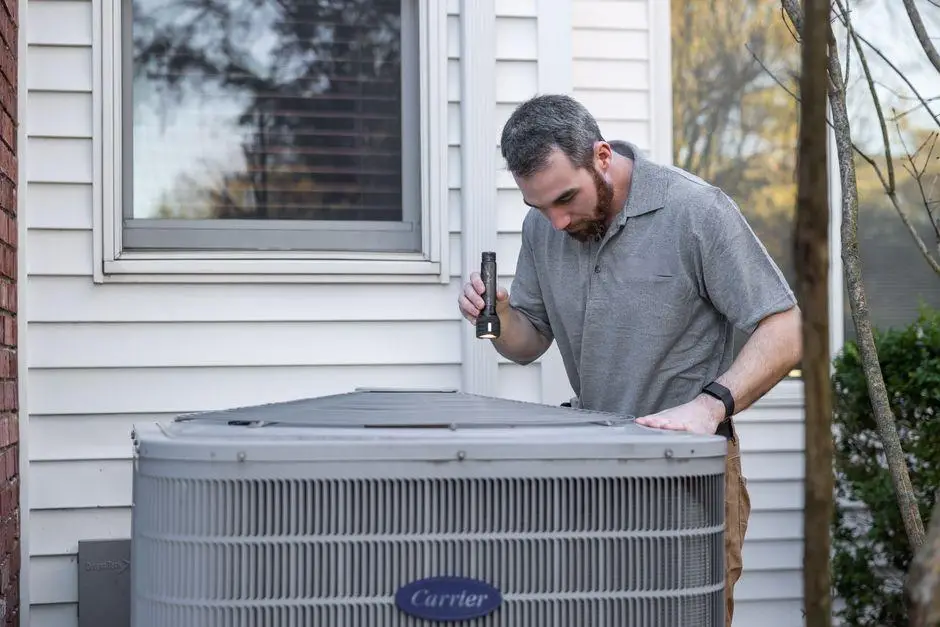
If you live in Westchase, you already know your air conditioner doesn’t get much time off. Between long humid stretches and those afternoons when stepping outside feels like opening an oven, your cooling system works hard almost year-round. That constant workload means small issues can build quietly before turning into expensive breakdowns. If you catch the warning signs early, you can avoid a sweaty surprise, protect your comfort, and keep repair costs from climbing.
Your AC Usually Warns You Before It Fails
Most air conditioners don’t stop working out of nowhere. They drop hints first, and those hints are easy to miss when your unit still produces some cool air. You might notice weaker airflow in one room, odd cycling patterns, or a thermostat reading that doesn’t match how the house feels.
Pay attention to changes in sound too. Rattling, buzzing, clicking, or a low grinding noise often points to loose parts, motor trouble, or electrical issues. Smells matter as well. A musty odor may suggest moisture buildup in the system, while a burnt smell can signal wiring trouble.
If you’re already comparing options for AC repair in Westchase, that usually means your system has moved beyond a minor annoyance. At that stage, speed matters because small faults love becoming larger invoices.
Weak Airflow Can Point to Several Hidden Problems
When your AC is running but your rooms still feel stale or warm, airflow is one of the first things to check. A clogged filter is the obvious suspect, and yes, it causes more problems than it gets credit for. A dirty filter restricts airflow, strains the blower, and can even affect coil performance.
If the filter looks fine, the issue could be a blocked duct, a failing blower motor, or frozen evaporator coils. None of those are problems you want to ignore while hoping your AC finds inner peace on its own.
Walk through your home and compare vent output from room to room. If one side of the house feels cool and the other feels forgotten, there may be a duct leak or balance issue. That matters for comfort, but it also affects energy use because the system keeps running longer to hit the thermostat setting.
Strange Temperatures Often Mean Your System Is Struggling
One of the clearest signs of AC trouble is inconsistency. Your thermostat says 72, but your bedroom feels like 78 and the hallway feels like a supermarket freezer aisle. That gap usually means your system isn’t cooling evenly or efficiently.
Short cycling is another red flag. If your unit turns on and off every few minutes, it could be overheating, dealing with a sensor issue, or operating with low refrigerant. Longer-than-normal run times also deserve attention. When your AC runs for ages without reaching the target temperature, something is off.
In Westchase homes, heat and humidity can make those performance issues feel even worse. A struggling system won’t just cool poorly. It may also leave the air damp and sticky, which makes your home feel uncomfortable even when the temperature number looks decent.
Moisture, Leaks, and Odors Are Not Cosmetic Issues
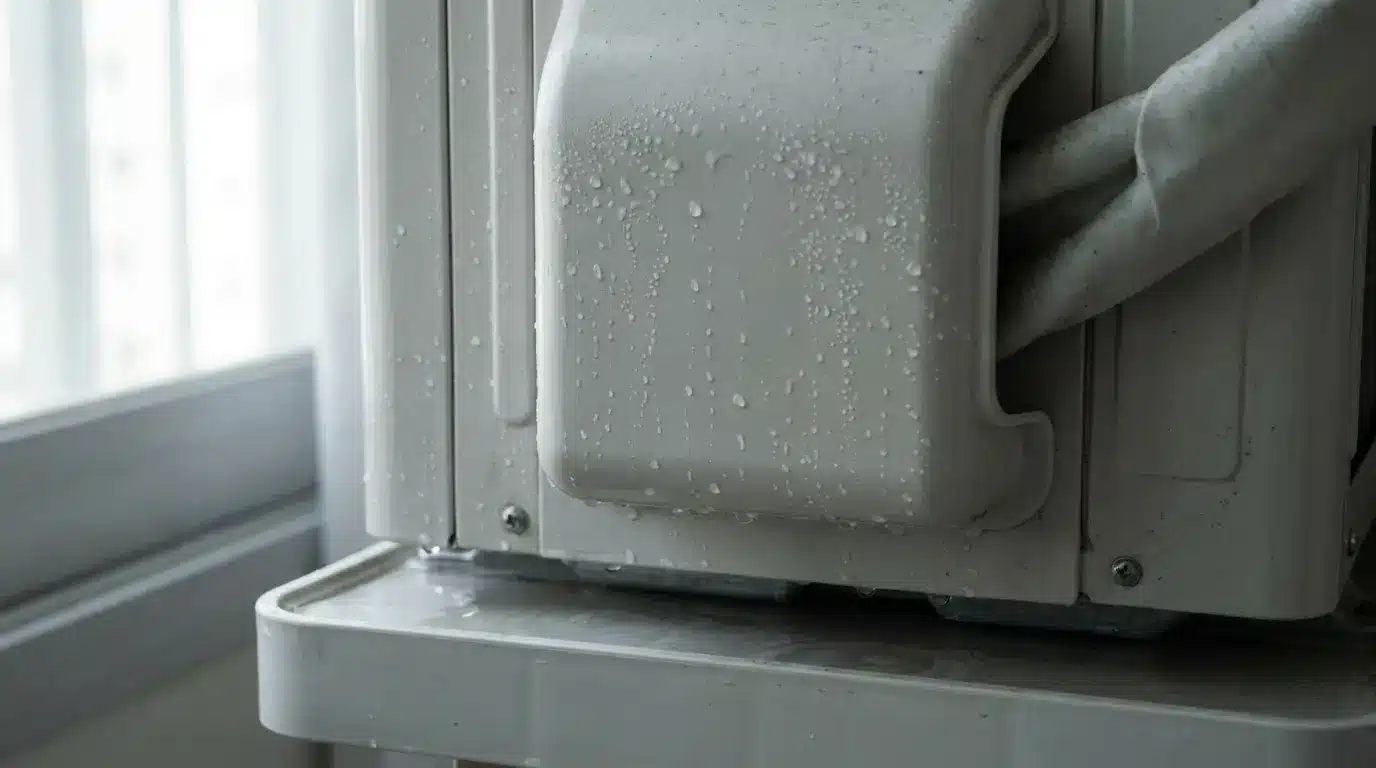
A little condensation around an AC unit may be normal. Pooled water, active dripping, or repeated moisture near the indoor unit is not. Those signs can point to a clogged condensate drain line, frozen coils, or drainage issues that may lead to water damage.
That’s where homeowners sometimes lose money twice. First, they delay the repair. Then they deal with damaged drywall, flooring, or mold growth. HVAC trouble has a way of inviting extra guests.
Odors deserve the same level of attention. Musty smells may indicate mold or mildew in the unit or ductwork. Sharp chemical smells can suggest refrigerant concerns. Electrical odors can hint at overheating components. None of those signals should get filed under “probably nothing.”
If your system smells unusual every time it starts, take that pattern seriously. AC performance and indoor air quality are closely linked, and poor air quality tends to make itself known at the worst possible time.
Your Energy Bill Can Reveal AC Problems Early
Your monthly utility bill is basically a performance review for your air conditioner. If your usage habits haven’t changed much but your bill suddenly jumps, your AC could be losing efficiency. That often happens when parts wear down, airflow gets restricted, or refrigerant levels fall below where they should be.
You don’t need to memorize kilowatt patterns like an energy analyst. Just compare recent bills to the same season last year. If costs rise sharply without a clear reason, your system may be working much harder than it should.
Age plays a role here too. Older units naturally lose efficiency over time, especially when maintenance has been inconsistent. Even if the AC still runs, it may be costing you more every week. Repairing worn components early can sometimes restore performance enough to delay a much bigger replacement decision.
A Quick Response Usually Saves Money and Stress
The best time to deal with AC trouble is when the symptoms are annoying, not catastrophic. Waiting until the unit stops cooling completely limits your options and usually raises the urgency, which no homeowner enjoys during a hot week.
A practical habit helps: check your filter monthly, listen for new sounds, glance at vents for airflow changes, and notice whether humidity levels feel off. Those simple observations can help you catch issues before they become system-wide problems.
When a technician inspects the unit early, they may find a failing capacitor, clogged drain line, worn contactor, or refrigerant issue before major components get damaged. That kind of timing can mean the difference between a manageable repair and a budget ambush.
If your AC has been acting differently for more than a few days, trust the pattern. Cooling systems rarely improve through neglect. Paying attention early keeps your home comfortable, your energy use steadier, and your chances of a midsummer breakdown much lower.
What to Remember Before the Next Heat Wave Hits
Your air conditioner rarely asks for attention politely. It speaks through noise, weak airflow, uneven temperatures, moisture, strange smells, and rising utility bills. The good news is that those signals give you a chance to act before the system quits altogether.
For you, the smartest move is staying observant and treating changes in performance like real maintenance clues, not background noise. In a place like Westchase, where cooling is less of a luxury and more of a survival strategy, waiting too long can turn a small repair into a major disruption.
Catch the signs early, get the system checked when something feels off, and you’ll give your AC a better shot at lasting through the hottest stretch of the year without drama.