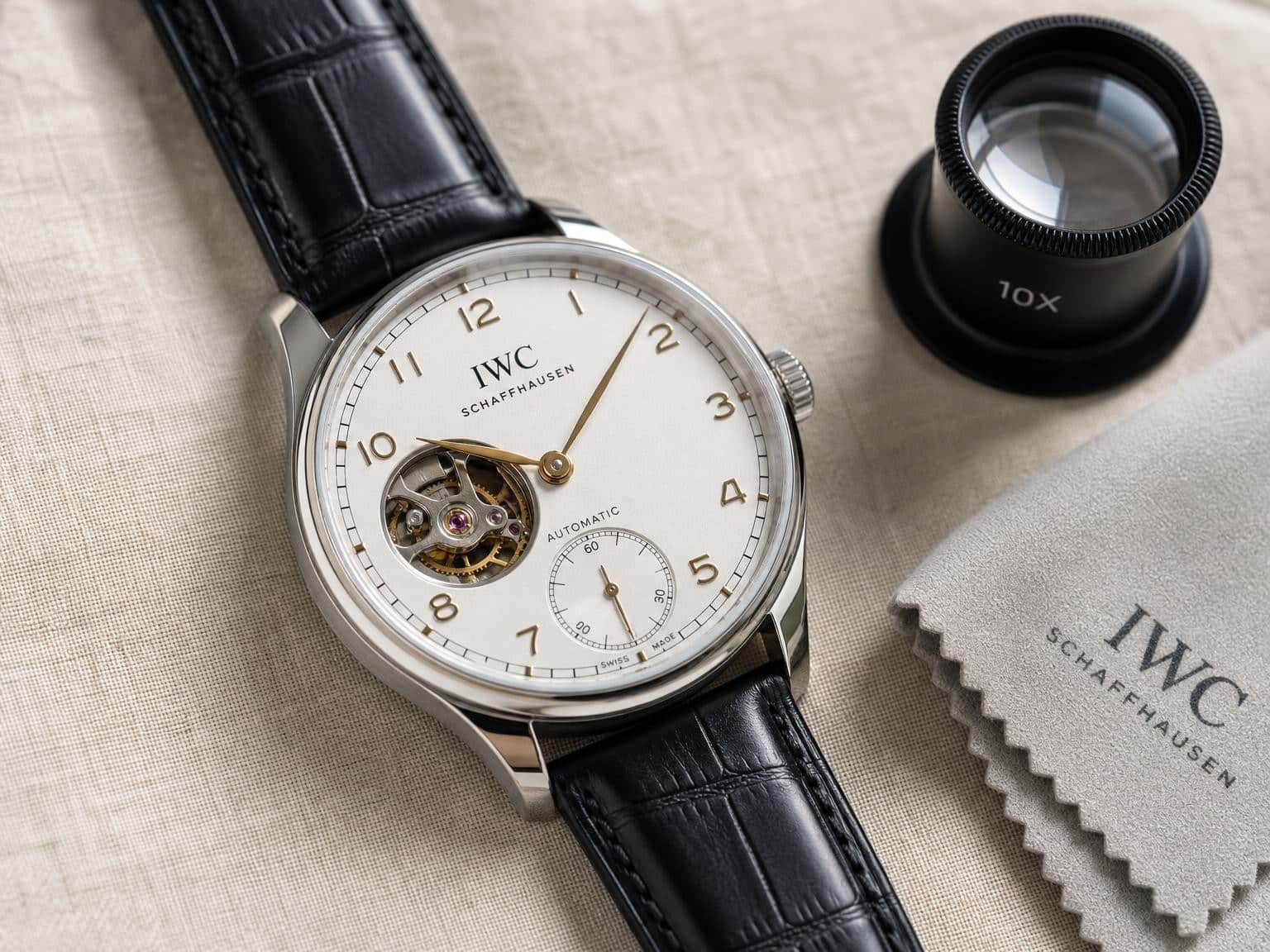
Choosing a mechanical watch involves far more than admiring a dial or recognizing a logo. Many shoppers start by browsing established categories—for instance, researching breitling watches to compare specifications across a well-known product line—before they fully grasp what actually sets one mechanical watch apart from another. This article isn’t an endorsement of any brand. It’s a framework for evaluating movement type, accuracy, durability, water resistance, servicing needs, and comfort objectively, so readers can make decisions based on measurable facts rather than marketing impressions.
Understand What a Mechanical Movement Does
A mechanical movement relies on a wound mainspring, a gear train, and an escapement to measure time, rather than a battery-powered quartz oscillator. Automatic movements wind themselves through wrist motion via a rotor, while manually wound versions need regular hand-winding to keep running. Mechanical watches offer traditional engineering and a tactile ownership experience, but quartz watches typically deliver superior accuracy with far less upkeep. Neither category is universally better—the right choice simply depends on what you value most.
Mechanical accuracy is affected by several variables: the watch’s position when stationary, temperature fluctuations, exposure to magnetic fields, physical shocks, and how consistently it’s wound. A small daily gain or loss—often just a few seconds—is normal and doesn’t signal a defect. A chronometer certification, such as the one issued by COSC (the Official Chronometer Testing Institute), indicates that a movement met a specific testing standard across multiple positions and temperatures, with certified mechanical movements typically required to stay within -4 to +6 seconds per day during testing. That said, this certification reflects laboratory performance, not a guarantee of identical results once the watch is on your wrist day to day.
Evaluate Specifications Without Getting Distracted by Marketing
Case diameter, lug-to-lug length, and thickness all determine how a watch actually sits on the wrist. A large case might look striking in photographs but feel cumbersome under a dress shirt cuff or during manual work. One practical way to judge fit before buying is to compare the new watch’s measurements against one you already wear comfortably.
Crystal material matters too. Acrylic crystals resist shattering and can be polished to remove scratches, but they scratch more easily than other materials. Mineral glass offers moderate scratch resistance at a lower cost. Sapphire crystal resists scratching exceptionally well, though it can be more prone to cracking under a sharp, direct impact. Case materials vary just as much: stainless steel balances durability and cost, titanium cuts down on weight, ceramic resists scratching but can chip, and precious metals demand more careful handling overall.
Water resistance is a tested condition at the time of manufacture or service—not a permanent attribute that lasts forever. Ratings expressed in meters, feet, or ATM should be interpreted according to the manufacturer’s specific guidance, and crowns or pushers should never be operated underwater unless the watch is explicitly designed for that use. Seals degrade over time and can be compromised by impacts, chemical exposure, salt water, or case openings during service, which is exactly why manufacturers generally recommend periodic resistance testing.
Before buying, consider checking: case dimensions, crystal type, water-resistance rating, movement type, power reserve, and available service support.
Consider the Watch’s Intended Use
An everyday watch should prioritize legibility, comfort, resistance to incidental shocks, and ease of cleaning—matched to your actual routine rather than some aspirational lifestyle. A formal or occasional-use watch might favor slimness and refined materials, but it requires attention to proper storage and winding when not worn regularly, since prolonged inactivity can affect lubrication and accuracy.
Travelers face a different set of considerations: frequent time-zone changes, proximity to electronic equipment with magnetic fields, temperature swings, and potential water exposure. Carrying service records and using a protective travel case can reduce risk along the way. A frequent traveler and someone who wears a watch primarily at a desk have genuinely different needs, even if they own similar models.
Build a Responsible Maintenance Routine
Daily care includes avoiding strong magnets and unnecessary impacts, rinsing water-resistant watches with fresh water after salt water exposure, and keeping cosmetics or household chemicals away from the case and strap. Storing the watch in a dry, stable environment goes a long way toward preserving its condition.
Watch for warning signs that professional service may be needed: sudden timekeeping changes, reduced power reserve, difficulty winding, moisture under the crystal, a loose crown, or unusual sounds. Service intervals vary by construction, usage, and manufacturer recommendation, so there’s no single universal schedule—always consult manufacturer documentation first. That said, water-resistance checks and full overhauls are typically suggested at multi-year intervals by many manufacturers.
Key takeaway: Mechanical accuracy varies with conditions, water resistance requires ongoing attention, and thorough service history combined with qualified maintenance supports long-term reliability.
Assess Documentation, Condition, and Long-Term Ownership Costs
Useful records include the purchase receipt, warranty paperwork, service history, reference number, and original accessories. Missing documentation doesn’t automatically mean the watch is defective, but it can complicate verification down the road.
Total cost of ownership extends well beyond the purchase price to include servicing, strap replacement, water-resistance testing, and potential repairs. Comparing parts and service availability before buying helps you avoid headaches later. When evaluating sellers, look for clear condition descriptions, defined return policies, and accurate photographs that distinguish new, pre-owned, refurbished, and serviced items.
Common Mistakes to Avoid
- Selecting a watch based solely on brand recognition or appearance
- Treating a water-resistance rating as unlimited permission for any water activity
- Assuming identical accuracy standards apply to every mechanical watch
- Overlooking case thickness or bracelet fit
- Attempting repairs or demagnetizing without proper tools
- Delaying service once moisture appears under the crystal
- Skipping verification of warranty terms and service history
A Practical Decision Framework
Before purchasing, ask yourself: How often will the watch be worn? What environments will it face? Which dimensions actually feel comfortable? What accuracy and functions are truly necessary? Can service and replacement parts be reliably accessed? Building a simple comparison table—covering movement type, case dimensions, crystal, water resistance, power reserve, service considerations, and ownership cost—can clarify which model best matches your daily habits.
Choose for Fit, Function, and Verifiable Quality
Informed ownership means matching specifications to real use, not prestige. Mechanical watches require realistic expectations about accuracy, water resistance, and servicing. Always verify technical claims through manufacturer documentation and qualified watchmakers. Before any purchase or service appointment, draft a short checklist covering fit, intended use, documentation, and maintenance—because a well-chosen watch should be comfortable, properly specified, and backed by verifiable information, not selected on marketing appeal alone.