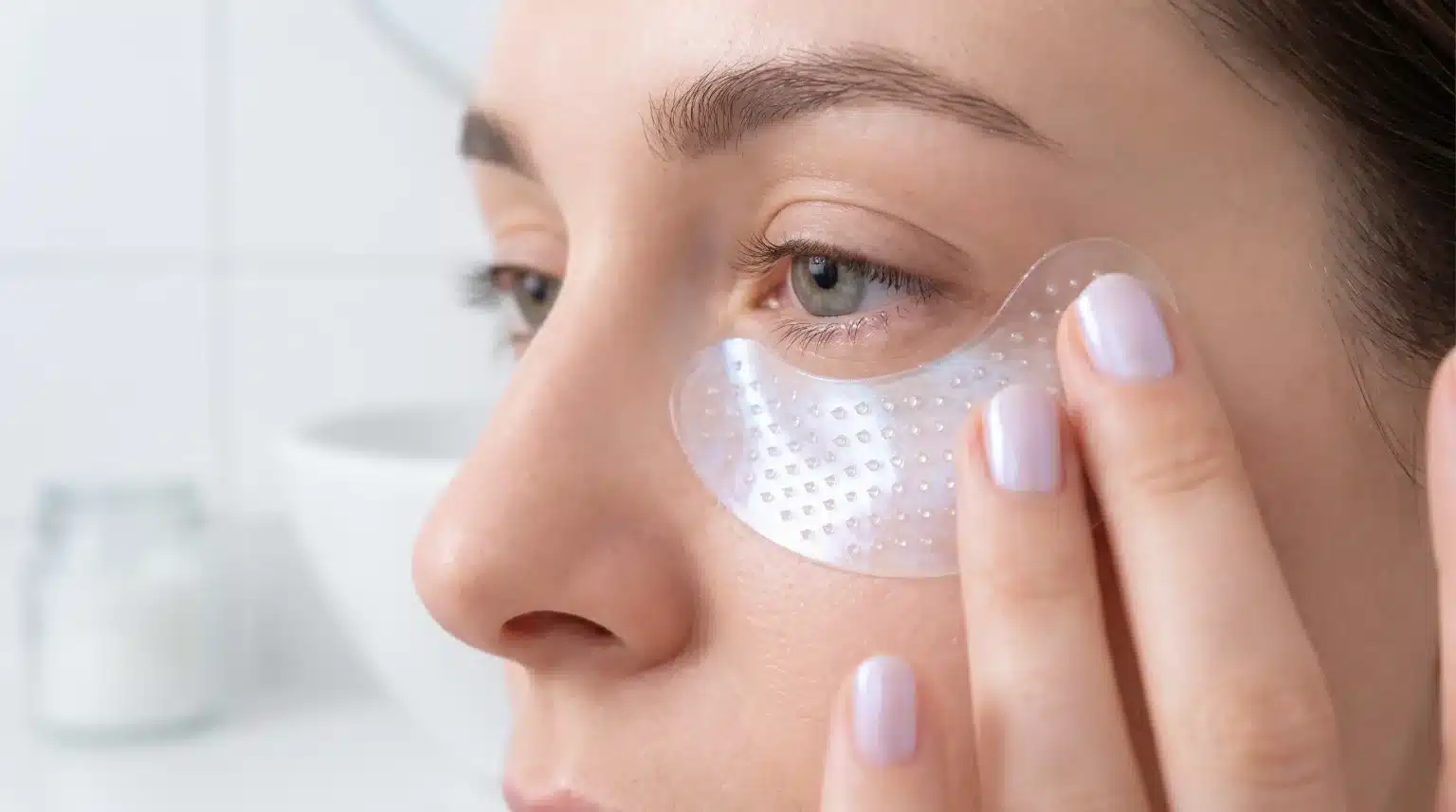
The under-eye area is one of the first places where many people notice visible changes in their skin. Fine lines, dryness, dullness, puffiness, and changes in texture can become noticeable even when the rest of the face still appears relatively smooth. Because the skin around the eyes is delicate, consumers often look for treatments specifically designed for this area rather than applying the same intensive products used elsewhere on the face.
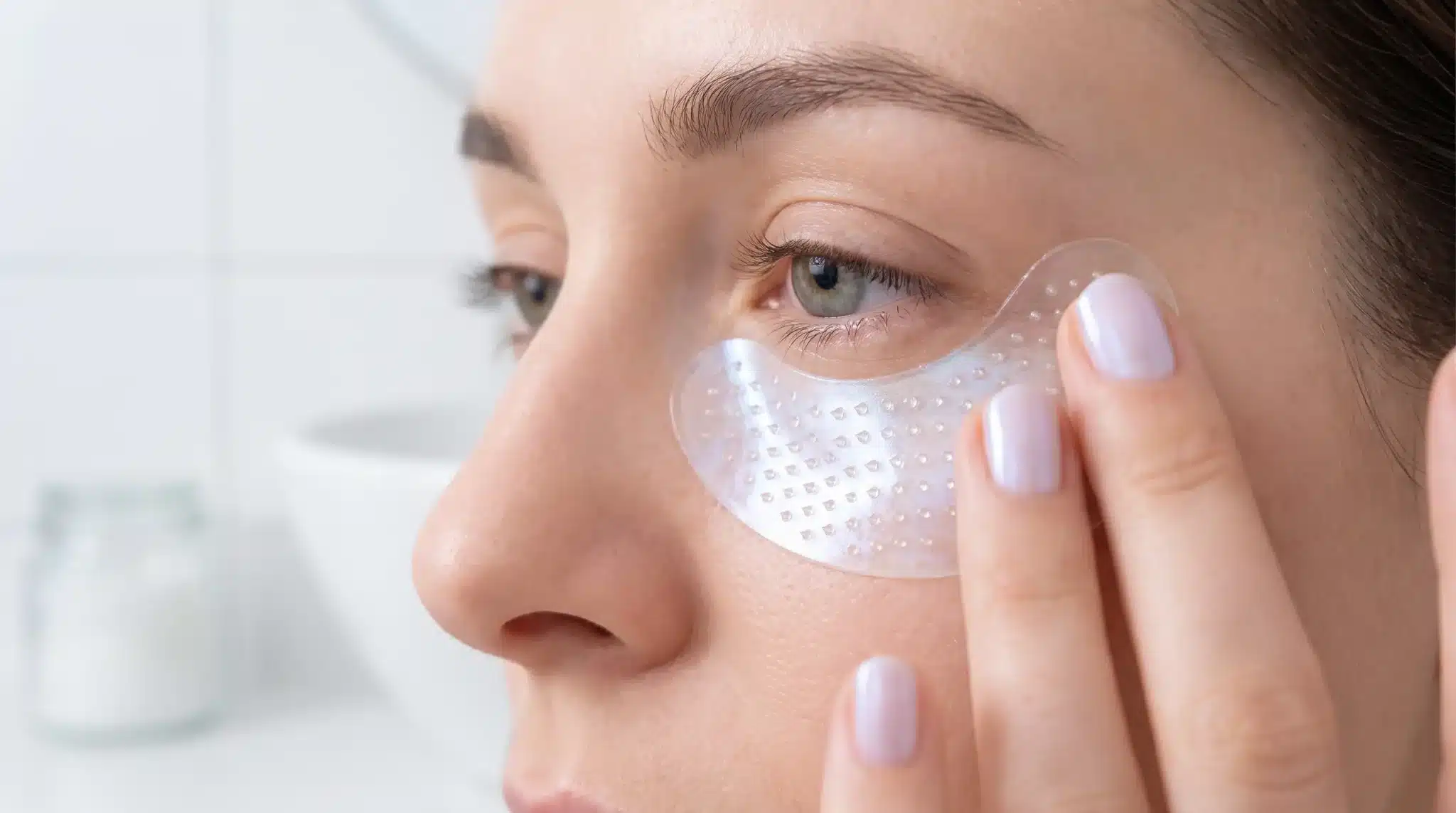
Traditional hydrogel and sheet-style eye patches mainly work by holding cosmetic ingredients against the surface of the skin for a period of time. A modern microneedle eye patch introduces a different concept by incorporating tiny dissolving or microstructured projections into the patch itself. These structures are designed to make close contact with the skin while delivering skincare ingredients in a highly targeted way, creating an approach that feels more technologically advanced than a conventional under-eye mask.
Why the Under-Eye Area Needs Special Attention
The skin around the eyes is thinner and more delicate than many other areas of the face.
It is also constantly moving.
Blinking, smiling, squinting, and other facial expressions repeatedly fold the skin, which helps explain why fine lines can become noticeable around the eyes.
The area also contains less of the natural structural support present in thicker facial regions.
For this reason, heavy pressure, aggressive exfoliation, and products not designed for the eye area may cause irritation.
Targeted products allow consumers to treat the region more carefully.
What Are Microneedle Patches?
Despite the name, microneedle patches differ considerably from traditional microneedling devices.
Instead of using a roller or powered pen, the small structures are integrated directly into the patch.
Depending on the technology, these microstructures may contain ingredients that gradually dissolve when pressed against the skin.
The patch holds them in position for a defined treatment period.
This means the user does not continuously move needles across the skin.
The experience is generally designed to be localized and controlled.
How Are They Different From Regular Eye Patches?
Conventional eye patches usually sit directly on the surface of the skin.
They may contain humectants, botanical extracts, peptides, or other cosmetic ingredients.
Their occlusive effect can help keep the area hydrated while the patch is worn.
Microneedle-style patches add a structural element.
Tiny projections increase the level of contact between the treatment and the skin.
For consumers interested in more advanced skincare technology, this makes the experience noticeably different from simply placing a gel mask beneath the eyes.
What Concerns Are They Designed For?
Under-eye micro-infusion patches are commonly considered by consumers concerned about:
- visible fine lines;
- dryness;
- tired-looking skin;
- uneven under-eye texture;
- a lack of smoothness;
- dull appearance.
It is important to understand that not every under-eye concern has the same cause.
Dark circles, for example, may result from pigmentation, visible blood vessels, facial anatomy, shadows, genetics, allergies, lack of sleep, or combinations of several factors.
A cosmetic patch cannot necessarily address every underlying reason.
Similarly, prominent under-eye bags caused primarily by anatomy or fat distribution should not be expected to disappear because of a topical treatment.
Realistic expectations are essential.
How to Prepare the Under-Eye Area
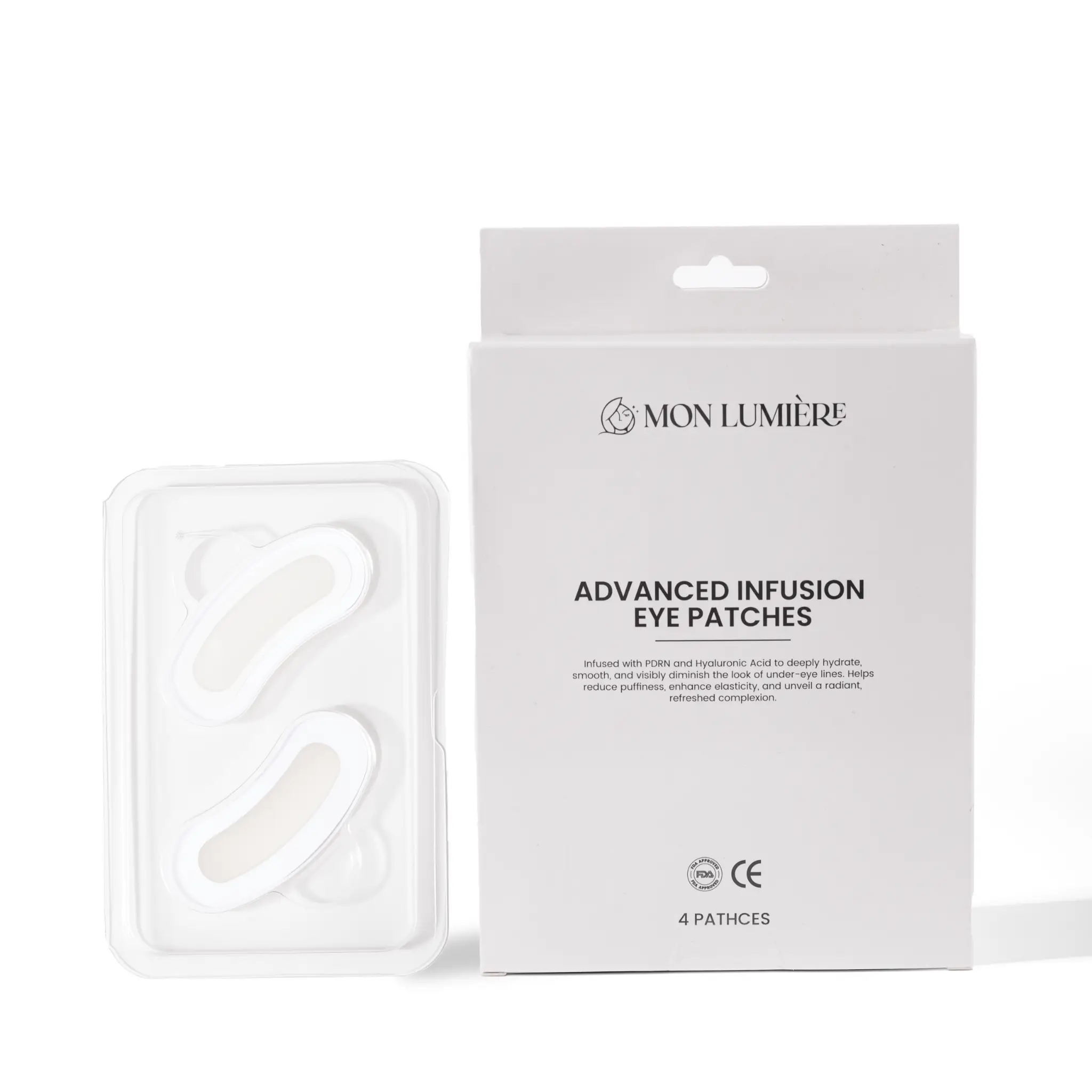
The skin should generally be clean and dry before applying a patch unless the product instructions state otherwise.
Makeup, concealer, sunscreen, and oily skincare can interfere with adhesion.
Hands should be clean before touching the patches.
Users should avoid applying them over irritated, broken, or inflamed skin.
Because positioning matters, it is useful to look carefully in the mirror before pressing the patch into place.
The microstructured section should align with the intended treatment area while remaining an appropriate distance from the eye itself according to the instructions.
Why Gentle Pressure Matters
Microneedle patches generally require pressure to ensure proper contact.
However, pressing aggressively is unnecessary.
The eye area is delicate.
Users should follow the recommended method rather than repeatedly pushing or rubbing the patch.
Once positioned correctly, the patch should usually remain relatively undisturbed during the treatment period.
This is different from facial massage tools that are continuously moved across the skin.
Treatment Time and Frequency
Treatment time varies between products.
Some patches are intended for shorter sessions, while others may remain in place for an extended period.
Users should follow product-specific guidance rather than deciding that wearing them twice as long will automatically create stronger effects.
The same applies to frequency.
Skincare often rewards consistency, but consistency does not mean overuse.
If the skin begins to feel irritated, unusually dry, or uncomfortable, the routine should be reassessed.
Ingredients Matter
The technology of the patch may receive most of the attention, but the ingredients remain important.
Hydrating ingredients can help the under-eye area appear smoother and more refreshed.
Other formulas may include peptides or ingredients selected for anti-aging cosmetic routines.
Consumers with sensitive skin should examine ingredient lists carefully, particularly if they have reacted to eye products in the past.
A sophisticated delivery system does not automatically make every ingredient appropriate for every person.
What to Expect After Removal
Immediately after removing an eye patch, the skin may appear temporarily smoother or more hydrated.
Some people may also notice slight impressions from the patch, depending on its design and how firmly it was applied.
These generally should not be confused with permanent results.
Longer-term cosmetic improvements require repeated, appropriate use.
Photographs taken every few weeks can help users determine whether the treatment is making a meaningful difference.
Microneedle Patches Versus Eye Cream
These products do not necessarily need to compete.
An eye cream may be used as part of a regular daily routine, while microneedle patches may be reserved for scheduled treatments.
The two approaches serve different purposes.
Eye creams are easy to apply every day.
Patches provide a more concentrated and treatment-focused experience.
Some users may prefer one method, while others may combine both according to product directions.
Microneedle Patches Versus Professional Treatments
Professional aesthetic treatments can address the eye area using technologies and techniques that differ substantially from home patches.
Depending on the concern, professionals may discuss microneedling, lasers, injectables, chemical treatments, or other procedures.
A consumer eye patch should therefore not be viewed as an equivalent substitute for every professional treatment.
Its major advantages are convenience, accessibility, and the ability to incorporate targeted care into a home routine.
When to Be Cautious
People with active irritation, eczema around the eyes, infections, open skin, severe sensitivity, or other dermatological conditions should be cautious with any microstructured treatment.
Anyone who has recently undergone an aesthetic procedure around the eyes should follow the aftercare instructions provided by their practitioner before introducing another treatment.
If unusual swelling, persistent discomfort, or another concerning reaction occurs, use should be discontinued and professional guidance may be appropriate.
A Targeted Approach to Eye Care
The popularity of microneedle eye patches reflects a larger trend toward targeted skincare.
Instead of applying the same product to the entire face, consumers increasingly select treatments according to the characteristics of specific areas.
The under-eye region is particularly suited to this approach because its skin is delicate and its concerns are often different from those affecting the forehead, cheeks, or chin.
Micro-infusion-style patches combine convenience with an innovative delivery format, making them appealing to people who want to add more advanced technology to their eye-care routine.
They are not magic patches capable of eliminating every line, shadow, or bag overnight. Their value lies in providing a focused, structured treatment that can complement daily skincare.
As with any beauty technology, the best results are most likely to come from realistic expectations, careful use, appropriate frequency, good sun protection, and an overall routine designed around the needs of the skin.