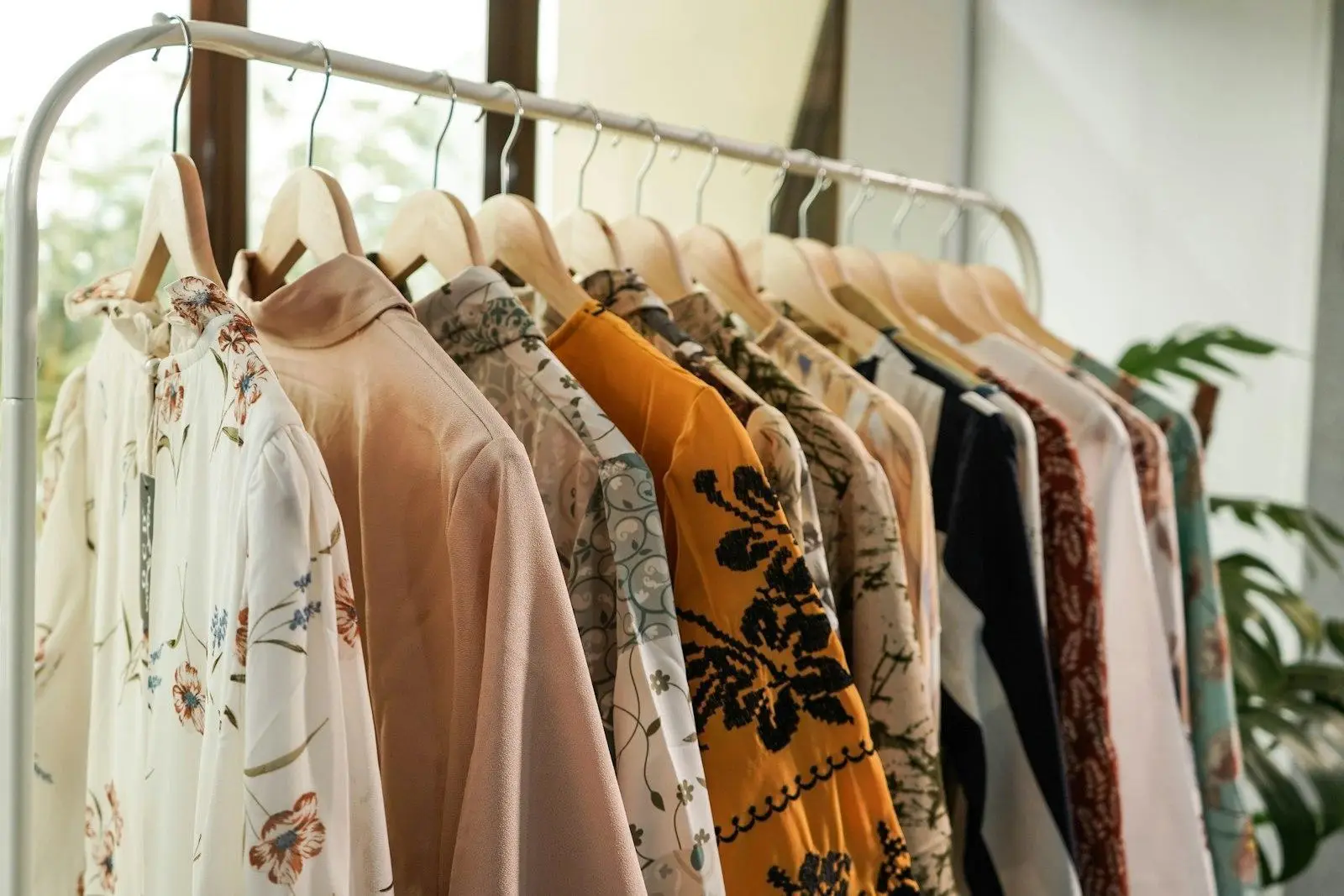
Having a wardrobe full of clothes doesn’t always mean having something suitable to wear. You might own dozens of shirts, several pairs of jeans and plenty of shoes, yet still struggle to put together an outfit. Often, the problem isn’t a lack of clothing. It’s that many of those pieces don’t work well together.
Building a versatile wardrobe means choosing clothes that suit your lifestyle, complement each other and remain useful beyond one season. You don’t need expensive designer labels or a complete closet makeover to achieve this. With some planning and a better understanding of your spending habits, you can develop a clothing collection that looks good without putting unnecessary pressure on your finances.
Start by Understanding What You Already Own
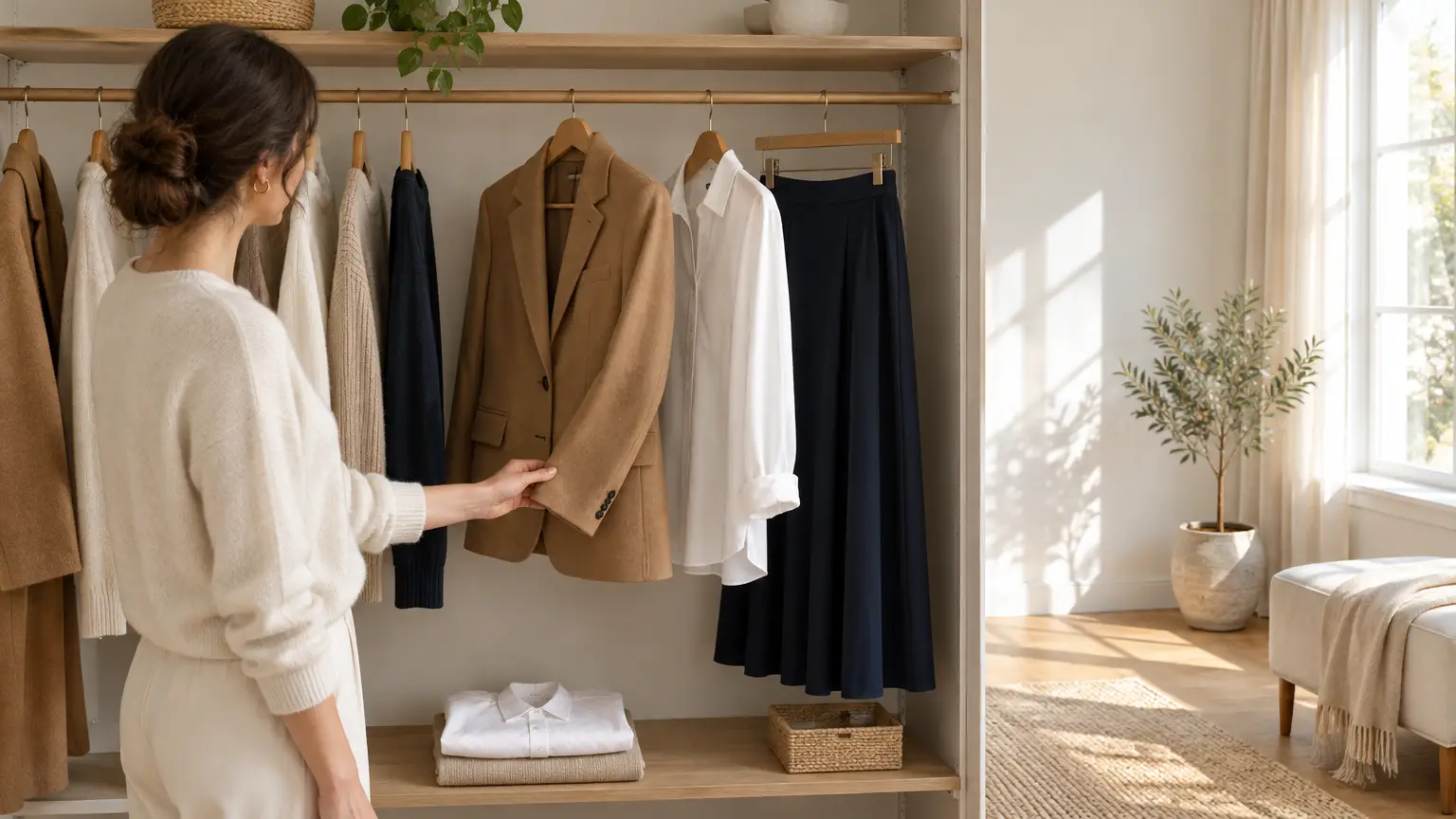
Before shopping for anything new, spend some time reviewing your current wardrobe. Take everything out of your closet and look at each item individually. You might discover clothes you forgot about or realize that several pieces serve practically the same purpose.
Separate your clothing into categories such as everyday essentials, workwear, seasonal items and special occasion outfits. Pay attention to what you actually wear rather than what you hope to wear someday.
For example, if you work from home most days, owning ten formal shirts might not make sense. A few comfortable, presentable options could be more practical.
Try creating different outfits using only the clothes you already have. This exercise helps identify which pieces are genuinely missing and which purchases would simply add to the clutter.
You may find that one neutral jacket or a comfortable pair of shoes would make several existing outfits more useful.
Focus on Clothing That Works in Different Situations
Versatility is one of the most important qualities to consider when buying clothes. An item that works with several outfits usually offers better value than something you can wear only occasionally.
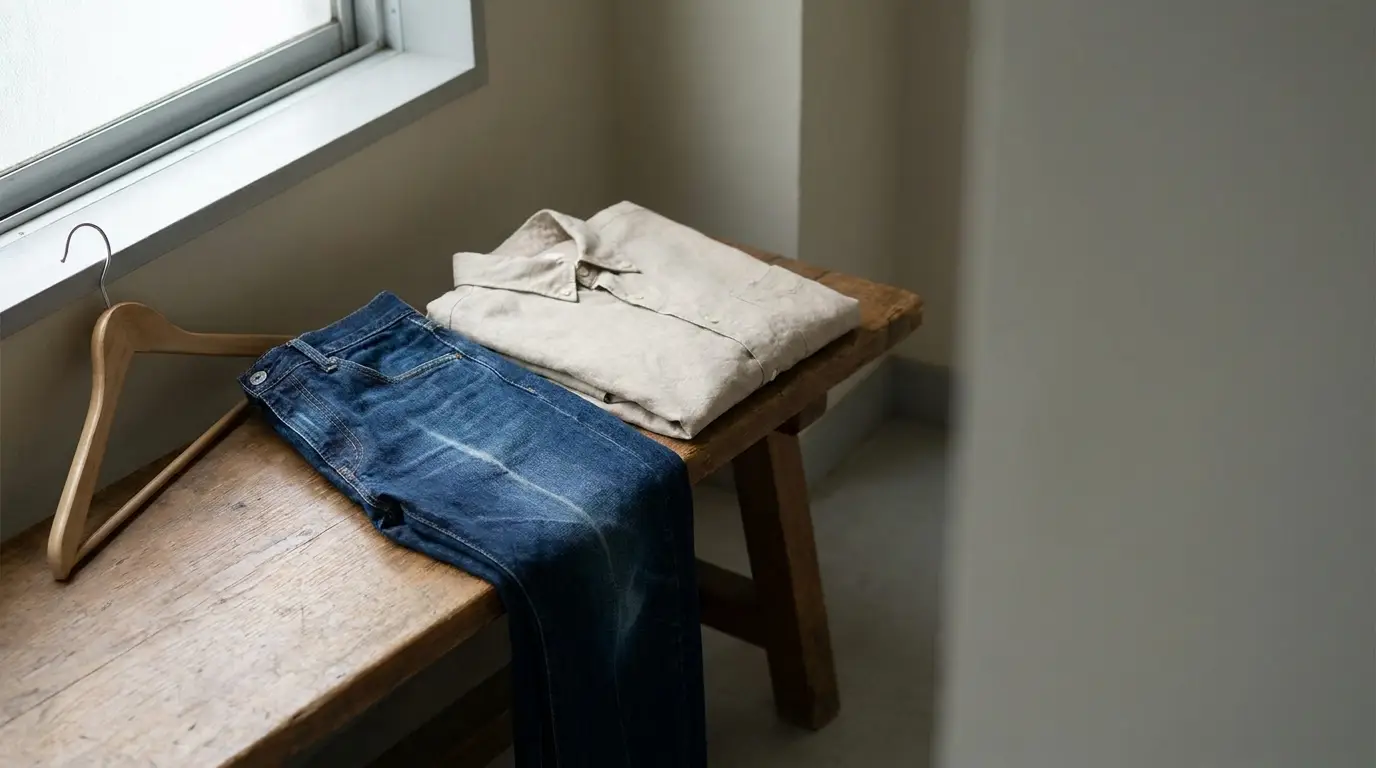
Think about a well-fitting pair of dark jeans. Depending on how you style them, they can work for casual weekends, dinner outings or a relaxed office environment.
The same principle applies to other wardrobe essentials. A simple button-down shirt can be worn with tailored trousers, layered over a T-shirt or paired with jeans.
When choosing new pieces, consider whether they can be worn in at least three different outfits using clothes you already own.
Neutral colors such as black, navy, gray, beige and white often make outfit coordination easier. However, that doesn’t mean your wardrobe needs to look dull. You can still include brighter colors, patterns and accessories that reflect your personality.
The goal is to create a collection where most items complement each other rather than compete for attention.
Choose Quality Based on Use, Not Price
Expensive clothing isn’t automatically better, and affordable clothing isn’t necessarily poor quality. The more useful approach is to examine how an item is made and how frequently you expect to wear it.
Look closely at stitching, fabric texture, buttons and zippers. Check whether seams appear secure and whether the material feels appropriate for its intended purpose.
A $70 sweater worn twice a week may offer better long-term value than a $25 sweater that loses its shape after a few washes. On the other hand, spending hundreds of dollars on something you rarely wear may not be worthwhile.
One way to evaluate a purchase is by calculating its cost per wear. If a $100 jacket gets worn 50 times, its cost per wear is $2. A $40 jacket worn only five times costs $8 per wear.
You should also consider maintenance. Clothing that requires expensive dry cleaning or special care can increase your overall spending.
For practical guidance on reducing unnecessary purchases, Consumer Reports offers information about product quality, shopping decisions and getting better value for your money.
Set a Clothing Budget That Supports Your Financial Goals
Building a useful wardrobe should never come at the expense of essential financial responsibilities. Before making purchases, decide how much money you can comfortably dedicate to clothing each month.
Start by reviewing your regular expenses, including housing, groceries, transportation and savings. Once those priorities are covered, determine what amount makes sense for your wardrobe.
You don’t necessarily need to spend your entire clothing allowance every month. Instead, consider setting aside money for future purchases, especially when replacing more expensive essentials such as winter coats or everyday footwear.
For example, saving $30 each month gives you $180 after six months. That amount could help cover a quality jacket or several practical wardrobe additions without disrupting your regular expenses.
Keeping this money separate from your everyday spending can make planning easier. Some people use a dedicated savings account through an online bank to organize money for specific goals, including planned clothing purchases.
This approach also reduces the temptation to use credit for purchases that aren’t immediately necessary.
The key is to treat clothing as a planned expense rather than something you buy whenever an appealing sale appears.
Shop Strategically Instead of Chasing Discounts
Sales can help you save money, but only when you’re purchasing something you genuinely need. Buying an unnecessary item at 50% off still means spending money you could have kept.
Before purchasing discounted clothing, ask yourself whether you would consider buying the same item at its regular price. If the answer is no, the discount might be influencing your decision more than the clothing itself.
It’s also worth exploring secondhand stores, consignment shops and reputable online resale platforms. These places sometimes offer well-made clothing at significantly lower prices than traditional retailers.
Shopping outside peak seasons can produce savings, too. Winter coats may become more affordable toward the end of winter, while summer clothing often receives markdowns as temperatures begin to fall.
However, be careful about purchasing items too far in advance. Your preferences, needs and even clothing sizes may change.
A written shopping list can help you stay focused. Keep track of the specific items missing from your wardrobe and prioritize those that would make the biggest difference.
Learn How to Make Clothes Last Longer
Taking proper care of your clothing is one of the simplest ways to reduce wardrobe expenses.
Start by reading the care labels. Different fabrics require different washing temperatures, drying methods and storage conditions. Following those instructions can help prevent shrinkage, fading and unnecessary wear.
You don’t need to wash every garment after a single use, provided it remains clean and fresh. Some items, particularly jeans and outer layers, can often be worn several times between washes.
Using cold water when appropriate and avoiding excessive heat during drying may also help certain fabrics maintain their condition.
Small repairs can make a difference. Replacing a missing button, fixing a loose seam or removing fabric pills can extend the life of clothing that might otherwise be discarded.
Storage matters as well. Fold sweaters that could stretch on hangers and keep delicate items away from rough surfaces that might damage them.
These habits require relatively little effort but can reduce how often you need to replace your favorite pieces.
Build Your Wardrobe Gradually
You don’t have to replace everything in your closet to create a more functional clothing collection. In fact, making too many purchases at once can lead to rushed decisions and unnecessary spending.
Start with one or two items that fill genuine gaps. Wear them regularly and observe how well they work with your existing clothes before buying anything else.
Over time, you’ll develop a better sense of which purchases provide lasting value and which ones aren’t worth repeating.
A versatile wardrobe isn’t defined by the number of items you own or how much you’ve spent on them. It’s about having clothes that fit your needs, work well together and make getting dressed easier.
By purchasing thoughtfully, caring for what you own and keeping your financial priorities in mind, you can enjoy a practical, stylish wardrobe without constantly spending money to maintain it.