


Say the words “root canal” and watch people flinch. It has become our go-to shorthand for misery, the thing we measure tax returns and traffic jams against. Here is the twist: the reputation belongs to a version of the treatment that barely exists any more. Modern dentistry quietly overhauled it decades ago, and almost nobody got the memo. The gap between what people dread and what actually happens in the chair is one of the widest in healthcare, and it is costing people their teeth.
Where the Fear Came From
The dread is inherited, not experienced. Most people who wince at the words have never had the treatment; they have absorbed the reputation from parents, sitcoms and the general folklore of the dentist’s chair. That folklore dates to a time before modern anaesthetics, rotary instruments and digital imaging, when the procedure genuinely was an endurance test.
The result is a strange kind of collective memory: a vivid fear of something almost nobody living has actually endured in its feared form. It is a useful reminder of how sticky a bad reputation can be, long after the thing itself has changed.
What It Actually Is
Stripped of the mythology, a root canal is a rescue mission. When the soft tissue inside a tooth, the pulp, becomes infected or inflamed, the choice is to clean it out and save the tooth, or lose the tooth entirely. The treatment removes the infected tissue, disinfects the space and seals it, letting you keep the natural tooth that would otherwise come out.
Framed that way, the procedure is closer to a filling than an extraction, and the part people dread most, the pain, is usually the reason they came in, not the treatment itself. The infection hurts. The root canal treatment is what stops it. Performed with modern techniques by a specialist, it is routinely no more uncomfortable than having a filling placed.
The Case for Saving the Original
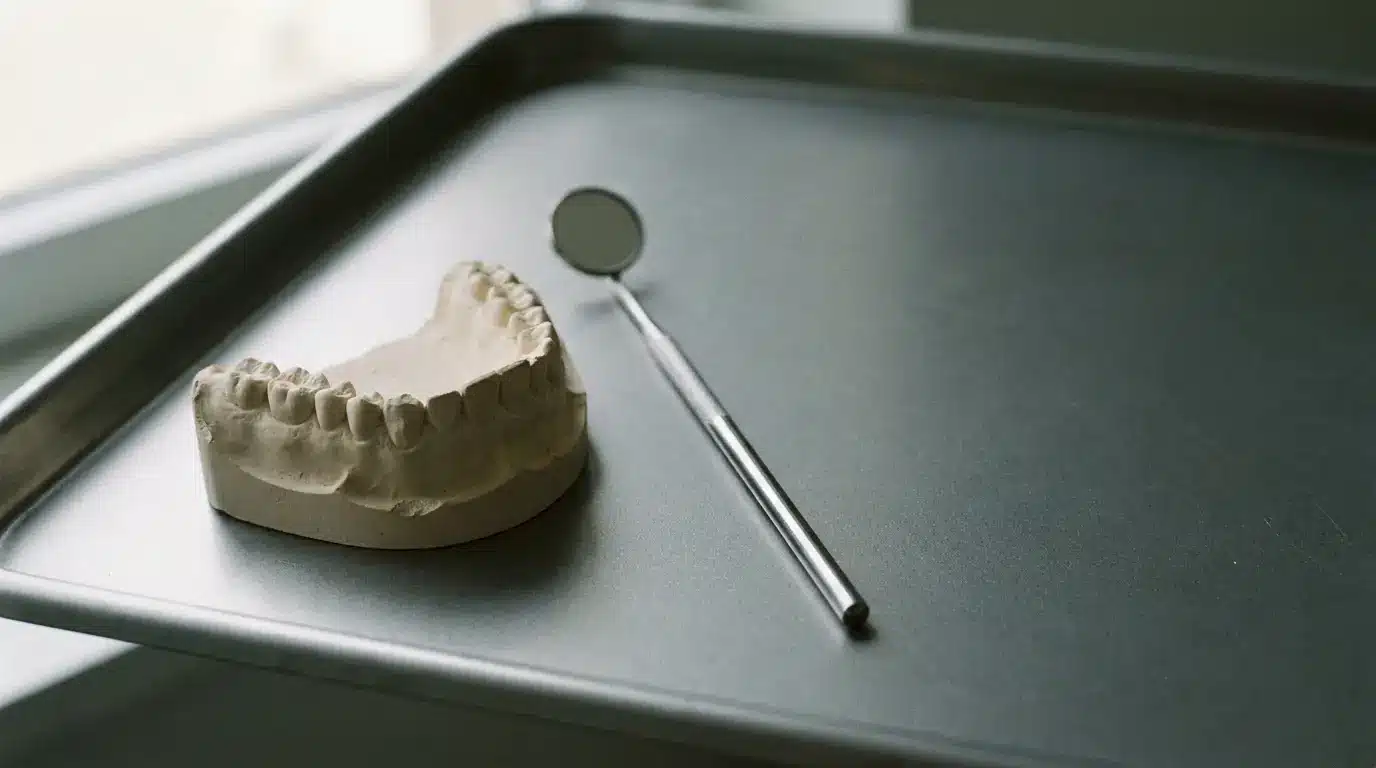
There is a broader idea worth sitting with here, one that reaches beyond dentistry. We live in a culture quick to replace rather than repair, and teeth are no exception. Yet nothing engineered fully matches the natural tooth: the way it sits in the jaw, the way it feels, the way it holds everything around it in place. Keeping the original, where it can be saved, is almost always the better outcome.
That is really what the treatment offers, a way to keep something that works rather than replace it with something that approximates it. Seen through that lens, the most feared procedure in dentistry is quietly one of the most conservative.
Rewriting the Reputation
The lesson in all this is a small but useful one: it pays to check whether a fear is still earned. The root canal of popular imagination belongs to a different era of dentistry, and clinging to it leads people to delay care, lose teeth and suffer the very pain they were trying to avoid.
The treatment does not need better marketing so much as an honest second look. For a procedure that saves the tooth, stops the pain and keeps the original in place, the fear may be the only outdated thing left about it.