

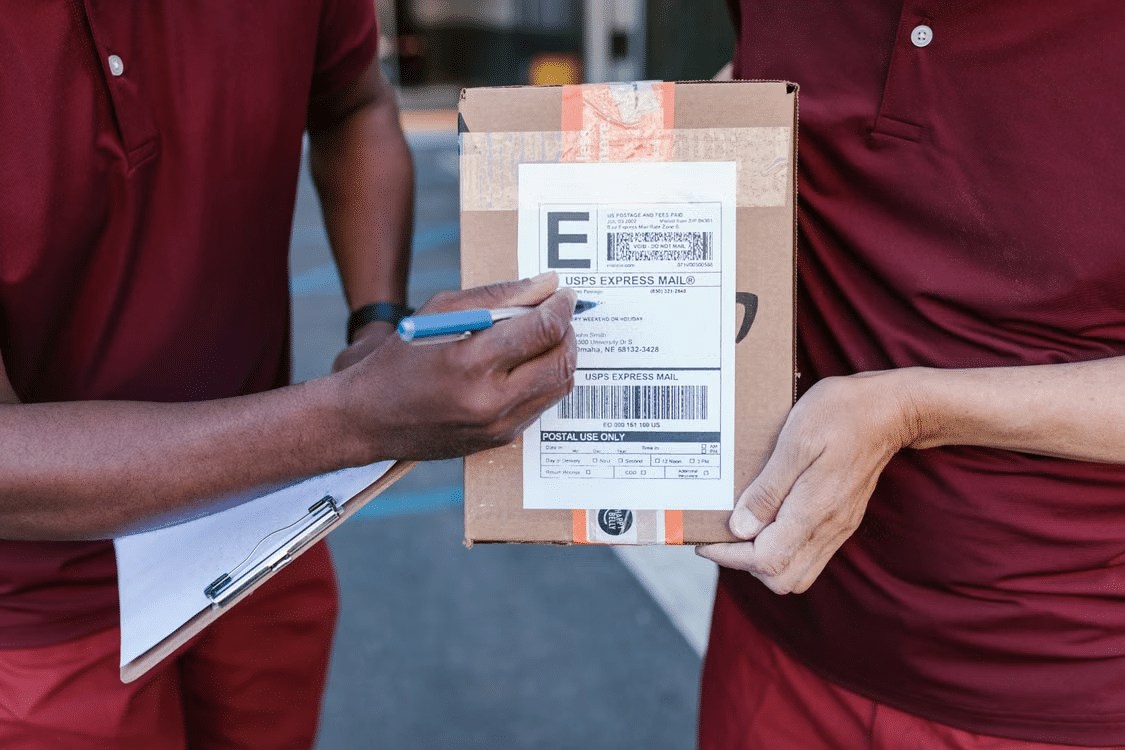
Courier companies manage large volumes of information that need to remain accessible throughout the delivery process. A courier tracking QR code can connect a parcel, shipping label, or pickup notice with current tracking details, delivery instructions, or customer support resources without requiring users to enter long reference numbers manually.
Connecting Packages with Digital Tracking Information
A QR code can provide a direct path from a physical parcel to its digital tracking page. Customers may scan it to check shipment status, expected delivery information, or other updates connected with the order.
For courier companies, this approach can reduce friction at several points in the delivery journey. The same principle can also support warehouse teams, pickup locations, and internal logistics processes.
How QR Codes Can Make Shipment Information Easier to Access
A QR code generator can help courier services link labels, cards, or printed notices with digital information that changes during transit. Dynamic destinations are particularly useful when the linked content may need to be updated without printing a new physical code.
Several placements can support different stages of parcel handling:
- shipping labels linked to tracking pages;
- pickup notices connected with collection instructions;
- return labels linked to return procedures;
- parcel lockers connected with access or support information;
- delivery cards linked to rescheduling options.
This structure keeps printed materials concise while giving customers access to more detailed information when they need it.
QR Codes for Delivery Instructions and Customer Updates

QR technology can also help with post-dispatch communication. A QR code maker may link recipients to delivery preferences, address confirmation, support forms, or instructions for missed deliveries.
|
Physical item |
Possible digital destination |
|
parcel label |
shipment tracking |
|
pickup notice |
collection details |
|
return card |
return instructions |
|
locker notice |
access information |
|
delivery card |
rescheduling page |
For courier businesses, these connections can make service information easier to reach while keeping physical documents compact and standardized.
Practical Uses of Courier Tracking QR Codes
Dynamic codes are useful when linked information changes during delivery or when printed materials remain in circulation for extended periods. Scan analytics can also help companies understand where and when customers interact with specific materials.
ME-QR is an international platform for generating, managing, and analyzing QR codes, with dynamic links, built-in scan analytics, bulk creation, API integrations, branding options, and centralized management. The platform can support large-scale QR creation for operational or customer-facing materials, while its dynamic functionality makes it possible to change linked content without replacing the printed code. ME-QR serves users worldwide, provides an interface in 28 languages, and reports more than 20 million generated codes, over 300 million scans, and more than 500,000 users globally.
An online QR code generator can therefore support both shipment communication and broader logistics workflows. The most suitable setup depends on shipment volume, integration requirements, and how frequently linked information needs to change.
FAQ
Can a Courier QR Code Link Directly to Parcel Tracking?
Yes. It can direct the recipient to a tracking page or other shipment-specific information.
Can Delivery Information Be Changed After the Code Is Printed?
Yes, if a dynamic QR code is used. The linked destination can be updated without replacing the printed graphic.
Where Can Courier Companies Place QR Codes?
They can appear on parcel labels, pickup notices, delivery cards, return materials, locker instructions, and other logistics documents.