


Berberine has emerged as a sought-after herbal component for those looking into blood sugar level balance, metabolic health and cardiovascular well-being.
Berberine is a natural product obtained from plants like barberry, goldenseal and Oregon grape, and has been traditionally used for a long time. It is currently subject to a wide range of study for its actions on glucose and lipid metabolism.
It can be challenging to select the right berberine supplement with an effective formula. There are variations in form and dosage of products, as well as in supplemental ingredients, testing procedures, and directions for use.
Some studies indicate that berberine could contribute to the maintenance of normal glucose metabolism and insulin sensitivity. Though results are variable, meta-analysis of meta-analyses of randomized controlled trials indicated that berberine has benefits in reducing several glycemic markers such as fasting blood glucose, HbA1c, insulin, and HOMA-IR, with the caution that there is no proof of it substituting for medical treatment.
What Is Berberine?
Berberine is an alkaloid that occurs naturally in plants such as Oregon grape, barberry, goldenseal and Berberis aristata. Used in traditional medicine as a spice in Ayurvedic and Chinese medicine, and is now being extensively studied for metabolic health.
Berberine has gained a lot of attention for a variety of reasons, but one is its association with the enzyme AMP-activated protein kinase (AMPK), which plays a role in cellular energy regulation. Studies have indicated that berberine has a possible effect on glucose and lipid metabolism pathways.
It is important to note however, that berberine is not a replacement for diabetes medications. It should be considered a dietary supplement rather than a replacement for a healthy lifestyle or treatment, as needed.
Key Ingredients to Look for in an Effective Berberine Supplement
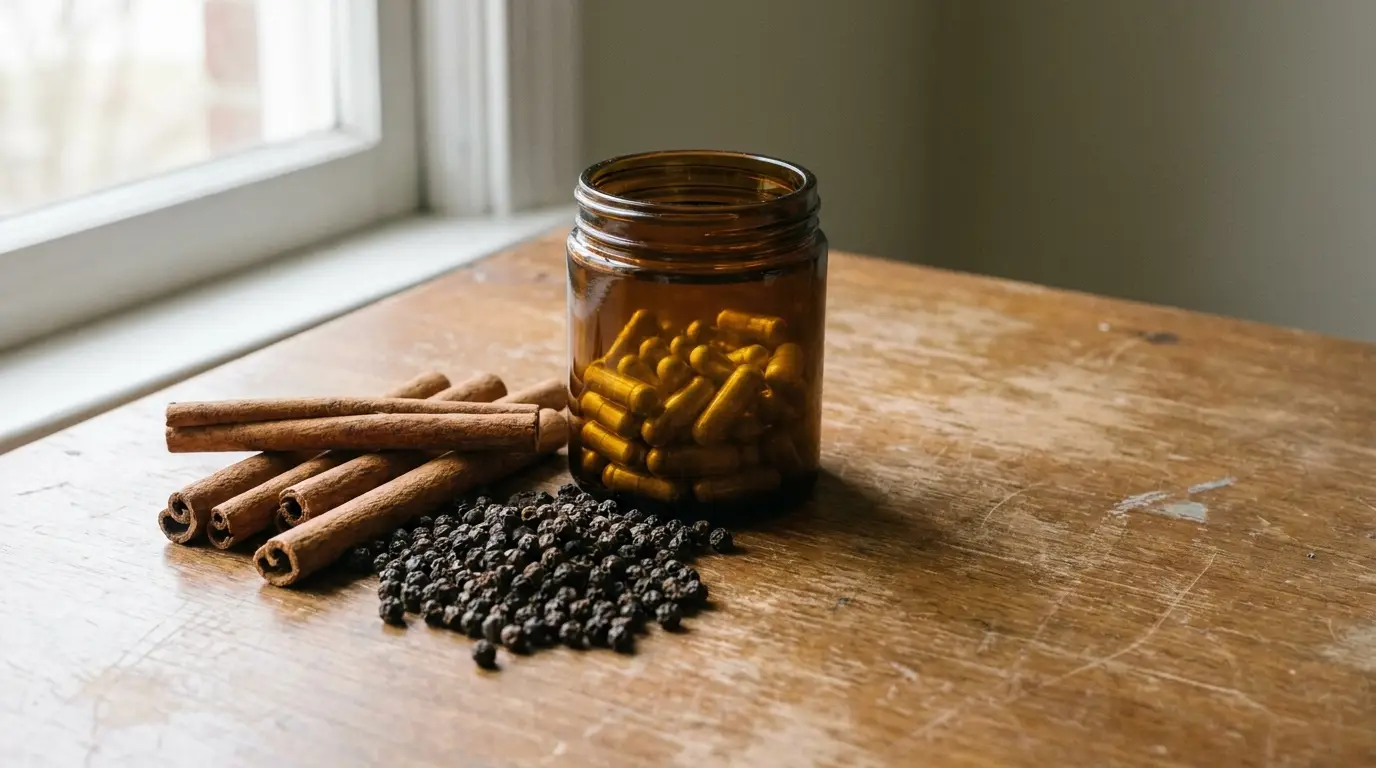
Most berberine supplements also contain other ingredients to enhance the supplement’s effectiveness and bioavailability. These extra compounds are synergistic with berberine to enhance its health benefits. Many supplemental forms of berberine contain other ingredients, which may help the berberine to work. These are some that are frequently encountered:
Milk Thistle
A powerful herbal extract known for its liver-detoxification properties, milk thistle has been used for centuries in traditional medicine. The active compound, silymarin, is an important aid in the detoxification of the liver as it neutralizes toxins before they can cause any damage. It also helps to decrease oxidative stress that might affect liver function in the long term.
Furthermore, silymarin helps in absorbing the nutrients in the gut, increasing the efficiency of the absorption and effectiveness of berberine in the body.A potent herbal extract with a liver protective action. It is also rich in silymarin, which is known for its ability to promote the detoxification process in the liver, prevent oxidative stress and improve the absorption of nutrients that aids the effectiveness of berberine.
Alpha-Lipoic Acid
An effective anti-oxidant with many roles in energy production, anti-inflammatory and enhancing anti-oxidant activity. It is produced naturally in the body and in some foods and reduces harmful free radicals and aids the production of cellular energy. It is synergistic with berberine in improving insulin sensitivity, glucose metabolism and nerve health.
When combined, these compounds can provide a potent effect that could potentially help manage oxidative stress and support overall metabolic health, which makes their use especially advantageous for those with metabolic issues or for them seeking to maintain long-term wellness.
A potent antioxidant that plays a key role in energy metabolism and reducing inflammation and boosts antioxidant activity. It is synergistic with berberine and helps to increase insulin sensitivity, improve glucose metabolism and support nerve health, which is beneficial for those with metabolic issues.
Black Pepper Extract
Bioperine (Black Pepper Extract) boosts the bioavailability of berberine for better absorption, which increases its strength and effectiveness. This increased bioavailability allows the body to better absorb and metabolize berberine, potentially boosting its effectiveness in various areas such as managing metabolic health, blood sugar levels, and cardiovascular well-being.
This enhances the effectiveness of berberine to boost its bioavailability and thereby contributes to increased absorption and metabolic benefits.
Cinnamon
Cinnamon is a natural ingredient with powerful blood sugar-regulating properties that has been used in traditional medicine for centuries. A research published in Pharmaceuticals Journal revealed that it can help enhance insulin sensitivity, decrease fasting blood glucose levels, and function together with berberine. In addition to helping with blood sugar, cinnamon can also benefit the cardiovascular system by lowering LDL cholesterol and inflammation, which are some of the major risk factors of cardiovascular disease. These properties add up to cinnamon being a beneficial addition to any blood sugar management program.
Cinnamon is a natural compound that has blood sugar regulating properties. A study published in Pharmaceuticals Journal found that it has been found to work in combination with berberine to enhance insulin sensitivity, lower fasting blood sugar levels and help maintain the health of the heart by reducing cholesterol and inflammation.
Potential Benefits of Berberine Supplements
Supports Healthy Blood Sugar
One use of berberine that has been studied so extensively is for blood sugar support. Data from clinical trials indicate that berberine supplementation could be beneficial for fasting and post-prandial glucose control, especially in individuals with metabolic issues.
Supports Metabolic Health
Berberine affects pathways of energy metabolism and glucose utilization. Research has also examined its potential effects on insulin sensitivity and lipid metabolism.
Supports Healthy Cholesterol Levels
Research has explored berberine’s effects on cholesterol and triglycerides, making it relevant to broader metabolic and cardiovascular wellness. The analyzed trials in a meta-analysis in 2024 showed benefits on LDL, total cholesterol and triglycerides in adults with type 2 diabetes.
May Complement Healthy Weight-Management Habits
Berberine is often touted for weight loss benefits, but the research isn’t as clear-cut as some online sources may suggest. NCCIH says the results of studies have been inconclusive, and a need exists for more well-designed studies.
Berberine supplements like WOWMD Berberine Essentials can be a good option for simple formulation for daily metabolic and healthy blood sugar support. But it will deliver a positive outcome when combined with a proper diet plan and regular recommended exercises.
Berberine Dosage and When to Take It
The dose of berberine that is recommended is not the same for everyone. Divided daily dose is a frequently used method in clinical research and commercial products vary widely in serving size and instructions.
NCCIH reports that doses used in clinical practice have varied from around 200 to 1,000 mg two or three times a day.
Some products suggest consuming berberine with food, because it may cause stomach upset.
Always follow the instructions of the individual product label and not blindly the dosage of a research study.
Is Berberine Safe?
The digestive symptoms of Berberine include nausea, abdominal discomfort, bloating, constipation or diarrhea and it is considered relatively safe for many adults.
Most importantly, berberine may interact with medications. Medicines used for blood sugar, cholesterol, blood pressure, or other diseases should be reviewed by a health care professional before taking a berberine supplement.
Berberine should not be used during pregnancy or breastfeeding, and it should not be given to infants.
Final Verdict
The best berberine supplement will vary depending on your needs. The best way to take advantage of berberine is to use it in combination with a comprehensive approach to health that includes dietary balance, regular exercise, sufficient sleep, and proper medical treatment.
References
- Milk Thistle: https://www.ncbi.nlm.nih.gov/books/NBK541075/
- Alpha-Lipoic Acid: https://www.ncbi.nlm.nih.gov/books/NBK564301/
- A Comprehensive Review on Pharmacotherapeutics of Herbal Bioenhancers: https://pmc.ncbi.nlm.nih.gov/articles/PMC3458266/
- Role of Fenugreek, Cinnamon, Curcuma longa, Berberine and Momordica charantia in Type 2 Diabetes Mellitus Treatment: A Review: https://pmc.ncbi.nlm.nih.gov/articles/PMC10145167/
- Efficacy of Berberine in Patients with Type 2 Diabetes https://pmc.ncbi.nlm.nih.gov/articles/PMC2410097/
- The effect of berberine supplementation on obesity parameters, inflammation and liver function enzymes: A systematic review and meta-analysis of randomized controlled trials https://pubmed.ncbi.nlm.nih.gov/32690176/