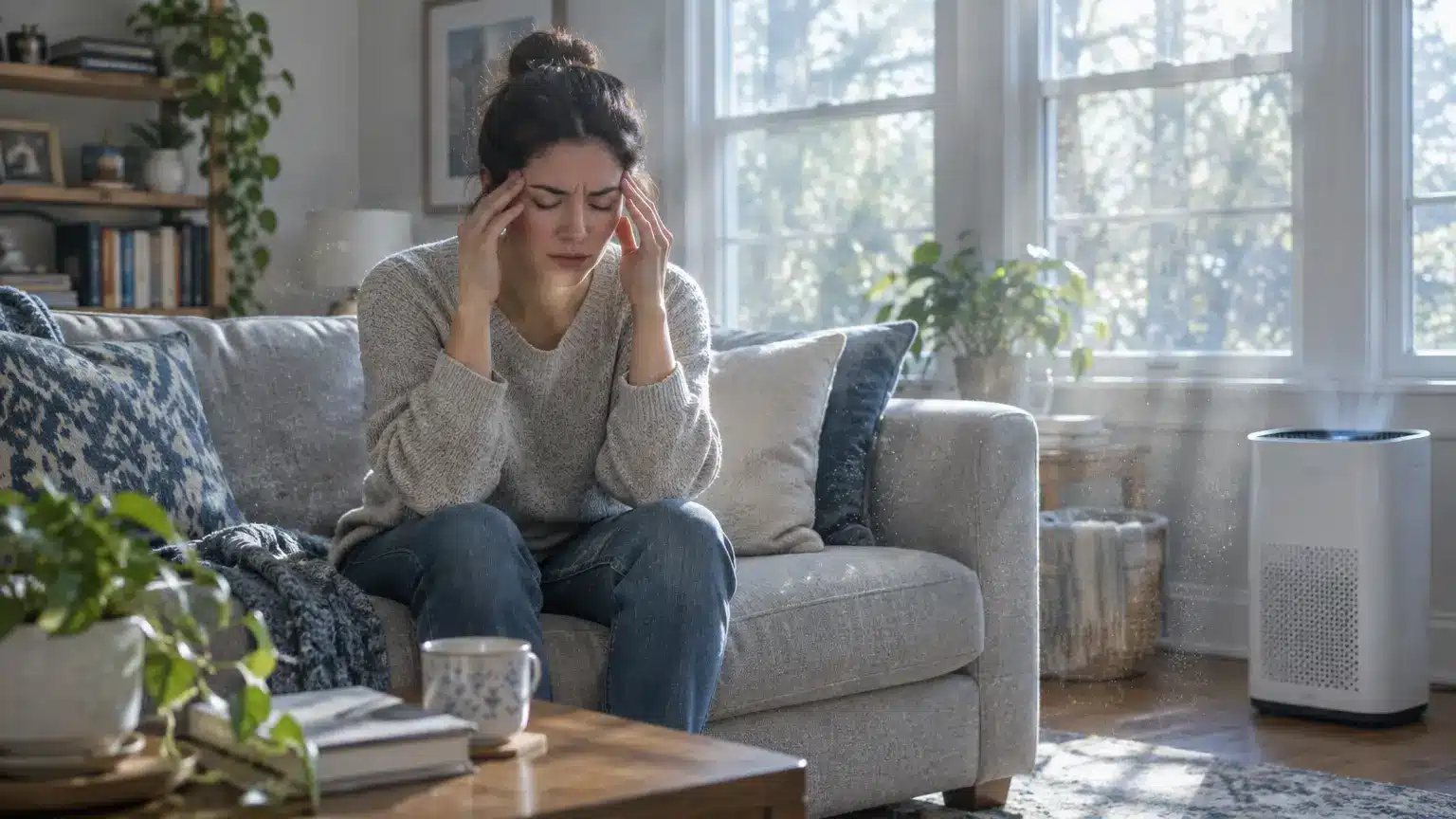


The common cold is common because there’s no cure for it. Two hundred or so viruses cause it, immunity to one doesn’t protect against the next, and the body clears it in its own time, which is usually seven to ten days. That hasn’t stopped an enormous industry from selling things that promise to shorten it. A few of them help a little. Most of them don’t. And the things that genuinely make a difference are free, boring and mostly about giving the body what it needs to do the job.
What Doesn’t Work
Antibiotics, which do nothing against viruses and are prescribed for colds far more often than they should be. Vitamin C, which reduces the duration of a cold slightly in people who take it every day all year, and does nothing when started once the cold’s arrived. Echinacea, for which the evidence is weak and inconsistent. Antihistamines, which help with a runny nose in some people and make most people drowsy. “Immune-boosting” anything, since the immune system isn’t a muscle and the cold is a sign it’s working.
Most over-the-counter cold remedies are a painkiller, a decongestant and caffeine in a sachet. They treat the symptoms, which is fine, but they don’t shorten anything.
What Might Help a Little
Zinc lozenges, started within twenty-four hours of symptoms and taken every few hours, have some evidence for shortening a cold by a day or so, at the cost of an unpleasant taste and nausea in some people. Honey, for a cough, has reasonable evidence, particularly in children over one. Saline nasal rinses reduce congestion and may shorten symptoms slightly. Steam inhalation feels good and probably doesn’t change much. A paracetamol or ibuprofen for the aches makes the days bearable without altering their number.
What Actually Works: Rest
This is the one that matters, and the one people skip. The immune response is metabolically expensive, and a body that’s also being asked to commute, work a full day and run a household is a body clearing the virus more slowly. Sleep in particular is when the immune system does much of its work; studies show people who sleep less catch more colds and recover from them more slowly.
Rest means real rest. A day off, if it’s possible, at the point when the cold’s worst. Early nights for the duration. Naps without guilt. The person who takes two days off at the start often takes fewer days overall than the person who pushes through.
Sleeping With a Cold
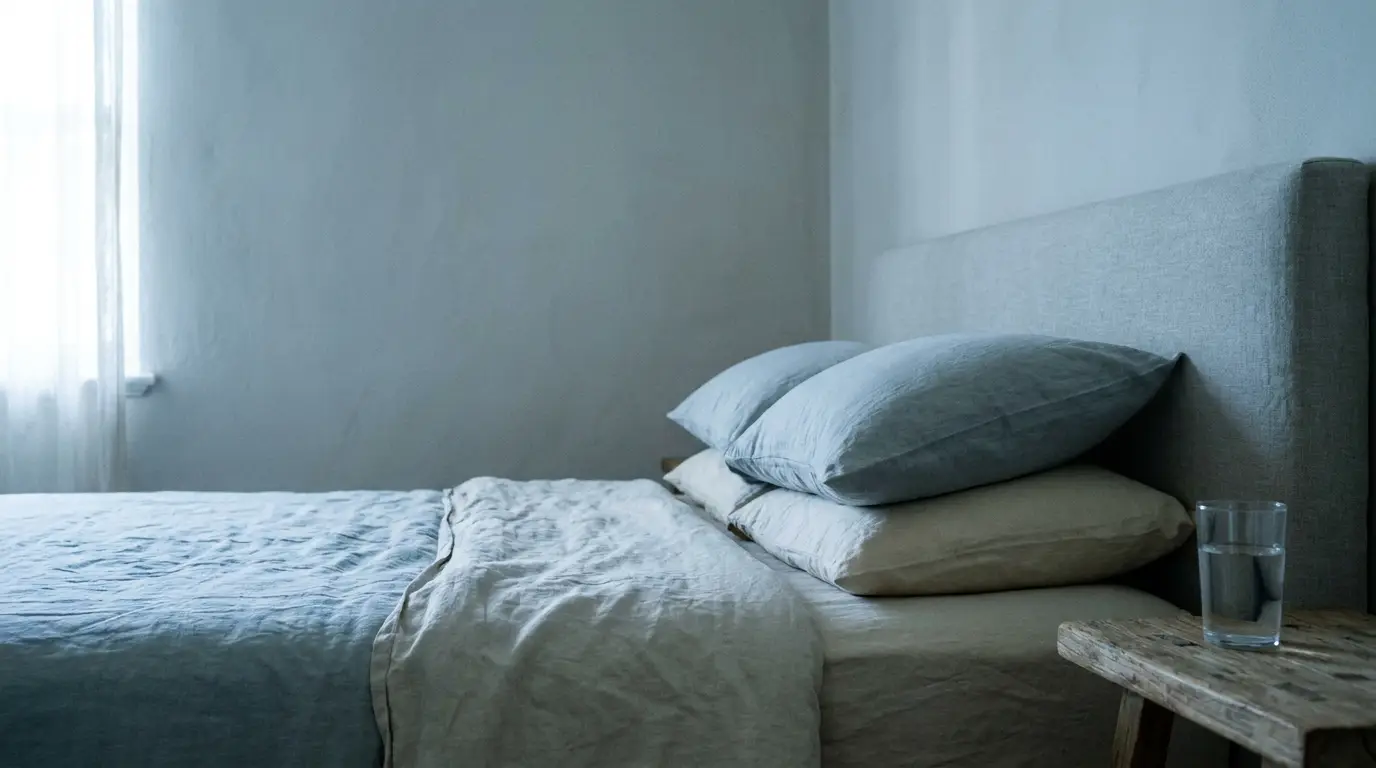
The nights are the worst part, because lying flat lets the congestion settle and the coughing start. Propping the head and upper body up is the single most useful thing, and it’s easier with a bed that allows it. Two or three pillows in a wedge, or a proper wedge pillow, keep the airways clear; a frame with an adjustable head end does it better, and it’s one of the reasons the supportive bed options that include a raised or adjustable headboard are worth a look from anyone who gets frequent colds or has reflux. A cool room, a glass of water and a bit of menthol on a tissue near the pillow cover the rest.
If a partner’s sleeping alongside, a night or two in a separate room, where possible, means at least one person sleeps, and reduces the chance of two colds instead of one.
Fluids and Food
Dehydration thickens mucus and makes the aches worse. Water, warm drinks, broth, diluted juice. Not much alcohol, which dehydrates and disrupts the sleep that’s doing the work. Food as appetite allows; the body needs fuel for the immune response, and a cold isn’t the time for a fast. Soup is soup, but warm salty liquid with some protein in it does help.
Exercise is the other question people ask. Gentle movement, a walk, is fine and may help with congestion. Anything strenuous, while the body’s fighting the virus, diverts resources and prolongs the cold, and exercising with a fever is a bad idea for reasons beyond the cold. The rule most doctors use is that symptoms above the neck allow light activity and symptoms below it, chest, aches, fever, mean rest.
Not Spreading It
Hand washing, tissues used once and binned, not sharing towels or cups, staying away from anyone vulnerable. Colds spread most in the first three days, which is exactly when people insist on going to the office.
When It Isn’t a Cold
A cold that lasts more than ten days, or gets better and then worse, may have turned into a sinus or chest infection. A high fever, difficulty breathing, chest pain, or a cold in someone very young, very old or with a weakened immune system all need a GP. So does anything that feels like the worst cold ever, which occasionally isn’t a cold.
The Practical Version
Zinc lozenges in the first day if the taste can be borne. Paracetamol for the aches. Honey for the cough. Saline for the nose. Then rest, properly, with the head propped up at night, plenty of fluids, and early bedtimes until it’s gone. The cold will take its week regardless. The rest decides whether it’s a bad week or a merely dull one.
The Bottom Line
Nothing sold in a pharmacy shortens a cold by much. Rest and sleep do, and they’re free. Take the symptom relief that makes the days bearable, prop the head up at night, drink, and stop working through it. The body knows how to clear a cold. It just needs to be allowed to.